Muhammad Hendra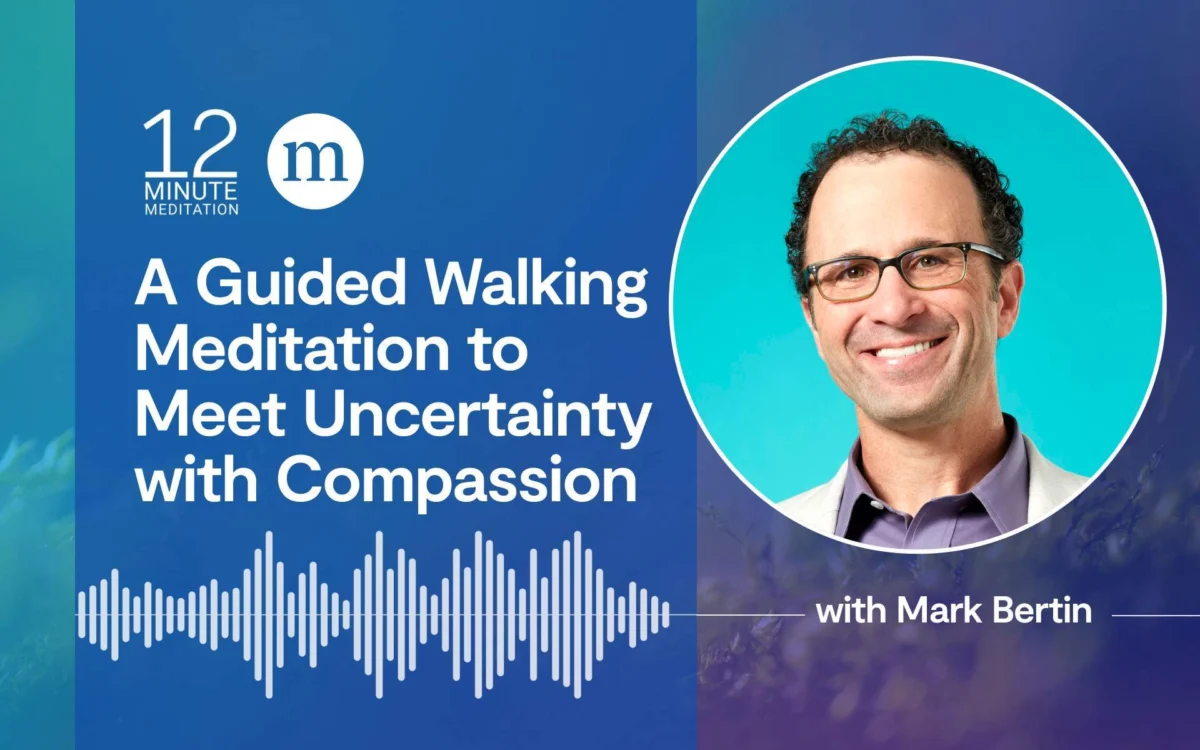
In an era defined by rapid sociopolitical shifts, economic fluctuations, and persistent global stressors, the human nervous system is continuously subjected to environments of heightened unpredictability. Recent psychological and sociological data indicate that chronic uncertainty stands as one of the primary drivers of modern burnout, anxiety, and generalized fatigue. Addressing this pervasive cultural challenge requires more than temporary distraction; it demands the cultivation of psychological resilience. Clinical frameworks and mindfulness-based interventions increasingly emphasize that resilience is not an innate, unchanging trait, but a dynamic capacity rooted in how individuals relate to the fundamental volatility of life. Far from advocating for toxic positivity or forced tranquility, contemporary mindfulness practices establish a framework for navigating crises through patience, clarity, and, ultimately, deliberate action.
The neurobiological impacts of chronic uncertainty have been extensively documented by behavioral researchers and public health specialists. When individuals encounter unpredictable environments without adequate tools for emotional regulation, the brain’s amygdala triggers an ongoing fight-or-flight response. This sustained activation leads to elevated cortisol levels, disrupted sleep patterns, and diminished cognitive flexibility. Over time, individuals frequently become trapped in cycles of reactivity, frustration, and fear. Breaking this cycle requires intentional mental training. Behavioral scientists note that developing a balance between radical acceptance—acknowledging circumstances that cannot be changed—and targeted agency—directing effort where it can make a tangible difference—is essential for long-term psychological wellbeing.
To operationalize these principles in daily life, mindfulness practitioners and clinicians have long utilized somatic approaches, most notably walking meditation. Unlike seated meditation, which can occasionally intensify feelings of restlessness for individuals experiencing acute stress, walking meditation integrates physical movement with present-moment awareness. This practice leverages the proprioceptive feedback of the body to anchor the wandering mind, shifting focus away from catastrophic projections of the future and rumination over the past.
Grounded in these clinical insights, mindfulness expert Mark Bertin has designed a structured, twelve-step guided walking meditation specifically tailored to help individuals meet uncertainty with compassion. The practice provides a methodical pathway from physical grounding to universal empathy, offering a structured protocol for individuals seeking to stabilize their emotional state amidst turbulence.
The Step-by-Step Practice of Grounded Awareness
The practice begins by directing attention entirely to the mechanics of walking. Participants are instructed to notice the physical sensations of each step: the lifting of the foot, the shift of body weight, and the eventual return of the foot to the ground. To anchor the wandering mind, practitioners may mentally label the movement simply as "step" or count short sequences up to ten before restarting. This initial phase serves to interrupt the cognitive loops of worry that frequently characterize modern life.
As the walk continues, the focus naturally expands to incorporate the broader sensory environment. Without forcing attention, practitioners are encouraged to notice surrounding sounds, ambient smells, tactile sensations, and visual elements. This sensory expansion reinforces a sense of embodied presence. When thoughts or emotional distractions inevitably arise—a common occurrence during periods of high stress—the objective is not to suppress them, but to recognize the mental habit of getting "hooked" or entangled, and gently return attention to the physical sensation of the next step.
Transitioning from Internal Awareness to Global Compassion
In the latter stages of the practice, the focus shifts purposefully from somatic observation to active compassion. Acknowledging that individual struggles occur within a shared human experience, practitioners remind themselves that they are not isolated in their difficulties. This realization bridges the gap between personal stress and universal empathy.
The meditation then progresses through concentric circles of well-wishing, starting inward and moving outward:
First, participants direct traditional wellness wishes toward themselves, addressing their immediate emotional state with the same kindness they would offer a trusted friend. Phrases such as "May I be happy and at ease" and "May I recover my sense of resolve and strength" serve to rebuild internal resilience.
Second, this circle expands to encompass close family members and friends, visualizing loved ones receiving the same steadying intentions of health, safety, and emotional balance.
Third, as practitioners encounter strangers or pass residential neighborhoods during their walk, they extend these same benevolent wishes to unfamiliar community members. This step actively challenges the social fragmentation common in urban environments, reframing every passerby as an individual navigating their own unseen burdens.
Finally, the practice concludes by expanding awareness to all living beings globally. By recognizing that every individual, regardless of circumstance, shares a fundamental motivation to be free from suffering and stress, practitioners cultivate a profound sense of interconnectedness. The session closes with a universal aspiration for global resilience, health, and peace.
Broader Implications for Public Health and Stress Management
The dissemination of structured mindfulness techniques like Bertin’s walking meditation aligns with a broader shift in public health strategy toward preventive mental healthcare. Healthcare systems globally are recognizing that interventions designed to reduce systemic inflammation caused by chronic stress can yield significant long-term benefits. By integrating mindfulness practices into daily routines, individuals can systematically lower baseline stress levels, enhance emotional regulation, and foster cognitive flexibility.
Furthermore, the emphasis on compassion—both self-directed and directed toward strangers—addresses the secondary crisis of social isolation and declining civic trust. Sociological analyses suggest that intentional practices of empathy help rebuild community cohesion during periods of collective strain. When individuals learn to view their own vulnerabilities and the struggles of others through a lens of shared humanity, the divisive impacts of uncertainty are mitigated.
Ultimately, navigating an uncertain world does not require the elimination of unpredictability, but rather the development of a resilient internal compass. Through deliberate mental training, somatic grounding, and active compassion, individuals can transform moments of crisis into opportunities for clarity, connection, and purposeful action.