Muhammad Hendra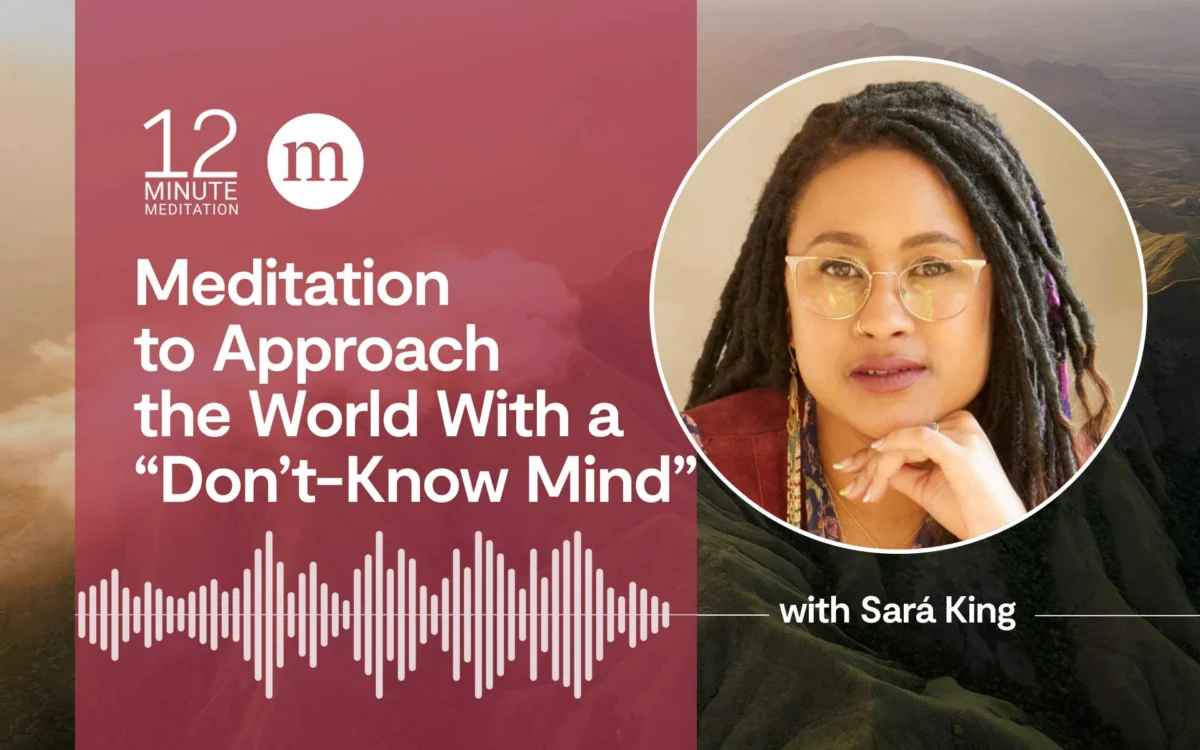
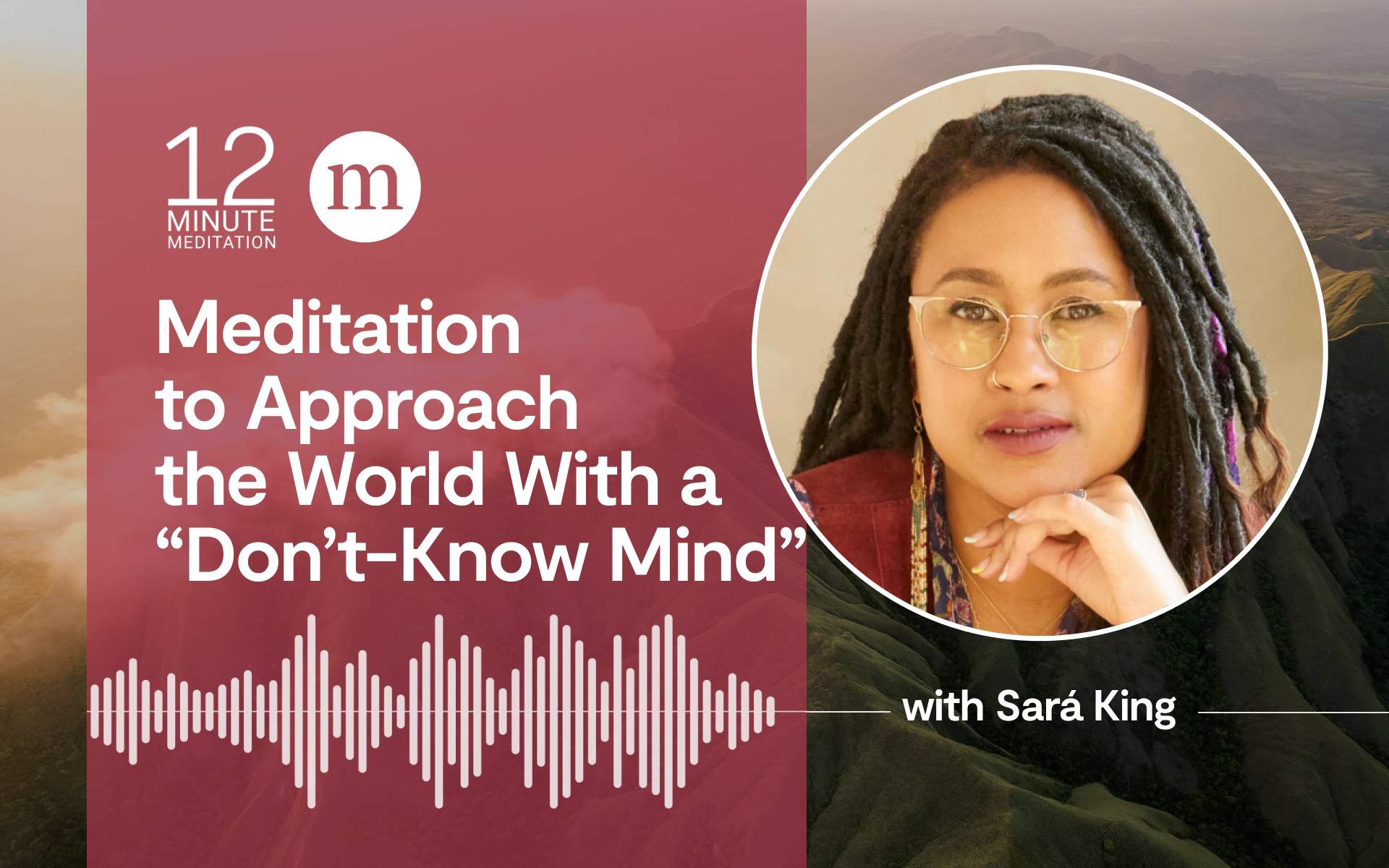
The pursuit of strength and resilience often leads individuals to seek comfort in the familiar, a foundational human inclination that can paradoxically serve as a springboard for venturing into the unknown. This principle underpins the teaching philosophy of Dr. Sará King, a distinguished neuroscientist, political and learning scientist, medical anthropologist, social entrepreneur, public speaker, and certified yoga and meditation instructor, who advocates for approaching the world with a "don’t-know mind." Her methodology, which begins with precise instructions on physical posture to ensure bodily support during meditation, aims to cultivate a state of receptive awareness, paving the way for profound individual and collective well-being. Dr. King’s work uniquely bridges the gap between contemplative practice, scientific understanding, and the imperative of social justice, emphasizing the intricate relationship between individual and collective consciousness.
The "Don’t-Know Mind": A Gateway to Openness
At the heart of Dr. King’s meditative practice is the cultivation of a "don’t-know mind." This concept, deeply rooted in various contemplative traditions, particularly Zen Buddhism, encourages practitioners to suspend preconceived notions, assumptions, and judgments. Instead of approaching experiences with pre-formulated ideas of what they "should" be or what one "already knows," the don’t-know mind embraces a state of beginner’s mind, characterized by curiosity, openness, and a willingness to encounter each moment afresh.
Philosophically, this state of mind challenges the human tendency to categorize and label, which, while efficient for processing information, can also limit perception and understanding. By consciously setting aside the "known," individuals create mental space for new insights, unexpected perspectives, and a more direct, unfiltered experience of reality. This is not an abdication of knowledge but rather a strategic pause in its application, allowing for deeper engagement and learning. For Dr. King, this foundational mental posture is as critical as the physical one in preparing the body and mind for effective meditation. It serves as a psychological anchor, grounding individuals in the present moment and fostering a sense of inner spaciousness conducive to resilience.
Dr. Sará King: A Multidisciplinary Visionary
Dr. Sará King’s approach is distinguished by her extraordinary multidisciplinary background. Her expertise spans neuroscience, which provides a scientific understanding of brain function and the impact of mindfulness on neural pathways; political and learning science, offering insights into human behavior, governance, and educational processes; and medical anthropology, which examines health, illness, and healing in cultural and social contexts. This unique confluence of disciplines allows her to integrate contemplative practices with a comprehensive understanding of human experience at individual, community, and societal levels.
Her specialization lies in researching and teaching the intricate relationship between mindfulness, community alternative medicine, and social justice. This focus is particularly innovative, moving beyond individual stress reduction to explore how enhanced individual and collective awareness can foster systemic change. She posits that true well-being is not isolated to personal peace but is deeply interconnected with the health and equity of communities. Her work challenges conventional boundaries, suggesting that inner transformation can be a potent catalyst for outer societal reform.
The Science of Presence: Posture, Brain, and Body
A core tenet of Dr. King’s teaching involves meticulous attention to physical posture at the outset of any meditation session. This seemingly simple instruction is underpinned by a sophisticated understanding of psychophysiology. Proper posture—stable, upright, yet relaxed—is not merely about comfort; it directly influences the nervous system, facilitating a state of alert yet calm awareness. From a neuroscientific perspective, an aligned posture can optimize diaphragmatic breathing, which in turn stimulates the vagus nerve, promoting parasympathetic nervous system activity associated with relaxation and emotional regulation.
Research in neuroscience has consistently demonstrated the profound impact of mindfulness practices on brain structure and function. Studies using fMRI scans have shown that regular meditation can lead to increased gray matter density in areas associated with attention, emotional regulation, and self-awareness, such as the prefrontal cortex and hippocampus. Simultaneously, it can reduce activity in the amygdala, the brain’s fear center, contributing to decreased stress and anxiety. Dr. King’s emphasis on supportive posture ensures that the physical container is optimized for these neurobiological shifts, allowing practitioners to more readily access states of deep concentration and openness inherent in the "don’t-know mind." This bodily awareness, often overlooked in purely cognitive approaches to mindfulness, is foundational to her holistic methodology, grounding the mental exploration in physical stability.
Mindfulness as a Catalyst for Social Justice
Perhaps the most compelling aspect of Dr. King’s work is her articulation of mindfulness as a tool for social justice. This expanded view moves beyond personal solace to address systemic inequalities and collective suffering. She argues that cultivating individual and collective awareness is crucial for understanding and dismantling oppressive structures. A "don’t-know mind" becomes particularly potent here, as it encourages individuals to critically examine their own biases, assumptions about others, and inherited social narratives, rather than passively accepting them.
In the context of social justice, collective awareness refers to a shared understanding of societal issues, empathy for marginalized groups, and a recognition of shared interdependence. This resonates strongly with the themes explored by Barry Boyce, founding editor of Mindful.org, in his article "How COVID Reminded Me We’re All Connected." Boyce delves into the ever-present balance between personal independence and natural interdependence, highlighting how a global crisis like COVID-19 underscored the profound interconnectedness of human lives. Dr. King’s framework suggests that mindfulness, by fostering empathy and reducing egocentric biases, can facilitate this recognition of interdependence, encouraging individuals to act not just for personal gain but for the greater good of the community.
Mindfulness, when applied through a social justice lens, can empower individuals to engage with complex social issues with greater clarity, compassion, and sustained commitment. It can help activists and advocates manage burnout, maintain emotional resilience in the face of adversity, and approach dialogue with an open, non-reactive stance, even when confronting deep-seated disagreements. This paradigm shift positions mindfulness not as an escape from the world’s problems, but as an active engagement with them, rooted in an expanded sense of self and collective responsibility.
The Broader Landscape of Mindfulness and Its Acceptance
The past two decades have witnessed a dramatic surge in the popularity and scientific validation of mindfulness. Originating from ancient contemplative practices, mindfulness has transcended its spiritual roots to become a widely adopted secular tool for enhancing mental health, well-being, and cognitive performance. Global market estimates for the meditation and mindfulness industry have shown robust growth, reaching billions of dollars annually, reflecting its widespread integration into diverse sectors.
In healthcare, mindfulness-based stress reduction (MBSR) programs, pioneered by Jon Kabat-Zinn, have become standard interventions for chronic pain, anxiety, and depression. Educational institutions are incorporating mindfulness curricula to improve student focus, emotional regulation, and reduce disciplinary issues. Corporations are investing in mindfulness training to boost employee productivity, reduce stress, and foster a more positive workplace culture. This widespread acceptance is largely due to a growing body of scientific evidence that substantiates its benefits, moving it from the realm of anecdotal experience to empirically supported practice.
However, as mindfulness gains mainstream traction, there is a critical need to ensure its application remains true to its deeper ethical and transformative potentials. Dr. King’s work serves as a powerful reminder that mindfulness is not merely a self-help tool for individual comfort but a profound pathway to understanding and navigating complex human interdependencies and addressing societal challenges. Her unique synthesis helps to ground the contemporary mindfulness movement in a broader ethical framework, pushing it beyond commodification to its potential as a force for collective good.
Fostering Resilience and Navigating Complexity
The initial premise of finding strength and resilience in familiarity to explore the unfamiliar is profoundly amplified through the lens of the "don’t-know mind." Familiarity provides a secure base, a sense of grounding, which Dr. King establishes through careful attention to posture. From this stable foundation, individuals are then encouraged to release the familiar mental constructs that often limit their perception of the unfamiliar. This process is crucial in an increasingly complex and rapidly changing world.
In an era marked by unprecedented global challenges—from climate change and pandemics to social fragmentation and technological disruption—the ability to adapt, innovate, and connect across differences is paramount. A "don’t-know mind" cultivates cognitive flexibility, reducing resistance to change and fostering creative problem-solving. It encourages a proactive, rather than reactive, stance towards uncertainty. By embracing not knowing, individuals and communities become more receptive to diverse perspectives, more willing to question established norms, and more capable of forging new pathways forward.
The implications extend to personal relationships, professional collaborations, and civic engagement. Approaching others with a "don’t-know mind" means listening deeply without immediately framing responses, seeking to understand rather than to confirm existing beliefs. This fosters genuine dialogue, builds trust, and allows for the emergence of shared solutions to complex problems.
Looking Ahead: The Future of Integrated Awareness
Dr. Sará King’s integrated approach to mindfulness, combining rigorous scientific understanding with a deep commitment to social justice, represents a vanguard in the evolution of contemplative practices. Her work suggests that the future of mindfulness lies not just in its individual therapeutic benefits, but in its capacity to foster collective awareness and drive meaningful social change. By systematically cultivating a "don’t-know mind" from a stable physical and mental foundation, individuals can unlock profound resilience, navigate the unfamiliar with greater ease, and contribute to a more just and interconnected world.
The emphasis on community alternative medicine in her profile also points towards a future where healing is viewed holistically, encompassing not only individual physical and mental health but also the health of social systems and ecological environments. As global society grapples with multifaceted crises, the insights offered by practitioners like Dr. King, who weave together neuroscience, anthropology, and social action, become increasingly vital. Her teachings offer a practical framework for individuals to cultivate inner peace while simultaneously engaging with the urgent demands of creating a more equitable and compassionate society, reminding us that true well-being is intrinsically linked to the well-being of all.