rifanmuazin
Instagram, a dominant force in the digital content sphere, operates on a sophisticated, multi-faceted algorithmic system, a revelation that has significant implications for creators and businesses striving to expand their reach. Far from a singular, monolithic algorithm, the platform employs a series of artificial intelligence (AI) systems working in concert, each tailored to specific sections of the application: the main Feed, Stories, Reels, and the Explore page. This transparency, largely spearheaded by Head of Instagram Adam Mosseri and articulated through the official @creators account, provides an invaluable roadmap for understanding how content is ranked and distributed. For those aiming to cut through the digital noise, deciphering these mechanisms is no longer optional but essential for strategic growth.
The Evolution Towards a Recommendation-First Platform
A pivotal shift in Instagram’s operational philosophy has transitioned it from a primarily "social graph" driven platform to an "interest graph" model. Historically, a user’s feed was predominantly populated by content from accounts they explicitly followed. While connections with friends and family remain crucial, Instagram now increasingly prioritizes recommending content from accounts users don’t follow, based on their demonstrated interests and past interactions. This fundamental change, amplified in sections like Reels and Explore, means content is now competing primarily on its intrinsic appeal and relevance to a user’s interests, rather than solely on pre-existing relationships. This strategic pivot reflects broader trends in social media, influenced in part by the success of platforms like TikTok, which popularized an "endless feed" of algorithmically recommended content. Instagram’s move ensures it remains competitive by catering to a user’s desire for continuous discovery and entertainment.
Understanding Instagram’s Multi-Algorithmic Architecture
Instagram’s internal architecture comprises "a variety of algorithms, classifiers, and processes, each with its own purpose," as detailed in a 2023 blog post by the company. This specialized approach acknowledges that user intent varies significantly across different parts of the app. As Mosseri frequently explains, users engage with Stories for close friends, Explore for discovery, and Reels for entertainment. Consequently, the ranking signals and priorities differ for each content destination. This negates the common misconception that a single algorithm uniformly favors one content type over another, such as Reels inherently outperforming photos across the entire platform. Instead, performance is contextual to where the content is consumed.
Navigating the Instagram Feed Algorithm
The main Feed, often the first point of interaction for users opening the app, displays a mix of photos, videos, carousels from followed accounts, and algorithmically recommended posts from unfollowed accounts, interspersed with sponsored content. Instagram employs thousands of "signals" to determine the relevance and order of these posts. The most critical signals, ranked by importance, revolve around a user’s past engagement with the content creator and the content type itself.
- User Activity: How often a user interacts with a specific account (likes, comments, shares, saves).
- Post Information: Data about the post itself, including its type (photo, video, carousel), its popularity (likes, comments), and its recency.
- Creator’s History: A user’s overall engagement with the creator over time.
- Interactions with Similar Posts: The likelihood of a user interacting with content similar to the current post.
Based on these signals, Instagram makes "educated guesses" about a user’s likelihood to engage. Mosseri highlights five key interactions: spending a few seconds on a post, commenting, liking, sharing, and tapping the profile photo. The higher the predicted likelihood of these actions, the higher the post will appear in the feed.
Strategies for Enhanced Feed Reach:
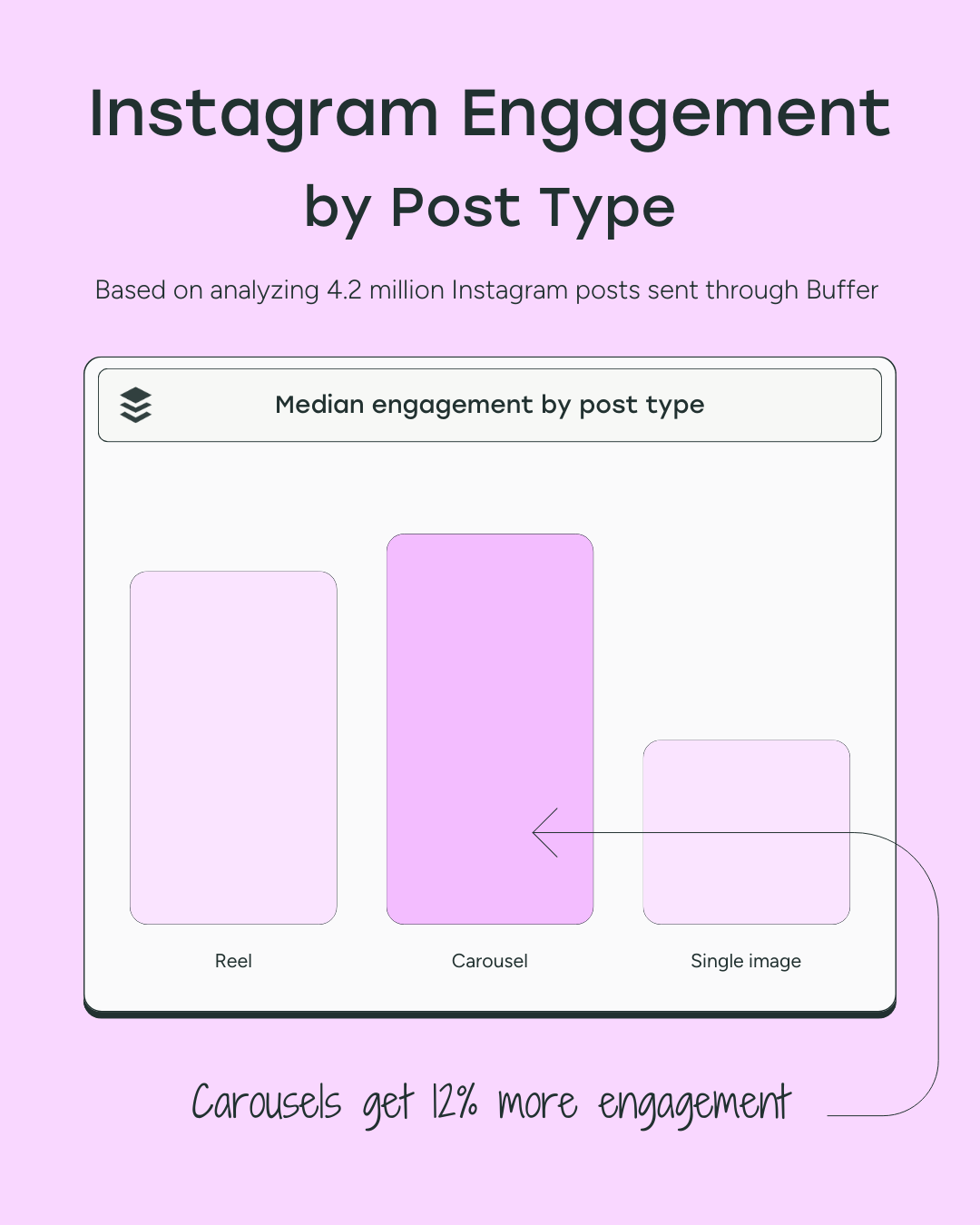
- Leverage Carousels: Posts featuring multiple photos or videos consistently demonstrate higher engagement rates. A Buffer analysis of over 4 million Instagram posts revealed carousels often outperform single-image photos or videos. Their advantage lies in their ability to re-engage users; if a user doesn’t swipe through all slides, Instagram may present the carousel again later, starting from the last unviewed slide, increasing opportunities for interaction.
- Integrate Audio: Beyond videos, audio can be added to single photo posts and carousels. This captures the attention of users browsing with sound on, potentially boosting engagement and even qualifying the post for exposure within the Reels feed.
- Optimize Image Dimensions: Adhering to Instagram’s recommended image sizes (e.g., 4:5 aspect ratio for vertical posts) prevents awkward cropping and pixelation, ensuring content appears polished and professional, which positively influences user perception and engagement.
- Adhere to Guidelines: While not directly an engagement booster, Instagram actively downranks content that merely seems likely to violate Community Guidelines, even before formal confirmation. Avoiding such content is crucial to maintain visibility.
Mastering the Instagram Stories Algorithm
Instagram Stories, ephemeral content disappearing after 24 hours, serve a distinct purpose: fostering deeper connections with existing followers. While less effective for broad audience discovery, Stories offer a prime position at the top of the app, ensuring visibility to a loyal audience. The algorithm prioritizes content from accounts a user frequently interacts with and from those considered "closest friends."
- Viewing History: How often a user views stories from a particular account.
- Direct Interactions: Likes, replies, or reactions to stories.
- Profile Visits: How often a user visits a creator’s profile after viewing their story.
These signals predict how likely a user is to tap into a story, reply, or move to the next.
Optimizing Story Performance:
- Embrace Interactivity: Polls, questions, quizzes, and "add yours" stickers are powerful tools for generating direct engagement. High interaction rates signal relevance to the algorithm and provide valuable audience insights.
- Vary Content Beyond Reshares: While resharing feed posts is convenient, a mix of unique, behind-the-scenes, or supplementary content keeps followers engaged. For instance, a cooking reel can be complemented by a story showing ingredients or a quick tip.
- Reshare User-Generated Content (UGC): Featuring followers’ posts or stories where they tag your brand or use your products builds community, provides social proof, and encourages further UGC, creating a positive feedback loop.
Cracking the Instagram Reels Algorithm
The Reels feed, a dedicated hub for short-form video, is Instagram’s primary engine for audience growth and discovery. It is predominantly a "recommendation-first" space, presenting content from both followed and unfollowed accounts. Recently, Instagram has introduced user controls allowing individuals to specify topics of interest or disinterest, further emphasizing the need for creators to clearly define their content’s niche.
- User Engagement: The likelihood of a user watching a Reel to completion, liking, commenting, saving, or, most importantly, sharing it.
- Video Information: Audio track, visual content, and overall popularity.
- Creator’s Engagement History: A user’s past interactions with the creator.
Mosseri has underscored the paramount importance of shares, particularly through direct messages. He notes that short-form video’s "symbiotic" relationship with connecting people to their friends is a core driver of Instagram’s mission. Content that inspires users to share it with someone they care about—be it relatable humor, valuable information, or thought-provoking insights—is heavily rewarded.
Maximizing Reels Reach:
- Capitalize on Momentum: If a Reel goes viral, a timely follow-up (within a day or two) can leverage existing audience interest and signal continued relevance to the algorithm.
- Design for Diverse Viewers: Approximately half of Instagram videos are watched without sound. Reels must have a strong visual hook and incorporate on-screen text or captions to convey the message effectively to mute-watchers.
- Avoid Third-Party Watermarks: Instagram explicitly downranks Reels featuring logos or watermarks from other platforms (e.g., TikTok). Creators should save original versions of their videos before adding platform-specific elements for optimal cross-platform performance.
Unlocking the Instagram Explore Page Algorithm
The Explore page, accessed via the magnifying glass icon, is a curated discovery hub designed to help users find new accounts and content tailored to their potential interests. It’s a critical gateway for creators seeking to expand their audience beyond their existing follower base.
- User Interaction History: Posts a user has previously liked, saved, commented on, or shared.
- Interactions with Similar Content: The algorithm identifies patterns in user preferences and suggests content from related accounts.
- Post Popularity: Content with high overall engagement, particularly from other users who share similar interests.
Instagram illustrates this with an example: if a user frequently engages with a San Francisco dumpling chef’s content, the Explore page might recommend posts from a related SF dim sum spot, based on the engagement patterns of other users who follow the dumpling chef.

Strategies for Explore Page Visibility:
- Utilize Trending Audio: Incorporating popular audio tracks can increase a Reel’s, photo’s, or carousel’s discoverability, as Instagram actively promotes content using trending sounds.
- Optimize Reel Length: While Reels can be up to three minutes long, videos between 30 and 90 seconds tend to achieve optimal engagement, striking a balance between conveying a message and maintaining viewer attention.
- Monitor Share Analytics: Shares, particularly those via DMs from non-followers, are a powerful signal of quality for the Explore algorithm. Analyzing which posts are most shared can inform content strategy, helping creators produce more shareable content.
When Instagram Limits Content Recommendation
Instagram maintains detailed "recommendation guidelines" designed to prevent potentially offensive or sensitive content from appearing in recommendation surfaces like Explore and Reels. Content that violates these guidelines may not be removed from the platform if it doesn’t breach Community Guidelines, but its reach will be severely curtailed. Categories include sensitive topics (self-harm, eating disorders, graphic violence), adult content, promotion of regulated goods (tobacco, drugs), and integrity issues (misinformation, false claims). Adhering to these guidelines is paramount for maintaining algorithmic favor and broad visibility.
The Strategic Advantage of Algorithms for Creators
While algorithmic changes can initially feel disruptive, Instagram’s system ultimately aims to enhance user experience by ensuring relevant, engaging content reaches the right audience. This shift benefits creators and businesses with strong social media marketing strategies, as their content is more likely to connect with genuinely interested users. Rather than struggling in a chronological feed where posts quickly disappear, quality content now has a prolonged shelf life and a greater chance of discovery. The machine learning-driven approach acts as a powerful curation tool, rewarding authenticity and consistent value.
Eight Evergreen Best Practices for Instagram Success
Despite the complexity of multiple algorithms, a core set of best practices applies across the entire Instagram ecosystem, centering on authentic engagement and relevant content.
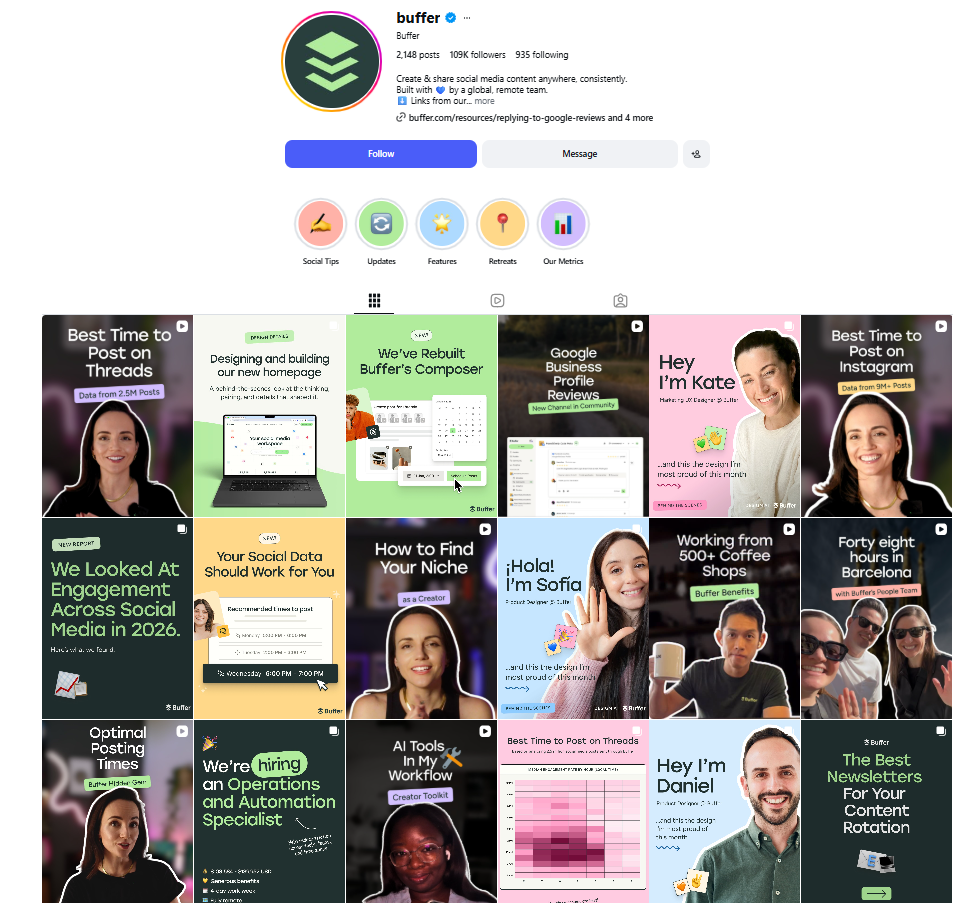
- Consistency is Key: Regular posting signals to Instagram that an account is active and provides fresh content. Buffer’s research across over 100,000 users shows consistent posters receive nearly five times more engagement per post. Finding a sustainable schedule (e.g., daily or three high-quality posts weekly) is more effective than sporadic bursts.
- Prioritize Original Content: Instagram rewards unique content. Whether it’s a personal snapshot or a detailed tutorial, content that originates from your account is favored over reposted or aggregated material.
- Embrace New Features: Instagram often gives prominence to its latest features (e.g., Stories, Reels). While this doesn’t guarantee algorithmic preference for the content type, it does provide prime visibility within the app, encouraging adoption.
- Vary Post Types: Diversifying content formats—single images, carousels, Reels, Stories, Live videos—broadens reach across different algorithmic pathways and facilitates content repurposing. A Reel can become a carousel, or a feed post can be reshared in Stories with added context.
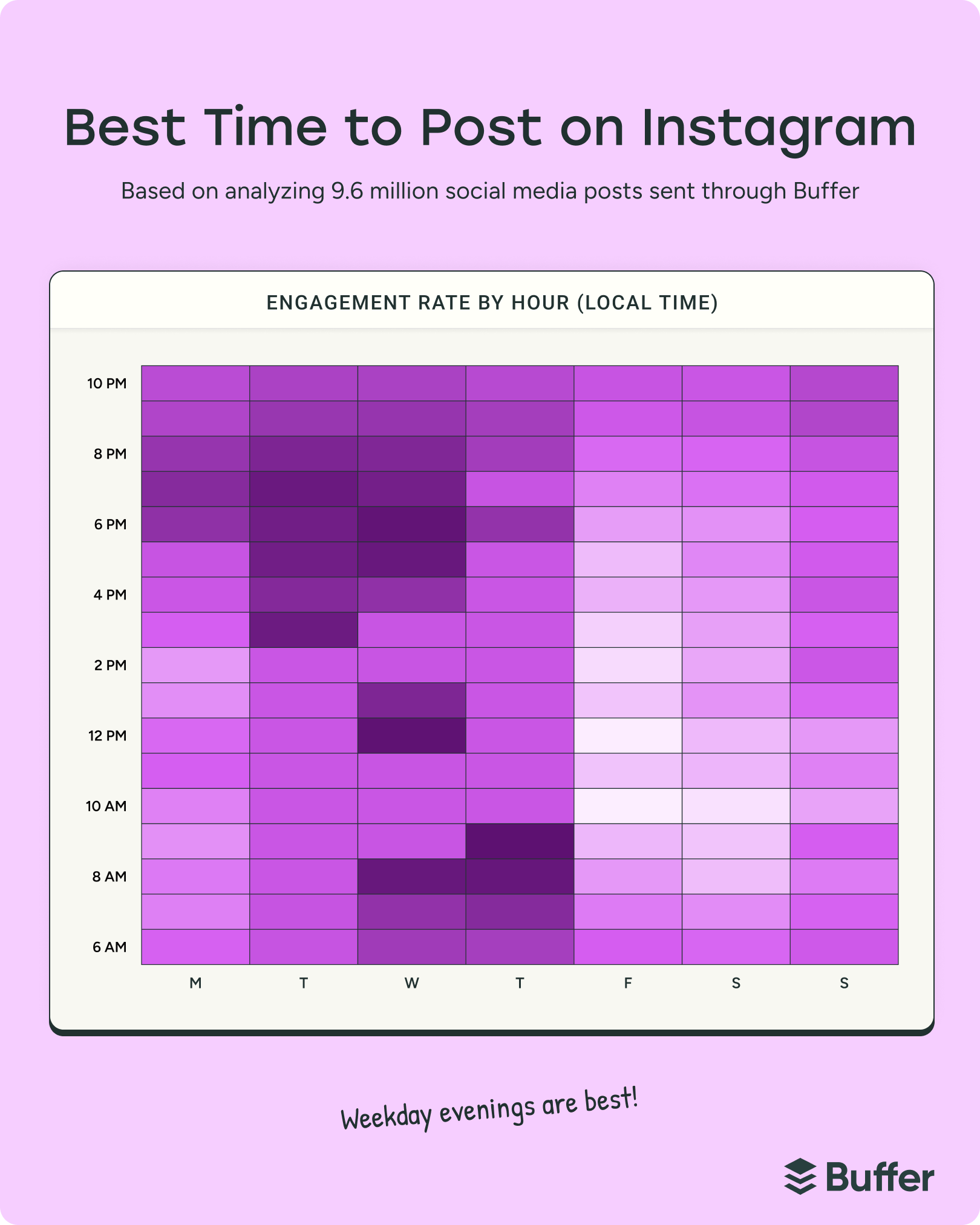
- Strategize Posting Times: While general "best times" exist (e.g., Buffer’s analysis points to Wednesday and Thursday afternoons), individual Instagram Insights offer personalized data on when followers are most active. Leveraging this data optimizes initial engagement.
- Refine Keyword and Hashtag Strategy: With hashtags losing some algorithmic weight (Instagram removed the ability to follow hashtags in late 2024), focus has shifted to relevant keywords in captions and profiles to aid search discoverability. While hashtags still function for search, a concise selection of 3-5 relevant tags is more effective than a high volume.
- Foster Authentic Engagement: Instagram’s algorithms reward genuine interaction. Actively responding to comments and direct messages, utilizing interactive Story stickers, and even implementing strategies like the "5-3-1 rule" (liking 5 posts, commenting on 3, following 1 new account for every post you share) builds community and signals active participation.
- Utilize Analytics for Insights: Instagram Insights and third-party tools like Buffer’s analytics provide invaluable data on top-performing posts, engagement rates, and audience demographics. Analyzing this data allows creators to identify content themes, formats, and topics that resonate most with their audience, informing future strategy.
Conclusion: Prioritizing User Experience for Algorithmic Success
Ultimately, Instagram’s algorithms are designed to deliver a superior user experience, ensuring individuals see content they are most likely to enjoy and engage with. For creators and businesses, this translates into a clear directive: focus on authenticity, transparency, and consistently producing compelling, relevant content that genuinely connects with your target audience. Attempting to "game the system" offers only fleeting advantages. Long-term success on Instagram hinges on building a loyal, engaged community through valuable content, making algorithm updates less a source of anxiety and more an opportunity for intelligent adaptation. As Instagram’s Creators account affirms, "Authenticity and transparency are key to building sustainable engagement."
Frequently Asked Questions About the Instagram Algorithm
What is the Instagram algorithm?
The Instagram algorithm refers to a suite of AI systems that collaboratively determine the content users see across various sections of the app: the main Feed, Explore page, Reels, and Stories. Each system uses thousands of signals to learn individual user interests and preferences, curating a personalized content experience.
How can I improve my reach with the Instagram algorithm?
To improve reach, focus on best practices such as consistent posting across diverse content formats (Reels, Stories, carousels), actively engaging with your audience through comments and DMs, strategically using trending audio and relevant keywords, and regularly analyzing your performance data to refine your content strategy.
Do the Instagram algorithms prefer videos?
No, Instagram does not inherently prefer videos over other content formats. The ranking depends on how individual users typically engage. If a user frequently watches and shares videos, they will see more videos. If they interact more with photos, they will see more photos. Videos often achieve broader reach because they tend to elicit higher engagement (watches, shares) from the general user base, as confirmed by Buffer’s analysis of over 4 million Instagram posts, which found video performing best, followed by carousels, then images.
Does posting too frequently impact ranking?
Yes, posting too many pieces of content consecutively can potentially lead Instagram to hide some posts to maintain a balanced user feed. It is advisable to space out your posts by several hours or across different days to allow each piece of content to accrue individual engagement, rather than overwhelming your audience. Instagram itself recommends spreading out posts.
Are business, creator, and personal accounts ranked differently by the algorithm?
No. Instagram’s algorithm prioritizes content based on engagement and relevance, not account type. As reported by TechCrunch, Instagram does not grant additional feed presence to personal or business accounts, meaning switching account types will not inherently improve your reach.
Will posting Instagram Stories or live videos affect ranking?
Posting Instagram Stories or conducting live videos does not directly impact how your content ranks within the main feed. However, diversifying your content across various formats increases the likelihood of your content appearing in more places across the app, thereby boosting overall visibility and engagement opportunities.
What is the 5-3-1 rule on Instagram?
The 5-3-1 rule is an engagement strategy designed to foster more human and connected interactions. For every one post you share, you commit to liking five other posts, commenting on three, and following one new relevant account. This routine encourages thoughtful interaction and helps increase your brand’s discoverability.
What is the 3-second rule on Instagram?
The 3-second rule on Instagram, particularly for Reels, refers to the critical initial three seconds of a video. This brief window is crucial for "hooking" the viewer and determining whether they continue watching or scroll away. A strong visual, a clear headline, or an engaging opening statement is essential to capture attention within this timeframe.