rifanmuazin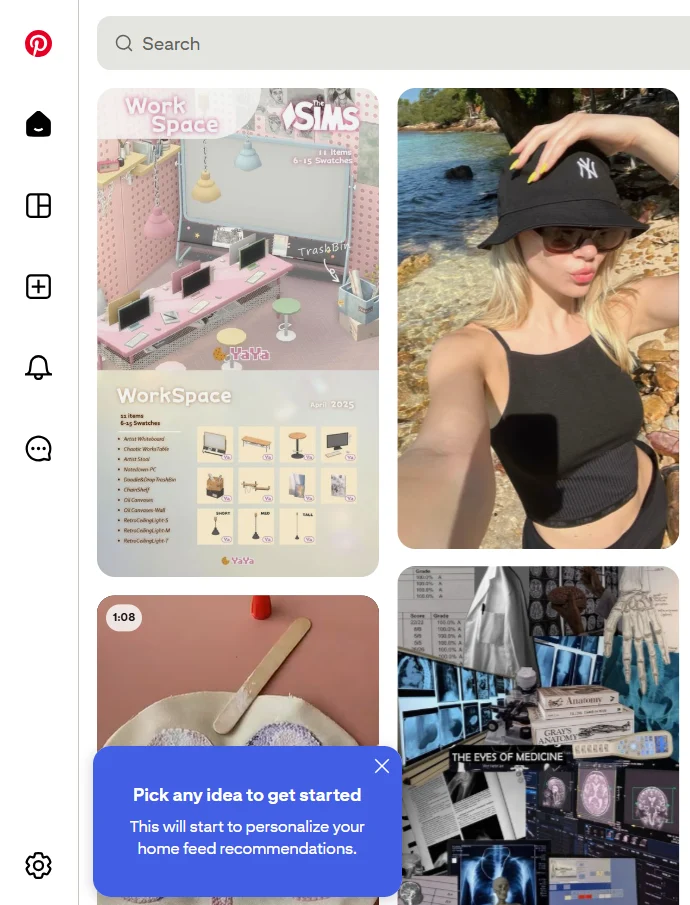
Pinterest has solidified its position as a unique and indispensable platform within the expansive digital landscape, transcending the conventional definitions of social media. While contemporary platforms like TikTok thrive on ephemeral trends and Instagram on curated visual feeds, Pinterest distinguishes itself as a robust visual search engine, a digital repository for inspiration and actionable planning. Its enduring appeal lies in its capacity to serve as a constant source of ideas, irrespective of a user’s life stage or specific needs, making it a platform many users find themselves consistently returning to, even when taking breaks from other major digital channels.

Users frequently engage with the platform by initiating specific queries, such as "living room decor," "capsule wardrobe," or "productivity tools," indicative of their direct intent to find solutions or inspiration. This intent-driven engagement sets Pinterest apart, aligning it more closely with search engines than with purely social networks. The platform’s utility spans personal aspiration, practical application, and commercial discovery, making it a powerful tool for individuals and a strategic asset for businesses.
The Evolution of Visual Search: Pinterest’s Journey

Launched in March 2010, Pinterest quickly carved out a niche by offering a novel approach to online content discovery. Conceived by Ben Silbermann, Paul Sciarra, and Evan Sharp, the platform aimed to help users "collect things you love" from around the web. Unlike traditional social media, where the emphasis is on real-time updates and interpersonal connections, Pinterest fostered an environment centered on visual curation and future planning. This foundational philosophy—that users come to Pinterest with an active mindset of discovery and intention—has been key to its sustained growth and unique market position.
Over the years, Pinterest has evolved from a simple bookmarking site to a sophisticated visual discovery engine, incorporating advanced algorithms to personalize content feeds and enhance search capabilities. Its consistent focus on high-quality visual content and user-generated collections has allowed it to build a loyal user base that values utility and inspiration above fleeting social interactions. This evolution underscores a broader shift in how individuals consume and engage with digital content, prioritizing actionable ideas and solutions.
Demographics and Engagement: Understanding the Pinner
The scale of Pinterest’s influence is significant, boasting 619 million global active users, positioning it among the world’s most popular social networking platforms. However, it is the nature of user engagement that truly distinguishes Pinterest. According to a comprehensive 2024 report by DataReportal, a remarkable 36.6% of active users are on the app specifically to follow or research brands and products. This statistic underscores a crucial difference: Pinterest users exhibit a high intent to purchase, making the platform a potent channel for commercial activity.
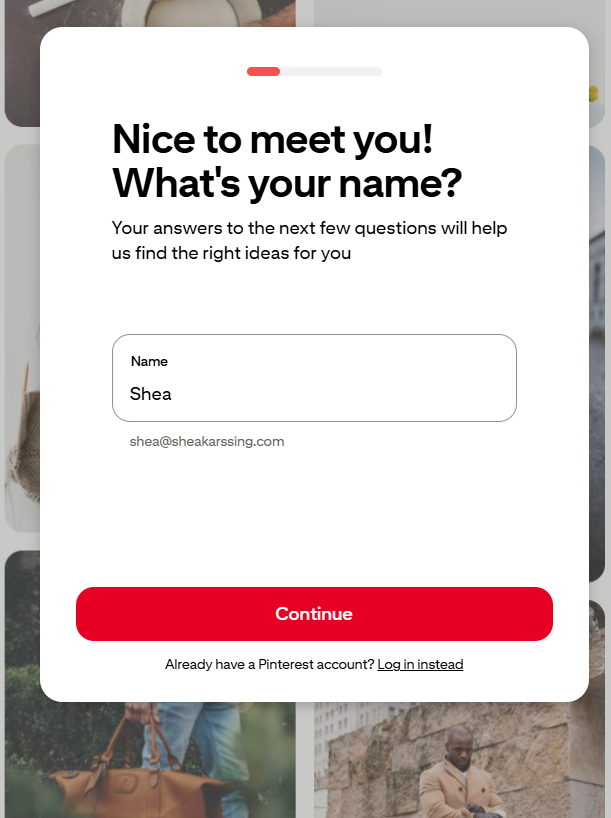
Heather Farris, a Pinterest marketing expert and agency owner, succinctly describes Pinterest as the "baby" of Google Images and Instagram, a hybrid that combines visual discovery with search functionality. This blend cultivates a unique user demographic: "Pinners are also planners," Farris notes, highlighting their meticulous approach to organizing curated boards for future reference. This forward-looking behavior translates directly into commercial value, as users are actively seeking products, services, and ideas to implement in their lives, often culminating in purchases. Data from Pinterest itself supports this, indicating that over 85% of users have made a purchase based on pins from brands, illustrating the platform’s direct impact on consumer spending.
Beyond Social: Pinterest as a Strategic Marketing Asset
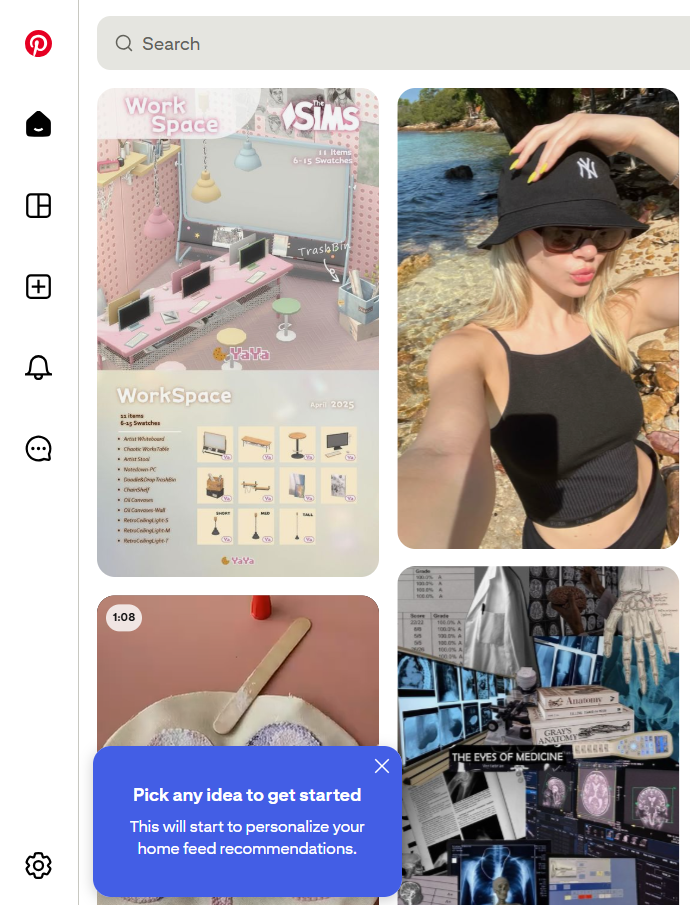
For businesses and creators seeking to monetize their offerings, integrating Pinterest into their marketing efforts is not merely advisable but increasingly essential. The platform serves as a powerful marketing tool for reaching new audiences, driving traffic, increasing brand awareness, and ultimately boosting sales. Its efficacy stems from several core advantages that differentiate it from other social media channels.
One significant benefit lies in Pinterest’s algorithm, which operates more like a search engine than a conventional social feed. This means content discoverability is not solely dependent on recent activity or follower count. Users do not need to follow a particular account to encounter its content, nor do pins need to be newly published to gain traction. As Farris explains, "They can simply search for something, and if you’ve done your research and optimizations correctly, you have the chance to show up right when they search for you." This "evergreen" quality of content is a game-changer for marketers. Unlike the transient nature of posts on platforms like TikTok or Instagram, where engagement typically peaks within 24-48 hours, Pinterest content can continue to accrue impressions and drive traffic months, or even years, after its initial publication. Farris attests to this longevity, stating, "I have personally made pins for my brands that, five, six, or seven years later, are still bringing people to my website." This long-term return on investment positions Pinterest as a sustainable engine for lead generation and brand visibility.
Furthermore, Pinterest users are noted for their higher intent to purchase and often spend more money per transaction compared to users on other platforms. This makes Pinterest an invaluable resource for businesses operating in visual, aspirational, or how-to niches, including categories such as home decor, fashion, beauty, food, travel, DIY, and education. The platform serves as a direct conduit to consumers who are actively in a discovery and planning phase, making it fertile ground for converting interest into sales.
Optimizing Presence: Strategies for Businesses and Creators
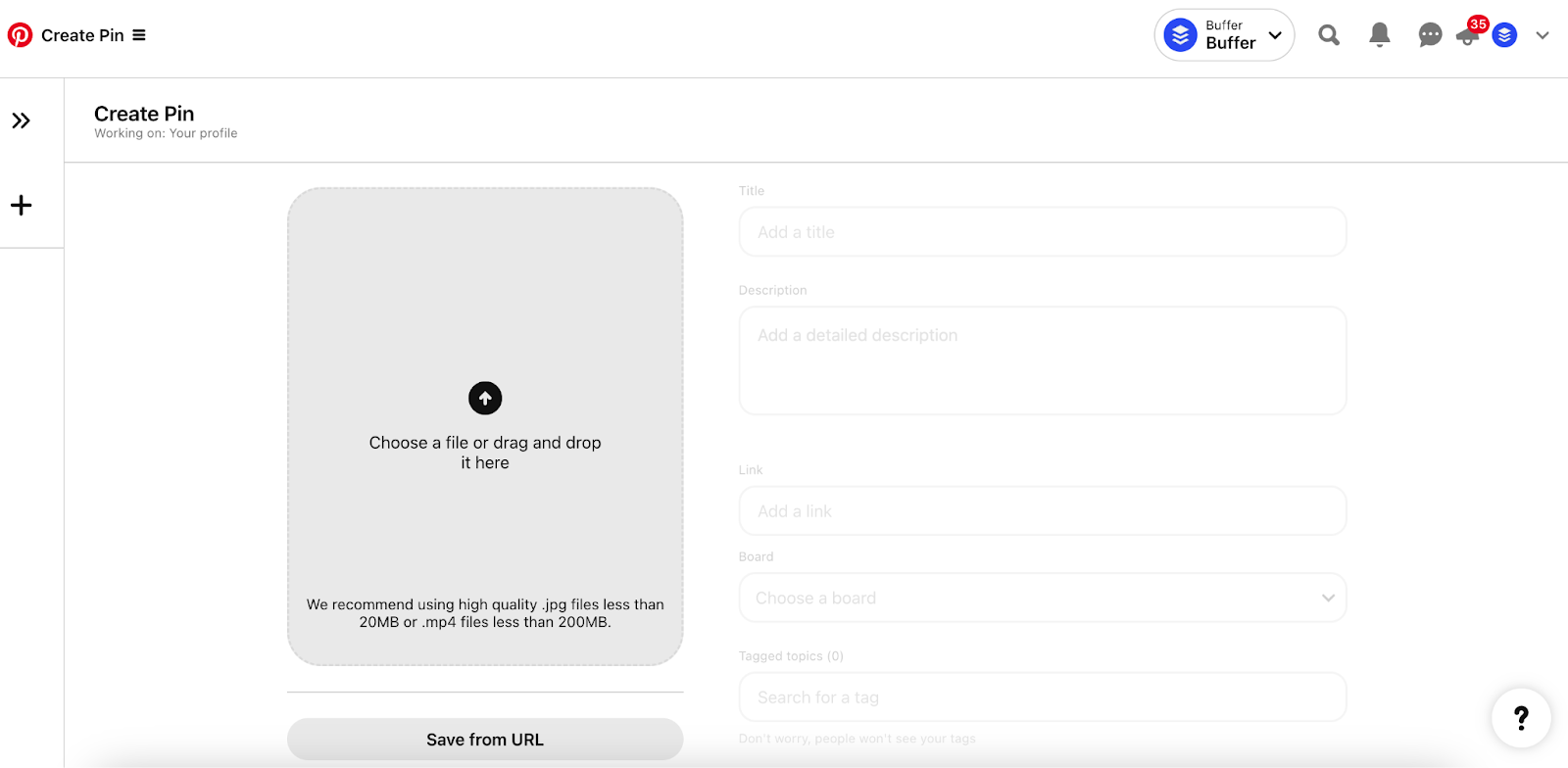
Establishing an effective presence on Pinterest requires a strategic approach that leverages the platform’s unique characteristics. For businesses and creators, this involves a series of best practices designed to maximize discoverability, engagement, and conversion.
-
Optimizing the Profile: A foundational step is to ensure a fully optimized profile. This includes maintaining consistency in business name, profile picture, username, and description across all digital platforms. A complete and professional profile enhances credibility and discoverability, signaling to users the brand’s authenticity and focus.

-
Niche Targeting: Like many successful digital strategies, focusing on a narrow, highly engaged niche yields superior results. Pinterest’s algorithm favors consistent content within specific niches, positioning creators and businesses as authoritative sources of information and inspiration. This targeted approach fosters a loyal audience more likely to engage and convert.
-
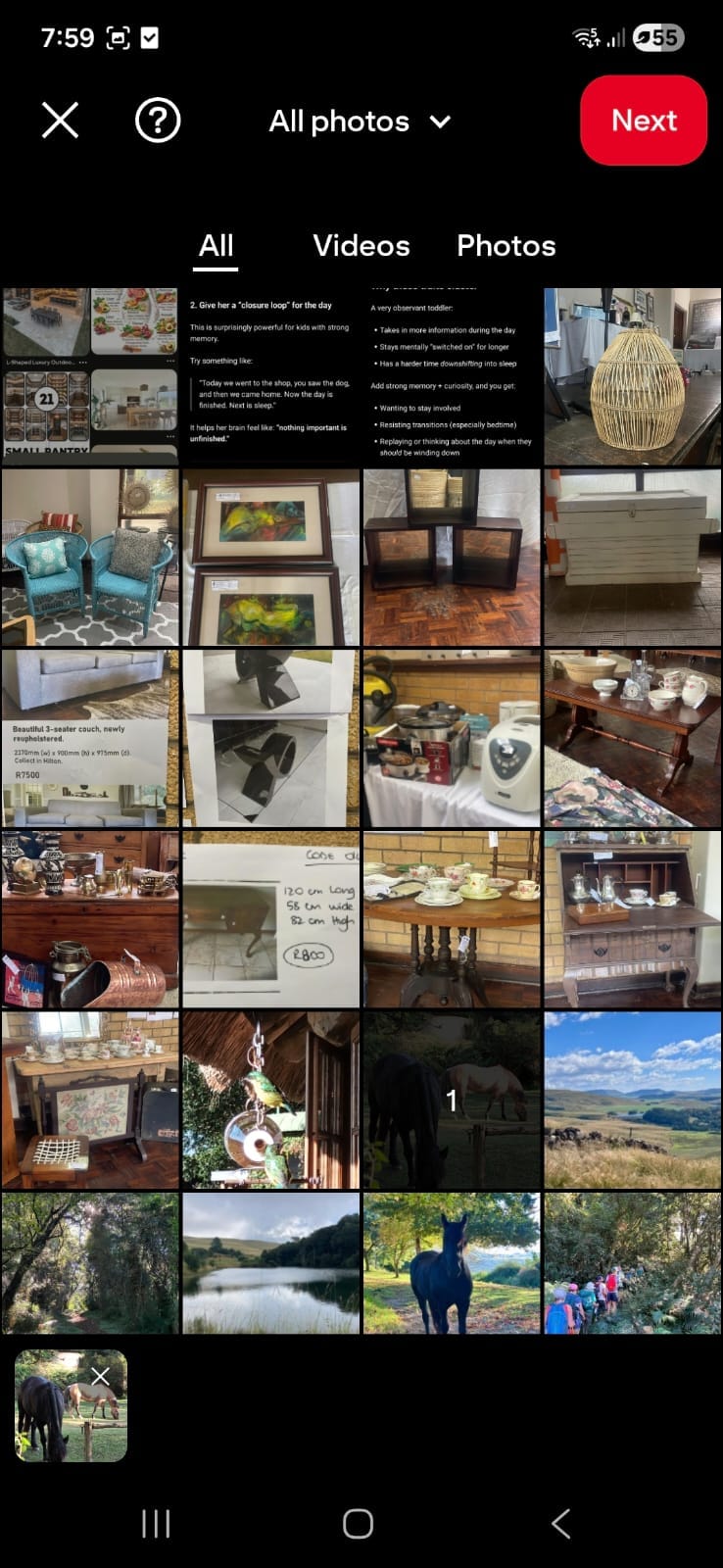
Visual Dominance: Image and Video Best Practices: As a visual-first platform, the quality and presentation of images are paramount. Eye-catching, uncluttered, high-quality visuals that are on-brand are crucial for standing out in busy feeds. Given that many users access Pinterest via mobile, legibility and clarity on smaller screens are vital. Video content is increasingly important; research indicates that videos often achieve higher engagement rates than static images on Pinterest. For optimal performance, videos should be designed for mobile in square or portrait formats, with shorter videos ideal for discovery and longer ones for tutorials. The recommended aspect ratio for pins is 2:3 (e.g., 600 x 900 pixels), though square pins (600 x 600 pixels) also perform well, as vertical formats occupy more screen real estate in the column-based feed. Adding concise text overlays can provide additional context when images alone are insufficient, but visual clutter should be avoided.
-
The Power of Keywords: Pinterest SEO: Effective use of keywords is indispensable for a sustainable, long-term Pinterest presence. Given Pinterest’s function as a visual search engine, keywords in pin titles, descriptions, and board titles are far more impactful than hashtags. Marketers should consider user search intent, identifying the specific words and phrases potential customers are likely to use. Pinterest’s internal search function offers valuable insights into related search terms and popular guides, aiding in keyword research. While keyword integration is crucial, "keyword stuffing" should be avoided to maintain a natural, engaging tone that appeals to both the algorithm and the human user.
-
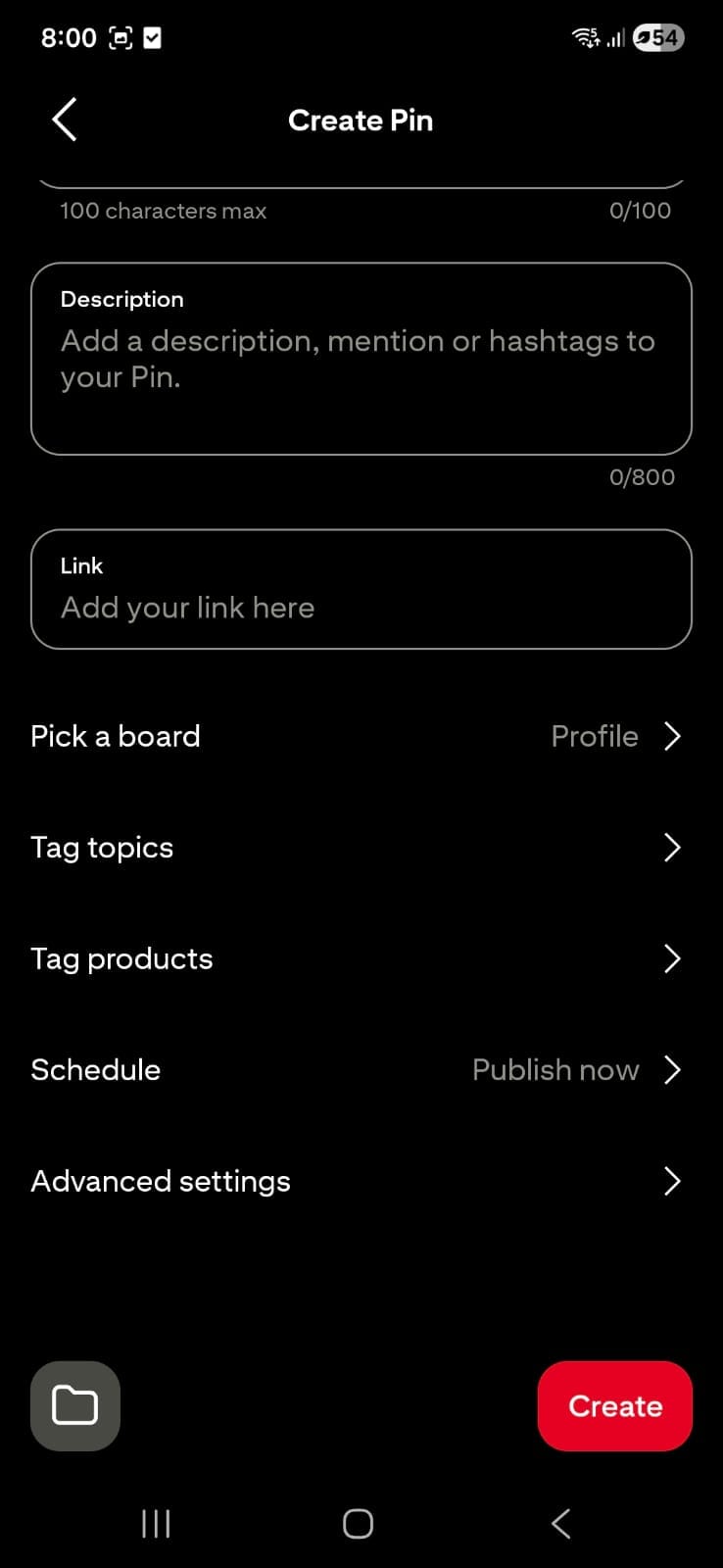
Strategic Linking and Trend Anticipation: Every pin should include a relevant outbound link, directing users to the source material, whether it’s an external website, blog post, or product page. This fulfills user expectations for further information and directly drives traffic. Strong calls to action (CTAs) such as "shop," "make," "find," or "buy" further encourage clicks. Additionally, anticipating trends is key; Pinterest users are often planners, searching for seasonal content well in advance of holidays or events. Businesses should strategically publish content ahead of these cycles to capture early interest.
-
Content Repurposing with Purpose: While repurposing content from other platforms can be efficient, it must be done strategically. Heather Farris emphasizes "repurposing with purpose," which means removing watermarks from other platforms and ensuring no copyrighted music is used. Adapting content specifically for Pinterest’s visual and search-driven environment will yield better results than simply cross-posting raw material.
Account Types and Analytics: Tools for Strategic Growth
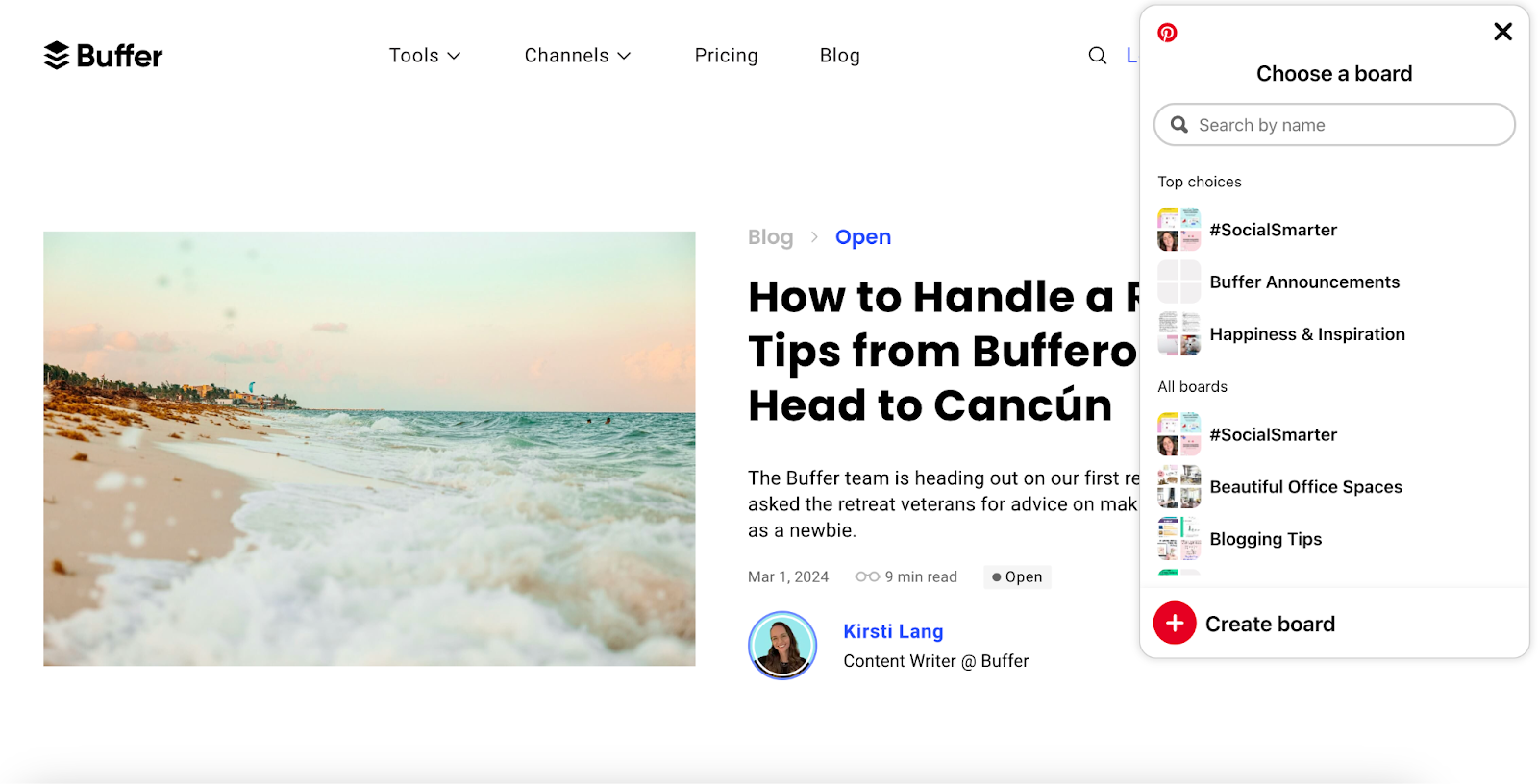
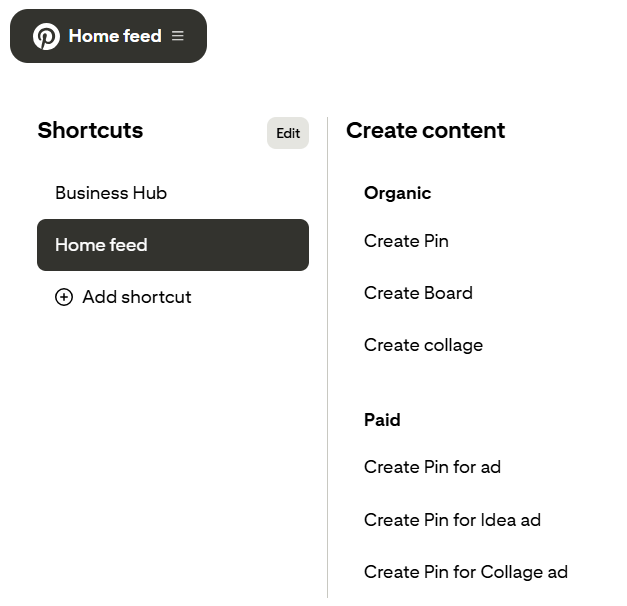
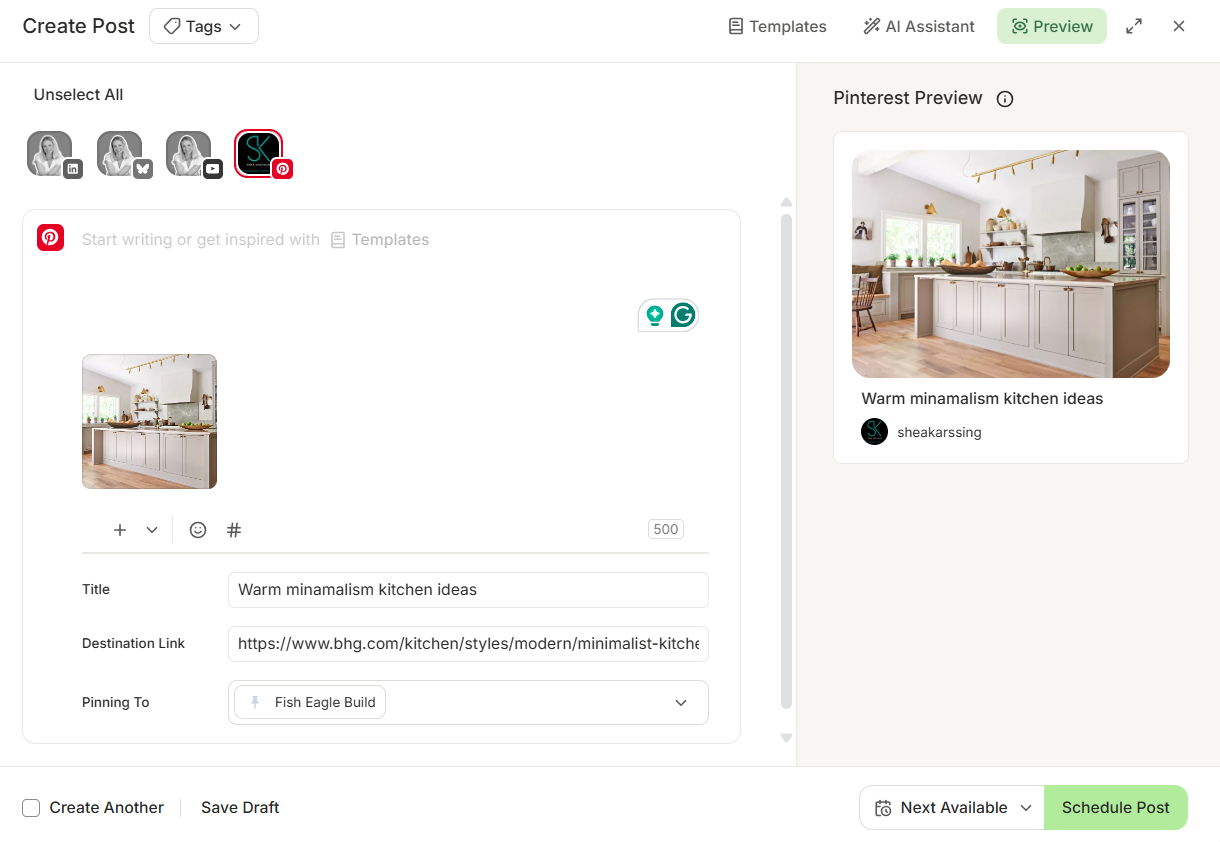
Pinterest offers both personal and business accounts, with distinct features tailored to their respective users. While both allow for the creation of pins and boards, business accounts unlock a suite of powerful tools essential for creators, marketers, and enterprises. These include Pinterest Analytics, which provides comprehensive data on content performance; various advertising options (idea ads, video ads, carousels, collection ads); product catalogs for e-commerce integration; and access to the Pinterest Business Hub/Creator Hub for enhanced management and resources. This distinction underscores Pinterest’s commitment to supporting commercial activity on its platform. Businesses can seamlessly convert a personal account to a business one or link a business account to an existing personal profile, offering flexibility.
For businesses, Pinterest Analytics is a critical resource for understanding content resonance and optimizing strategy. Key metrics include impressions (reach), pin clicks (initial engagement), saves (user intent to revisit), and outbound clicks (traffic driven to external sites). Heather Farris prioritizes these metrics in that order, emphasizing that without initial impressions and pin clicks, subsequent conversions are impossible. Analyzing these data points allows businesses to refine their content, keyword strategy, and overall approach to better serve their audience and achieve marketing objectives.
The Long Game: Sustained Impact and Future Outlook
Pinterest’s operational model emphasizes sustained engagement and long-term value, setting it apart from the rapid-fire content cycles of many contemporary social networks. Growth on Pinterest is a marathon, not a sprint, with content continuing to gain traction for months or even years after publication. This longevity is a welcome attribute for marketers and creators, offering a durable platform for their content to be discovered by users actively seeking inspiration and solutions.
The platform’s future appears robust, driven by its unique positioning as a visual discovery engine with high user purchase intent. As e-commerce continues to integrate more deeply with digital content, Pinterest is well-placed to capitalize on trends in visual search, personalized recommendations, and shoppable content. By consistently adhering to best practices in content creation, SEO, and strategic planning, businesses and creators can leverage Pinterest not just as a marketing channel, but as a fundamental component of their long-term digital strategy, yielding sustained traffic, brand loyalty, and commercial success.