Muhammad Hendra
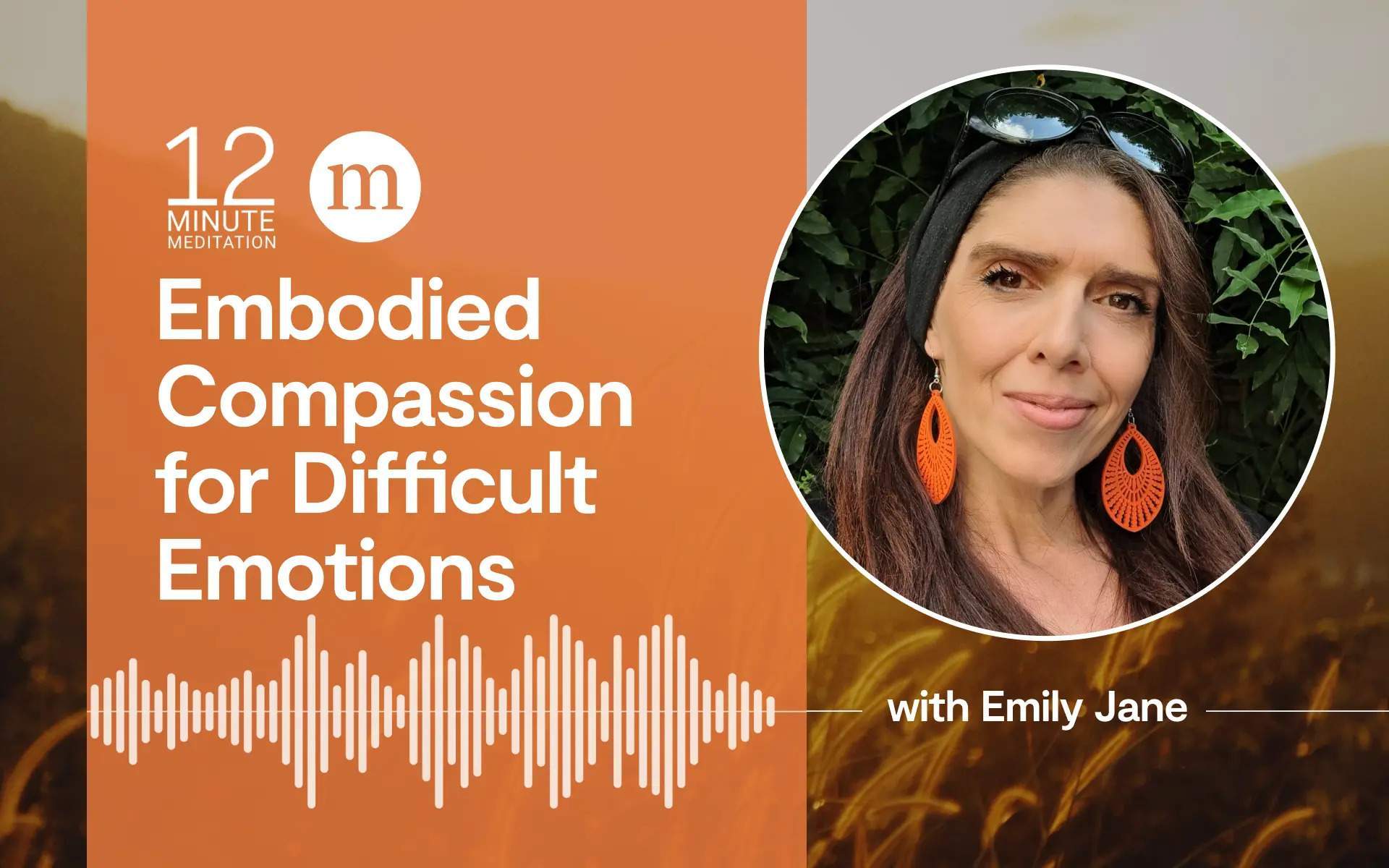
In a significant contribution to accessible mental wellness resources, recovery coach and author Emily Jane has introduced a new guided meditation designed to foster courage and compassion when confronting overwhelming, painful, or distressing emotions. The practice, titled "Embodied Compassion for Difficult Emotions," addresses a fundamental challenge in emotional regulation: the pervasive human tendency to resist or repress uncomfortable feelings, and the often counterintuitive but ultimately more beneficial approach of acceptance. This innovative meditation aims to equip individuals with practical tools to cultivate presence and self-kindness, particularly during moments of emotional turmoil.
The Foundational Principle: Embracing Rather Than Resisting Emotions
At the heart of Emily Jane’s new meditation lies a core tenet of mindfulness practice: the notion that accepting emotions, rather than resisting them, ultimately leads to greater psychological well-being. This principle, while widely recognized within contemplative traditions and contemporary psychology, often proves challenging for individuals, especially when faced with emotions perceived as intensely painful, confusing, or frightening. The innate human response to discomfort frequently involves an urge to push it away, suppress it, or distract oneself from it. However, as numerous studies and clinical observations have consistently shown, this resistance can paradoxically amplify distress, perpetuating cycles of suffering and often leading to maladaptive coping mechanisms.
Psychological research into emotional regulation highlights that emotional avoidance, a common form of resistance, is strongly linked to various mental health challenges, including anxiety disorders, depression, and substance abuse. For instance, a 2018 meta-analysis published in the Journal of Affective Disorders found a significant correlation between experiential avoidance and symptoms of depression and anxiety across diverse populations. When individuals actively try to avoid or suppress their emotions, these feelings often intensify, resurface more frequently, or manifest in physical symptoms, creating a vicious cycle of avoidance and increased discomfort. Emily Jane’s meditation directly confronts this cycle by guiding participants towards a compassionate engagement with their internal landscape, inviting a shift from avoidance to acceptance.
Emily Jane’s Professional Journey and the Genesis of Embodied Compassion
Emily Jane’s unique blend of professional expertise and lived experience forms the bedrock of her compassionate approach. As a mindfulness teacher, certified Embodied Processing (EP) practitioner, and recovery coach, her work is deeply informed by a background in social work. Crucially, her personal journey includes over eight years in recovery, following two decades of active addiction. This profound lived experience is not merely a biographical detail but the very fuel for her passion in helping others heal, providing her with invaluable insight into the complexities of emotional dysregulation, trauma, and the arduous path to recovery.
Her approach, detailed in her book Beyond Addiction: A Mindful Guide to Recovery, is distinctly trauma-informed and emphasizes compassion as a cornerstone of healing. She integrates mindfulness, coaching, trauma therapy, and somatic tools to facilitate a holistic recovery journey, enabling individuals to reconnect with their bodies, establish a sense of safety, find peace, and cultivate empowerment. The "Embodied Compassion for Difficult Emotions" meditation is a direct manifestation of this integrated philosophy, providing a practical application of these principles. It acknowledges that difficult emotions are not just psychological phenomena but are often deeply intertwined with bodily sensations and stored experiences, requiring an embodied approach to processing and healing.
The Meditation Practice: A Step-by-Step Guide to Presence
The "Embodied Compassion for Difficult Emotions" meditation offers a structured yet gentle pathway to engaging with inner turmoil. The practice begins with an invitation to mindful awareness, a foundational step in all mindfulness practices where attention is directed to the present moment without judgment. This initial phase helps ground the individual, creating a stable platform from which to explore more challenging internal experiences. Participants are encouraged to notice their breath, bodily sensations, and the ambient environment, fostering a sense of rootedness before delving into potentially uncomfortable emotions.
Following this grounding, the meditation gently transitions towards an exploration of emotions, sensations, and parts of oneself that might typically be avoided or wished away. Emily Jane frames this engagement with a powerful metaphor: inviting these uncomfortable emotions in and sitting with them "like an old friend." This analogy is critical, as it reframes the relationship with difficult feelings from one of adversary to one of compassionate companion. It suggests that even the most distressing emotions hold valuable information or represent unmet needs, and by approaching them with kindness and curiosity, one can begin to understand and integrate them rather than being overwhelmed by them.
The practice emphasizes bringing curiosity, courage, and compassion to these difficult experiences. Curiosity encourages an investigative, non-judgmental stance, asking "What is this feeling?" or "Where do I feel this in my body?" rather than immediately reacting with aversion. Courage is required to stay present with discomfort, resisting the urge to flee or suppress. Compassion, perhaps the most transformative element, involves extending kindness and understanding to oneself for experiencing these difficult emotions, recognizing their universality in the human experience. This multi-faceted approach aims to gently shift the individual’s relationship with uncomfortable emotions, creating space for them to be felt, acknowledged, and ultimately, to dissipate or transform without causing additional suffering through resistance.
The Broader Context: Mindfulness and Acceptance in Modern Wellness
The introduction of Emily Jane’s meditation arrives at a time when mindfulness-based interventions (MBIs) are increasingly recognized and adopted across various sectors of health and wellness. The past two decades have witnessed a significant surge in research validating the efficacy of mindfulness for a wide range of conditions, from chronic stress and anxiety to depression, pain management, and addiction recovery. Institutions like the National Institutes of Health (NIH) and the American Psychological Association (APA) acknowledge the therapeutic benefits of mindfulness, leading to its integration into clinical settings, corporate wellness programs, and educational curricula.
Supporting data consistently demonstrates the positive impact of mindfulness. For example, a 2014 meta-analysis published in JAMA Internal Medicine reviewed 47 trials with over 3,500 participants and concluded that mindfulness meditation programs can modestly improve anxiety, depression, and pain. Specifically for addiction recovery, studies have shown that mindfulness-based relapse prevention (MBRP) programs can significantly reduce relapse rates by enhancing emotional regulation skills and fostering a non-judgmental awareness of cravings and triggers. Emily Jane’s work builds upon this robust body of evidence, offering a specific application focused on the critical aspect of emotional acceptance.
The concept of "Embodied Processing," which Emily Jane is certified in, further enriches this approach. Embodied Processing (EP) is a somatic-based therapy that helps individuals process trauma and difficult emotions by focusing on how these experiences manifest in the body. It recognizes that trauma and stress are not just mental events but are stored in the nervous system and can lead to physical sensations, tension, or chronic pain. By gently bringing awareness to these bodily sensations and allowing them to be felt and processed, EP facilitates a release and integration of previously stuck emotional energy. This integration of somatic awareness into her meditation practice ensures a holistic engagement with difficult emotions, addressing both their psychological and physiological dimensions.
Implications and Future Directions
The availability of accessible resources like Emily Jane’s guided meditation holds significant implications for individual well-being and the broader landscape of mental health support. In an era marked by heightened stress, digital overload, and a collective yearning for effective coping mechanisms, tools that empower self-regulation and emotional resilience are invaluable. The meditation’s online accessibility, whether through guided audio or a script, ensures that individuals can access support anytime, anywhere, fostering a sense of agency in their recovery and emotional health journey.
This initiative also reflects a growing trend towards preventative mental health strategies and self-care practices. Rather than solely relying on crisis intervention, there is an increasing societal emphasis on building emotional intelligence and resilience proactively. Emily Jane’s work aligns perfectly with this paradigm shift, offering a method to cultivate these crucial skills before emotions become overwhelming. Her unique position as someone with lived experience in recovery also lends profound authenticity and relatability to her guidance, making her work particularly impactful for those navigating similar struggles.
The enduring challenge in mental health remains the stigma associated with seeking help and the practical barriers to accessing professional support. Resources like this meditation can serve as a bridge, offering an entry point for individuals to begin engaging with their emotional landscape in a safe and structured way. While not a substitute for professional therapy, it complements traditional treatments by empowering individuals with self-management techniques.
Looking ahead, the continued development and dissemination of such compassionate, evidence-informed practices will be critical in fostering a more emotionally literate and resilient society. Emily Jane’s "Embodied Compassion for Difficult Emotions" meditation stands as a testament to the power of integrating personal wisdom with professional expertise to create impactful tools for healing and growth. Her work at Holistic Recovery (holisticrecovery.co.uk) continues to expand, reaching a wider audience seeking an integrated, compassionate path to well-being, underscoring the universal need for courage and compassion in navigating the complexities of the human emotional experience. The reception from mental health professionals and the public alike is expected to be overwhelmingly positive, given the established efficacy of mindfulness and the critical need for practical emotional regulation tools in today’s demanding world.