Muhammad Hendra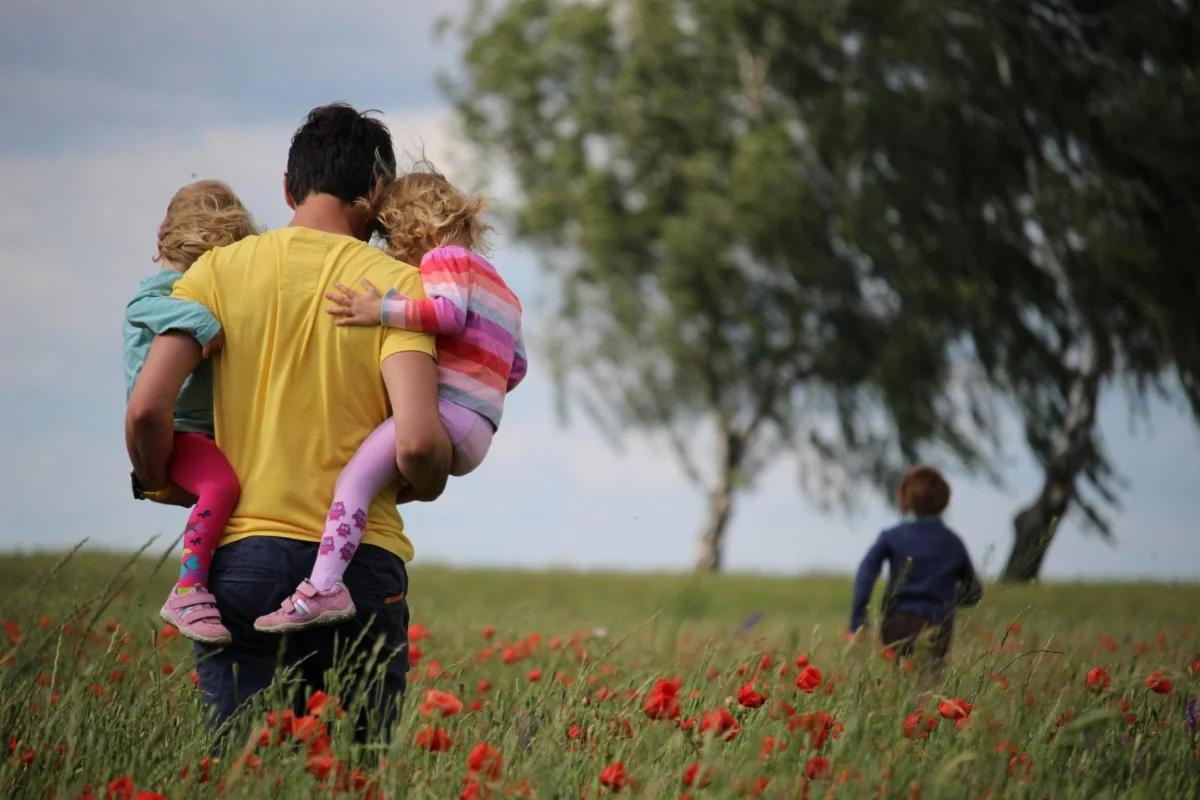
On a recent Mother’s Day, a scene unfolded at a local garden center that illuminated profound connections between nature, caregiving, and evolving societal roles. Amidst rows of vibrant flora, an observer noted numerous mothers, including herself, choosing to spend the holiday immersed in the therapeutic act of selecting and planting. One mother, beaming with her children, articulated a sentiment shared by many: the garden was her "happy place." Her genuine delight was infectious, inspiring her children to eagerly identify their favorite blooms and inquire about taking plants home. This recurring tableau—moms seeking and finding solace and joy among teeming plant life—prompted a reflective query: would the same vibrant scene of purposeful engagement characterize the garden center a few weeks later, when Father’s Day arrived? The hope was that it would, signaling a broader cultural embrace of nurturing roles for all parents.
The Unseen Labor of Nurturing: Gardening as a Metaphor for Care Work
The parallels between gardening and care work are extensive and deeply insightful. Anyone who has dedicated an afternoon to weeding understands the often thankless, yet essential, nature of the task. Nurturing a delicate seed into its fullest expression demands a complex blend of patience, unwavering consistency, resilience in the face of environmental challenges, persistent hope, and a measure of good fortune. These attributes mirror the core demands of raising children, where immediate gratification is often secondary to long-term development.
Parenting, an adage suggests, frequently involves more "joy-fun" than "fun-fun," implying a deeply rewarding and fulfilling experience that doesn’t always deliver instant pleasure. This holds true in the garden. A fig tree seedling does not immediately bear succulent fruit; an asparagus plant, a long-term investment, requires three years to establish its root system and mature before yielding a harvest. Both endeavors are testaments to delayed gratification and the profound satisfaction derived from sustained effort and commitment.
Moreover, in both nature and parenthood, awe and beauty proliferate within the process itself, rather than solely at a predetermined end point. This intrinsic appreciation of the journey, rather than just the destination, has significant implications for well-being. Practices that cultivate experiences of awe and an appreciation of beauty have been consistently shown to positively impact mental and emotional health. When individuals are asked about their most recent experience of awe, responses frequently cite moments in nature—a shooting star against an inky sky, the shimmering arc of a rainbow, the discovery of a robin’s perfectly pale blue eggs. Equally common are shared moments with a child: a first tentative step, a dimpled smile, the miracle of birth. These moments, like mental muscles, can be trained for; often, all that is required is a deliberate step outside, or a mindful presence within the daily rhythms of life.
The Horticultural Prescription: Documented Benefits for Well-being
Extensive research consistently demonstrates the positive impact of gardening on overall health and well-being. The simple act of spending time in green spaces has been measurably linked to reduced stress levels. A 2017 study published in Landscape and Urban Planning found that even short exposures to natural environments could significantly lower cortisol levels, a key physiological marker of stress. This effect is often attributed to what is known as "soft fascination"—a diffuse attentional state unique to natural environments. In this state, the brain, freed from immediate task demands, can experience profound relaxation, make novel connections, and restore depleted attentional resources. Many have experienced this phenomenon: a walk in nature often leads to a sudden solution for a previously intractable problem or, less dramatically but equally important, a return to one’s desk feeling refreshed, rejuvenated, and in a significantly better mood.
Parenting, particularly in the modern era, places immense demands on various resources, not least of which is sustained attention. As parental stress and the complexities of contemporary child-rearing continue to escalate, identifying sustainable and accessible practices for stress management becomes increasingly critical. Gardens, whether a small window box or a sprawling backyard, offer a built-in salve, a readily available sanctuary for mental restoration.
Beyond individual restoration, gardening also fosters social connection, tapping into another crucial determinant of happiness and well-being. While gardening can be a quiet, restorative, individual activity, vibrant gardening communities abound. Community Supported Agriculture (CSAs), urban gardens, plant shares, and seed libraries provide platforms for shared passion and collective endeavor, feeding the social brain. Leisure activities that foster social connection have been shown to have a particular impact on happiness, contributing significantly to that "fun-fun" aspect of life. In the context of parenting, a strong social network serves as a critical protective factor for overall health, mitigating feelings of isolation and providing vital support systems.
Shifting Paradigms: The Evolving Role of Fathers in Caregiving
While the therapeutic and social benefits of gardening are universal, its symbolic resonance as an act of nurturing makes it particularly poignant for fathers. Gardening represents an investment in something that requires ongoing care and commitment. It embodies the seriousness of tending to a living thing, reflecting who desires, deserves, and has a duty to care for our environment and our fellow human beings. It speaks to who enjoys cultivating beauty and who possesses the capacity for patience, gentleness, and tenderness—qualities historically, and often exclusively, associated with mothers.
Historically, research on fathers’ experiences of parenthood has been notably sparse, creating a significant knowledge gap. However, recent advancements at the intersection of neuroscience and psychology are beginning to illuminate a more comprehensive understanding of caregiving. Darcy Saxbe’s work, highlighted in her book Dad Brain, reveals that all individuals, not solely biological mothers, are predisposed for caretaking. This predisposition manifests in neural circuitry activated by the act of caretaking itself, independent of, or not solely reliant upon, the experiences of pregnancy and birth.
Groundbreaking studies now confirm that fathers who assume primary caregiver roles experience physiological brain changes strikingly similar to those observed in biological mothers. These changes include measurable shifts in grey matter density and the restructuring of emotional processing centers in the brain. For instance, research published in Cerebral Cortex in 2024 detailed how engaged fathers exhibit increased activity in brain regions associated with empathy, reward, and parental motivation, often accompanied by hormonal shifts like elevated oxytocin levels—the "bonding hormone"—and decreased cortisol. This neural plasticity underscores the profound biological adaptation that occurs when men actively engage in nurturing, challenging the long-held assumption that such changes are exclusive to the maternal experience.
Fathers derive significant meaning and purpose from their caregiving roles. A 2023 study in SAGE Open indicated that the vast majority of fathers report a strong sense of purpose and fulfillment from parenthood. Yet, this increased engagement also brings its own set of challenges. Interestingly, and perhaps predictably, fathers who act as primary caregivers also appear to be more vulnerable to the mental health challenges associated with modern parenthood, including increased stress and, in some cases, paternal postpartum depression. This highlights a critical need for robust support systems and accessible well-being practices for all parents, regardless of gender. Gardening, with its documented benefits for well-being, quality of life, and overall health, emerges as one such invaluable practice. To meaningfully encourage this, society must first acknowledge, and ideally celebrate, fathers’ inherent capacity to nurture, shepherd, and cultivate.
Challenging Stereotypes: Cultivating Nurturing in All Parents
The traditional constructs surrounding parenthood have historically positioned mothers as primary caregivers and nurturers, while fathers were often seen primarily as providers. This cultural narrative has inadvertently limited the perceived scope of fatherhood, often overlooking or devaluing the emotional and developmental contributions fathers make. However, societal norms are shifting, driven by evolving gender roles, increased female participation in the workforce, and a growing recognition of the benefits of shared parenting. Data from the Pew Research Center, for example, shows a steady increase in fathers’ involvement in childcare and household duties over the past few decades, even if disparities still exist.
This evolution in paternal roles necessitates a reevaluation of cultural messaging and traditions. When society takes a father’s role as a caregiver seriously, the benefits extend far beyond individual families. It bolsters support systems for children, providing them with diverse attachment figures and richer developmental experiences. Moreover, it more effectively honors the complexities, challenges, and profound benefits of care work in general, elevating its status from a gender-specific duty to a universal human endeavor.
Holidays like Father’s Day serve as powerful cultural mirrors, reinforcing societal norms and values. While Father’s Day is just one day of the year, its traditions reflect prevailing cultural messages about a father’s role, his needs, desires, and the activities and resources deemed appropriate for him. If society pauses to genuinely consider the values it wishes to cultivate in parents, an activity like gardening offers a compelling pathway. It provides fathers with significant psychological and health benefits, while simultaneously reinforcing their essential, nurturing role within complex networks of care.
Father’s Day and Beyond: Reinforcing a Broader Vision of Care
It is imperative to clarify that there is no singular "right" or "wrong" way to celebrate Father’s Day; indeed, infinite ways exist to craft a meaningful celebration. Regardless of how the day itself is spent, the fundamental act of acknowledging and valuing a father’s role as a caregiver has profound implications. It not only strengthens family units and children’s support systems but also fosters a more comprehensive appreciation for the demanding yet rewarding nature of care work across all contexts.
By intentionally including fathers in rituals, communities, and activities historically associated with mothers—by inviting them into the garden, metaphorically and literally—society can expand its understanding of who desires, deserves, and has a duty to care for living things. This shift is not merely about gender equity; it is about recognizing the universal human capacity for nurturing, fostering holistic well-being for all family members, and cultivating a more compassionate and resilient society. The garden, in its quiet power, offers a fertile ground for this essential cultural evolution.