Muhammad Hendra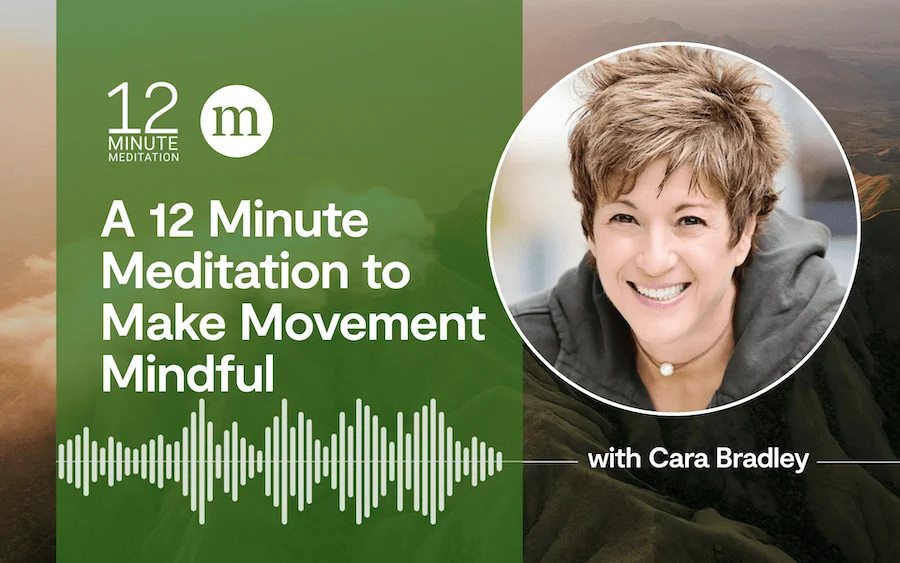
In an era increasingly defined by digital distractions and sedentary lifestyles, the concept of mindful movement emerges as a vital practice for holistic well-being. Today’s prominent teacher, Cara Bradley, champions a transformative perspective: that every action, from the most subtle glance to the most rigorous exercise, holds the potential for profound mindfulness. This simple yet powerful meditation invites individuals to celebrate their inherent physicality, fostering a deeper connection with breath and body, expanding self-awareness, and cultivating a profound appreciation for the gift of being alive. Bradley’s approach offers an accessible pathway to integrate ancient wisdom into contemporary daily life, positioning movement not merely as a physical act but as a continuous opportunity for present-moment awareness.
The Genesis of Mindful Movement: Bridging Ancient Wisdom and Modern Life
The practice of mindful movement, while gaining significant traction in recent years, draws its roots from ancient contemplative traditions, particularly Buddhism. For millennia, practices like walking meditation, tai chi, and yoga have emphasized the integration of physical movement with focused attention on breath and bodily sensations. These traditions understood that the body is not merely a vessel but an integral component of consciousness, and that deliberate movement can serve as a powerful anchor for the mind.
In the Western world, the secularization of mindfulness gained prominence in the late 1970s with the work of Jon Kabat-Zinn, who developed Mindfulness-Based Stress Reduction (MBSR) at the University of Massachusetts Medical School. MBSR introduced formal meditation practices, including body scans and mindful movement exercises, into clinical settings to help patients manage chronic pain and stress. This marked a significant turning point, demonstrating the therapeutic efficacy of mindfulness outside of religious contexts and paving the way for its integration into various fields, including healthcare, education, and sports.
Cara Bradley, with her background as a former professional athlete and a seasoned expert in high-performance and mindfulness, stands as a contemporary proponent of extending this practice beyond formal sessions into the fabric of everyday existence. Her philosophy posits that mindfulness isn’t reserved for quiet retreats or seated meditation cushions but can infuse every waking moment, particularly those involving physical activity. This democratizes mindfulness, making it an ever-present tool for self-regulation and enhanced living, irrespective of one’s athletic prowess or previous meditation experience.
The Science of Embodied Awareness: Supporting Data and Research
The growing body of scientific research overwhelmingly supports the benefits of mindfulness, and specifically mindful movement. Studies utilizing neuroimaging techniques, such as fMRI, have revealed that regular mindfulness practice can lead to measurable changes in brain structure and function. Key areas affected include the prefrontal cortex, associated with attention, decision-making, and emotional regulation; the insula, which plays a crucial role in interoception (the perception of internal bodily states); and the amygdala, involved in processing emotions like fear and anxiety, often showing reduced reactivity.
A meta-analysis published in JAMA Internal Medicine in 2014, reviewing over 47 trials with 3,515 participants, concluded that mindfulness meditation programs can significantly reduce symptoms of anxiety, depression, and pain. While this study primarily focused on formal meditation, the principles extend to mindful movement, where the active engagement of the body provides an additional dimension for grounding attention.
Physiologically, mindful movement has been shown to reduce markers of stress, such as cortisol levels, and improve heart rate variability (HRV), an indicator of autonomic nervous system balance and resilience. A 2017 study in the Journal of Sport and Exercise Psychology highlighted that mindful physical activity can enhance an athlete’s ability to stay focused, manage competitive anxiety, and improve overall performance by fostering a stronger mind-body connection. For the general population, this translates to better stress management, improved sleep quality, and a reduced risk of stress-related illnesses.
Furthermore, mindful movement cultivates enhanced body awareness. In a world where many individuals feel disconnected from their physical selves due to sedentary habits or excessive screen time, this practice helps individuals tune into subtle bodily cues—tension, fatigue, comfort, energy. This heightened interoception is crucial for self-care, injury prevention, and making healthier lifestyle choices. Research from the University of California, San Diego, suggests that increased interoceptive awareness is linked to greater emotional intelligence and self-regulation.
A Chronology of Mindfulness and its Integration into Movement
- Ancient Origins (c. 5th Century BCE – Present): Mindfulness as a core tenet in Buddhist meditation, emphasizing practices like satipatthana (establishment of mindfulness) that include awareness of body, feelings, mind, and phenomena. Walking meditation (e.g., kinhin in Zen) is a foundational mindful movement practice.
- 1960s-1970s: Western Exposure: Increased interest in Eastern philosophies and practices in the West, with figures like Alan Watts and Thich Nhat Hanh introducing mindfulness concepts.
- 1979: Birth of MBSR: Jon Kabat-Zinn establishes the Stress Reduction Clinic at the University of Massachusetts Medical School, launching MBSR, which incorporates mindful movement (yoga, body scan) into a structured secular program.
- 1980s-1990s: Academic Validation: Early research begins to emerge, validating the therapeutic benefits of MBSR for chronic pain and stress.
- 2000s: Mainstream Adoption and Research Boom: Mindfulness gains significant traction. Universities establish mindfulness research centers. Applications expand to mental health treatment (e.g., Mindfulness-Based Cognitive Therapy for depression), education, and corporate wellness.
- 2010s-Present: Mindful Movement’s Ascent: The concept of integrating mindfulness into everyday activities, beyond formal meditation or specific mindful movement disciplines like yoga, becomes more prevalent. Experts like Cara Bradley advocate for infusing all movement with awareness, from daily chores to high-performance activities. Wearable technology and apps emerge to support mindful practices, further democratizing access.
Cara Bradley’s Methodology: Practical Application and Accessible Wisdom
Cara Bradley’s contribution lies in her ability to distill complex mindful principles into immediately applicable practices. Her approach, detailed in the guided meditation script or audio practice, focuses on several core tenets:
- Connecting with the Breath: The breath is the primary anchor for attention. By consciously observing the inhale and exhale, individuals can ground themselves in the present moment, regulating the nervous system and drawing focus away from distracting thoughts. This isn’t about controlling the breath but noticing its natural rhythm and quality.
- Body Scan and Sensory Awareness: The meditation encourages a systematic or intuitive scan of the body, noticing sensations without judgment. This might involve feeling the weight of the feet on the ground, the stretch in a limb, the subtle shifts in posture, or the internal workings of the body. This practice builds interoceptive awareness and helps identify areas of tension or comfort.
- Expanding Awareness: While rooted in internal sensations, mindful movement also encourages an expansion of awareness to the external environment. This means noticing sounds, sights, and even the subtle interplay between one’s body and its surroundings, all while maintaining an internal anchor to breath and sensation. This holistic awareness prevents insularity and fosters a sense of interconnectedness.
- Appreciating the Gift of Being Alive: At its heart, Bradley’s meditation is an invitation to gratitude. By intentionally connecting with the body’s capabilities and the simple act of movement, individuals can cultivate a deeper appreciation for their physical form and the inherent miracle of life itself. This fosters a positive relationship with the body, shifting away from self-criticism towards self-compassion.
This methodology stands apart by emphasizing the simplicity and universality of mindful movement. It doesn’t require specific yoga poses or advanced meditation techniques. It suggests that a mindful approach can be applied to walking, lifting an object, stretching, running, or even the subtle movements of one’s eyes. This makes mindfulness highly accessible and sustainable for anyone, regardless of their physical condition or time constraints.
Expert Reactions and Broader Implications
The integration of mindfulness into movement is lauded by experts across various fields. Dr. Emily Chen, a sports psychologist specializing in performance enhancement, states, "Cara Bradley’s work is crucial because it bridges the gap between mental training and physical execution. Athletes who incorporate mindful movement report not only reduced injury rates due to heightened body awareness but also significant improvements in focus under pressure and faster recovery times."
From a public health perspective, Dr. Robert Davies, a researcher in preventive medicine, notes, "In an age where chronic stress and sedentary lifestyles contribute to a myriad of health issues, promoting mindful movement offers a powerful, low-cost intervention. It encourages physical activity while simultaneously building mental resilience, addressing both the physical and psychological determinants of health."
Neuroscientists also weigh in on the profound implications. Dr. Anya Sharma, a cognitive neuroscientist, explains, "The brain-body connection is undeniable. When we move mindfully, we are actively engaging neural pathways associated with attention, motor control, and emotion regulation. This consistent engagement strengthens these networks, leading to a more integrated and resilient nervous system. Bradley’s approach offers a practical way to cultivate neuroplasticity for everyday well-being."
The broader implications of Cara Bradley’s advocacy for mindful movement are far-reaching:
- Holistic Health and Wellness: It provides a proactive, self-empowering tool for individuals to manage stress, improve physical health, and foster mental clarity, potentially reducing the burden on healthcare systems.
- Enhanced Performance and Productivity: In professional settings, integrating mindful breaks or mindful approaches to tasks can reduce burnout, improve focus, and boost creativity. In education, it can help students manage anxiety and enhance learning capabilities.
- Improved Body Image and Self-Compassion: By fostering an appreciative and non-judgmental relationship with the body, mindful movement can counteract negative body image issues prevalent in society.
- Societal Shift Towards Embodiment: It encourages a cultural shift away from purely intellectual or digitally-focused existence towards a more embodied, present, and sensory-rich experience of life. This could counteract the pervasive sense of disconnection and fragmentation often associated with modern living.
- Accessibility and Inclusivity: Unlike many fitness or wellness trends that require specific equipment or physical prowess, mindful movement can be practiced by anyone, anywhere, regardless of age, ability, or socio-economic status, making well-being practices truly inclusive.
In conclusion, Cara Bradley’s articulation of mindful movement is more than just a technique; it’s a paradigm shift. It redefines our relationship with our bodies and our environment, transforming mundane actions into opportunities for profound self-discovery and appreciation. As society grapples with increasing complexities and demands, the simple yet revolutionary act of making movement mindful offers a powerful, accessible, and scientifically validated path toward greater health, happiness, and presence in the world. The invitation to connect with breath and body, expand awareness, and appreciate the gift of being alive through every motion is a timeless wisdom made urgently relevant for our times.