 Cintya Tara Annisa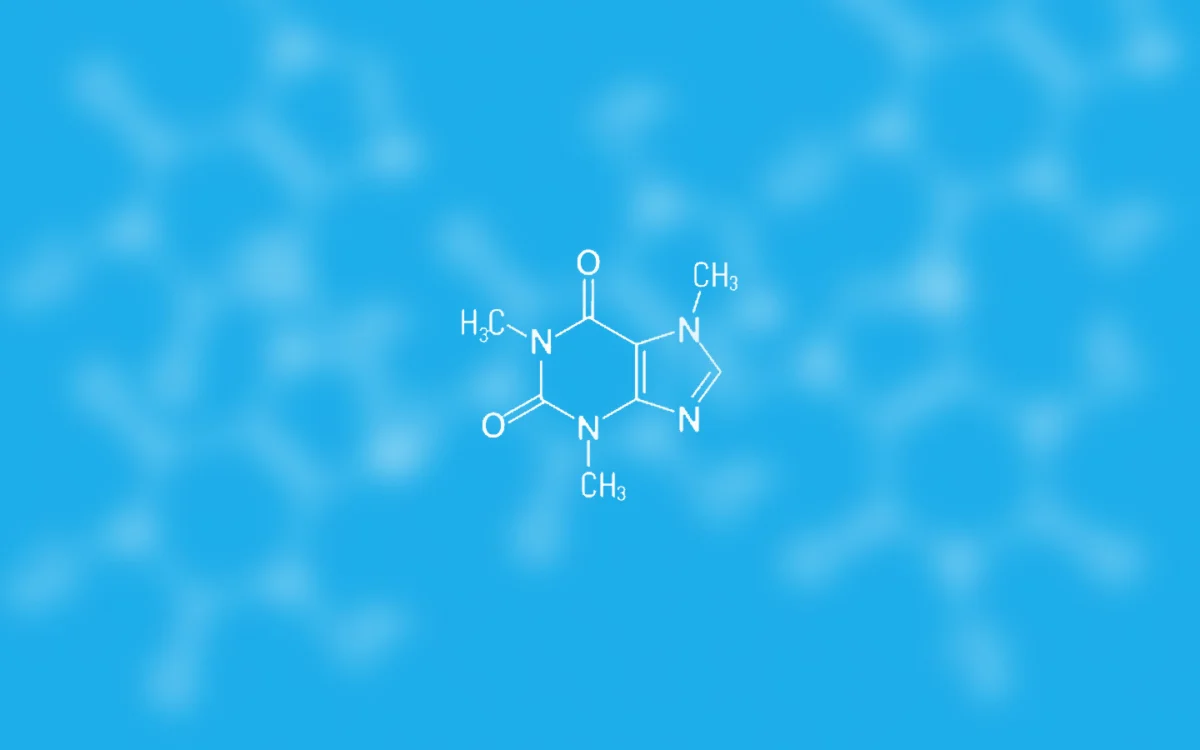
For a significant majority of the global population, the defining sensory characteristic of coffee is its inherent bitterness. In common parlance, when consumers describe a particular brew as being "strong," "bold," or "robust," they are frequently referring to the intensity of its bitter profile. For many, the ability to consume dark, unadulterated coffee is viewed as a testament to sensory fortitude, often equated with the cultural stoicism required to consume high-proof spirits. However, while bitterness is often the most recognizable trait of the beverage, it is merely one component of a complex chemical tapestry that includes acidity, sweetness, and various aromatic compounds. Despite its ubiquity, the biological mechanism by which the human body perceives and processes the bitterness in coffee has remained partially obscured by the complexities of the human gustatory system.
Recent scientific advancements have begun to unravel these mysteries. A study published in the journal Nature Structure & Molecular Biology has provided a groundbreaking look at the microscopic interactions between coffee’s chemical components and the human tongue. Researchers from the University of North Carolina (UNC) have successfully mapped the structure of a specific taste receptor known as TAS2R43. This receptor is one of 26 known bitter taste receptors in the human body, but it plays a disproportionately significant role in how individuals experience the chemical compounds found in coffee, most notably caffeine and mozambioside. By utilizing state-of-the-art imaging technology, the research team has opened a new window into the molecular "handshake" that occurs every time a person takes a sip of coffee, offering implications that extend far beyond the morning cup.
The Molecular Mapping of TAS2R43
The human sense of taste is governed by G protein-coupled receptors (GPCRs), a large family of proteins that sit on the surface of cells and transmit signals to the brain. Within this family, the TAS2R group is specifically dedicated to detecting bitter substances. While some receptors are "generalists," responding to a wide array of bitter molecules, TAS2R43 is highly specialized. Until very recently, the exact physical structure of this receptor was unknown, making it impossible to determine how specific molecules docked into it to trigger a bitter response.
The UNC research team, led by authors including Yoojoong Kim, employed a sophisticated technique known as cryogenic electron microscopy, or cryo-EM. This process involves flash-freezing biological samples at cryogenic temperatures, which preserves the molecules in their natural state. Researchers then bombard the sample with electrons to create high-resolution, three-dimensional images of the molecular structure. Through cryo-EM, the team was able to visualize TAS2R43 in unprecedented detail, observing how it changes shape when it encounters bitter compounds.
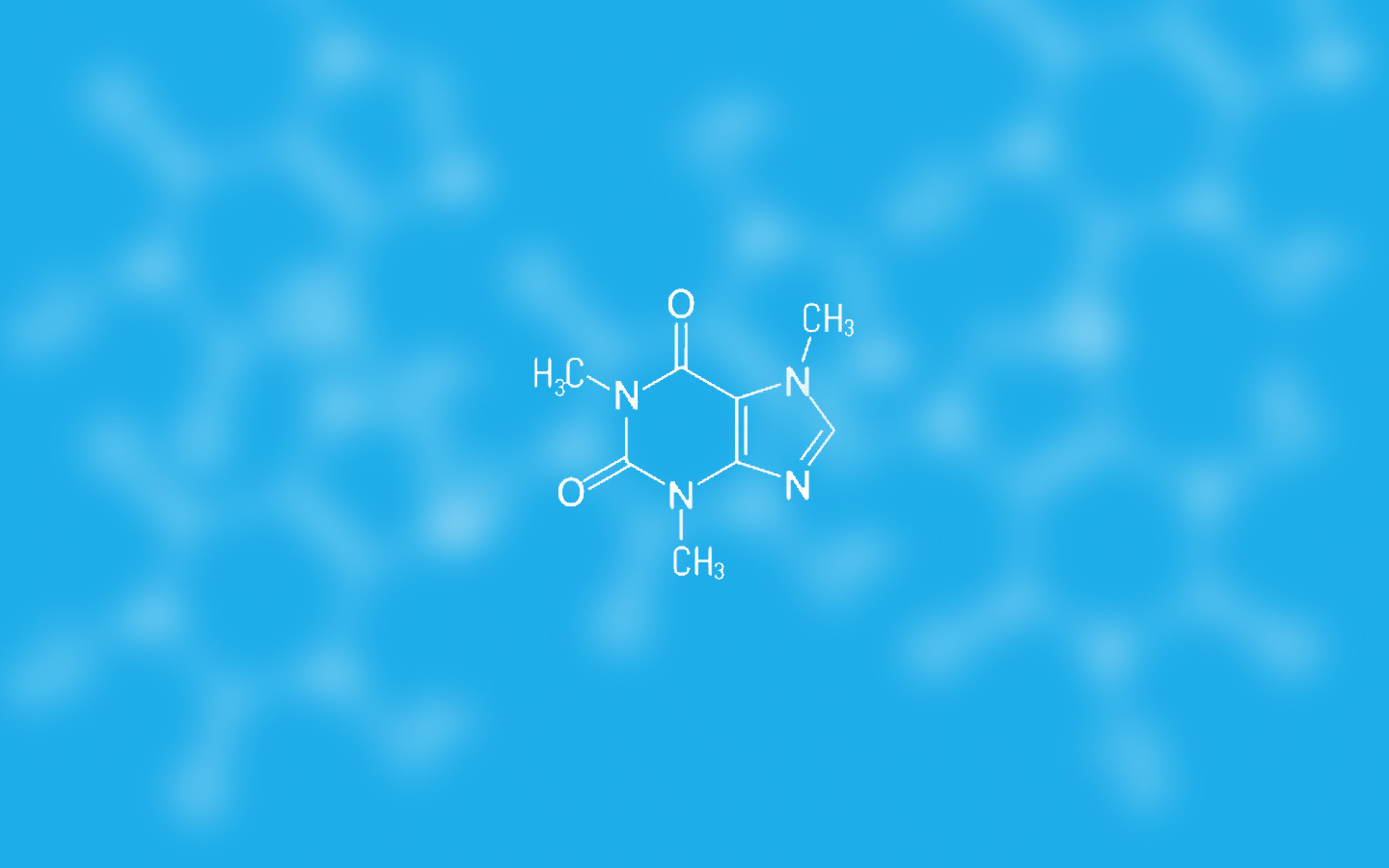
Specifically, the study examined how the receptor reacted to caffeine—the primary stimulant in coffee—and mozambioside, a bitter-tasting diterpene glycoside found primarily in Coffea canephora (Robusta) beans. The findings revealed a specific "binding pocket" within the TAS2R43 receptor. When a caffeine molecule enters this pocket, it fits like a key into a lock, causing the receptor to undergo a conformational change that sends a signal to the brain, which is then interpreted as bitterness.
A Chronology of Taste Receptor Research
The journey to understanding TAS2R43 is part of a broader, decades-long effort to map the human sensory system. For much of the 20th century, the "tongue map" theory—the idea that different areas of the tongue were responsible for different tastes—dominated public understanding. It was not until the late 1990s and early 2000s that molecular biology debunked this myth, proving that taste receptors are distributed across the tongue and that individual cells often contain multiple types of receptors.
In 2000, the first bitter taste receptors (TAS2Rs) were identified, marking a turning point in gustatory science. Over the next two decades, researchers identified 26 distinct TAS2Rs in humans, each evolving to detect different types of potentially harmful substances. However, because these receptors are small and embedded in the fatty membranes of cells, they are notoriously difficult to crystallize for traditional X-ray imaging. The advent of cryo-EM, which earned its developers the Nobel Prize in Chemistry in 2017, finally provided the tool necessary to view these receptors in high resolution.
The UNC study represents the culmination of this technological evolution. By providing the first clear look at TAS2R43, science has moved from knowing that we taste bitterness to knowing exactly how the physical interaction occurs at an atomic level.
The Evolutionary Paradox of Coffee Consumption
The scientific fascination with bitterness is rooted in evolutionary biology. For most of human history, the perception of bitterness served as a vital survival mechanism. Many toxic alkaloids produced by plants are intensely bitter; consequently, the human brain is hardwired to associate bitterness with danger. When the TAS2R receptors are activated, they typically trigger an avoidance response, designed to prevent the ingestion of lethal toxins.
Coffee presents a unique biological paradox. Despite the 3D mapping showing that coffee compounds light up the body’s internal "warning indicators," humans have developed a global affinity for the beverage. This suggests that the human brain is capable of overriding primal survival instincts in favor of acquired tastes and the physiological benefits of caffeine. From an evolutionary perspective, the "boldness" that coffee drinkers prize is actually a sophisticated signal of toxicity that we have learned to enjoy, or at least tolerate, for its stimulant effects.
Supporting Data and Genetic Variability
Not all humans experience the bitterness of coffee in the same way. Research into the TAS2R43 gene has revealed significant genetic polymorphism within the human population. Variations in the DNA sequence of the TAS2R43 gene can lead to different versions of the receptor, some of which are more sensitive to caffeine than others.
Data from genomic studies suggest that:
- Approximately 25% of the population are "supertasters," possessing a high density of taste papillae and often carrying highly sensitive variants of TAS2R receptors. For these individuals, coffee may taste overwhelmingly bitter.
- Roughly 50% of the population are "medium tasters," experiencing a balanced profile of bitterness.
- The remaining 25% are "non-tasters" for certain bitter compounds, meaning they may require much higher concentrations of caffeine or other alkaloids to perceive the same level of bitterness.
The UNC study’s 3D mapping provides the structural framework to explain these variations. By seeing the "binding pocket" of the receptor, scientists can now model how different genetic mutations might alter the shape of that pocket, making it easier or harder for a caffeine molecule to bind.

Broader Implications for Medicine and Pharmacology
While the study’s findings are of great interest to the coffee industry, the primary implications lie in the field of medicine. TAS2R receptors are not limited to the tongue; they have been discovered throughout the human body, including in the lungs, the gastrointestinal tract, and even the heart.
According to study author Yoojoong Kim, the ability to control the perception of bitterness could lead to the development of new therapeutic strategies. In the respiratory system, TAS2R receptors play a role in airway defense. When these receptors in the lungs detect bitter substances (often released by bacteria), they can trigger the cilia to beat faster to clear out pathogens or cause the airways to dilate.
Potential medical applications of the UNC research include:
- Precision Drug Design: Many life-saving medications are naturally bitter, which can lead to poor patient compliance, particularly in pediatric medicine. By understanding the structure of TAS2R43, pharmacologists can develop "bitter blockers"—compounds that occupy the receptor’s binding pocket without triggering a signal, effectively masking the taste of medicine.
- Gastrointestinal Health: TAS2Rs in the gut are involved in the release of hormones that regulate appetite and glucose metabolism. Mapping these receptors could lead to new treatments for obesity or Type 2 diabetes.
- Inflammation and Immune Response: Emerging evidence suggests that bitter receptors are part of the innate immune system. Insights into their structure could guide the development of anti-inflammatory drugs or treatments that bolster the body’s response to microbes.
Impact on the Food and Beverage Industry
In the commercial sector, the ability to manipulate bitterness perception is a "holy grail" for food scientists. As global health initiatives push for a reduction in sugar consumption, the food industry faces the challenge of maintaining flavor profiles. Sugar is often used to mask the bitterness of cocoa, tea, and coffee. If "bitter blockers" based on the TAS2R43 structure can be safely integrated into products, manufacturers could theoretically reduce sugar content without increasing the perceived bitterness of the product.
For the specialty coffee industry, this research provides a deeper understanding of the "cleanliness" and "sweetness" of high-grade Arabica beans. While Robusta beans contain higher levels of mozambioside and caffeine—triggering a stronger response from TAS2R43—Arabica beans generally have a lower concentration of these bitter compounds. This scientific data reinforces the industry’s focus on processing and roasting techniques that minimize harsh bitterness in favor of more nuanced flavors.
Conclusion
The mapping of the TAS2R43 receptor marks a significant milestone in sensory science. By combining the power of cryogenic electron microscopy with molecular biology, researchers have provided a definitive look at the bridge between chemistry and perception. While the study confirms that coffee is, by its very nature, a "warning sign" to our biological systems, it also highlights the extraordinary complexity of human taste.
The research reminds us that a simple cup of coffee is a site of intense molecular activity. As scientists move forward with this data, the applications will likely ripple through various sectors, from the creation of more palatable medicines to a more profound understanding of how our bodies interact with the world around us. For now, the general public will likely continue to embrace the bitterness of their daily brew, armed with the knowledge that their "bold" choice is now one of the most thoroughly mapped sensations in human biology.