Angie Faith
The literary world continues its dynamic evolution, marked this past week by the unveiling of top-selling books, the prestigious announcement of the 2026 Pulitzer Prize winners, and a significant undercurrent of discussion regarding the challenges facing libraries and their role in community discourse, particularly as Pride Month approaches. These developments highlight not only the enduring popularity of literature but also the complex societal forces that shape its creation, dissemination, and reception.
Unveiling the Week’s Literary Champions: Bestseller Lists Reflect Reader Preferences
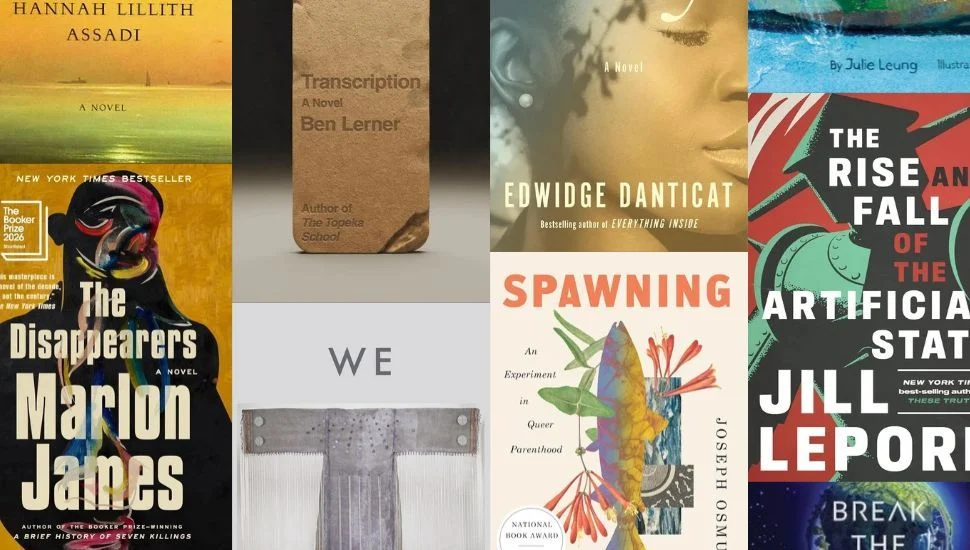
Each week, the literary landscape is shaped by the preferences of avid readers, with bestseller lists serving as a barometer of current trends and enduring appeal. While the specific titles that dominated the charts for the week ending May 10, 2026, are not detailed in the provided excerpt, the consistent publication of such lists by major retailers and industry publications offers a snapshot of the books capturing the public’s attention. These lists, often segmented by genre, format (hardcover, paperback, e-book, audiobook), and target audience, provide valuable insights for publishers, authors, and booksellers.
Historically, bestseller lists have been influenced by a confluence of factors, including major media tie-ins (film and television adaptations), author platform and marketing efforts, critical acclaim, and timely thematic relevance. For instance, the resurgence of a classic novel due to a popular streaming series or the explosive debut of a debut author with a compelling social media presence can dramatically alter weekly rankings. The data gleaned from these lists often informs acquisition decisions at publishing houses, marketing strategies, and even the placement of books within brick-and-mortar stores and online platforms. Analyzing the composition of these lists over time can reveal shifts in reader demographics, evolving genre popularity, and the increasing prominence of diverse voices and narratives. The economic impact is also substantial, with books consistently appearing on bestseller lists often experiencing significant sales boosts, contributing to the financial health of the publishing industry.
The Pinnacle of American Letters: The 2026 Pulitzer Prize Laureates Announced
A cornerstone of literary recognition in the United States, the Pulitzer Prizes were awarded this past week, celebrating exceptional achievements in journalism, literature, drama, and music. The 2026 Pulitzer Prize winners represent a diverse array of voices and perspectives, acknowledging works that have profoundly impacted the cultural and intellectual discourse. While the specific categories and recipients are not itemized in the original text, the announcement of these awards invariably generates considerable attention, often leading to increased sales for the winning books and a heightened awareness of the featured authors and their contributions.
The Pulitzer Prizes, established in 1917, are widely regarded as among the most prestigious honors in American letters. The selection process involves rigorous deliberation by independent juries, ensuring that the awards reflect a high standard of literary merit and journalistic integrity. The categories within literature—Fiction, Drama, History, Biography, Poetry, and General Nonfiction—cover a broad spectrum of creative and scholarly output. Winning a Pulitzer Prize often serves as a career-defining moment for authors, bestowing upon them a lasting legacy and a platform to engage with broader audiences. Furthermore, the prize-winning works frequently become staples in academic curricula and are recognized for their contributions to understanding American society, its history, and its evolving cultural landscape. The announcement itself acts as a significant cultural event, sparking discussions about the merits of the chosen works and the criteria by which literary excellence is judged. The long-term implications of these awards extend beyond individual authors, shaping the canon of American literature and influencing the direction of literary trends for years to come.
Navigating the Currents of Controversy: Libraries and Pride Month Preparations
A significant portion of the provided text delves into the anticipatory discussions surrounding Pride Month, highlighting the complex environment in which libraries are preparing to engage with LGBTQ+ identity and history. The excerpt notes that "several years into surging book bans, escalating violence, and swift-rising fascism, it is important to prepare for the upcoming month of events to anticipate all that has, does, and might arise." This statement underscores a growing concern among librarians and library advocates about the potential for increased challenges and censorship.
Historically, libraries have served as vital community hubs, offering free access to information and fostering a culture of open inquiry. Pride Month has traditionally been a period for libraries to celebrate LGBTQ+ literature and culture through curated book displays, author events, and educational programming. However, recent years have witnessed a significant rise in organized efforts to ban or restrict access to books deemed controversial, with LGBTQ+ themes and diverse representation frequently targeted. Data from organizations like the American Library Association (ALA) has consistently shown a surge in challenged books, with a disproportionate number of these challenges targeting materials for young adults and those addressing LGBTQ+ issues. For example, the ALA reported a record number of book challenges in 2021 and 2022, with many of these challenges originating from a small number of organized groups.
The excerpt’s emphasis on preparing for "all that has, does, and might arise" suggests a proactive approach by libraries in anticipating potential conflicts. This preparation likely involves developing robust policies for challenged materials, training staff on how to respond to patron concerns and formal challenges, and potentially collaborating with community organizations to build support for intellectual freedom. The mention of "escalating violence" also points to a broader societal context of increased polarization and hostility towards LGBTQ+ individuals, which can manifest in ways that directly impact libraries and their patrons.
The implications of these challenges are far-reaching. When libraries face pressure to remove books, it not only limits access to diverse stories and perspectives for the entire community but can also create a chilling effect on the selection of materials and the programming offered. For LGBTQ+ individuals, particularly youth, libraries can be a crucial sanctuary and a source of affirmation. The restriction of access to these materials can have a detrimental impact on their sense of belonging and their ability to understand themselves and the world around them.
The broader context of "swift-rising fascism" alluded to in the text suggests a concern that challenges to library materials are part of a larger political and social movement seeking to control information and suppress marginalized voices. This framing elevates the discussion from isolated incidents of book challenges to a more systemic threat to democratic values and intellectual freedom.
The Broader Ecosystem of Literary Engagement: All Access and Community Dialogue
Beyond the specific news items, the article also touches upon the broader ecosystem of literary engagement. The mention of "All Access members" and "members-only content" on Book Riot indicates a tiered approach to content delivery, where deeper dives and exclusive insights are reserved for subscribers. This model reflects a common trend in digital media, where revenue generation often relies on a combination of advertising, subscriptions, and other premium offerings. For dedicated readers and enthusiasts, such "All Access" programs can provide valuable resources, such as curated reading lists, author interviews, and behind-the-scenes content that enriches their understanding and appreciation of the literary world.
The concluding invitation to engage in the comments section, coupled with a reminder of community guidelines, underscores the importance of fostering a respectful and inclusive online dialogue. In an era where discussions about books and culture can quickly become polarized, moderation and clear guidelines are essential for maintaining a space where diverse viewpoints can be shared constructively. This aspect of the article highlights the ongoing effort to balance open expression with the need for a safe and supportive community of readers. The act of commenting itself is a form of active engagement, transforming passive consumption of news into an interactive experience. This participation, when guided by thoughtful discourse, contributes to the collective understanding and evolution of literary and cultural conversations.