Hanik Kholidah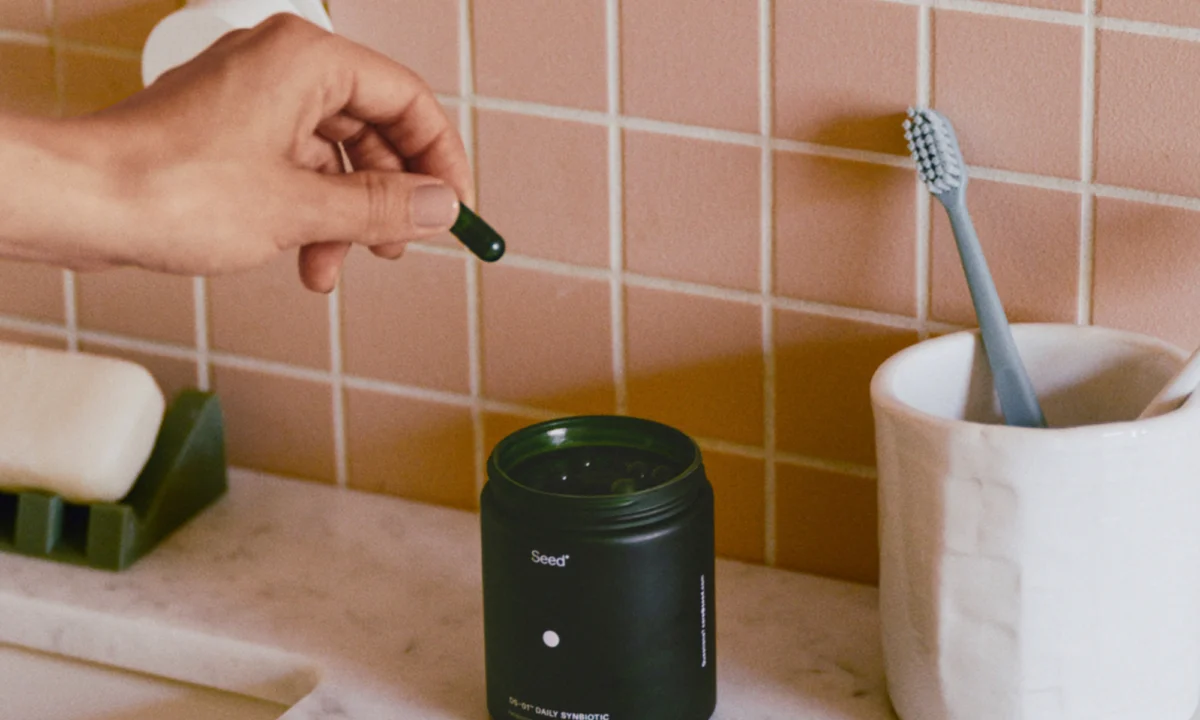
The internal review involved staffers from various departments, including health writers, editors, and reporters who specialize in analyzing the intersection of nutrition and microbiology. Their collective findings highlight a consistent pattern of improved gastrointestinal regularity and a measurable reduction in bloating, often within the first 14 days of consistent use. One staff member, who has maintained a daily regimen for over three years, noted that the product’s benefits extend beyond basic digestion, influencing broader wellness markers such as skin health and immune resilience. This long-term perspective is particularly relevant in a supplement industry where consumer churn is high and long-term efficacy is frequently questioned.
The Evolution of the Synbiotic Market and Seed’s Strategic Entry
To understand the impact of the DS-01 Daily Synbiotic, it is necessary to examine the broader context of the gut health industry. For decades, the probiotic market was dominated by products containing only a few strains of live bacteria, often without clinical evidence regarding their survival through the human digestive tract. The term "synbiotic" refers to a synergistic combination of probiotics (beneficial bacteria) and prebiotics (the non-digestible fibers or compounds that feed those bacteria).
Seed Health entered this space with a focus on microbial ecology, moving away from the traditional "CFU count" (Colony Forming Units) as the sole metric of quality. Instead, the company prioritized strain specificity and delivery technology. By 2026, the company has successfully positioned the DS-01 as a "24-strain" solution, utilizing bacteria that are not commonly found in fermented foods or standard yogurts. This strategic focus on diversity reflects a growing consensus in the scientific community that a diverse microbiome is more resilient and better equipped to support systemic health.
Chronology of Development and Testing
The journey of the DS-01 Daily Synbiotic from a laboratory concept to a market leader involved several years of research and development. Seed Health established a Scientific Advisory Board featuring world-renowned scientists in the fields of microbiology, immunology, and genetics.

In the years leading up to 2026, the company invested heavily in clinical validation. This culminated in the largest clinical trial to date focused on the effects of a probiotic on bloating and gas in healthy adults. Unlike many supplement manufacturers that rely on "borrowed science"—using generic studies to support their specific ingredients—Seed conducted dose-matched studies on the finished formulation.
The mindbodygreen staffers’ testing timeline mirrored these clinical findings. Most participants reported a two-phase experience: an initial acclimation period of three to five days, followed by a noticeable shift in digestive efficiency by the end of the second week. For those with sensitive digestive systems, the protocol of starting with a single capsule before moving to the full two-capsule dose proved essential in mitigating minor initial discomfort, a common occurrence when introducing high-potency microbes to the gut.
Engineering Survival: The ViaCap Delivery System
A primary challenge in the probiotic industry is ensuring that live microorganisms survive the harsh, acidic environment of the stomach to reach the colon. The mindbodygreen team’s analysis emphasized the importance of Seed’s proprietary ViaCap technology. This delivery system utilizes a "nested" capsule design: an outer capsule containing a non-fiber polyphenol prebiotic and an inner capsule containing the 24 probiotic strains.
The outer capsule serves as a protective barrier against stomach acid, bile salts, and digestive enzymes. It is designed to dissolve only after passing through the upper gastrointestinal tract. The prebiotic components, derived from pomegranate, are released to support the growth of beneficial microbes, while the inner capsule ensures that the live probiotic strains are delivered directly to the colon in a viable state. This engineering feat addresses a common criticism of probiotics: that most of the bacteria are dead by the time they reach their intended destination.
Comprehensive Ingredient Standards and Quality Control
In an era of increasing consumer scrutiny, Seed’s commitment to quality control has become a cornerstone of its brand identity. The DS-01 is formulated to be free from common allergens, including gluten, dairy, soy, corn, and nuts. It is also vegan and keto-friendly. However, the company’s standards go beyond allergen testing.

The mindbodygreen staffers noted that the product undergoes testing for over 400 different pesticides and environmental contaminants. Furthermore, Seed is compliant with California’s Proposition 65, which sets strict limits on heavy metals and other toxins. This level of transparency is rare in the supplement sector, which is regulated by the FDA under the Dietary Supplement Health and Education Act (DSHEA) of 1994—a framework that places the burden of safety and efficacy on the manufacturer rather than requiring pre-market approval.
Supporting Data and Clinical Efficacy
The efficacy of the DS-01 is supported by a robust data set derived from ingredient-level clinical research. The 24 strains included in the formula are categorized into several specialized blends:
- Dermatological Health Blend: Strains specifically studied for their influence on the gut-skin axis, potentially improving skin clarity and barrier function.
- Cardiovascular Health Blend: Microbes that support healthy cholesterol levels already within a normal range.
- Micronutrient Synthesis Blend: Bacteria that assist in the endogenous production of essential nutrients like folate and vitamin B12.
- Digestive Health and Gut Barrier Integrity Blend: The core components responsible for reducing intestinal permeability and improving transit time.
Data derived from these studies suggest that for individuals with mild to moderately bothersome bloating, the DS-01 can significantly reduce symptom frequency. The mindbodygreen team highlighted these findings as a key reason for their professional recommendation, noting that the "scientific rigor" behind the product distinguishes it from the vast majority of competitors.
Professional and Expert Responses
The supplement has garnered significant attention from functional medicine practitioners and registered dietitians. One health writer at mindbodygreen noted that her functional medicine practitioner specifically recommended Seed due to its comprehensive strain profile. This sentiment is echoed across the wellness industry, where practitioners are increasingly looking for evidence-based interventions to support the microbiome.
Experts point out that while the DS-01 is a powerful tool, it should not be viewed as a panacea. The mindbodygreen team emphasized that the synbiotic works most effectively when integrated into a lifestyle that includes a high-fiber diet, adequate hydration, regular physical activity, and stress management. The microbiome is a dynamic ecosystem, and while a daily synbiotic provides a consistent baseline of beneficial microbes, the overall environment is shaped by daily habits.

Broader Impact and Industry Implications
The success of Seed’s DS-01 Daily Synbiotic has broader implications for the supplement industry. By proving that consumers are willing to pay a premium for scientifically validated products with transparent manufacturing processes, Seed has forced other legacy brands to reconsider their formulations and marketing strategies.
Furthermore, the focus on the "whole-body" benefits of the microbiome—ranging from heart health to skin health—marks a shift in public perception. No longer is the gut seen merely as a site for digestion; it is increasingly recognized as a central hub for systemic health. This "gut-centric" approach to wellness is expected to drive further innovation in the synbiotic space, with a future focus on personalized nutrition and strain-specific interventions for various health conditions.
Conclusion and Final Assessment
The collective experience of the mindbodygreen staff suggests that the Seed DS-01 Daily Synbiotic lives up to its clinical claims for the majority of users. The combination of innovative delivery technology, a diverse 24-strain formula, and a commitment to rigorous third-party testing provides a level of assurance that is often lacking in the digestive health market.
For the discerning consumer, the DS-01 represents an investment in long-term foundational health. While the initial cost and the subscription-based delivery model may be considerations for some, the staffers concluded that the tangible benefits—improved regularity, reduced bloating, and the peace of mind afforded by high quality-control standards—make it a standout choice in an overcrowded field. As the industry moves toward 2027 and beyond, the DS-01 remains a benchmark for what a modern, evidence-based supplement should achieve.