
Last week marked a significant operational milestone for social media management platform Buffer, as 72 employees temporarily set aside their standard daily responsibilities to participate in the company’s third annual Build Week. The five-day event resulted in the completion of 112 distinct projects, outperforming previous iterations in both output and scope. By leveraging generative artificial intelligence tools to empower individual creativity, the organization successfully transitioned from traditional collaborative team pairings to a decentralized, self-directed model of innovation.
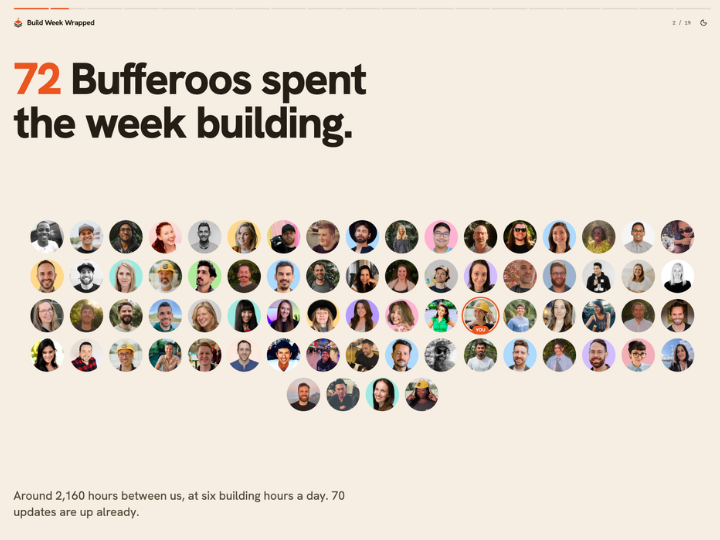
The strategic shift in how Build Week was executed this year reflects a broader industry trend toward integrating AI assistants into standard software development and administrative workflows. In past iterations, Buffer employees collaborated in assigned cross-functional teams to tackle a limited number of pre-selected corporate objectives. However, the 2026 event required every participant to act as an individual project lead, utilizing AI technology to support their learning curves and accelerate production. This approach enabled staff members from diverse backgrounds—spanning engineering, marketing, communications, and design—to bridge technical skill gaps, experiment with unfamiliar programming languages, and consult company experts as needed.
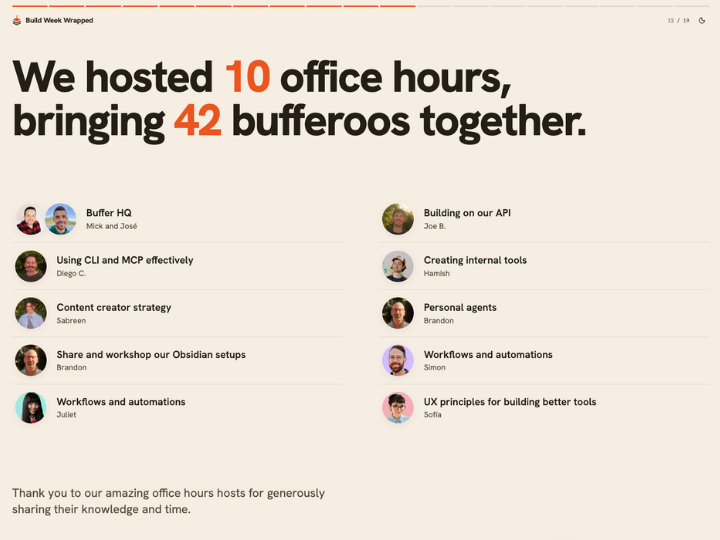
By Friday afternoon, the cumulative output of the week-long initiative demonstrated a remarkable scale of productivity. The team successfully merged 1,083 pull requests across 26 separate repositories. Crucially, 57 new internal software tools were deployed live onto the company’s proprietary domain, engineered by 41 distinct contributors. Furthermore, the company integrated 15 updates directly into its core administrative product, while six participating staff members successfully merged their first-ever code pull requests. Alongside these primary deliverables, numerous peripheral "side quests" and personal productivity scripts were completed.
Addressing Internal Friction and Repetitive Workflows
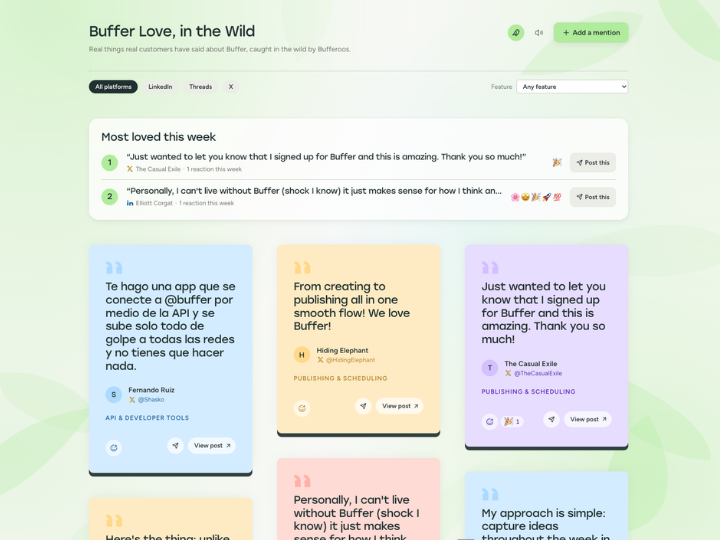
A primary focus for many participants during Build Week was the elimination of repetitive administrative tasks and internal friction points. Historically, growing technology companies encounter operational bottlenecks as workforce sizes scale and communication silos form. Buffer’s employees utilized the five-day window to build targeted automation and information-retrieval systems designed to streamline daily operations.
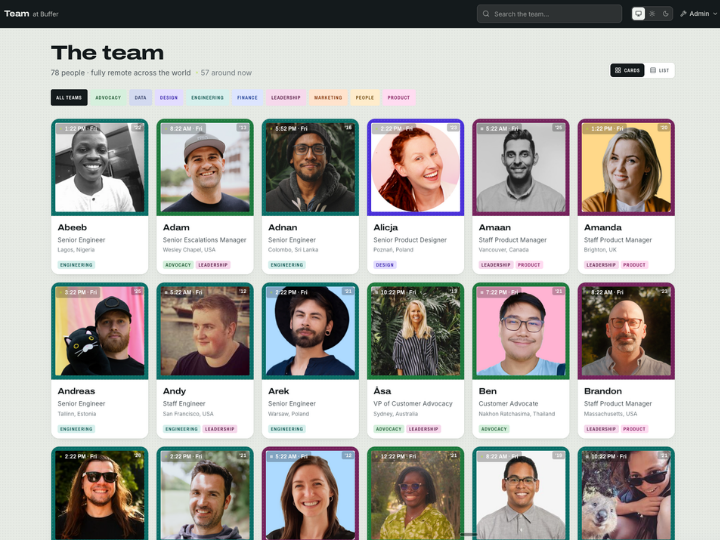
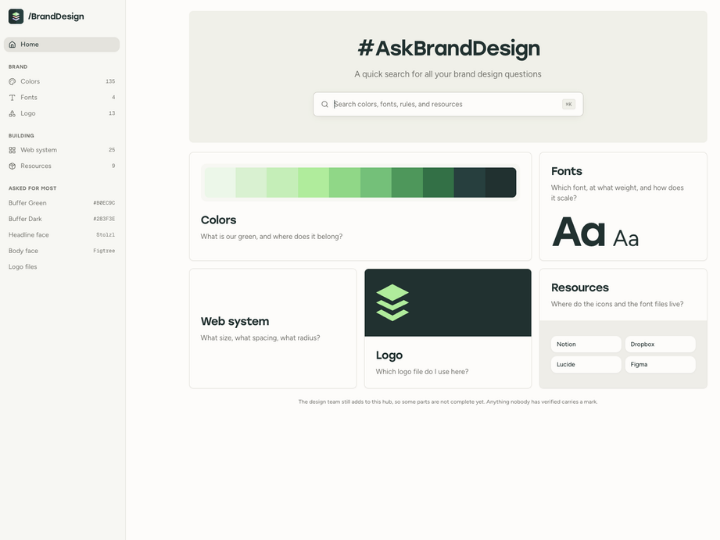
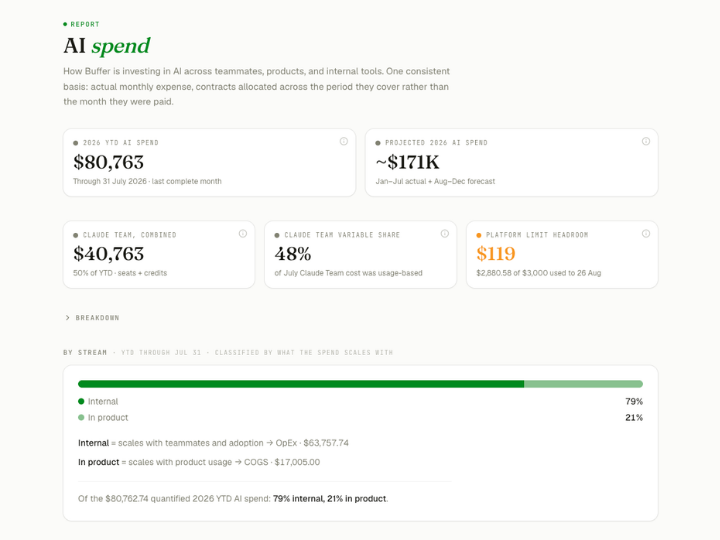
Among the standout projects was a dynamic team directory developed by Hamish, designed to resolve weekly recurrences of manual data maintenance. Similarly, Kate introduced "Ask Design," a centralized documentation tool engineered to replace scattered resources that previously required manual updates by design teams. To address financial transparency and resource allocation, Jenny spearheaded the creation of an AI spend dashboard, providing real-time visibility into operational expenditures related to artificial intelligence integrations.
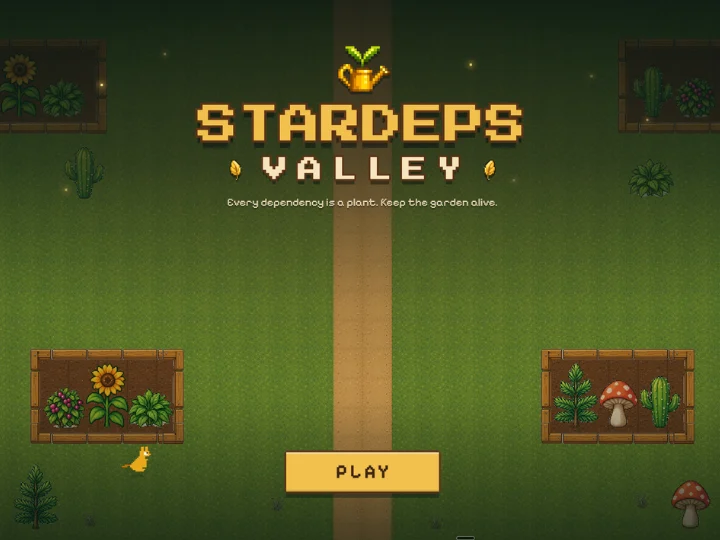
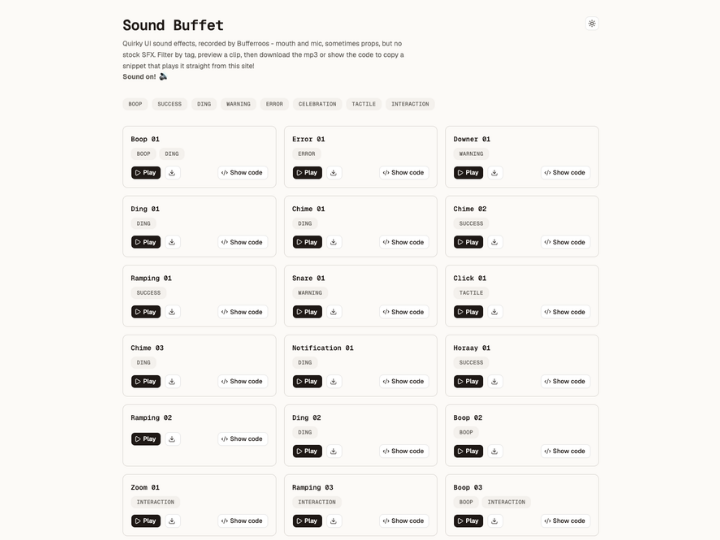
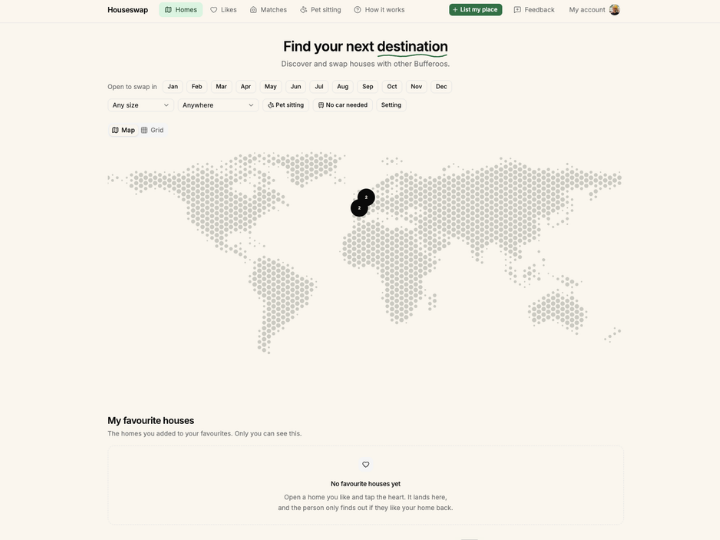
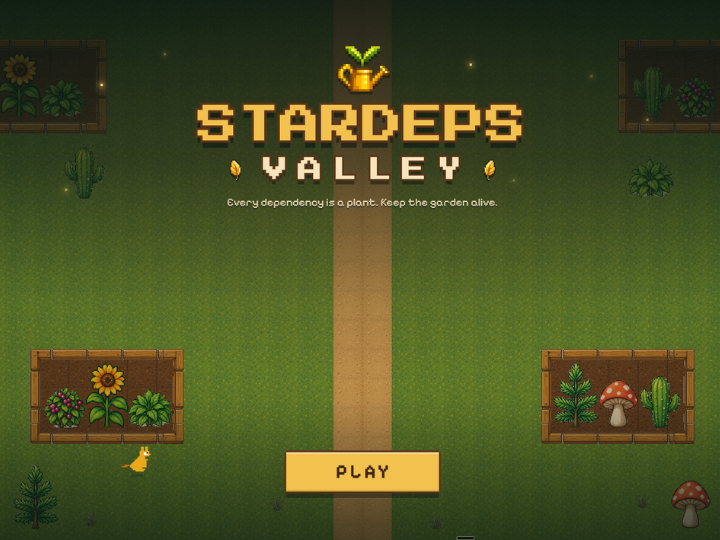
Product visibility and customer experience enhancements also received significant attention. Andreas developed "Sound Buffet" to improve internal product auditing capabilities, while Pierre engineered "Houseswap" to offer deeper insights into financial structures. Bruno addressed technical hurdles by creating "StarDeps Valley," a utility designed to help customers navigate dependency limits and operational restrictions within the platform.
Fostering Culture and Personal Workflows
Beyond core infrastructural updates and internal tooling, Build Week served as a vehicle for team cohesion and personal professional development. The decentralized project structure allowed employees to tailor their builds to specific personal workflows or experimental concepts that typically fall outside quarterly roadmaps.
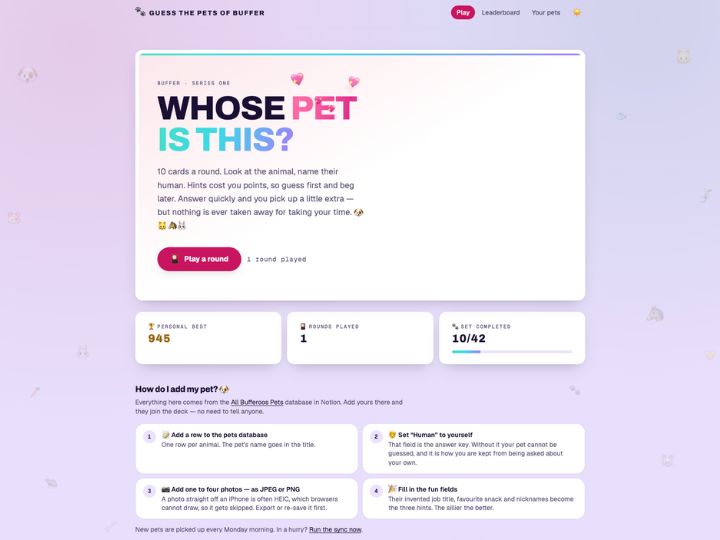
Hailley Griffis, Head of Communications and Content at Buffer, contributed "Guess the Pets of Buffer," an internal engagement tool designed to strengthen remote team culture. Tami developed "Bufferverse," a project aimed at visualizing interconnected workflows within the organization. These initiatives highlight the dual purpose of Buffer’s Build Week: driving operational efficiency while simultaneously cultivating employee engagement, cross-departmental collaboration, and continuous learning in a remote-first work environment.
Industry Implications and the Future of AI-Assisted Work
The success of Buffer’s third Build Week offers valuable insights into the changing landscape of modern software development and organizational productivity. By lowering the technical barrier to entry through AI assistance, companies can democratize software creation, allowing non-technical personnel to build functional internal tools without requiring dedicated engineering bandwidth.
The achievement of having six employees merge their first-ever pull requests underscores how generative AI can act as an educational equalizer, accelerating onboarding and skill acquisition. As organizations increasingly adopt AI-driven development environments, events like Buffer’s Build Week serve as a practical case study for decentralized, rapid prototyping.
Buffer management has indicated that comprehensive summaries and ongoing updates regarding the specific tools developed during the week will be shared across the company’s digital channels in the coming weeks. The initiative reinforces the viability of periodic, uninterrupted innovation sprints as a core component of sustainable corporate growth and employee satisfaction in the technology sector.