
When digital creators and marketing teams first begin publishing content consistently, understanding performance disparities can prove challenging. Without proper monitoring of social media analytics, distinguishing between high-performing content and underperforming posts relies entirely on guesswork. Metrics provide vital clarity regarding which hooks capture audience attention, optimal publishing schedules, and ideal content length. However, managing multiple platforms manually by piecing together native dashboards creates significant inefficiencies. Furthermore, native platforms often contain frustrating blind spots, such as LinkedIn omitting timestamps on historical posts, complicating efforts to determine ideal publishing windows.

To overcome these operational hurdles, third-party social media analytics tools have emerged as critical infrastructure for modern digital strategies. Evaluating various software solutions reveals distinct options tailored to specific organizational use cases, ranging from individual creators to large enterprises.
Understanding Social Media Analytics and Market Context
Social media analytics encompass quantitative performance metrics across digital networks—including reach, impressions, engagement rates, click-through rates, and follower growth trajectories. Tracking these indicators reveals not only aggregate interaction volumes but also the underlying drivers of content success. This empirical foundation empowers communications teams to refine future publishing calendars, timing strategies, and resource allocation.
Industry analysts distinguish between raw social media analytics and subsequent data analysis. While analytics represent the raw data points, data analysis involves interrogating those figures to uncover behavioral patterns and formulate strategic responses.
While major social networks provide native performance dashboards, relying exclusively on these proprietary environments presents distinct disadvantages:
- Fragmented Insights: Native tools frequently fail to supply critical operational data, such as LinkedIn’s lack of post timestamps or the absence of side-by-side organic and paid performance tracking.
- Siloed Reporting: Managing multi-channel campaigns natively requires manual aggregation across multiple dashboards, whereas specialized analytics platforms consolidate multi-platform metrics into centralized viewing panes.
Consequently, modern social media software bridges the gap between raw data collection and strategic execution, allowing organizations to minimize administrative tracking and maximize optimization efforts.
Analytics Versus Reporting: Defining the Core Functions
The digital marketing sector frequently conflates analytics with reporting, though they represent distinct phases of a unified operational workflow. Analytics involves data collection and quantitative measurement, addressing the fundamental questions of what occurred and why. Conversely, reporting translates those analytical findings into polished, shareable formats designed for stakeholders, clients, and internal leadership teams.
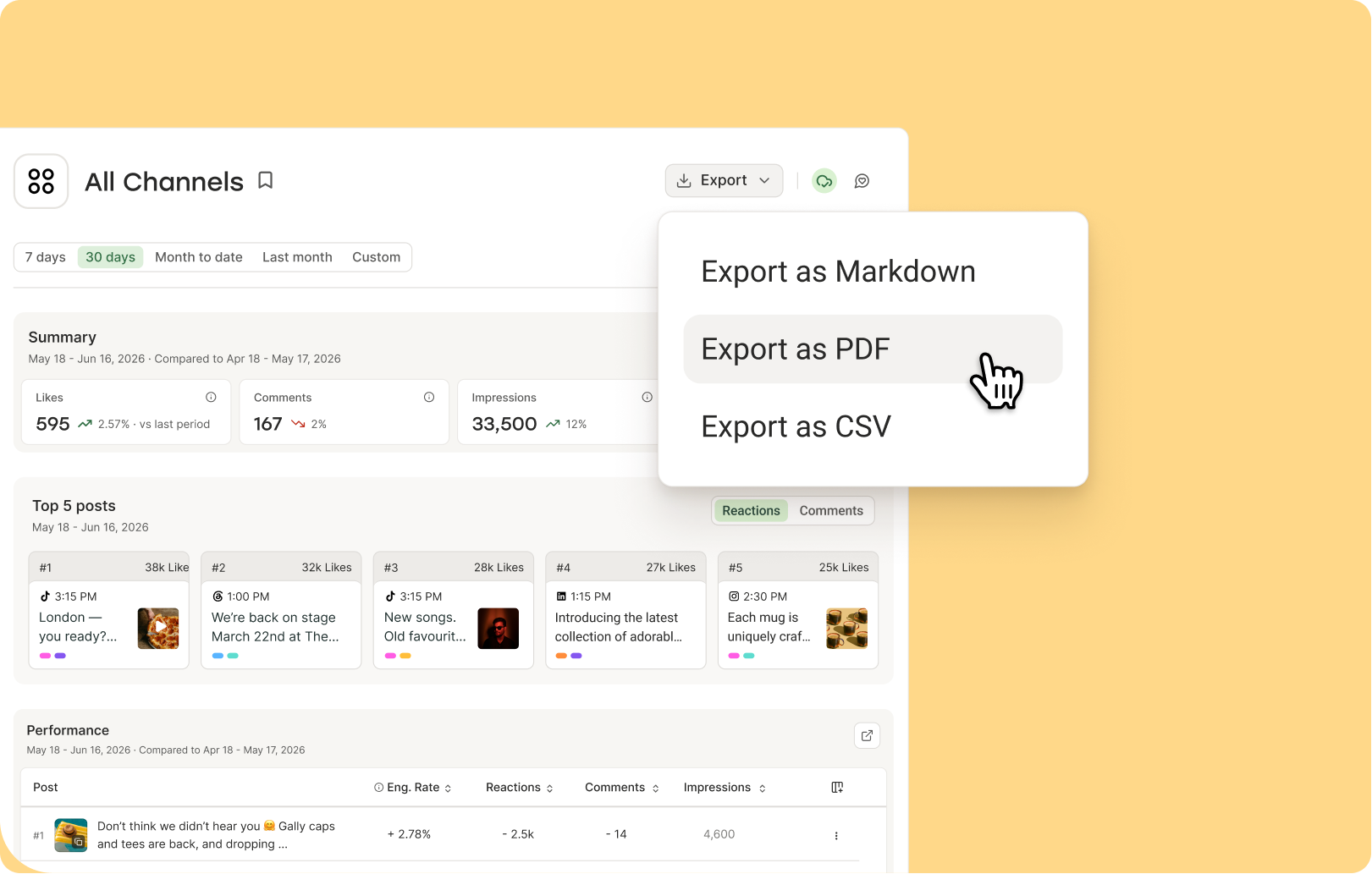
In professional environments, sophisticated tools execute both functions simultaneously. Solutions ingest raw performance metrics and synthesize them into structured dashboards, downloadable PDFs, or dynamic presentations. Solo creators typically prioritize robust analytics dashboards, whereas client-facing agencies require automated, white-label reporting capabilities to demonstrate return on investment (ROI).
Strategic Frameworks for Selecting Analytics Software
Selecting appropriate software requires evaluating whether to deploy an all-in-one social media management suite or a dedicated analytics platform.
- Social Media Management Software: Recommended for individual creators, solo operators, and lean marketing teams requiring centralized scheduling, engagement, ideation, and performance tracking.
- Dedicated Analytics Tools: Ideal for organizations that manage content workflows externally but require granular competitive intelligence, advanced reporting, or specialized metrics unsupported by general management platforms.
Evaluating tools requires careful weighting of pricing structures, free-tier limitations, supported networking protocols, and integration ecosystems.
Comprehensive Comparison of the Top 11 Social Media Analytics Tools
| Social media analytics tool | Best for | Price | Free tier? | Supported social media platforms |
|---|---|---|---|---|
| Buffer | Creators, growing teams, and agencies | Free; paid plans from $6/mo | Yes | Bluesky, Facebook, Google Business, Instagram, LinkedIn, Mastodon, Pinterest, Threads, TikTok, X, YouTube |
| Rival IQ | Large agencies | From $239/mo | 14-day trial | Facebook, Instagram, X, LinkedIn, YouTube, Pinterest, TikTok |
| Keyhole | Market research | Not publicly available | Contact sales | Facebook, Instagram, LinkedIn, TikTok, X, YouTube |
| Social Status | Small businesses running ads and influencer partnerships | From $9/mo | Yes | Facebook, Instagram, LinkedIn, TikTok, X, YouTube |
| Siftsy | Analyzing your comments | Not publicly available | Contact sales | Facebook, Instagram, LinkedIn, TikTok, X, YouTube |
| Vista Social | Tracking reviews and social metrics | From $79/mo | 14-day trial | Bluesky, Facebook, Google Business, Instagram, LinkedIn, Pinterest, Reddit, Threads, TikTok, X, Yelp, YouTube, and more |
| Typefully | X (formerly Twitter) focused | Free; paid from $8.25/mo | Yes | Bluesky, LinkedIn, Mastodon, Threads, X |
| Tailwind | Pinterest users | From $14.99/mo | Yes | Facebook, Instagram, Pinterest |
| DashThis | All-in-one marketing dashboard | From $49/mo | 14-day trial | Facebook, Instagram, LinkedIn, Pinterest, TikTok, YouTube |
| Socialinsider | AI-driven content pillar insights | From $99/mo | 14-day trial | Facebook, Instagram, LinkedIn, TikTok, X, YouTube |
| Talkwalker | In-depth audience insights | Not publicly available | Contact sales | Facebook, Instagram, X |
1. Buffer
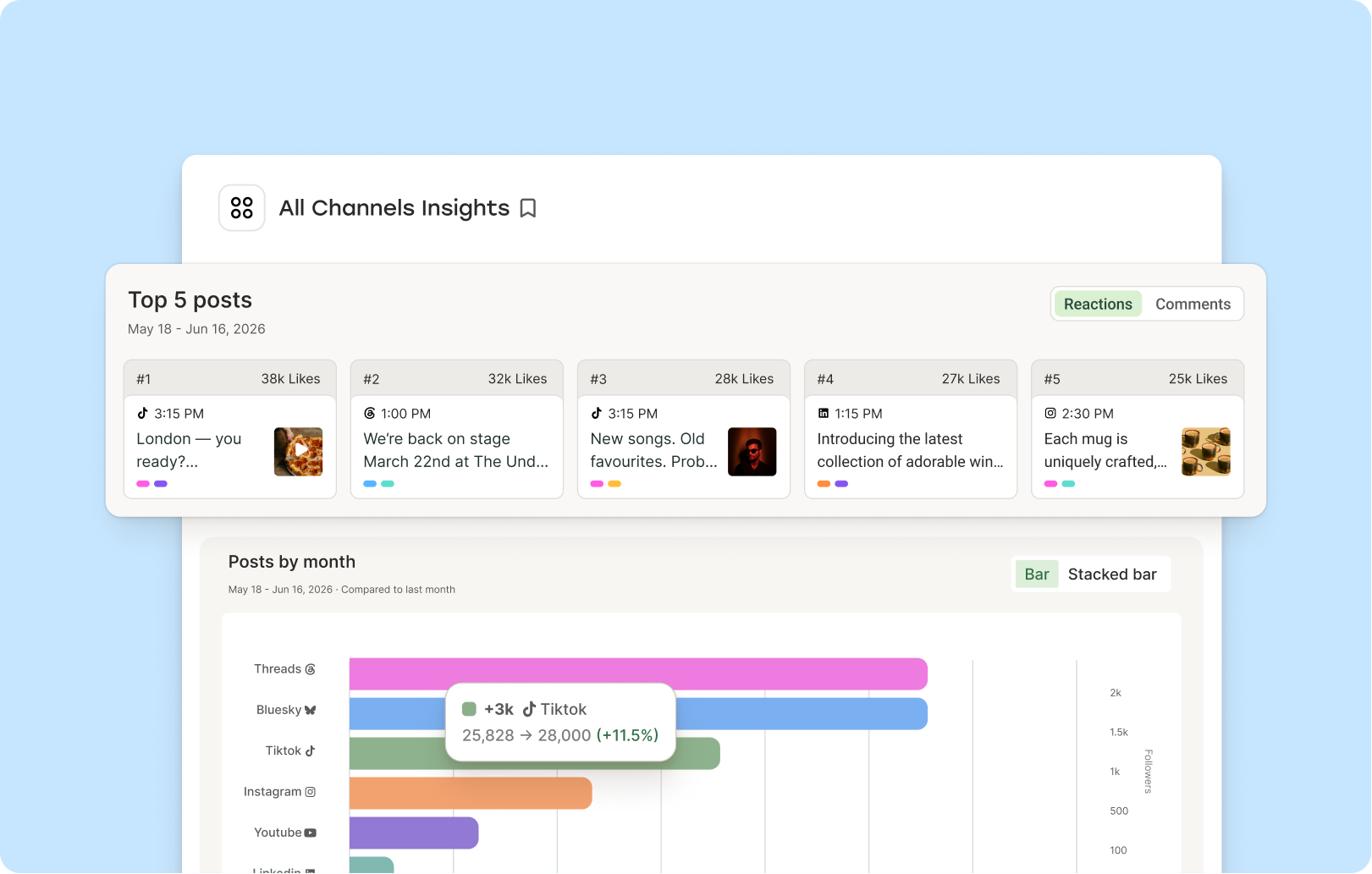
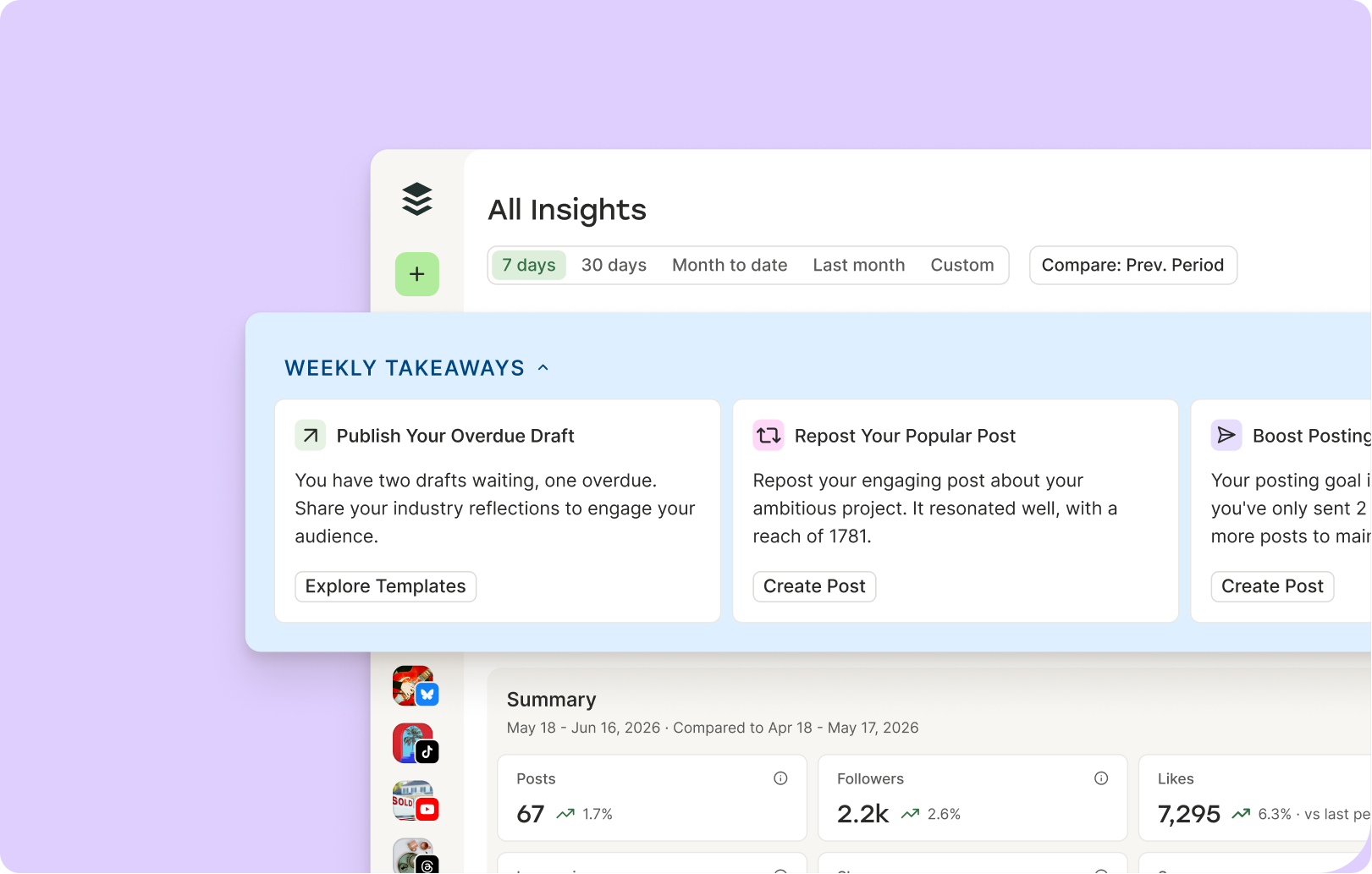
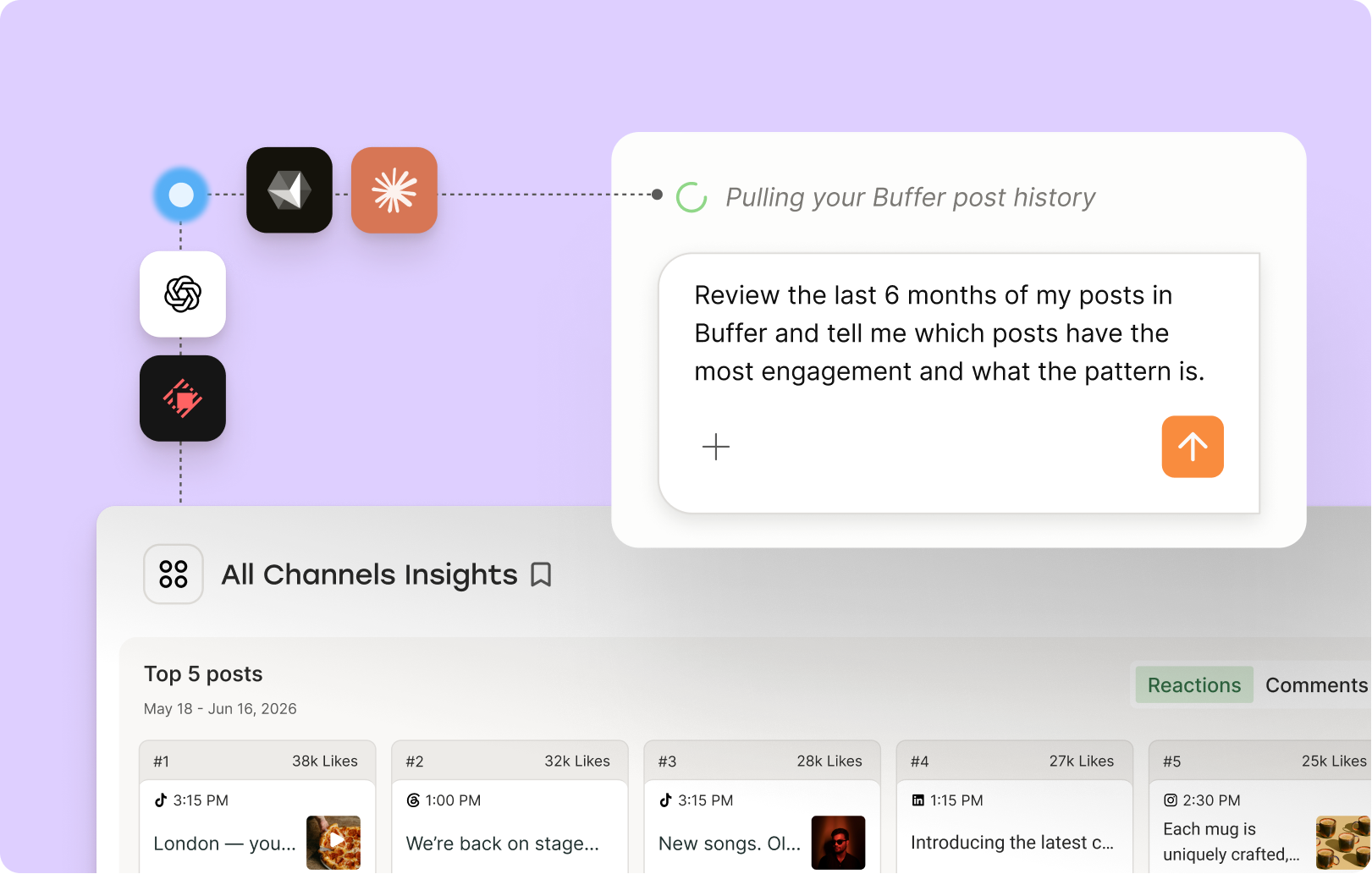
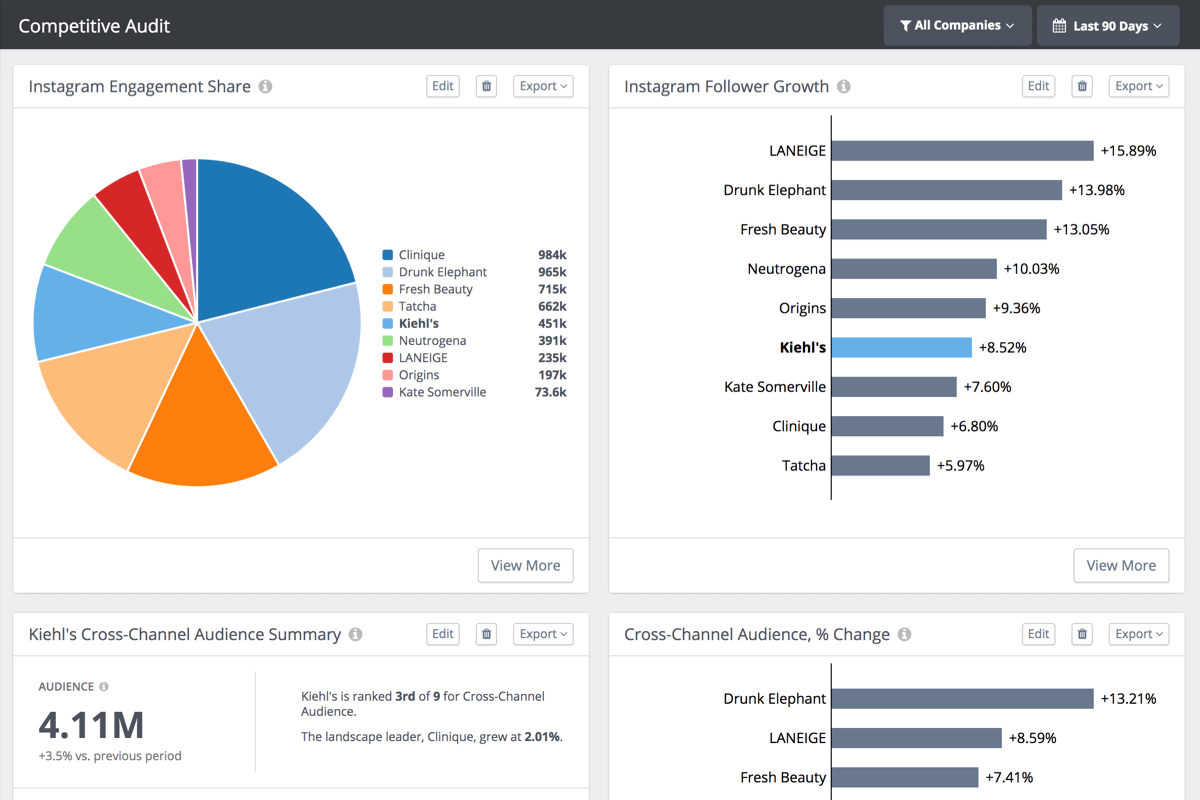
Buffer serves as a premier solution for creators, growing teams, and agencies seeking streamlined performance tracking. Its Insights dashboard avoids overwhelming users with data walls, instead highlighting actionable metrics. Features include AI-powered Takeaways that evaluate recent output, identify legacy posts for redistribution, and prompt new content generation. Users can filter data by custom tags to evaluate specific campaigns, exporting polished PDF, CSV, or markdown reports seamlessly.
- Pricing: Free tier supports up to three channels with 30 days of data; paid tiers start at $6 per month.
- Supported Platforms: Bluesky, Facebook, Google Business, Instagram, LinkedIn, Mastodon, Pinterest, Threads, TikTok, X, YouTube.
2. Rival IQ
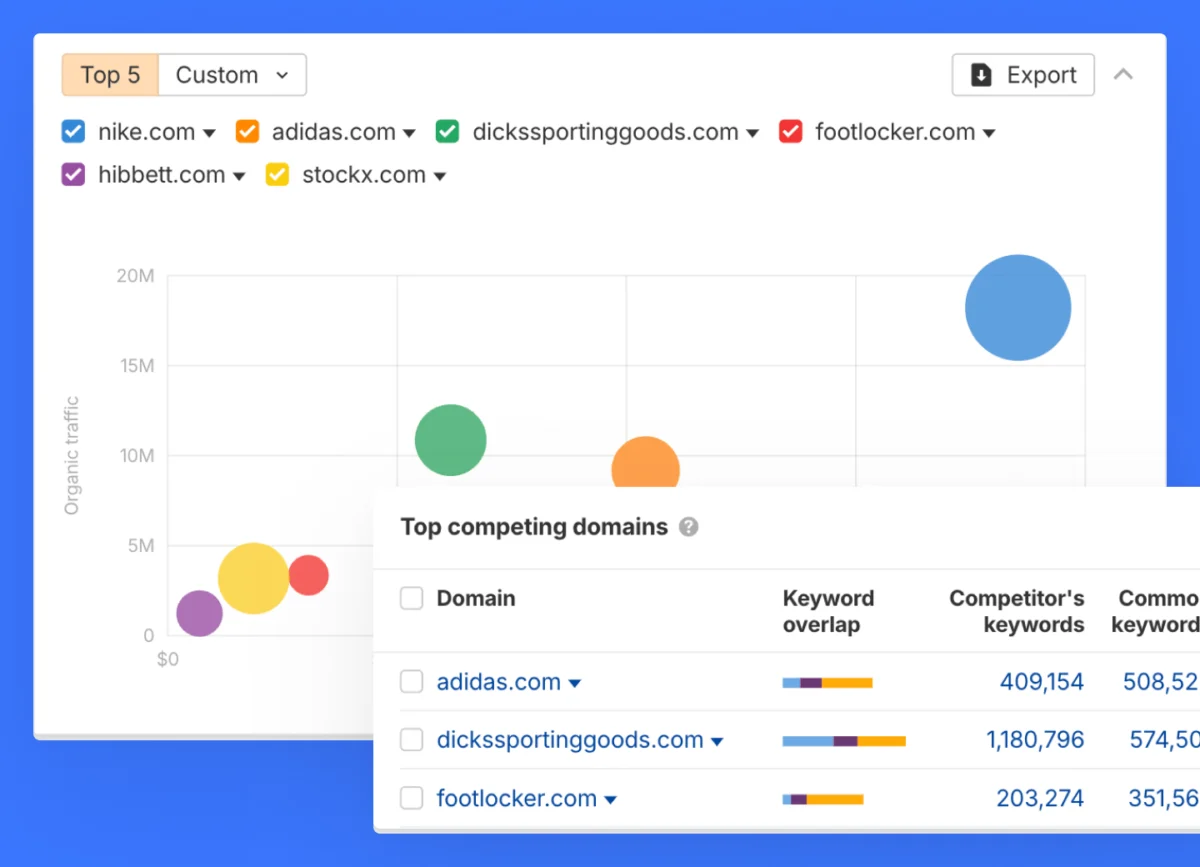
Designed specifically for large social media agencies, Rival IQ specializes in competitive benchmarking and comprehensive market positioning analysis. The platform eliminates the need for fragmented tool stacks by integrating competitive intelligence and social listening directly into its core reporting interface.
- Pricing: Plans begin at $239 per month, featuring a 14-day free trial.
- Supported Platforms: Facebook, Instagram, X, LinkedIn, YouTube, Pinterest, TikTok.
3. Keyhole
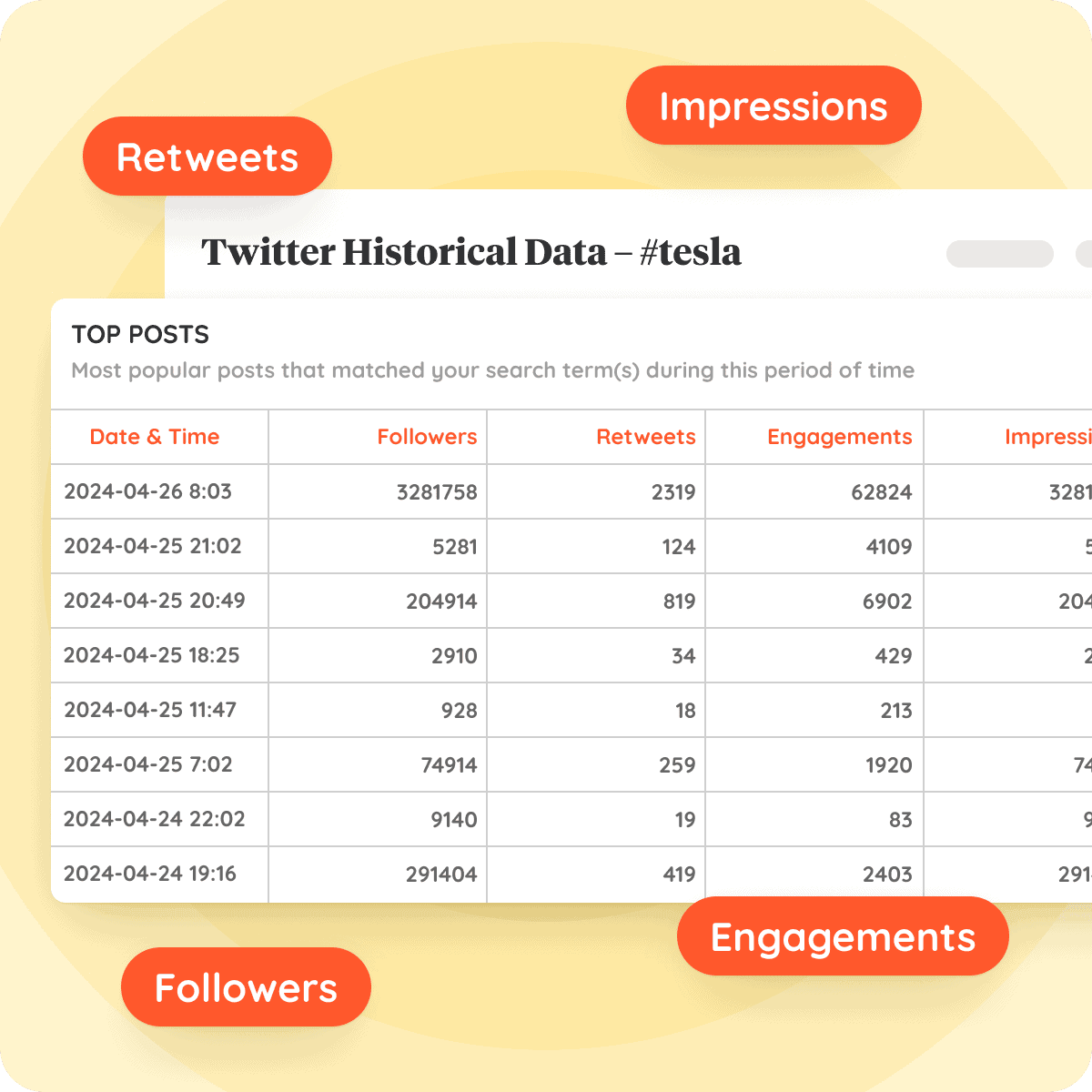
Keyhole focuses on historical data analysis and market research, offering retrospective insights extending up to a decade, predominantly on X. Utilizing machine learning algorithms, Keyhole detects emerging digital trends and real-time shifts in audience sentiment, informing long-term product and communications strategies.
- Pricing: Custom pricing available via sales contact.
- Supported Platforms: Facebook, Instagram, LinkedIn, TikTok, X, YouTube.
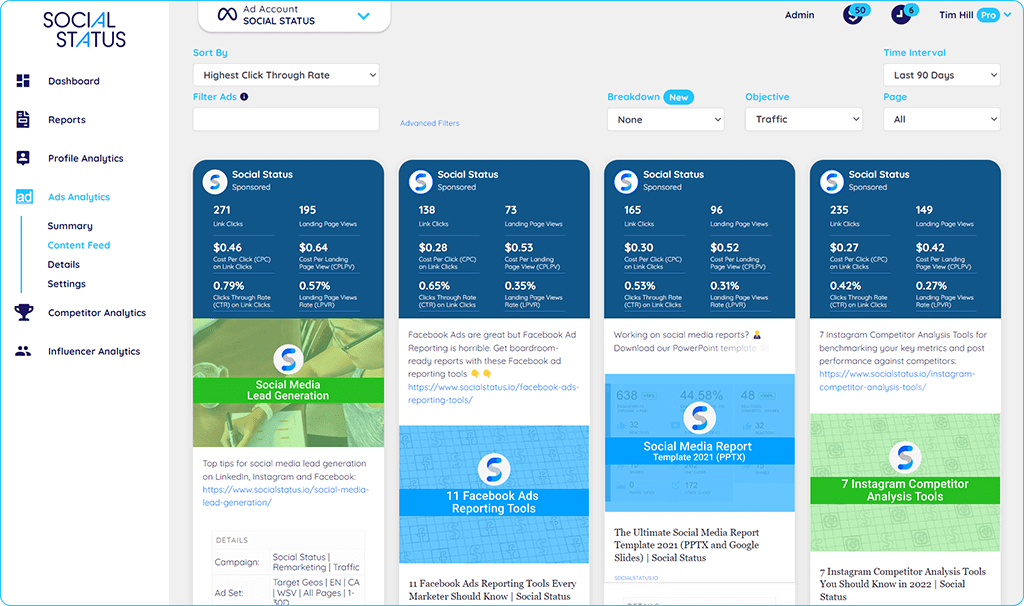
4. Social Status
Tailored for small businesses balancing organic publishing with paid advertising and influencer partnerships, Social Status consolidates disparate campaign streams into unified tracking dashboards. It tracks conventional engagement indicators alongside ad performance and influencer ROI.
- Pricing: Free plan available; paid tiers start at $9 per month.
- Supported Platforms: Facebook, Instagram, LinkedIn, TikTok, X, YouTube.
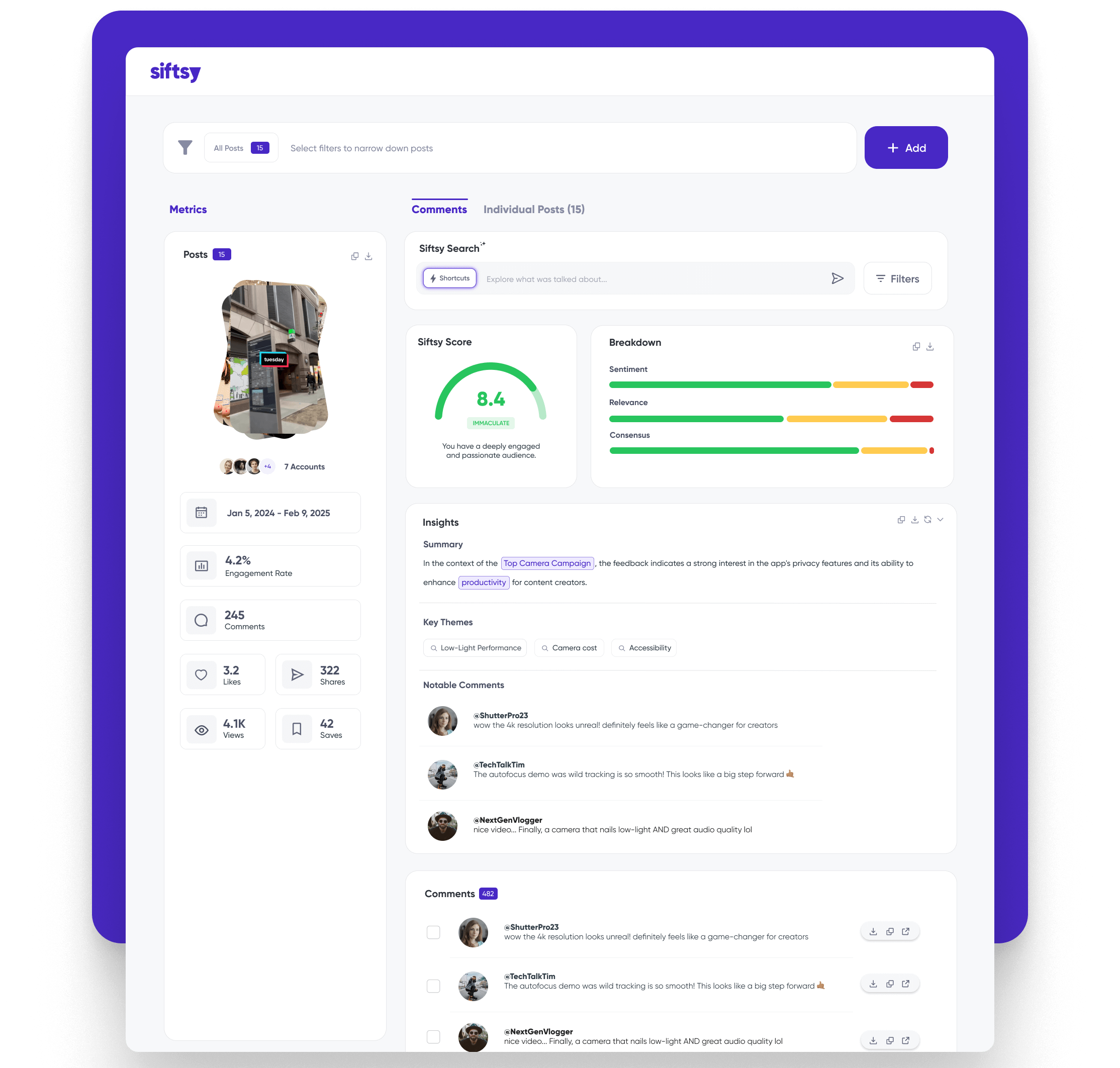
5. Siftsy
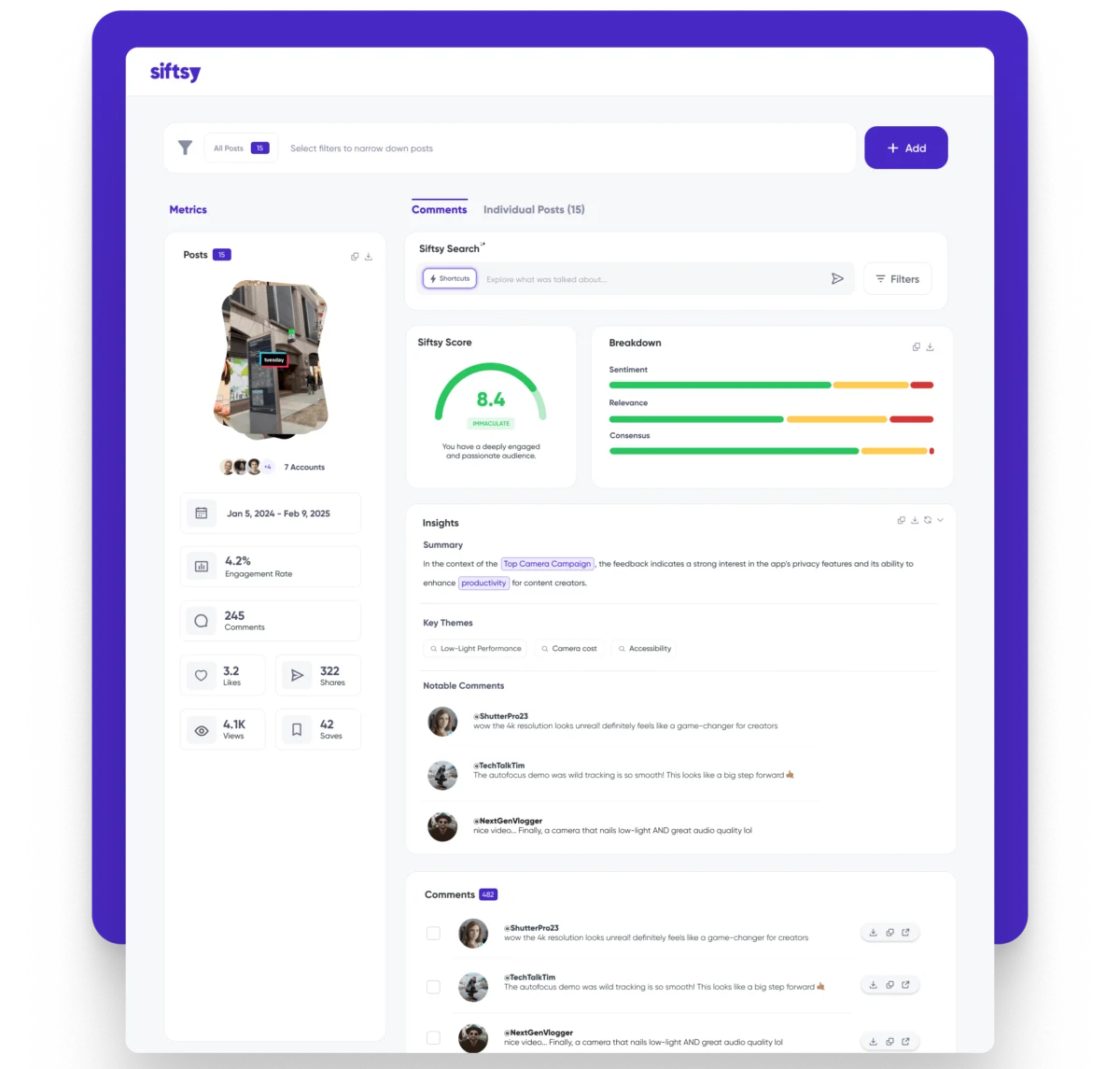
Siftsy extracts actionable sentiment data from audience commentary across multiple networks. By uploading post URL datasets, organizations leverage artificial intelligence to categorize conversational tone, evaluate customer feedback, and summarize overarching audience reactions.
- Pricing: Custom pricing available upon request.
- Supported Platforms: Facebook, Instagram, LinkedIn, TikTok, X, YouTube.
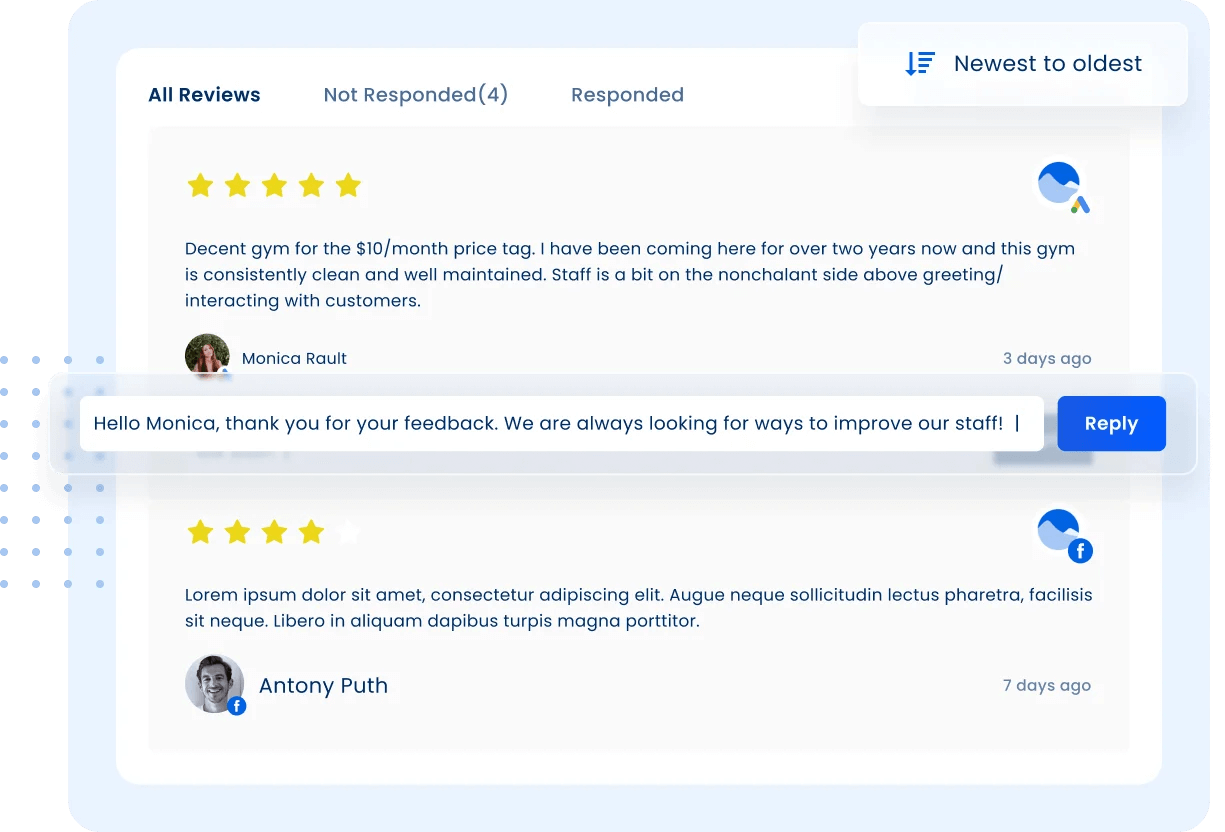
6. Vista Social
Extending beyond basic analytics, Vista Social offers scheduling, unified inbox management, social listening, and extensive online review tracking. The platform aggregates customer feedback and ratings from diverse web properties to streamline reputation management.
- Pricing: Plans start at $79 per month with a 14-day trial.
- Supported Platforms: Bluesky, Facebook, Google Business, Google Play, Instagram, LinkedIn, OpenTable, Pinterest, Reddit, Snapchat, Threads, TikTok, TripAdvisor, Trustpilot, Tumblr, X, Yelp, YouTube.
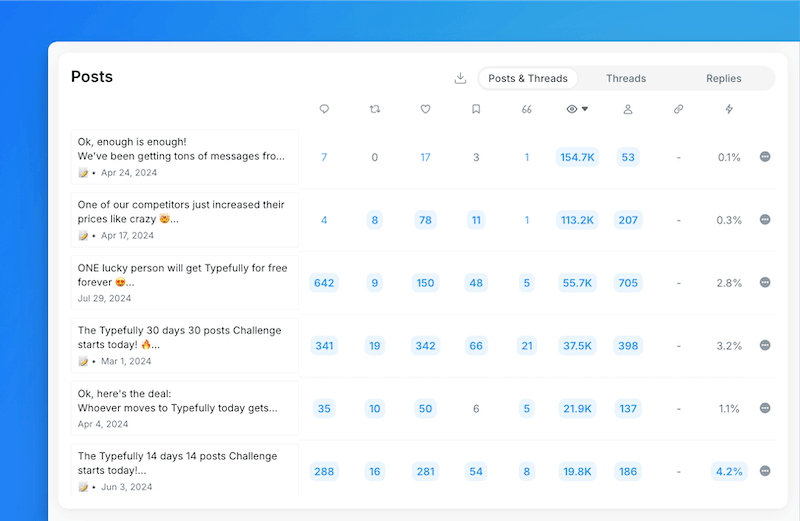
7. Typefully
Typefully optimizes performance measurement specifically for the X platform. Alongside standard metrics like follower growth and impressions, it tracks profile conversion rates, measuring the percentage of profile visitors who convert into followers.
- Pricing: Free tier available (10 posts/month); paid plans start at $8.25 per month (billed annually).
- Supported Platforms: Bluesky, LinkedIn, Mastodon, Threads, X.
8. Tailwind
Tailwind caters to businesses utilizing Pinterest as a primary traffic driver. Integrating tightly with Google Analytics, the platform correlates specific pins with downstream website traffic, providing granular insights from macro-level board trends down to individual pin performance.
- Pricing: Free tier available (5 posts/month); paid plans start at $14.99 per month.
- Supported Platforms: Facebook, Instagram, Pinterest.
9. DashThis
DashThis operates as a cross-channel marketing dashboard rather than a dedicated social tool. It integrates social metrics alongside web analytics, advertising expenditures, and SEO tools like Ahrefs and HubSpot, providing unlimited user seats for large marketing departments.
- Pricing: Plans start at $54 per month with a 14-day trial.
- Supported Platforms: Facebook, Instagram, LinkedIn, Pinterest, TikTok, YouTube.
10. Socialinsider
Socialinsider delivers advanced, AI-driven insights regarding content pillars and competitive positioning. Its robust post-tagging infrastructure allows communications teams to aggregate and monitor distinct campaign streams effectively across major networks.
- Pricing: Plans start at $99 per month with a 14-day trial.
- Supported Platforms: Facebook, Instagram, LinkedIn, TikTok, X, YouTube.
11. Talkwalker
Talkwalker focuses heavily on audience intelligence, extracting insights from customer service logs, community discussions, and demographic segmentation. Following its acquisition by Hootsuite, its advanced data capabilities integrate within broader enterprise marketing management frameworks.
- Pricing: Custom enterprise pricing available via sales contact.
- Supported Platforms: Facebook, Instagram, YouTube, Pinterest, X.
Methodical Approach to Strategic Data Utilization
Deploying analytics effectively requires a structured, repeatable methodology to translate raw numbers into strategic advantages:
- Establish Objectives Prior to Metric Selection: Align metrics directly with overarching communication goals (e.g., tracking reach for brand awareness or conversion rates for direct-response campaigns). Disregard data points that fail to support established objectives.
- Centralize Performance Dashboards: Consolidate multi-channel data streams into unified analytical environments (such as Buffer Insights) to eliminate manual administrative overhead and accelerate cross-platform comparisons.
- Analyze Causation, Not Just Correlation: Move beyond superficial metrics to investigate the underlying triggers of audience engagement, utilizing AI-assisted takeaway tools to identify high-performing content structures.
- Maintain Consistent Review Cadences: Conduct brief weekly evaluations to optimize immediate publishing schedules, reserving comprehensive strategic audits for monthly intervals.
- Automate Stakeholder Reporting: Build standardized, repeatable reporting templates utilizing native export functions or automated scheduling to deliver executive summaries efficiently.
Conclusion and Implementation Guidance
Selecting an optimal analytics tool depends entirely on organizational scale, resource allocation, and specific functional requirements. Organizations must evaluate whether they require standalone reporting capabilities, competitor benchmarking, or comprehensive social media management suites. Testing available free tiers or trial periods enables marketing teams to verify user interface compatibility and data accuracy before committing capital investment, ultimately transforming raw digital metrics into sustainable strategic growth.