The modern digital economy demands that businesses, creators, and public figures maintain an active, consistent presence across a fragmented array of digital channels. To achieve operational efficiency, organizations increasingly rely on centralized social media management tools (SMMTs) to schedule content, analyze audience engagement, and coordinate marketing strategies from a single dashboard. Within this competitive software sector, Buffer and Later have established themselves as two of the most widely utilized platforms. However, despite their shared objective of simplifying digital workflows, the two platforms diverge significantly in their pricing models, architectural design, platform support, and analytical capabilities.
Understanding the underlying mechanics of these tools requires examining their historical development within the SaaS (Software-as-a-Service) landscape. Founded over a decade ago, Buffer positioned itself early on as a streamlined, intuitive solution centered on frictionless cross-platform publishing and predictable cost structures. Later, initially launched under the moniker Latergramme, developed organically from a specialized Instagram scheduling utility into a broader visual marketing suite. This foundational difference continues to shape their current feature sets, with Buffer prioritizing broad multi-platform accessibility and cost transparency, while Later emphasizes visual-first planning, particularly for image- and video-centric networks like Instagram and TikTok.
Pricing Architecture and Cost Efficiency
The most critical divergence between Buffer and Later lies in their financial structuring. For growing businesses and independent creators operating under strict budgetary constraints, the method by which a platform calculates its subscription fees can heavily influence long-term operational costs.
Buffer implements a modular, channel-based pricing model. Users select the exact social media channels they require, ensuring they only incur expenses for active operational nodes. Buffer offers a robust free tier supporting up to three social channels across any compatible platform, paired with fundamental analytics and unlimited AI content generation. Paid tiers for individual creators and small teams begin at modest entry points, scaling predictably based on channel volume rather than arbitrary bundling. Furthermore, Buffer includes unlimited user seats on its Team plan, ensuring that expanding collaborative environments do not trigger unexpected subscription upgrades.
Conversely, Later utilizes a bundled pricing methodology centered on the concept of "social sets." A social set bundles one account from each supported platform into a single package. Consequently, users cannot cherry-pick individual channels without paying for an entire set. This structural limitation creates cost inefficiencies for brands that concentrate their efforts on a select few platforms. For instance, a business maintaining multiple profiles on a single network—such as two distinct LinkedIn pages or separate regional Instagram accounts—must purchase additional social sets, rapidly escalating monthly expenditures. Additionally, Later restricts key administrative features, such as its planning hub, unified inbox, and advanced analytics, exclusively to higher-tier paid plans, leaving its free offering severely limited to basic scheduling thresholds.
Platform Compatibility and Ecosystem Support
A comprehensive evaluation of social media management software necessitates a thorough examination of API integrations and supported external networks. The digital ecosystem is continually evolving, with micro-blogging and decentralized platforms gaining traction alongside legacy giants.
Buffer currently supports twelve distinct platforms, providing expansive coverage that encompasses Facebook (Pages and Groups), Instagram (Personal, Creator, and Business profiles), X (formerly Twitter), LinkedIn, TikTok, Pinterest, YouTube Shorts, Threads, Substack, Mastodon, Bluesky, and Google Business Profiles. This broad compatibility makes Buffer an optimal choice for digital strategists managing diverse brand footprints that extend into decentralized or niche publishing environments.
Later supports eight platforms: Instagram (Business and Creator profiles only), Facebook Pages, LinkedIn, TikTok, Pinterest, YouTube Shorts, Threads, and Snapchat. Notably, Later omits support for X, Bluesky, Mastodon, Google Business Profiles, and Substack, while maintaining exclusive support for Snapchat. Furthermore, Later enforces strict profile-type prerequisites, requiring Instagram accounts to operate as Business or Creator profiles to interface fully with its automated publishing infrastructure.
Content Creation, Scheduling Mechanisms, and Bulk Operations
Operational efficiency on social media is heavily dictated by how seamlessly a platform handles content formulation, asset management, and deployment logistics. Both Buffer and Later offer centralized calendars and queue management, yet their underlying mechanics cater to distinct workflow philosophies.
Buffer excels in programmatic scalability. It supports bulk scheduling of up to 100 posts simultaneously via CSV uploads on paid plans, allowing marketing teams to ingest entire campaign calendars in minutes. Additionally, Buffer’s "channel groups" feature enables users to cluster frequently paired accounts—such as a corporate LinkedIn page, a Facebook group, and a Threads account—and broadcast synchronized content with a single click. Buffer also includes dedicated hashtag managers and a universally accessible, free Instagram hashtag generator.
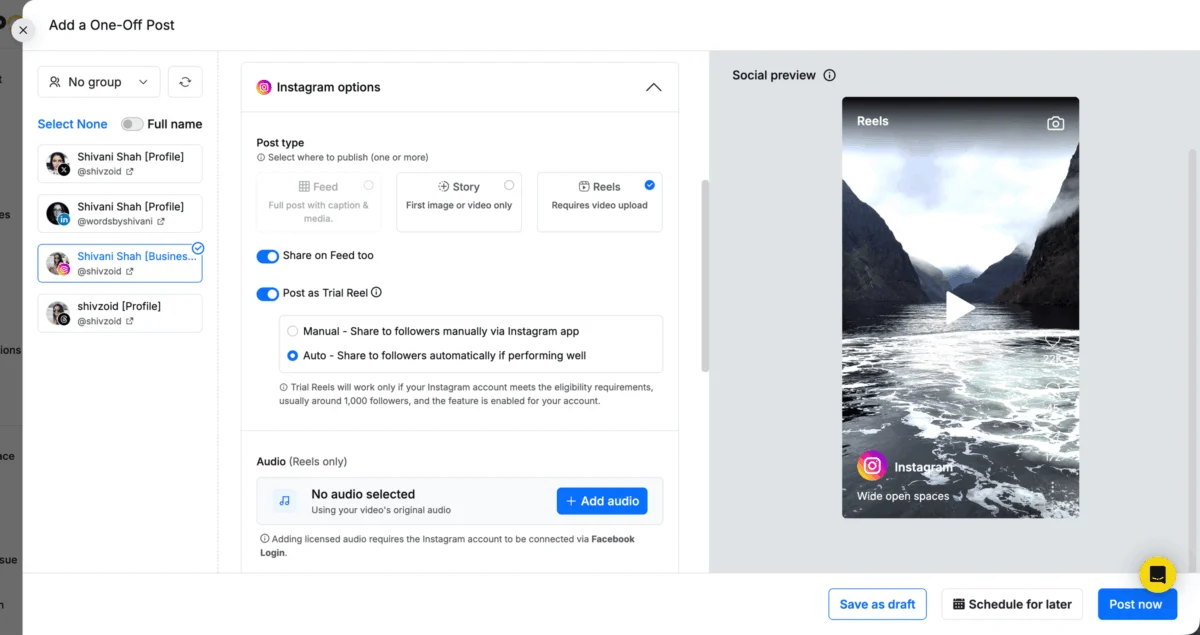
Later approaches content curation through a visual-first lens. Its primary differentiator is the visual content calendar, which features a drag-and-drop interface accompanied by an interactive grid preview for Instagram and Pinterest. This layout allows content creators to curate their aesthetic layouts prior to publication. Later also provides a centralized media library within each access group, permitting team members to apply tags, write alt text, and store collaborative assets. However, Later lacks native CSV bulk-upload capabilities, requiring a more manual, tactile approach to campaign scheduling.
Artificial Intelligence Integration and Automation
The integration of artificial intelligence (AI) has transformed software utility across the digital marketing sector. Both Buffer and Later have incorporated generative AI capabilities to assist with caption writing, content ideation, and textual refinement, though their access models differ starkly.
Buffer provides unlimited AI Assistant usage across all tiers, including its permanent free plan. Users can generate fresh concepts, draft platform-specific variations, and repurpose long-form copy without encountering usage ceilings or micro-transactional penalties. This democratized access ensures that even bootstrapped solopreneurs can leverage machine learning to maintain publishing velocity.
Later implements a consumption-based credit system tied exclusively to its paid subscription tiers. Users are allotted a predetermined number of monthly credits—expending credits to generate captions or content prompts. Once these allotted tokens are exhausted, users must either wait for the next billing cycle or purchase supplementary token packs. While Later’s AI successfully builds structured content pillars based on brand descriptions, its metered approach introduces financial friction for high-volume content operations.
Engagement Management and Community Building
Maintaining audience retention requires active dialogue and rapid response metrics. Centralized community management tools consolidate inbound comments, mentions, and direct messages into unified dashboards, mitigating the need to natively log into multiple native applications.
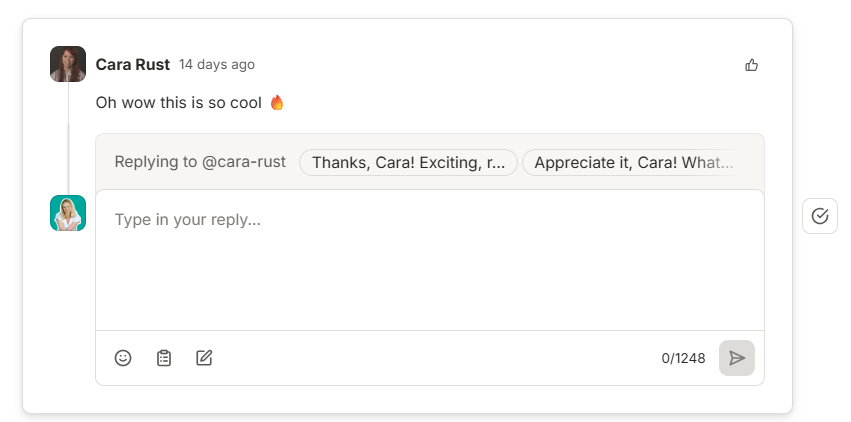
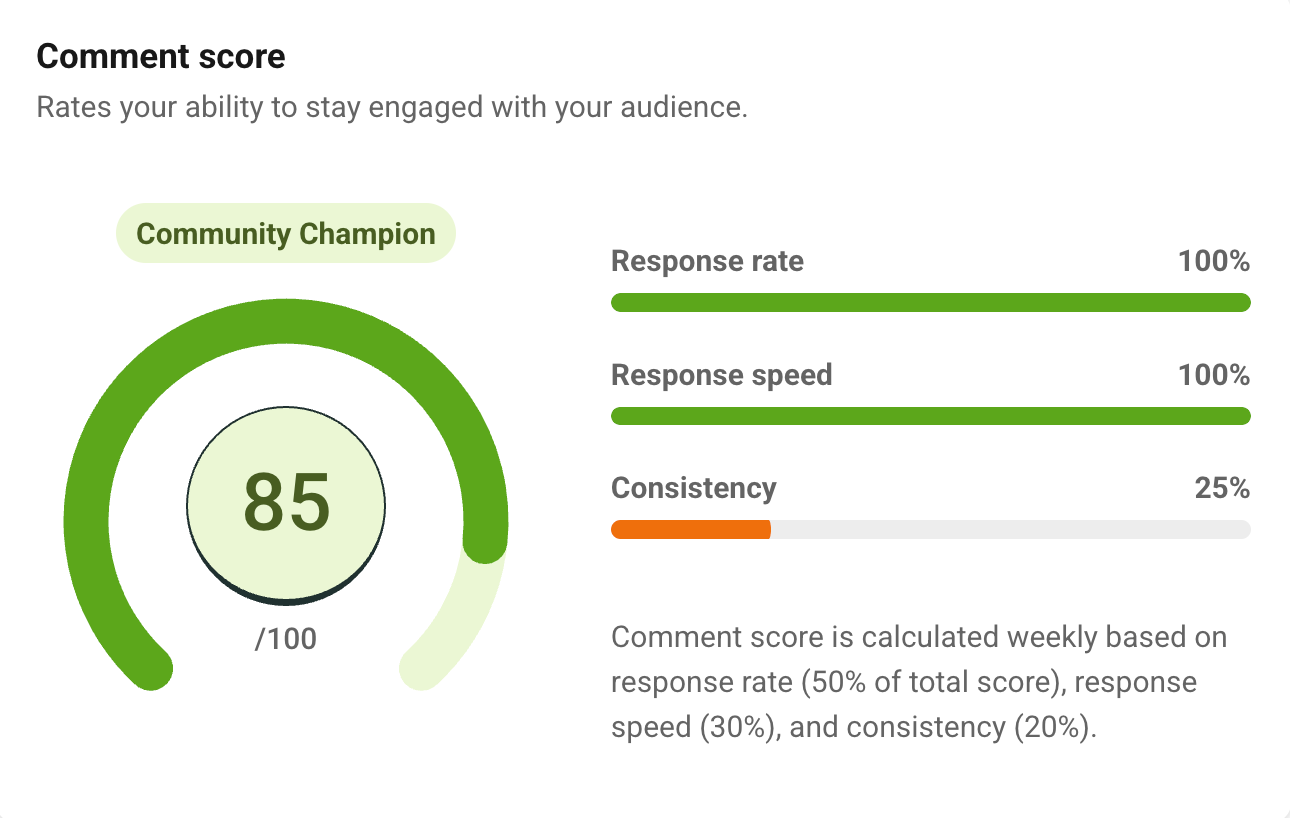
Buffer’s Community feature is available across all subscription levels, including the free tier. It centralizes incoming interactions across supported networks, supplemented by AI-driven response suggestions and saved replies for frequently asked questions. A unique metric provided by Buffer is the "comment score," which tracks institutional response times and consistency, granting social media managers granular visibility over team responsiveness and audience engagement health.
Later houses its engagement infrastructure within a Social Inbox, which aggregates Instagram and Facebook direct messages alongside comments from Instagram, Facebook, and TikTok. A notable utility within Later’s inbox is the ability to moderate discussions by hiding inappropriate comments directly from the dashboard. However, access to Later’s Social Inbox is strictly gated behind its higher-tier Growth and Scale plans, entirely excluding solo operators on lower tiers. Furthermore, Later offers enterprise-grade social listening tools—capable of sentiment analysis, brand mention tracking, and competitive benchmarking—as a paid add-on exclusively for Scale tier subscribers.
Analytics, Insights, and Performance Reporting
Data-driven decision-making remains a cornerstone of professional digital marketing. Evaluating the efficacy of disseminated content requires rigorous analytical reporting regarding reach, impression volume, audience demographics, and optimal posting windows.
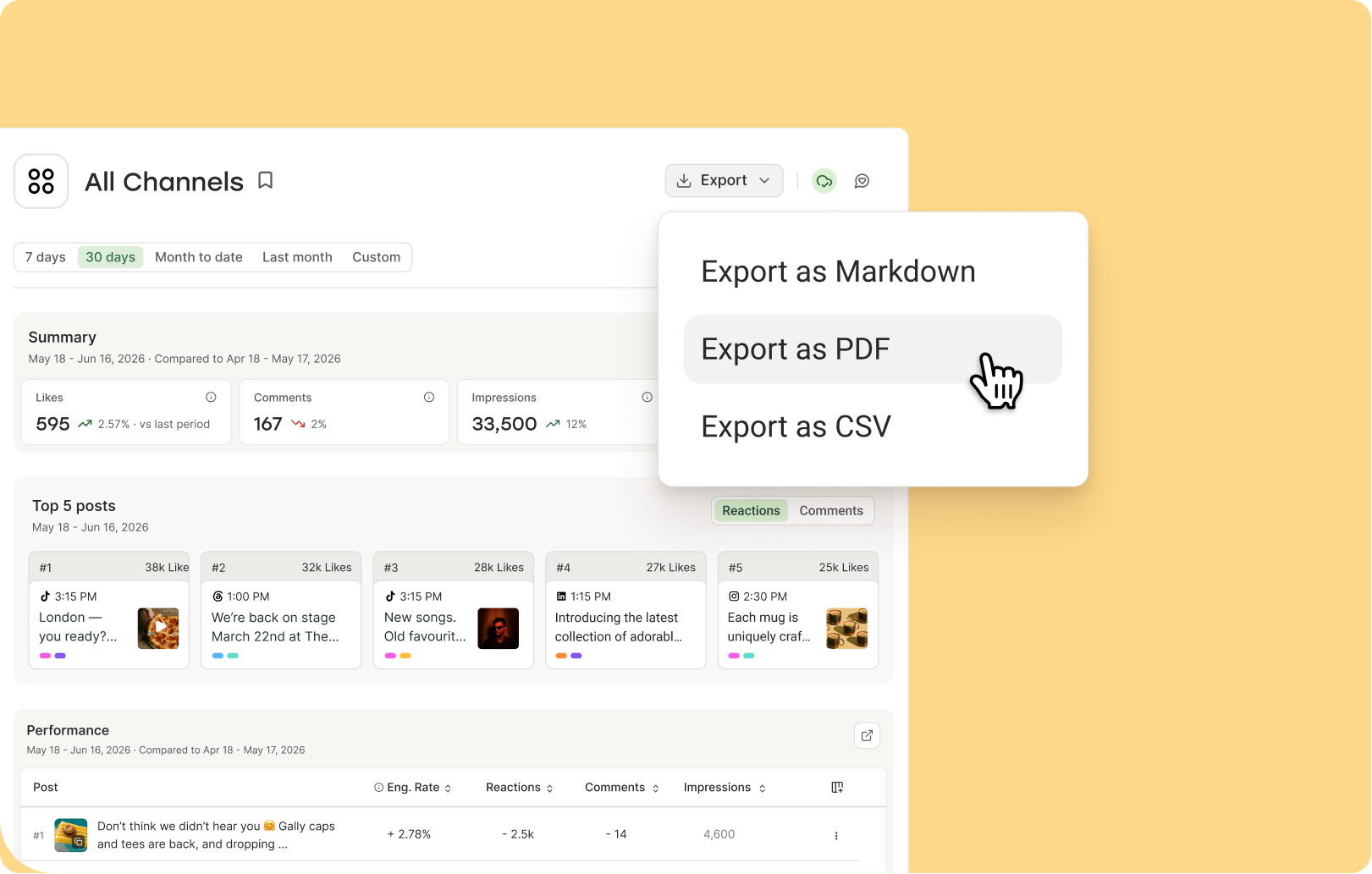
Buffer’s analytics suite, branded as Insights, is integrated into every pricing tier, providing foundational data collection on free plans and deep historical analysis, custom date ranges, and advanced reporting on paid options. A standout capability within Buffer Insights is its AI-powered "Takeaways" feature, which automatically parses complex performance metrics and synthesizes actionable recommendations regarding optimal content types, timing, and strategic adjustments. Reports can be seamlessly exported into PDF or CSV formats.
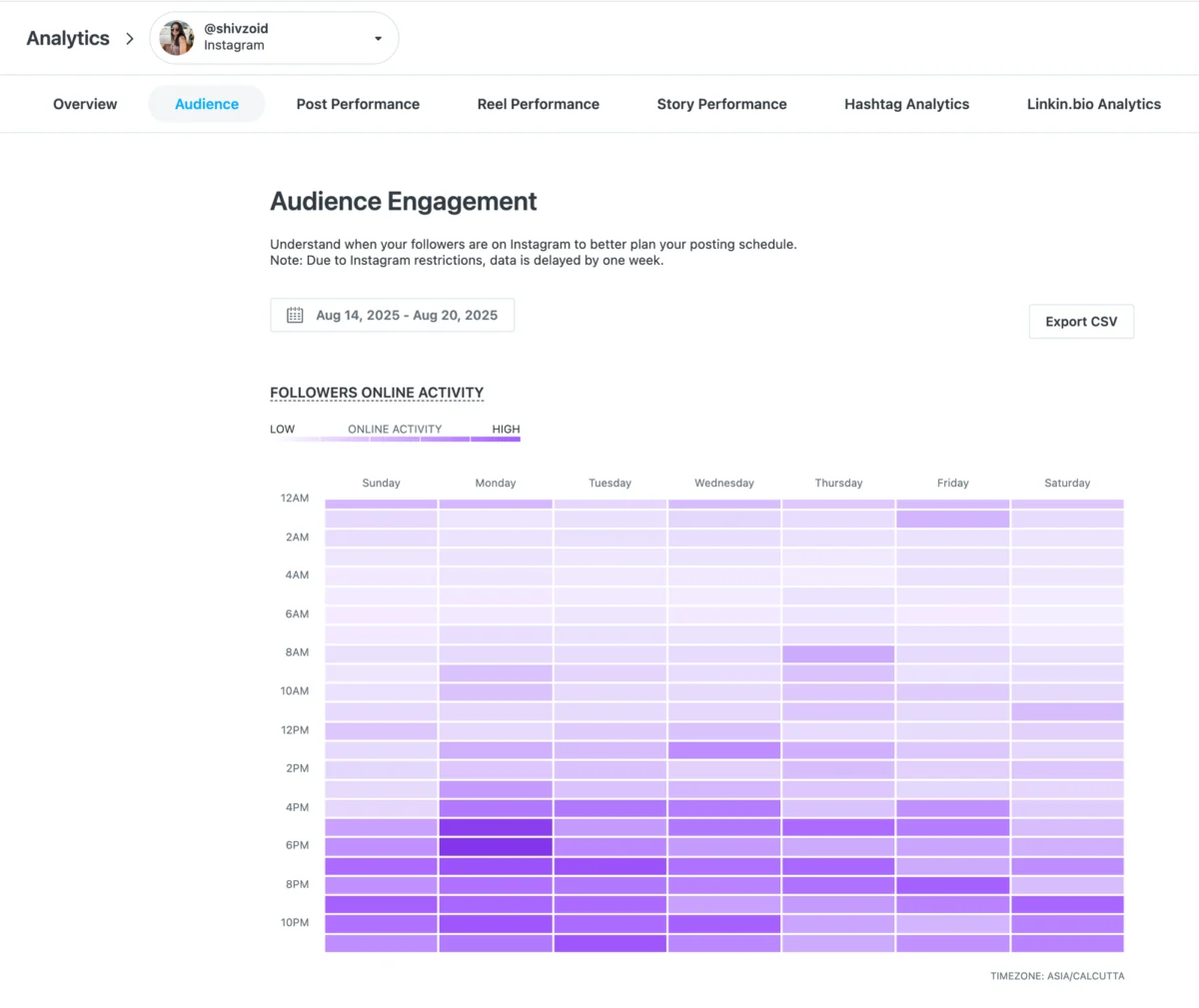
Later provides robust visual analytics, particularly for Instagram, TikTok, and Facebook. Its platform provides detailed demographic breakdowns—including age, gender, and geographic location—as well as interactive heatmaps illustrating when a brand’s specific audience base is actively online. While Later’s reporting exports are restricted to CSV file downloads for general data, it does permit Instagram users to generate a shareable 90-day performance report link. However, multi-account analytical aggregation is reserved exclusively for enterprise-level subscribers.
Link-in-Bio and Conversion Infrastructure
Driving outbound traffic from platform ecosystems where direct hyperlink embedding is restricted remains a persistent challenge for digital creators. Both Buffer and Later offer proprietary link-in-bio landing page builders to maximize conversion potential from social media profiles.
Buffer’s Start Page functions as a modular block-based landing page builder. Users can integrate text blocks, external hyperlinks, email subscription forms, video embeds, and infinite image grids. This architectural flexibility permits multiple instances of identical block types—such as dual image galleries separating product showcases from collaborative partnerships. Start Page also accommodates affiliate marketing monetization via standard hyperlink integration.
Later’s Linkin.bio tool leans heavily into commerce integration. It features a carousel image banner and establishes native connections with e-commerce platforms such as Shopify, allowing brands to tag specific products directly within grid imagery to track conversion pathways. Additionally, Later integrates with the affiliate platform Mavely, enabling creators to seamlessly generate monetized affiliate links directly inside the application interface.
Collaborative Governance and Administrative Controls
As marketing operations scale from individual creators to multi-tiered agency environments, rigorous access controls and approval workflows become paramount.
Buffer’s approach to team management relies on simplicity. Its Team plan permits unlimited user seats at a predictable, flat-rate subscription cost. Administrators can assign basic operational roles and restrict user access to specific social channels, ensuring clear separation of duties without incurring per-seat administrative penalties. Furthermore, Buffer maintains an open public API across all tiers, enabling enterprise development teams to construct custom automation pipelines and proprietary workflow integrations.
Later structures team collaboration through "Access Groups," designed to segregate brand portfolios, media libraries, and publishing calendars for agency environments. While functional, this architecture can introduce administrative rigidities, as access groups are strictly tethered to rigid social sets. Later permits granular permission assignments (such as Contributor versus Admin roles) and provides a shared media library within each access group equipped with tagging, notes, and alt-text annotation capabilities. Additional user seats beyond plan allotments can be purchased incrementally.
Strategic Implications and Selection Criteria
Choosing between Buffer and Later depends heavily on the organizational profile, financial structure, and strategic priorities of the user.
Buffer emerges as the optimal platform for solopreneurs, cost-conscious small businesses, and agencies prioritizing predictable budgeting, multi-platform versatility, and unlimited team collaboration. Its channel-based pricing model ensures fiscal efficiency, while unrestricted AI usage, comprehensive multi-platform support (including X, Mastodon, and Bluesky), and robust free-tier provisions make it a highly adaptable operational hub.
Later positions itself as a premier solution for visually driven consumer brands, e-commerce entities, and influencer-centric marketing teams deeply embedded within Instagram and TikTok ecosystems. Its visual grid planning, drag-and-calendar mechanics, Shopify integrations, and sophisticated audience demographic heatmaps provide specialized utility for brands where aesthetic curation and visual storytelling directly correlate with revenue generation.