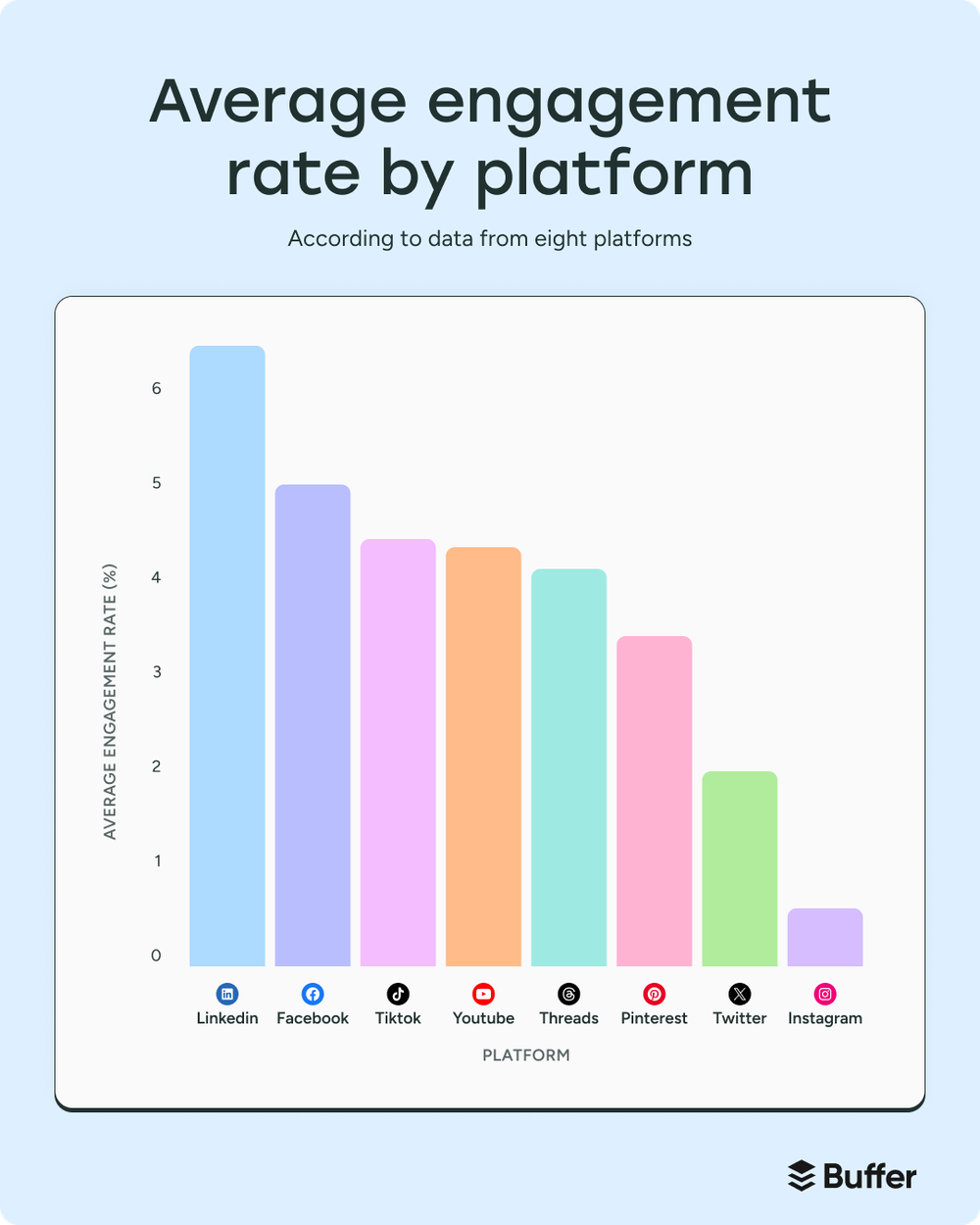
LinkedIn has solidified its position as one of the premier digital ecosystems for building a professional audience entirely from scratch, bypassing the need for paid advertisements, artificial follower inflation, or manipulative growth hacks. Recent industry data underscores this organic potential: an extensive cross-platform analysis of 52 million posts conducted for Buffer’s State of Social Media Engagement report revealed that LinkedIn boasts the highest median engagement rate among major digital platforms, hovering at approximately 6.2 percent. Furthermore, search engine tracking highlights LinkedIn as the most frequently cited website for professional inquiries in AI search engines like ChatGPT, indicating that user-generated insights posted on the platform directly influence broader information ecosystems.

Industry experts emphasize that a massive follower count is no longer a prerequisite for professional influence. Micro-communities consisting of highly engaged, targeted individuals yield superior professional and financial outcomes compared to vast, passive networks. For founders, independent creators, small business owners, and corporate professionals starting from zero, a structured, data-informed approach provides a reliable roadmap to sustainable digital growth.
Core Profile Optimization: Laying the Foundation for Organic Growth
Before content distribution can yield results, a user’s digital storefront—the LinkedIn profile—must be systematically engineered to convert profile visitors into committed followers. Industry benchmarks indicate that the vast majority of users review a profile before determining whether to follow an account seen in the feed.
The primary conversion mechanism begins with a simple setting adjustment: transitioning the primary profile button from "Connect" to "Follow." Historically bundled within LinkedIn’s retired Creator Mode, this standalone setting allows prospective audience members to establish a one-tap subscription without requiring mutual connection approvals. Navigating to Settings & Privacy under the Visibility tab permits users to designate following as the primary action, removing friction for prospective followers while preserving connection capabilities through secondary menus.
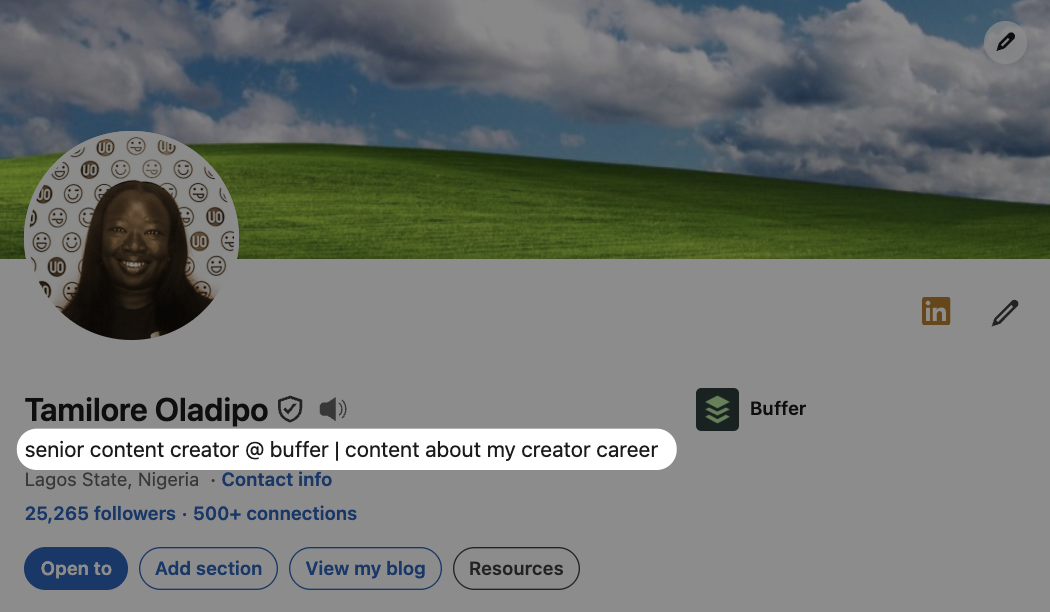
Complementing this structural change requires a strategic revision of the profile headline. Rather than relying solely on corporate job titles—which rarely incentivize a stranger to follow—effective headlines utilize a precise formula pairing an individual’s role with the specific value proposition of their content. Digital strategists recommend prioritizing the first 60 to 70 characters of the 220-character limit, as these segments appear prominently in search engine results and comment threads.
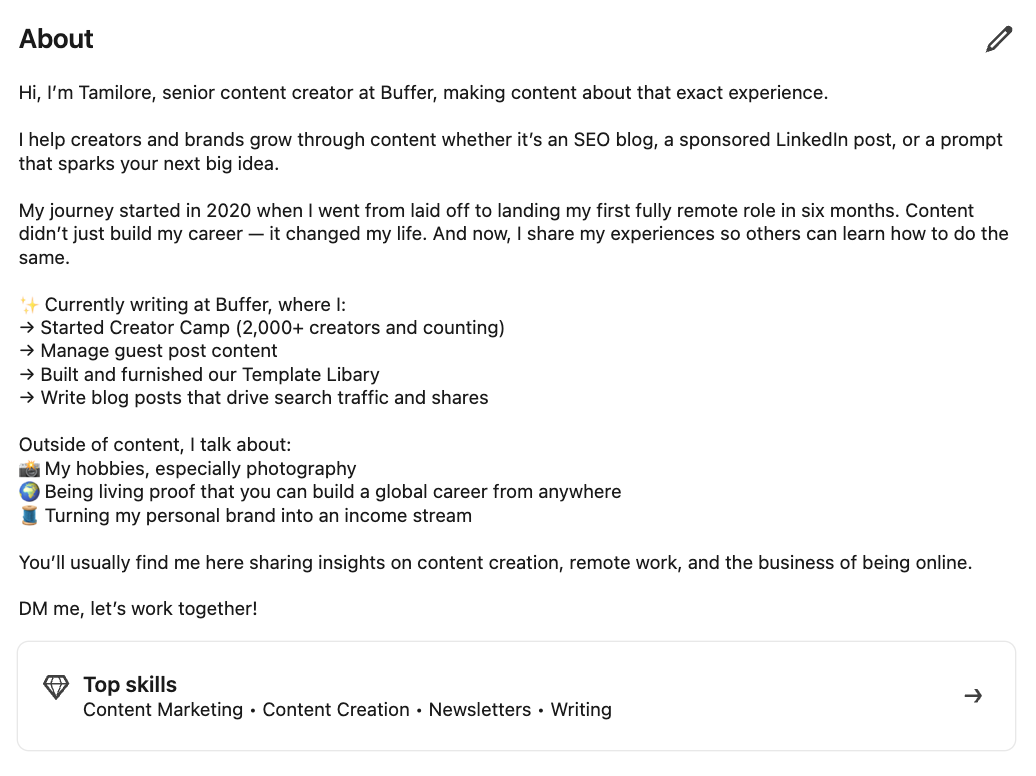
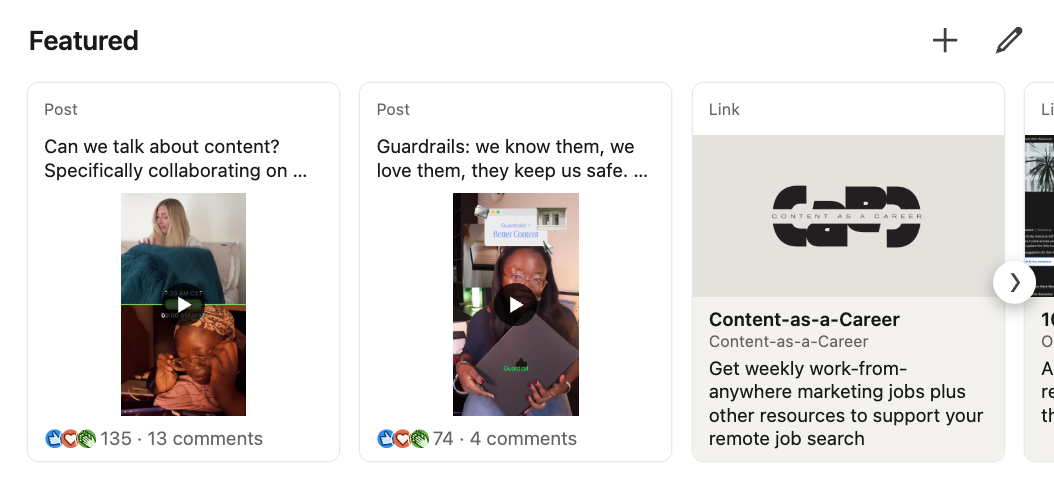
The narrative depth of the profile is established within the About section. Providing up to 2,600 characters of biographical context, this space moves beyond a traditional Curriculum Vitae to articulate a professional trajectory and core thematic focus. Given that truncation occurs near the 300-character mark, leading with compelling personal context is critical. Finally, the Featured section acts as a curated portfolio, housing top-performing content, newsletter editions, or external resources to demonstrate immediate value to prospective followers.
Algorithmic Realities and Content Strategy
Understanding the mechanics of LinkedIn’s discovery engine is vital for maximizing reach. Following a comprehensive overhaul of its ranking architecture, LinkedIn utilizes advanced artificial intelligence and GPU-powered ranking models to evaluate content relevance within minutes of publication.
Engineering papers published by LinkedIn developers highlight two primary metrics governing feed distribution: "long dwell" time—the duration users spend actively engaging with a post—and explicit interactions, including reactions, comments, and shares. Consequently, content creators must focus on producing zero-click content where the complete narrative is delivered within the post itself, discouraging outbound redirection that historically depresses organic distribution. Buffer’s comparative data indicates that link previews suffer a notable deficit in total impressions and engagement volume compared to native text and multimedia formats.
To satisfy the algorithmic requirement for topical authority, professionals are advised to narrow their content focus to three distinct pillars. Concentrating commentary within a well-defined niche enables the platform’s AI models to accurately categorize the creator and deliver their content to receptive audiences.
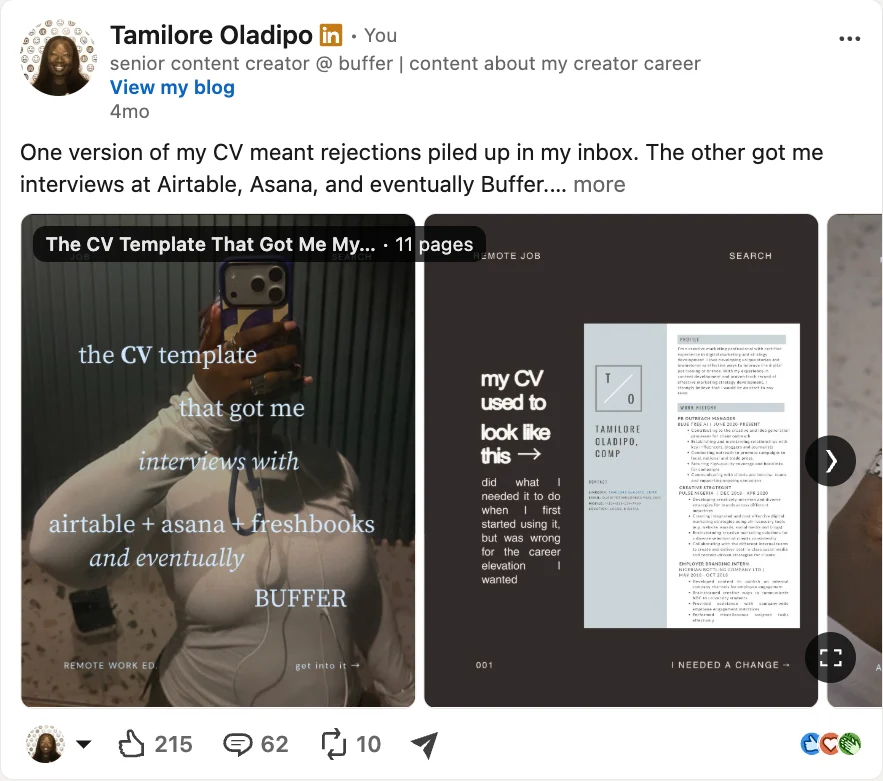
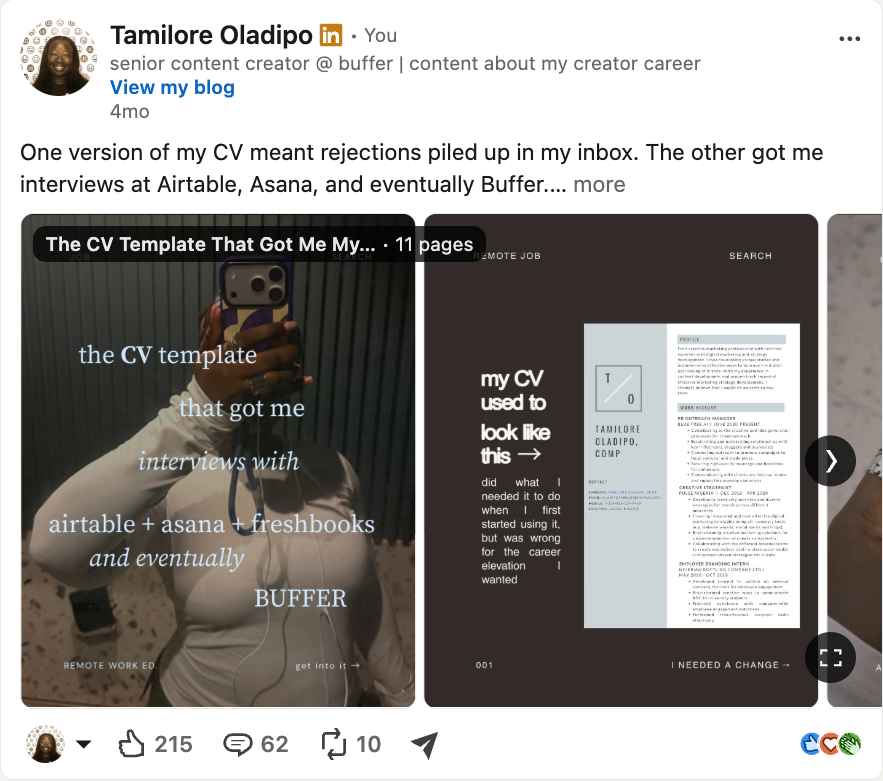
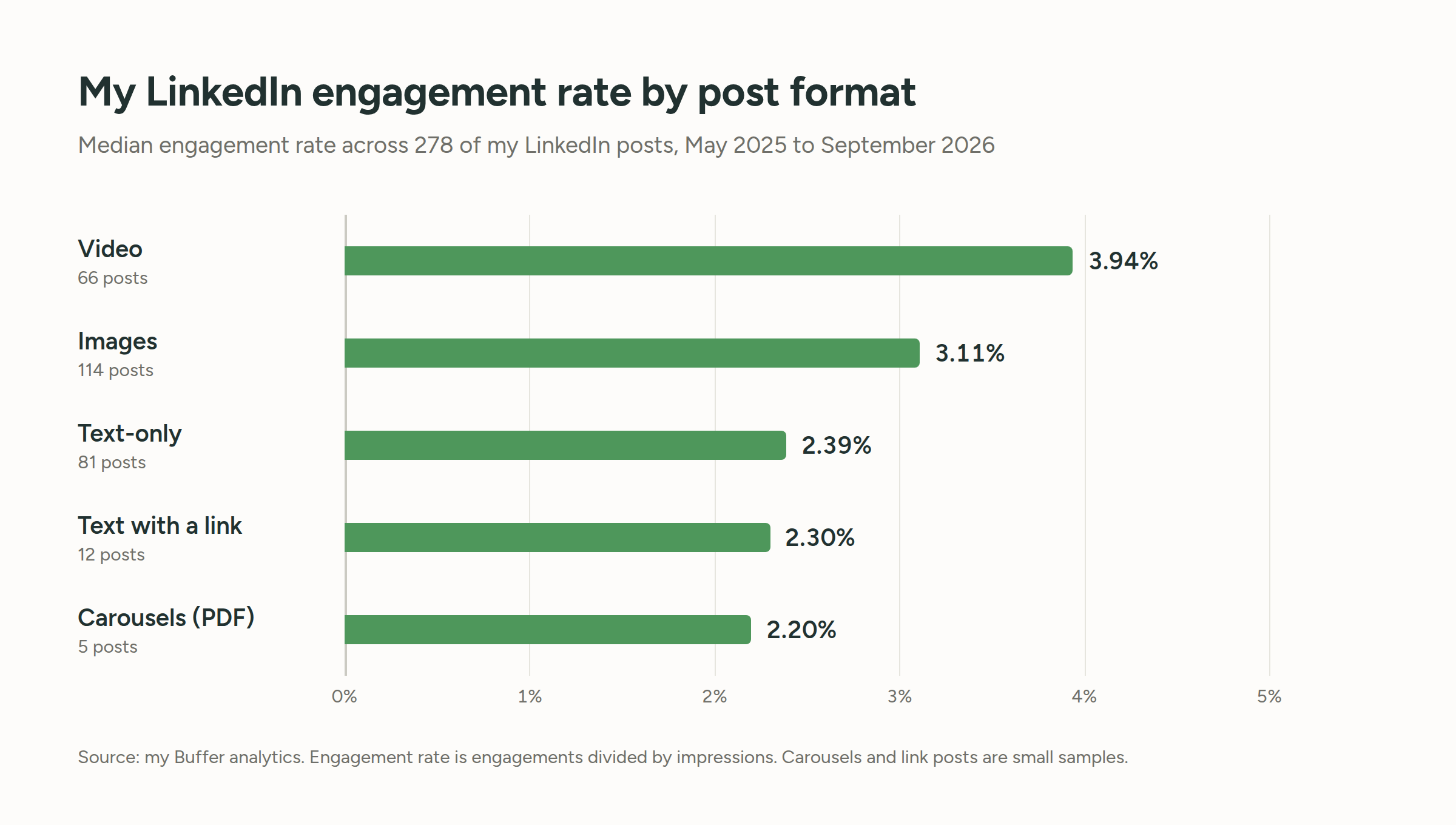
Format selection also plays a decisive role in performance metrics. Empirical data highlights document-based carousels as the dominant organic format, registering a median engagement rate exceeding 21 percent. Video content follows as a powerful vehicle for broad impressions, while traditional text-only updates, though economical to produce, generally register lower engagement thresholds.
Engagement Dynamics and Community Building
Content distribution represents only half of the growth equation; active participation in platform conversations is equally critical. Platform metrics demonstrate that acknowledging and replying to comments can elevate overall engagement by approximately 30 percent, with the vast majority of profiles experiencing measurable algorithmic benefits from active comment management.
Beyond one’s own publishing schedule, strategic participation in external comment sections serves as a powerful acquisition channel. Leaving thoughtful, substantive commentary on high-traffic profiles within a specific industry exposes the commenter to broader peer networks, leveraging algorithmic visibility mechanisms that highlight user interactions across secondary feeds.
Collaborative publishing features further enhance audience acquisition. By co-authoring posts with industry peers, creators can seamlessly cross-pollinate audiences, combining network reach under a unified publication.
Advanced Features: Newsletters and Live Events
For creators seeking to circumvent feed volatility entirely, native features such as LinkedIn Newsletters and LinkedIn Live offer direct distribution channels. Open to all platform members, newsletters trigger direct notifications and email alerts to subscribers upon publication, fostering a direct subscriber relationship independent of algorithmic whims. Similarly, scheduled LinkedIn Live sessions leverage event RSVP notifications to assemble engaged cohorts in real time, transforming passive scrollers into active community participants.
Ultimately, sustainable audience growth on LinkedIn relies on consistency, disciplined execution, and adherence to empirical data rather than speculative tactics. By systematically optimizing profile architecture, anchoring content in distinct topical pillars, and actively fostering community discourse, professionals can build durable digital influence entirely through organic means.