 Clara Fransiska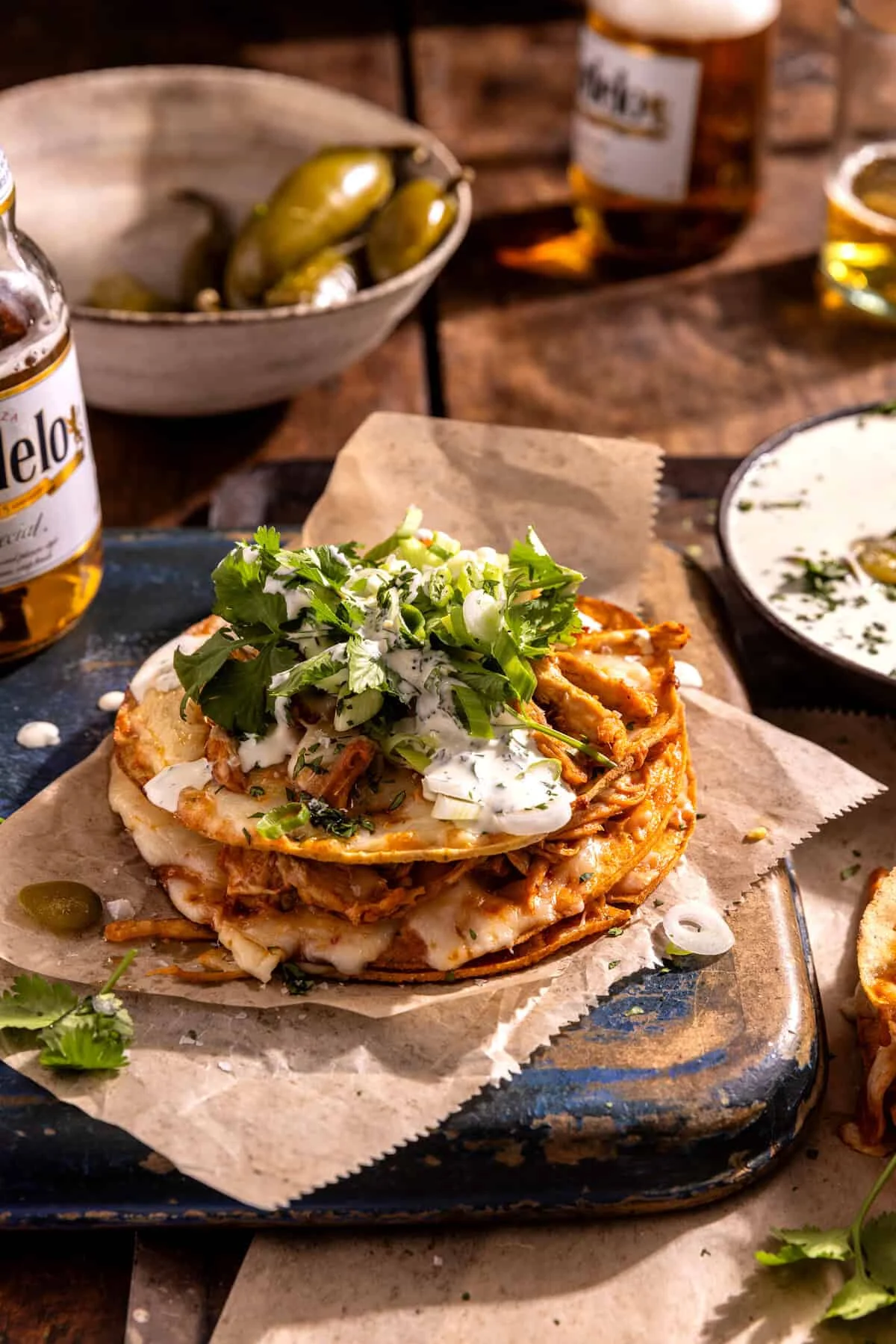
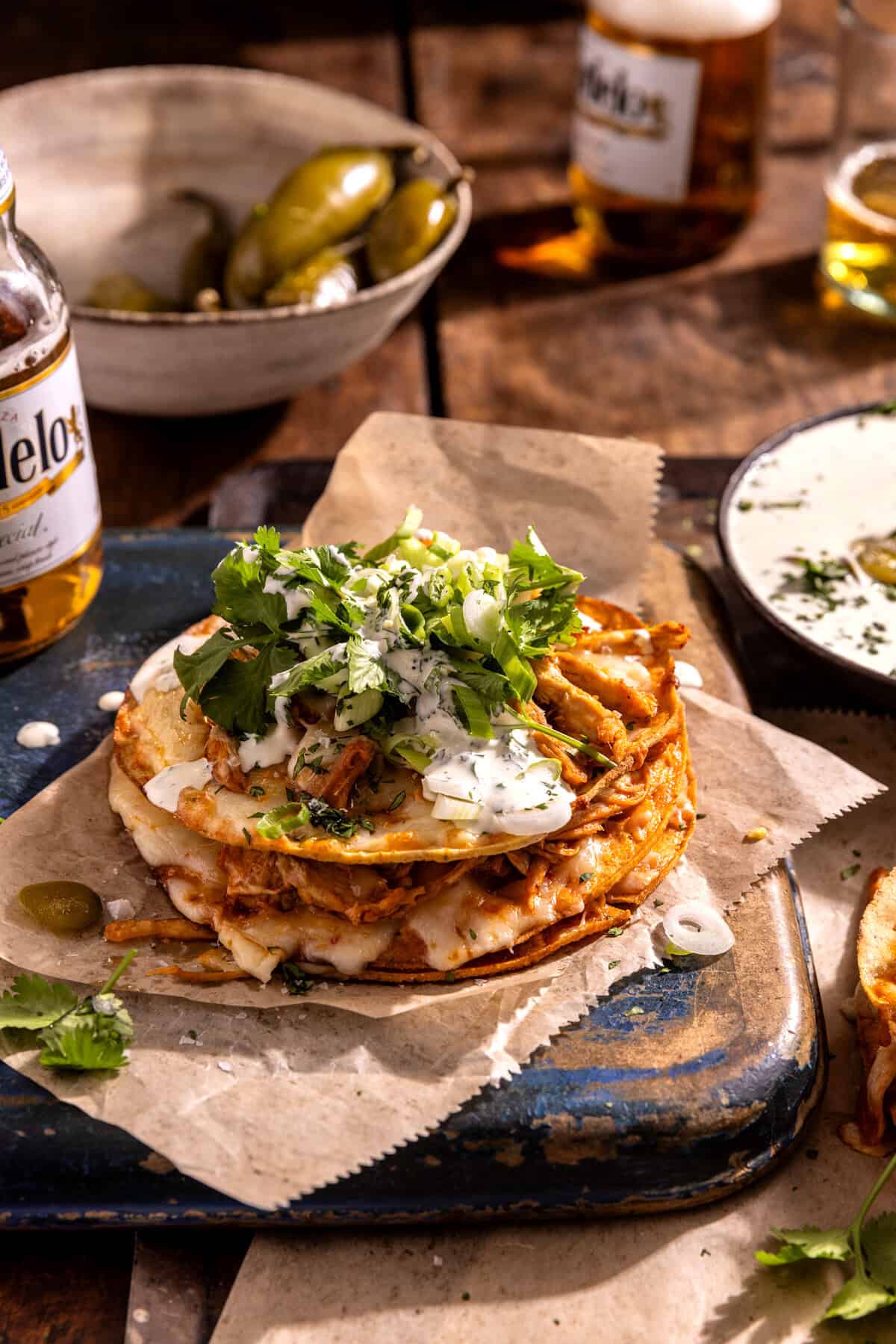
The intersection of regional American culinary traditions and the high-energy culture of professional sports has long served as a primary driver for food innovation in the United States. A prime example of this trend is the emergence of the Buffalo Chicken Tostada Stack, a dish that bridges the gap between classic midwestern "bar food" staples and the vibrant, handheld flavors of Mexican-inspired cuisine. As the popularity of home-based game day viewing continues to rise, recipes that combine ease of preparation with high-impact flavor profiles have become essential components of the modern American host’s repertoire.
The Evolution of Game Day Fare
The tradition of pairing savory, high-calorie snacks with televised sports, particularly American football, has been a cornerstone of domestic culture since the mid-20th century. Historically, this trend was fueled by the rise of the buffalo wing, which originated in Buffalo, New York, in 1964. By the 1980s, the buffalo flavor profile—defined by the acidic heat of cayenne pepper sauce and the cooling properties of blue cheese or ranch dressing—had become a universal standard for game day catering.
In recent years, however, there has been a significant shift toward "fusion" comfort foods. Consumer data suggests that younger demographics, specifically Millennials and Gen Z, prioritize dishes that offer textural variety. The Buffalo Chicken Tostada Stack meets this demand by replacing the standard, often soggy, deep-fried appetizer with a layered, crispy, and structural approach to dining.
Culinary Anatomy and Preparation
From a culinary standpoint, the construction of a tostada stack relies on the integrity of the base layer. By utilizing a crispy corn tortilla shell as the foundation, the dish provides a necessary structural contrast to the slow-cooked, tender shredded chicken.
The preparation process is categorized into three distinct phases: protein infusion, sauce synthesis, and architectural assembly.
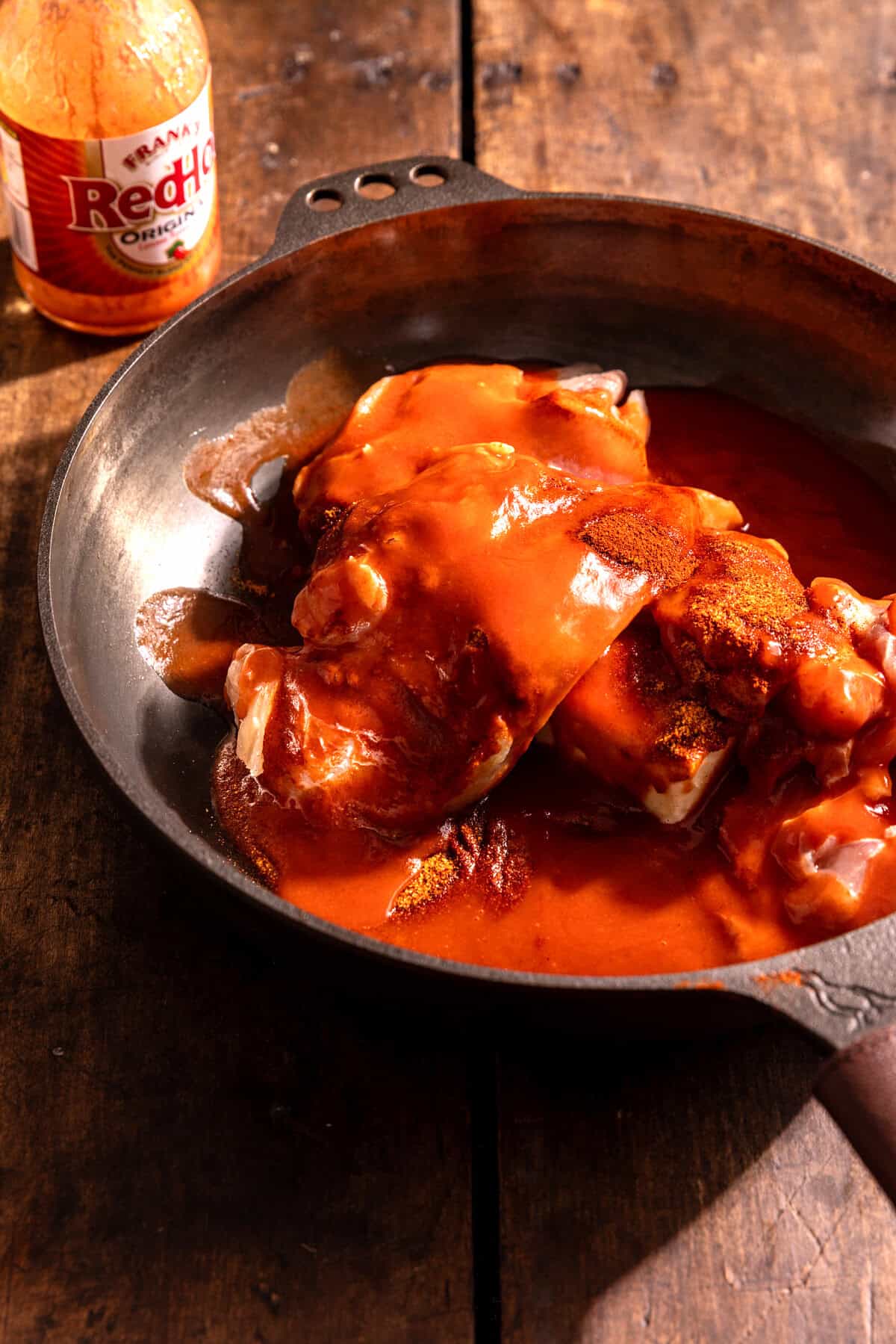
- Protein Infusion: The chicken is traditionally prepared using a slow-cooking method. The inclusion of Frank’s RedHot—the industry standard for authentic buffalo flavor—alongside butter, chipotle chili, and seasoned salt, ensures a deep flavor penetration.
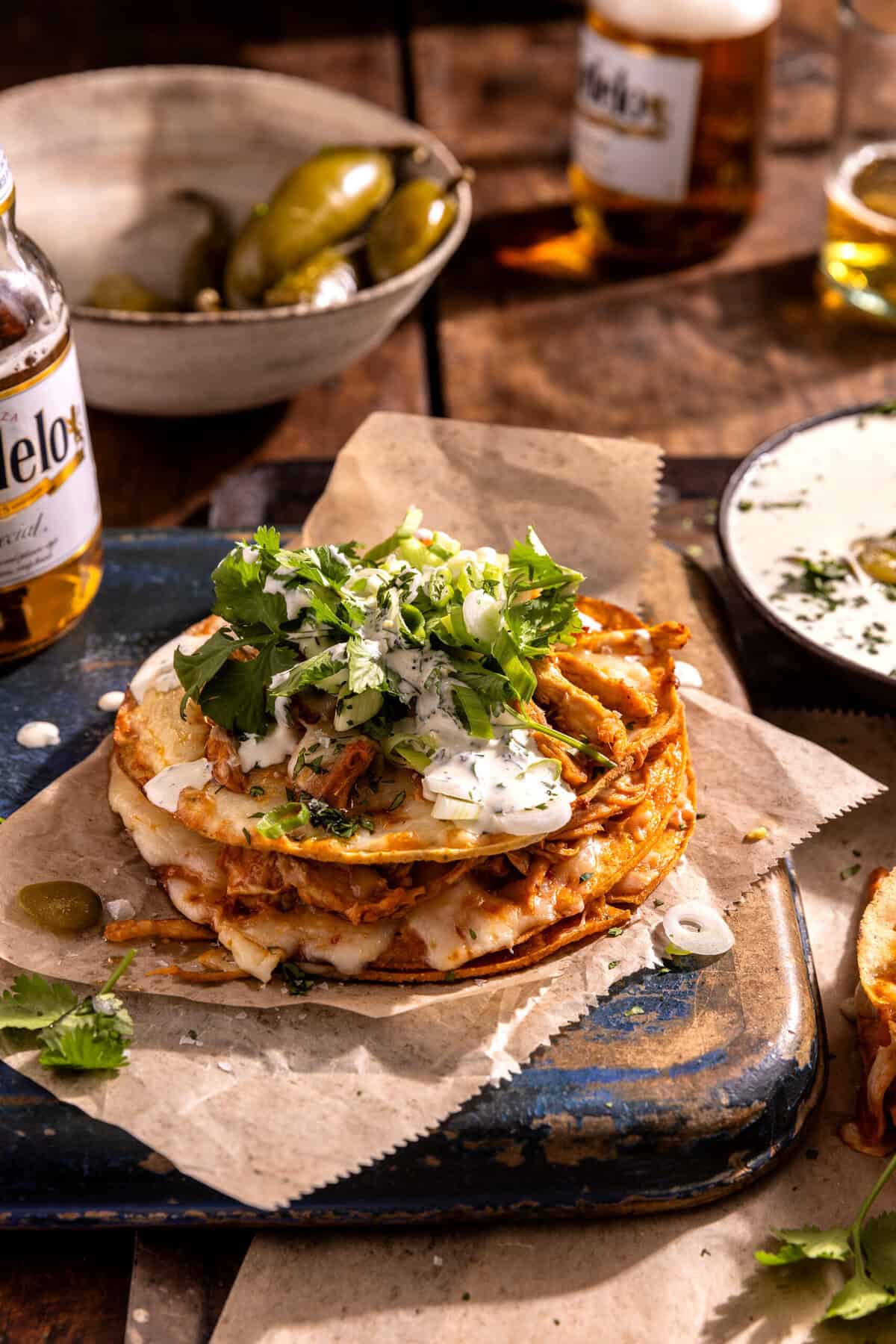
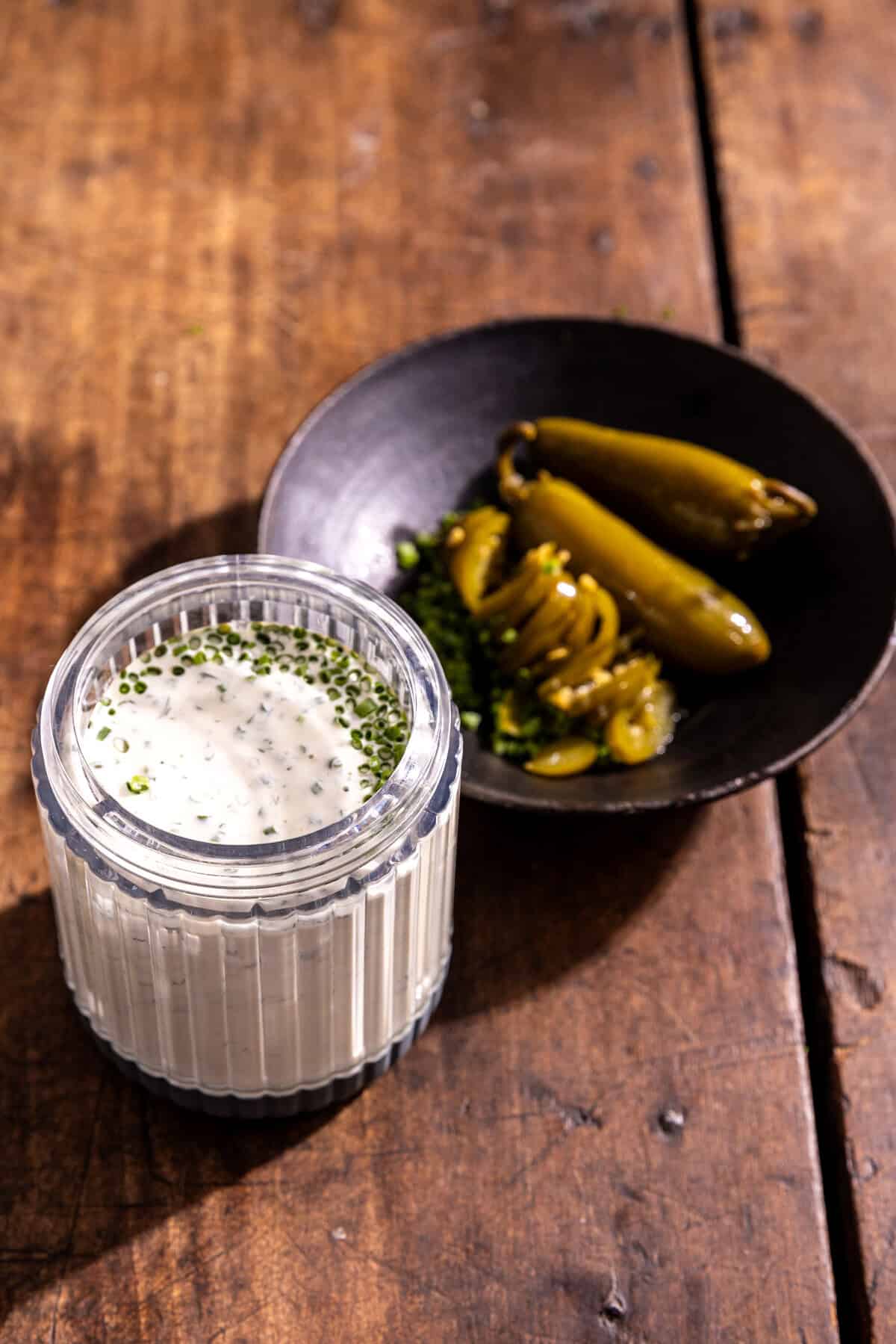
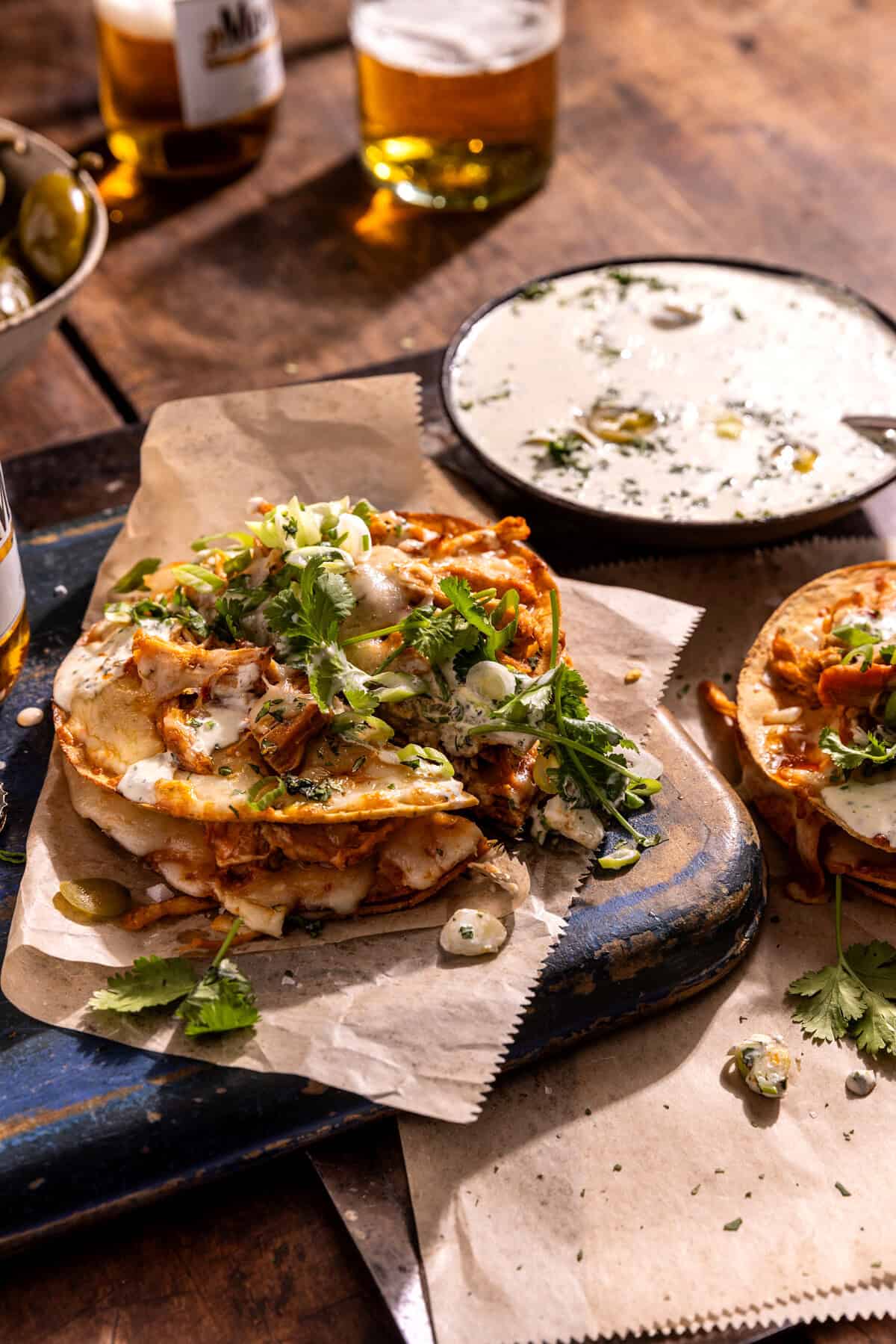
- Sauce Synthesis: The "creamy jalapeño ranch" element serves as the dish’s flavor balance. By blending buttermilk, fresh herbs, and pickled jalapeño brine, the sauce provides a necessary acidic cut to the richness of the cheddar and poultry.
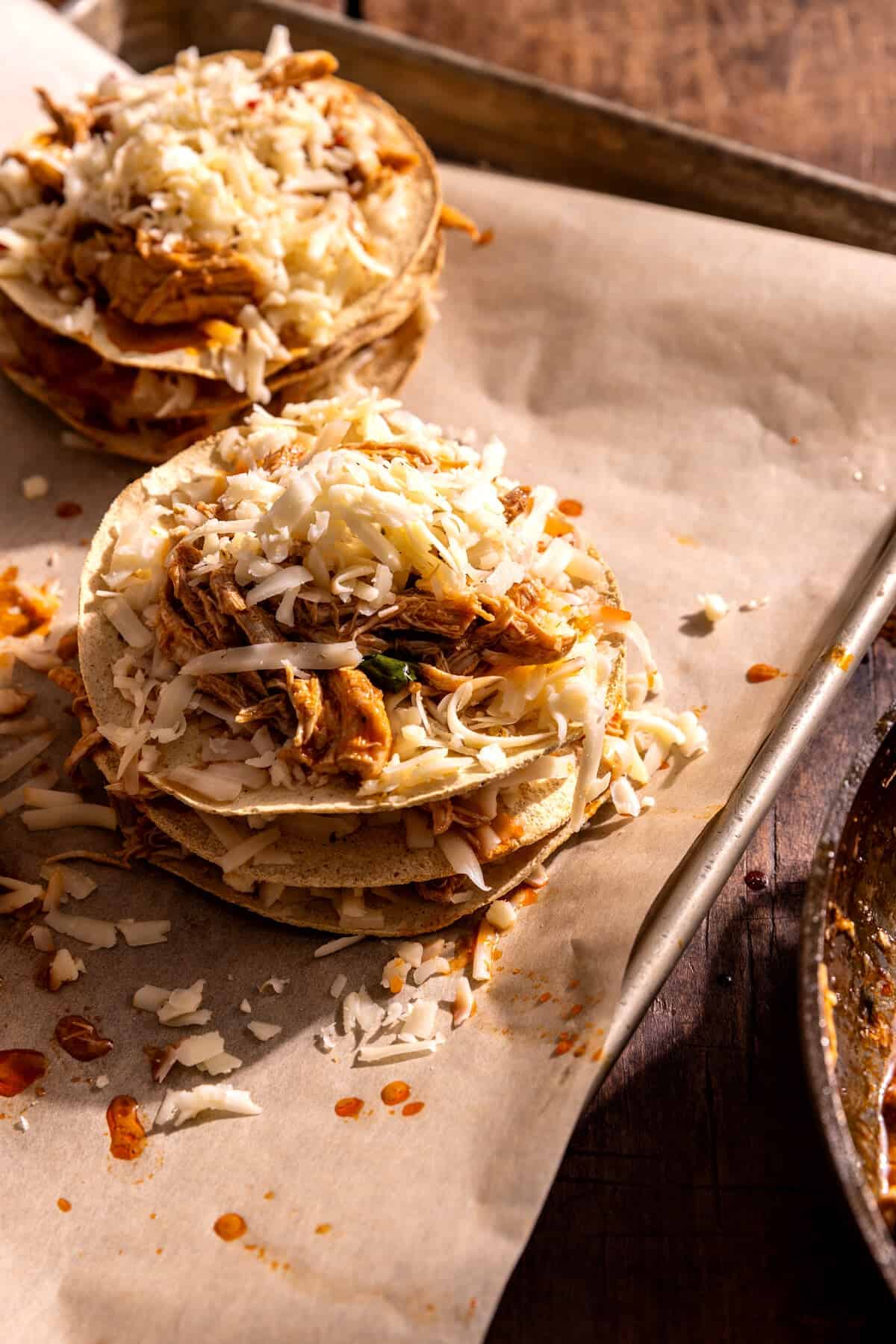
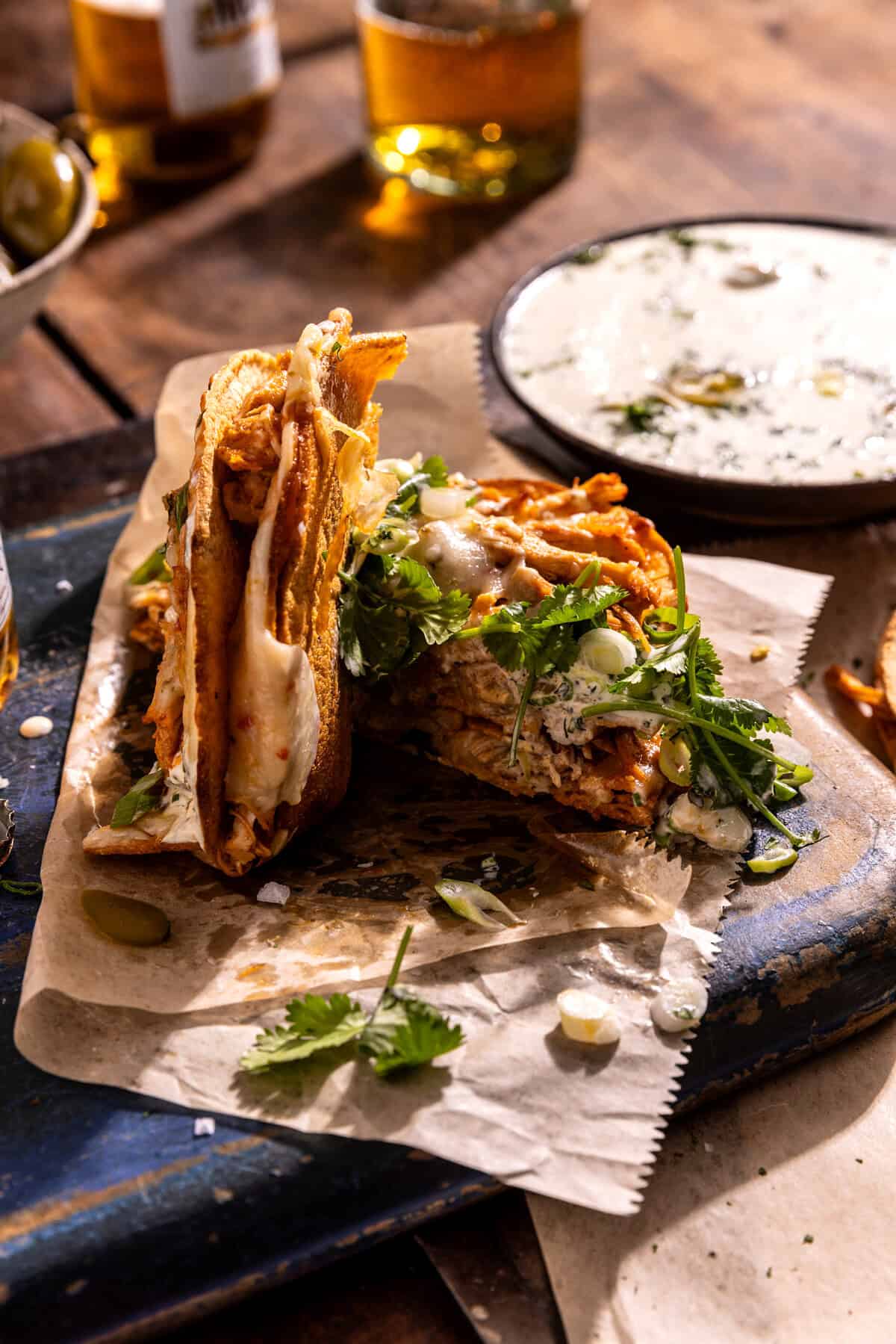
- Architectural Assembly: The "stacking" method is a departure from traditional flat-laid tostadas. By layering three shells with alternating cheese and chicken, the chef creates a vertical presentation that mimics the complexity of a lasagna but maintains the portability of finger food.
The Economic and Cultural Impact of Home Entertaining
The rise of such elaborate, yet home-cooked, recipes is directly linked to the changing economics of social gatherings. According to recent surveys by the National Retail Federation, consumers are increasingly choosing to host small gatherings at home rather than frequenting sports bars. This shift is attributed to a combination of rising food-away-from-home costs and a renewed emphasis on "home-centric" lifestyle trends.
The Buffalo Chicken Tostada Stack acts as a bridge for this demographic. It allows hosts to provide a restaurant-quality experience—often associated with high-end gastropubs—within a residential setting. Because the recipe is highly customizable, it accommodates a variety of dietary preferences, such as the inclusion of pepper jack for those seeking higher Scoville ratings or the addition of fresh avocado for healthier fat content.
Nutritional and Dietary Considerations
While the dish is categorized as a "comfort food," it is a dense caloric source. A standard serving, typically consisting of a three-layer stack, contains approximately 727 kilocalories. This density is primarily derived from the high fat content in the cheddar cheese, butter, and dairy-based ranch dressing.
Public health analysts note that while these dishes are not intended for daily consumption, they function as "occasional-use" recipes. The inclusion of fresh herbs, such as cilantro and chives, and the use of pickled jalapeños offer some micronutrient variance, though the dish remains heavily reliant on processed staples.
Strategic Benefits for the Modern Host
For the culinary enthusiast, the logistical advantage of this recipe lies in its "staggered preparation" timeline. By prepping the ranch and the shredded chicken in the hours preceding a game or event, the final assembly and baking time are reduced to approximately 25 minutes. This efficiency allows the host to remain present during social interactions, a critical factor for the success of any event.
Furthermore, the "open-access" nature of the toppings—allowing guests to add green onions, extra ranch, or avocado—serves a secondary social function. It encourages interaction and customization, turning the act of serving food into a communal activity rather than a rigid, plated experience.
Broader Implications for Culinary Trends
The success of the Buffalo Chicken Tostada Stack indicates a broader shift toward "maximum texture" dining. As the domestic culinary scene continues to evolve, the focus is moving away from purely aesthetic food and toward recipes that engage the palate through varying degrees of crunch, heat, and creaminess.
Industry experts suggest that as we move into the latter half of the decade, the demand for recipes that combine heritage flavors (like traditional buffalo sauce) with international techniques (like the corn-based tostada) will likely accelerate. This synthesis of global flavors is not merely a fad but a permanent shift in how Americans define "comfort food."
Final Considerations for Implementation
For those looking to adopt this recipe, the quality of the corn tortilla is paramount. When purchasing pre-made shells, it is standard practice to account for breakage; purchasing 20-30% more product than the required number of servings is recommended to ensure that every guest receives a complete, non-fractured stack.
As the calendar turns toward the height of the football season, the prevalence of these stacks in social media and home cooking blogs is expected to rise. The dish serves as a testament to the fact that with a few simple ingredients—chicken, sauce, cheese, and a crispy base—the home kitchen can successfully replicate the excitement and indulgence of the stadium experience. Whether served as a standalone meal or a component of a larger grazing table, the Buffalo Chicken Tostada Stack remains a versatile, high-impact option for any occasion.