 Clara Fransiska
The Sunday night dinner has long occupied a singular position in the cultural landscape of the home, serving as a symbolic bridge between the conclusion of the weekend and the onset of the workweek. As households navigate an era increasingly defined by fragmented schedules, digital saturation, and the erosion of traditional mealtimes, a growing movement is emerging to reclaim the Sunday evening as a focal point for communal connection. This shift reflects a broader sociological interest in the "slow living" movement, which emphasizes the deliberate preservation of social rituals that prioritize interpersonal engagement over efficiency.
The Sociological Context of the Sunday Meal
Historical data suggests that the practice of a structured family dinner reached its peak in the mid-20th century before experiencing a steady decline throughout the 1980s and 1990s. Sociologists attribute this change to several factors, including the increased participation of women in the workforce, the proliferation of extracurricular activities for children, and the rise of on-demand digital entertainment.

Current research from the American Time Use Survey indicates that the average American household now spends significantly less time in collective meal preparation and consumption than in previous decades. However, recent trends—particularly following the global shifts in work-life balance post-2020—have seen a renewed interest in "intentional cooking." This trend is not merely about food consumption; it is a response to the isolation often exacerbated by modern, screen-centric lifestyles. By designating Sunday night as a "no-tech" or "slow-prep" zone, families and social groups are effectively creating a boundary that protects their leisure time.
The Anatomy of an Intentional Menu
For those looking to adopt the practice of a traditional Sunday supper, the emphasis is increasingly placed on seasonality and resource management. A standard, high-efficiency menu designed for this purpose typically includes:
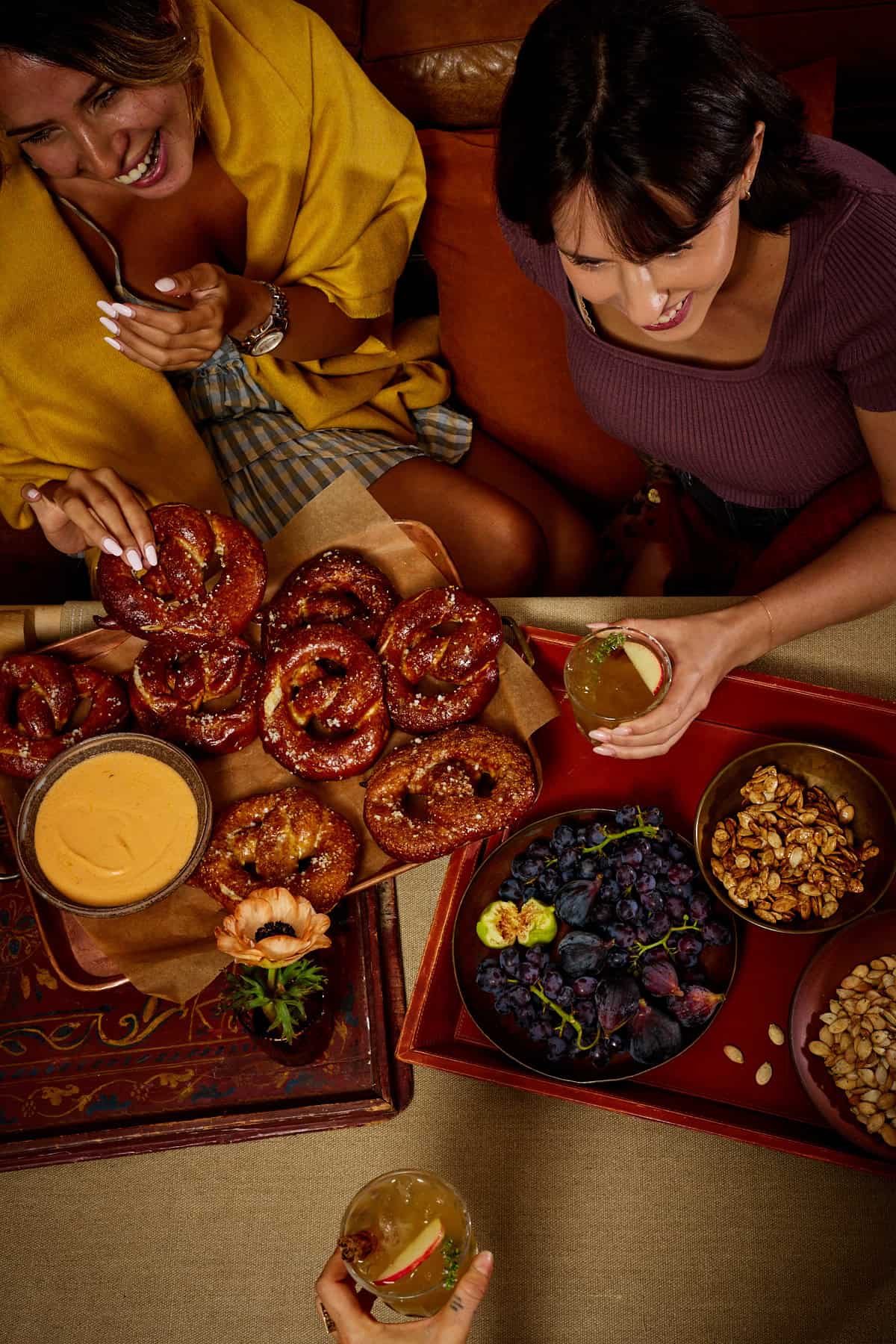
- The Beverage: A seasonal craft option, such as an apple cider sangria, which allows for batch preparation.
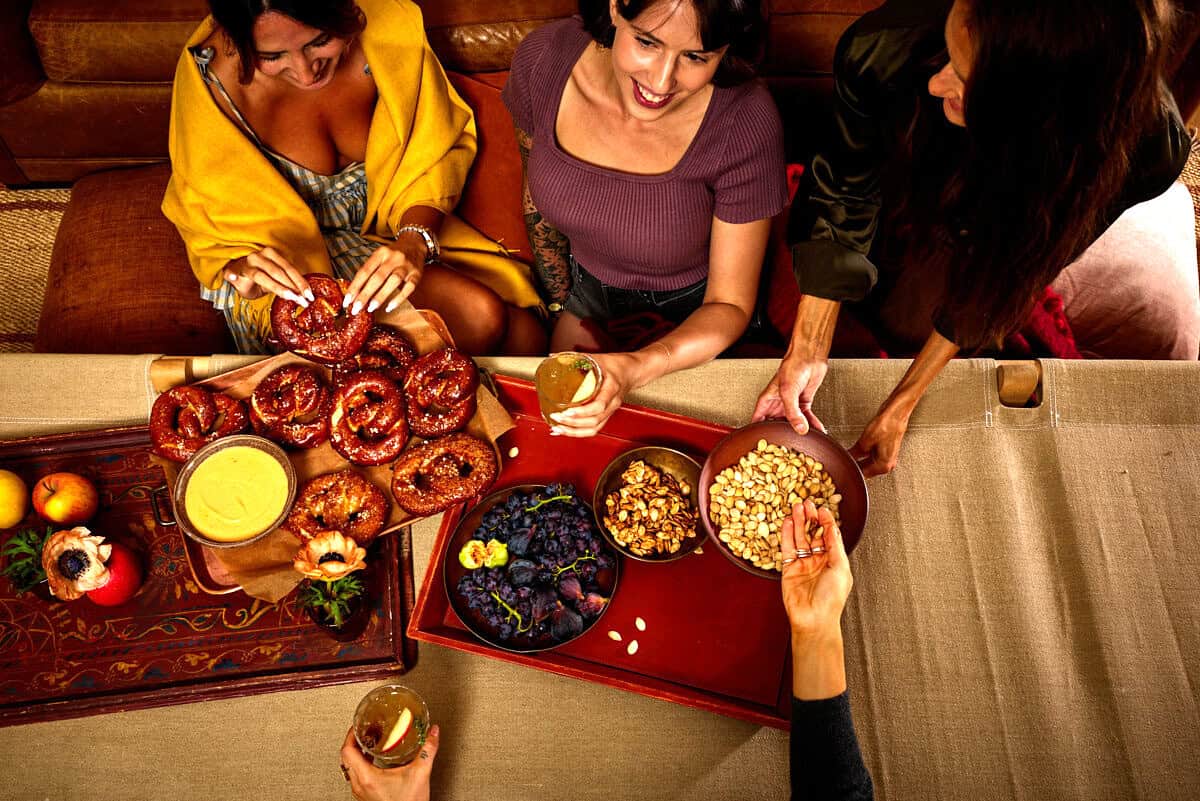
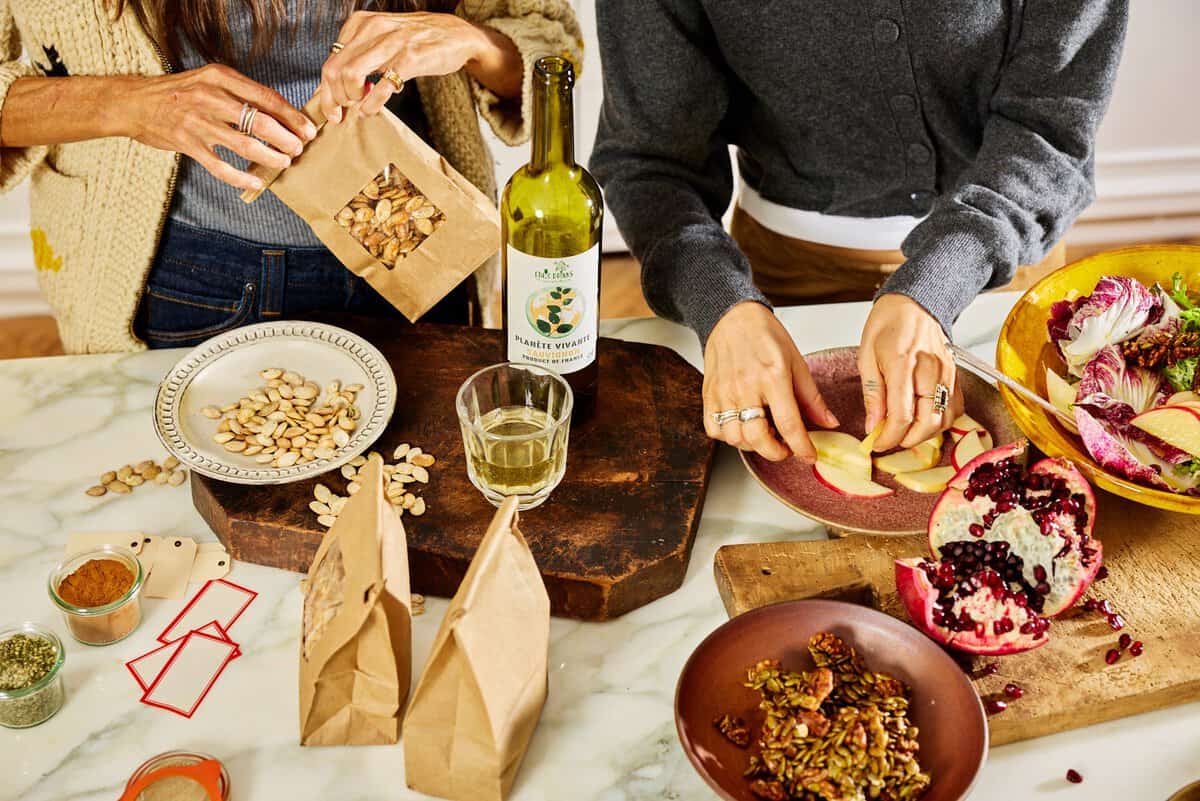
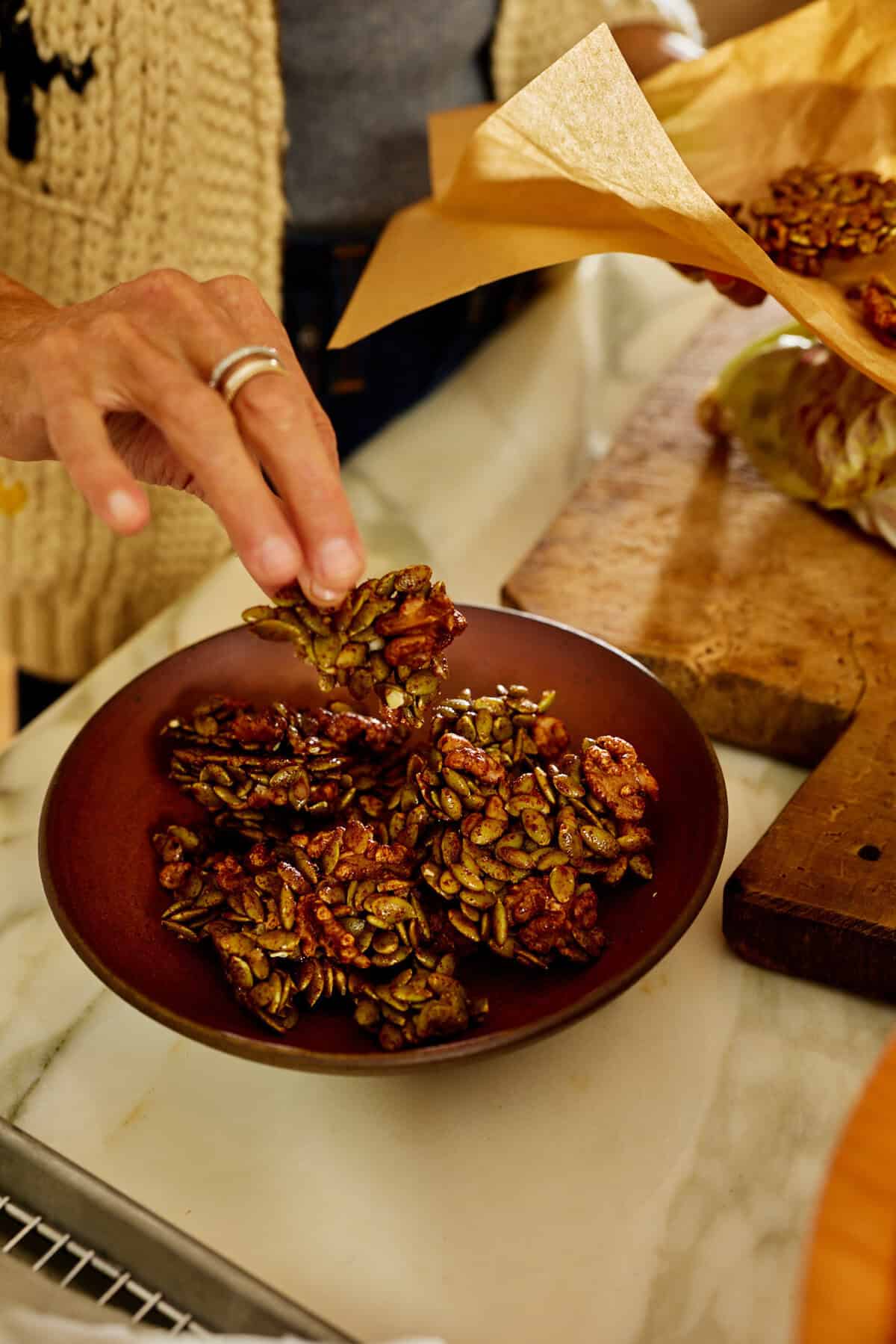
- The Appetizer: Low-maintenance, hand-held items like seasoned roasted pumpkin seeds or artisanal pretzels with savory dips.
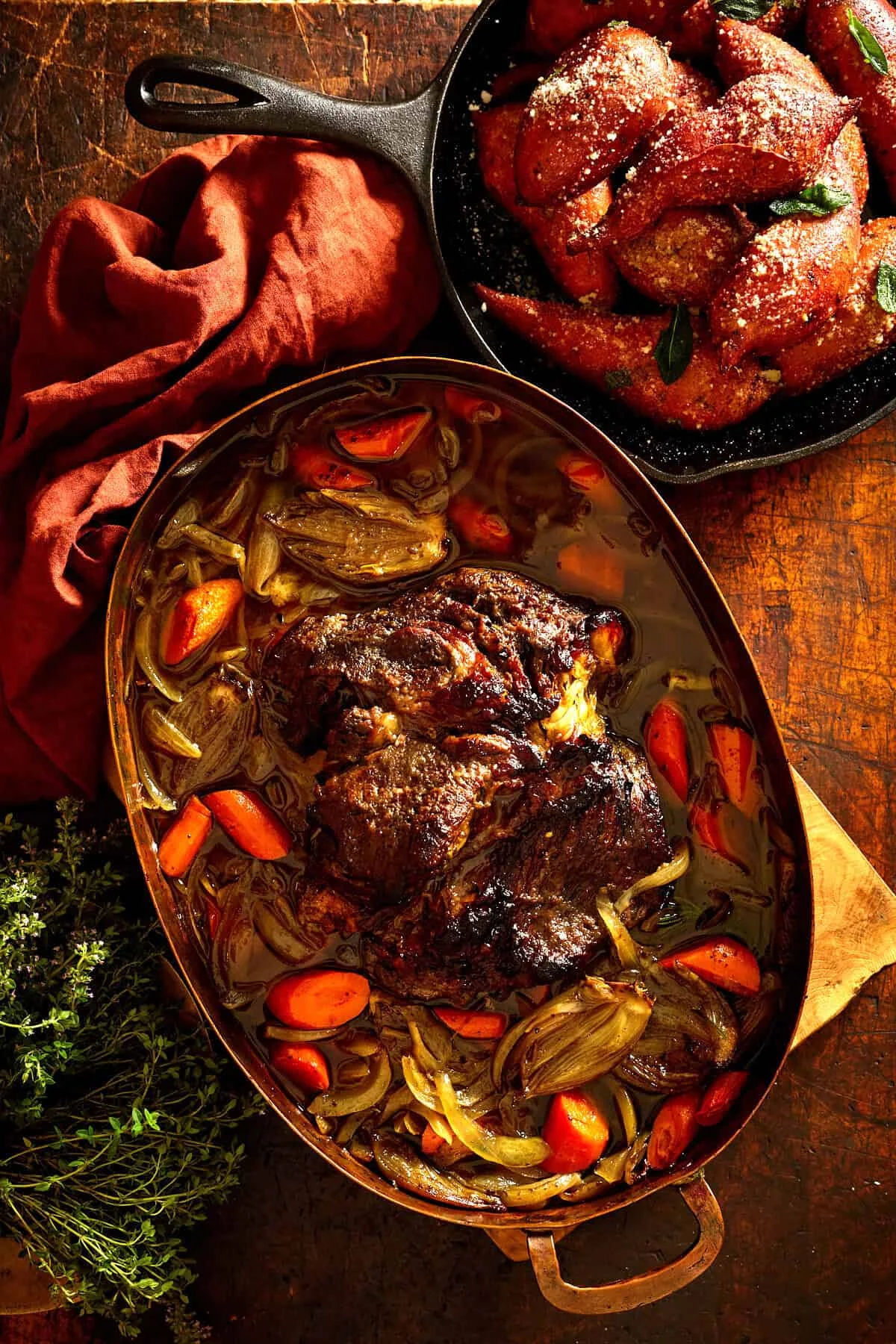
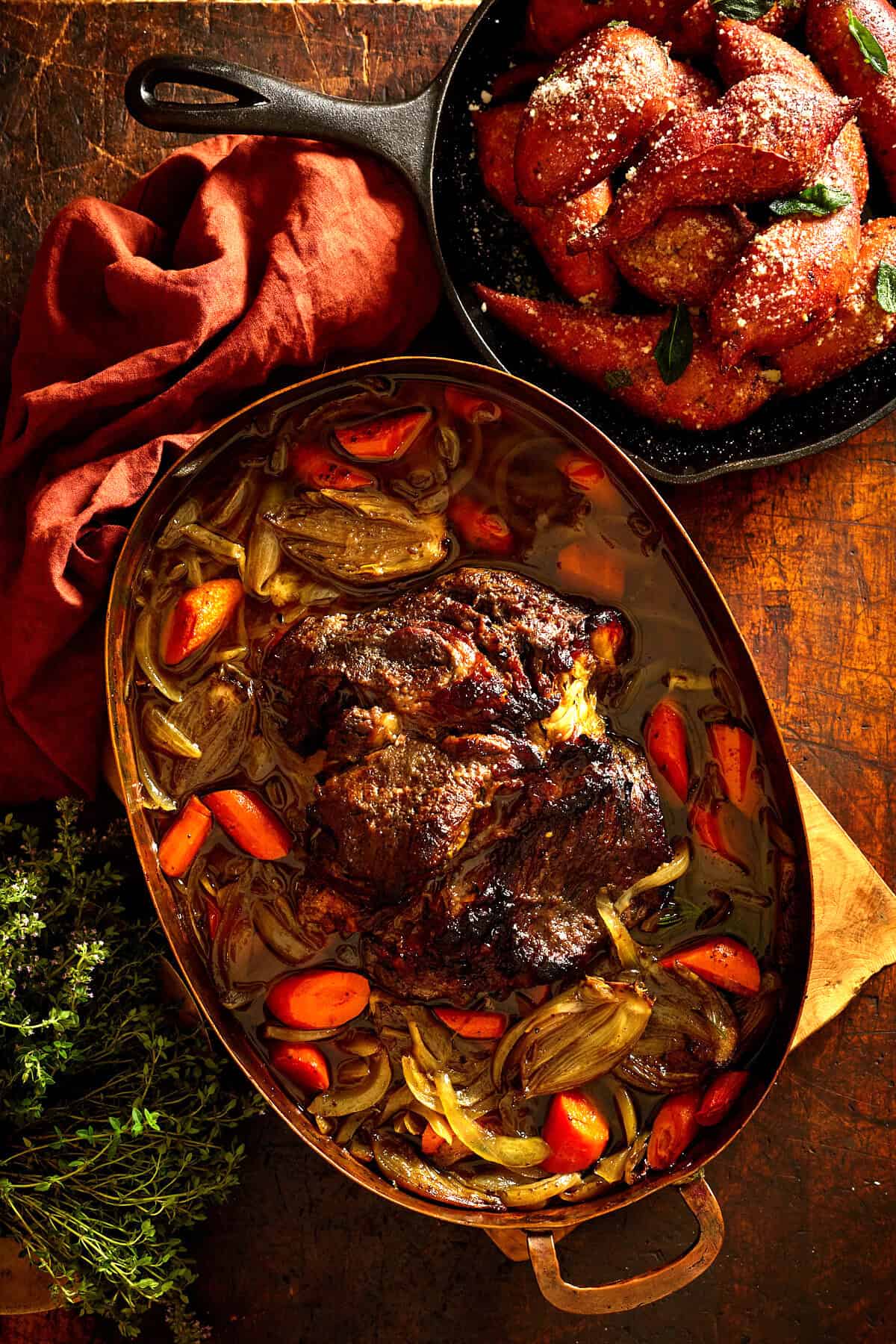
- The Main Course: A slow-braised protein, such as a cider-braised pot roast, which utilizes low-temperature cooking to tenderize tougher cuts of meat, requiring minimal active intervention.
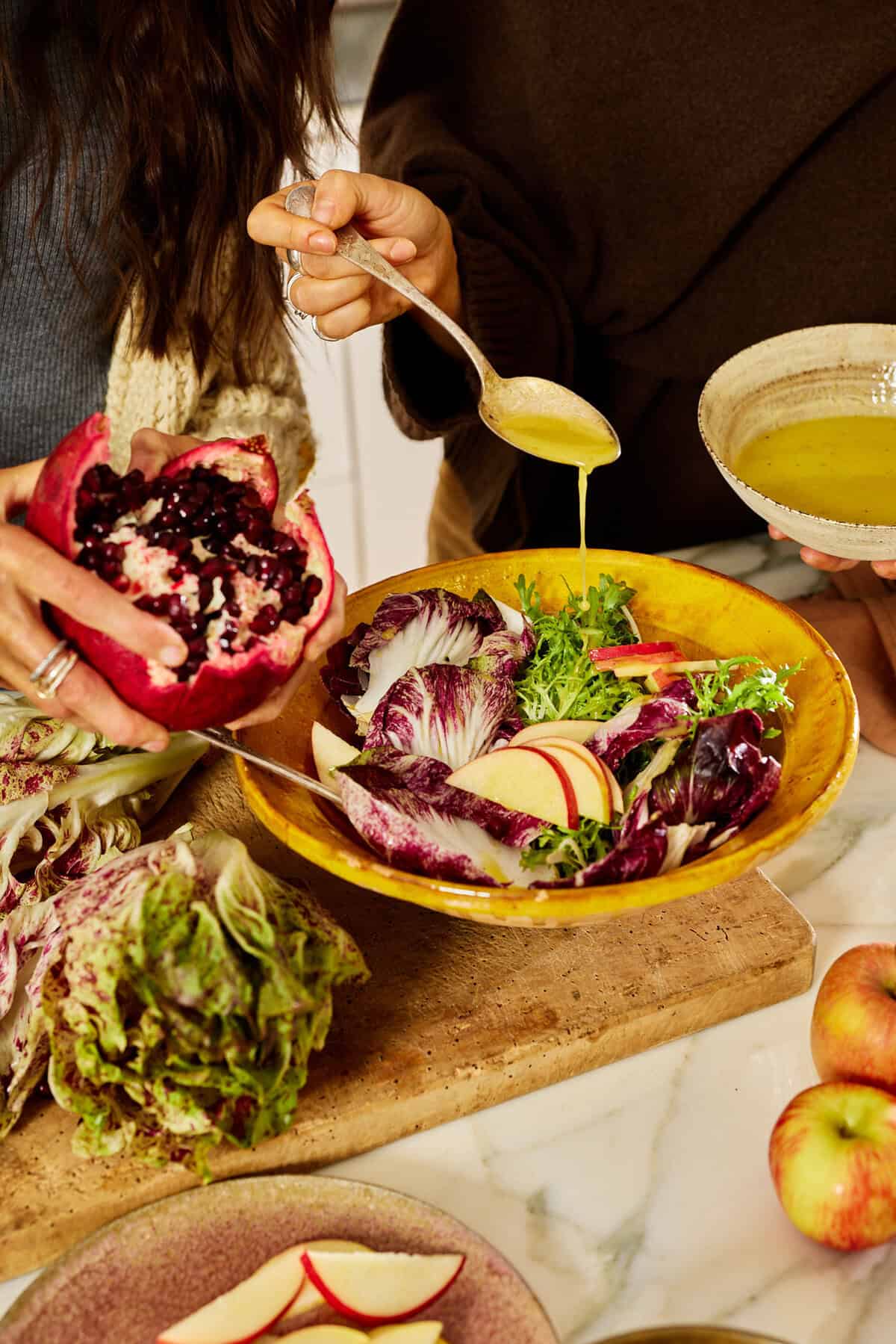
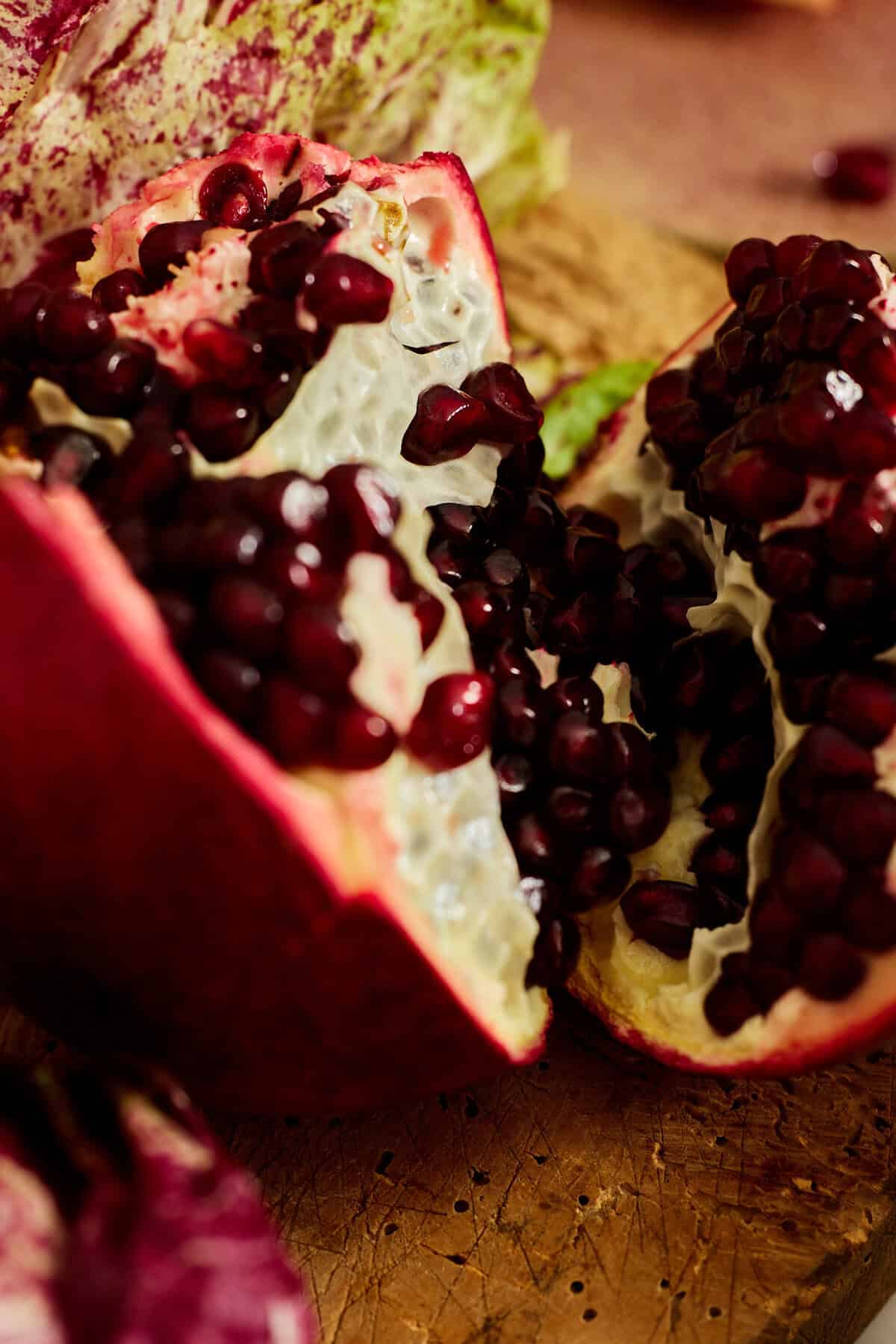
- The Sides: Nutrient-dense, roasted root vegetables and a fresh, acidic salad to balance the richness of the main dish.
- The Dessert: A classic, warm component, such as an apple cobbler or traditional confectionery like buckeyes, which can be prepared in advance.
Strategic Planning and Chronology
A successful Sunday dinner requires a shift in workflow, moving the burden of labor from Sunday evening to the preceding Friday and Saturday. Culinary experts suggest a three-phase approach to ensure the host is not tethered to the kitchen during the actual event.

Phase 1: Procurement and Preparation (Friday/Saturday)
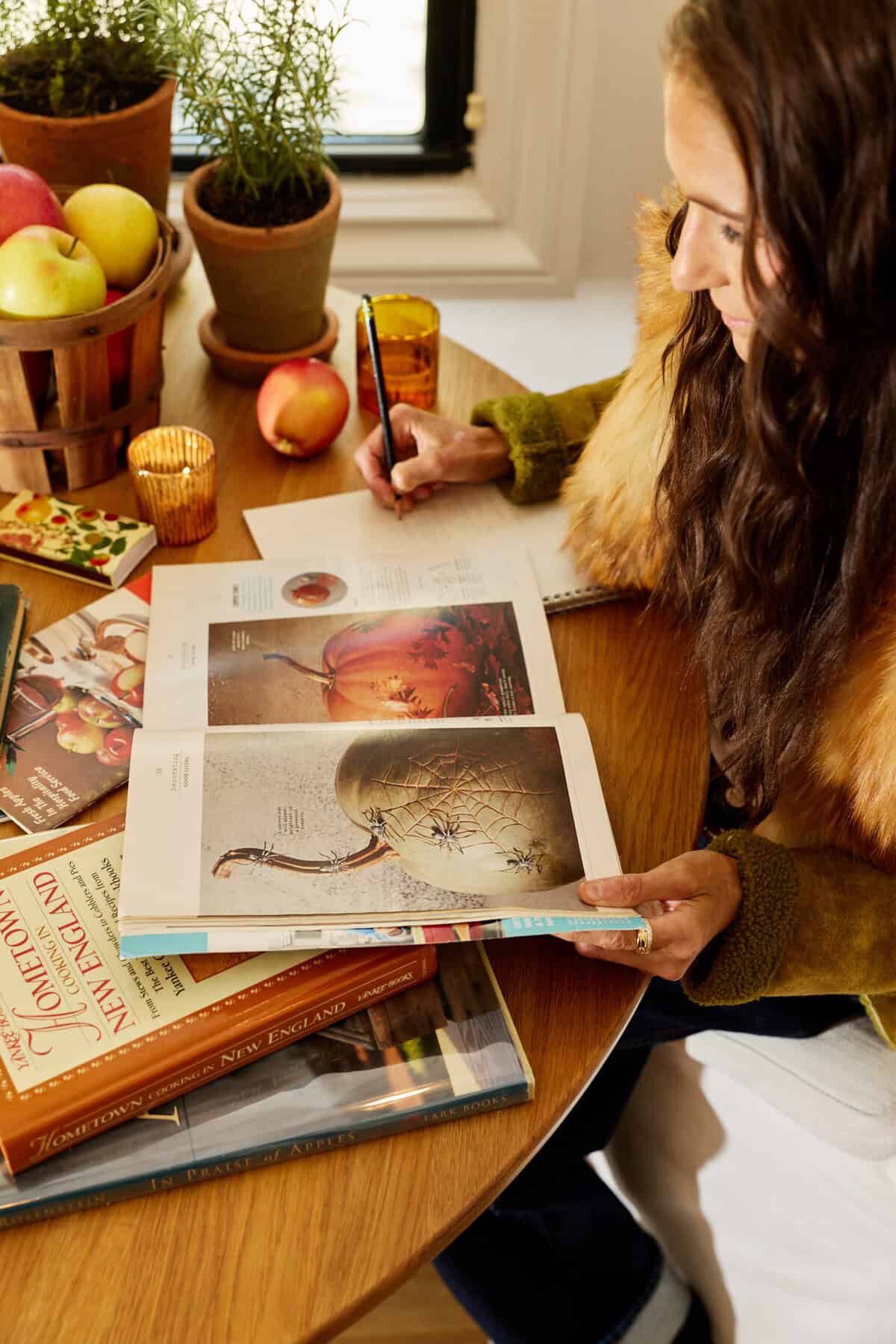
The primary goal during this window is the creation of a definitive menu and the execution of the necessary grocery shopping. By completing the majority of prep work—such as marinating proteins, crafting vinaigrettes, or baking shelf-stable desserts—the host eliminates the stress of last-minute tasks.
Phase 2: The Staging Process (Saturday)
Saturday serves as the optimal day for "slow-prep" items. Preparing the dough for bread or appetizers and assembling slow-cooker or Dutch oven ingredients allows for a seamless transition into Sunday.
Phase 3: The Execution (Sunday)
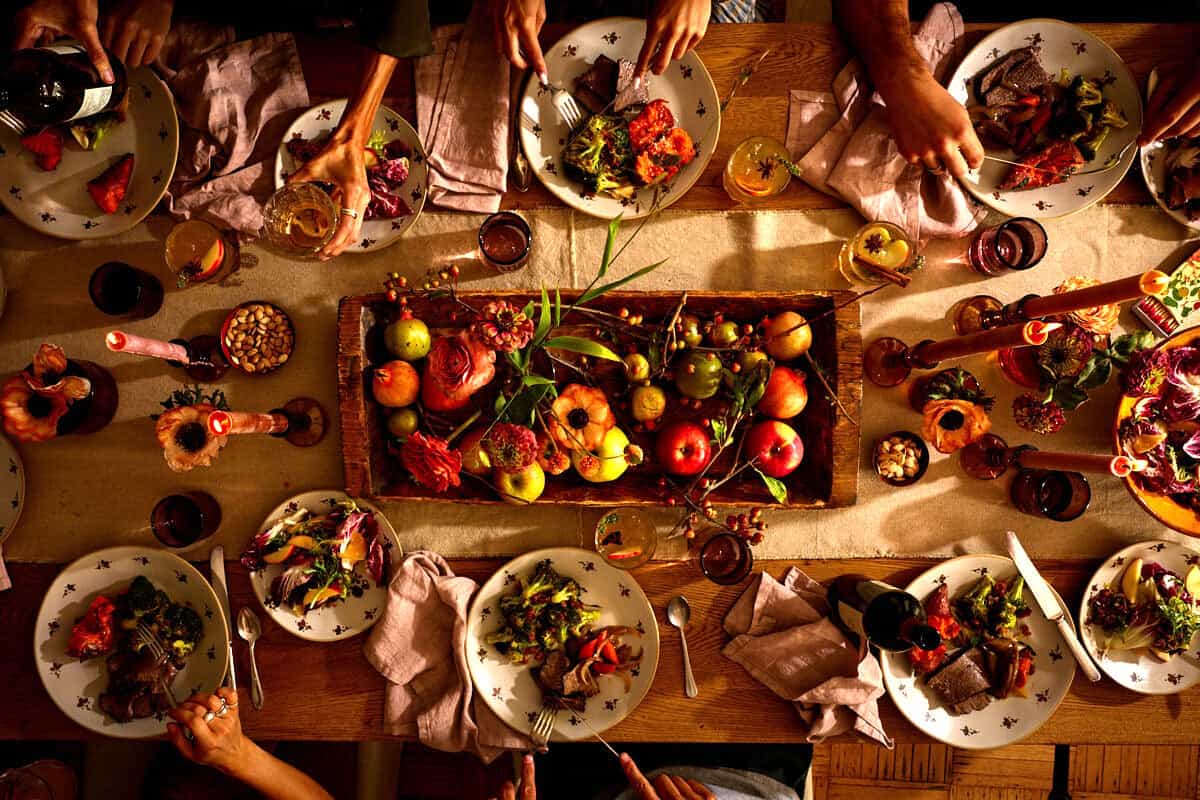
The Sunday schedule focuses on final thermal applications. By utilizing the oven’s capacity to cook multiple components simultaneously—such as roasting root vegetables alongside a braised roast—the kitchen remains orderly. The final hour before service should be reserved for the "finishing touches," such as setting the table, arranging candles, and plating the meal.
The Role of Store-Bought Shortcuts
A critical element of the modern Sunday supper is the pragmatic use of "store-bought shortcuts." Industry data from grocery retailers indicates a significant increase in the sale of semi-prepared items, such as pre-made doughs, local farmstand baked goods, and pre-cut produce. Incorporating these items is not viewed as a compromise of the tradition, but rather as an optimization strategy.

The goal of the modern Sunday dinner is not the "from-scratch" perfection of the mid-century housewife, but rather the preservation of the event itself. Whether a host chooses to bake their own bread or procure it from a local bakery, the value remains in the act of gathering, not the labor of production.

Setting the Scene: The Psychology of Atmosphere
The environment in which a meal is consumed is as significant as the nutritional content. Design specialists note that the use of simple, tactile elements—such as linen napkins, ambient candle lighting, and natural centerpieces like bowls of fresh fruit—creates a "sensory anchor" for guests. This physical environment signals to the brain that the period of high-stress labor has concluded, facilitating a psychological state of relaxation.
Furthermore, the integration of family heirlooms, such as vintage silverware or handmade ceramics, adds a narrative layer to the dinner. This connects the participants to a lineage of tradition, reinforcing the sense of community and stability.
The Broader Impact and Future Implications
The implications of a weekly communal meal extend beyond the dining table. Public health experts have long noted the correlation between regular family meals and improved mental health, better nutritional habits in children, and lower levels of cortisol in adults. By intentionally carving out time for social, offline interaction, individuals can mitigate the "always-on" nature of contemporary professional life.
As urban centers continue to densify and individual isolation rates climb, the revival of the Sunday supper may prove to be a vital social stabilizer. It provides a reliable cadence to the week, offering a space where, for a few hours, the demands of the globalized economy are suspended in favor of local, human-scale connection.
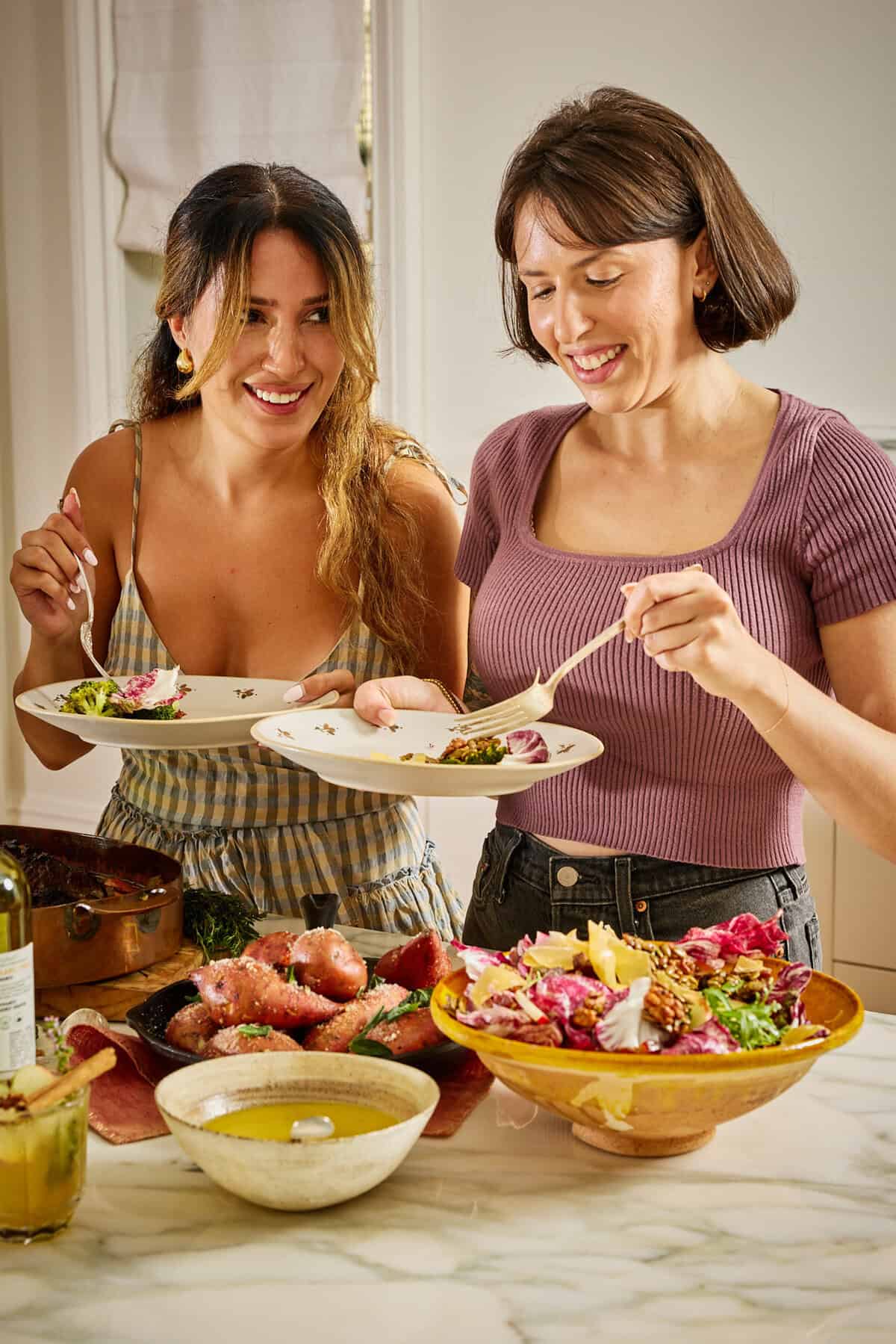
In conclusion, the movement toward reclaiming Sunday evening is a conscious choice to prioritize the quality of interpersonal relationships. By streamlining the culinary process through strategic planning and embracing the flexibility of modern convenience, the traditional Sunday dinner is being reimagined not as a burden, but as a necessary luxury for the modern individual. Whether for a large family, a group of friends, or a quiet evening for two, the ritual serves as a reminder that the most significant ingredients in any meal are time, presence, and the people with whom we choose to share them.