Cintya Tara Annisa
The Evolution of the Specialty Coffee Market and Curated Selection
The specialty coffee sector has undergone a significant transformation over the last decade, transitioning from the "Third Wave" focus on origin to a "Fourth Wave" characterized by scientific precision in fermentation and a radical commitment to social equity. The current market is defined by a discerning consumer base that demands detailed information regarding varietals, altitude, processing methods, and the socio-economic impact of their purchase. In response, leading roasters have established collaborative networks to showcase seasonal harvests that represent the pinnacle of current agricultural output.
This week’s collection features a diverse array of profiles, ranging from the delicate floral notes of Colombian Geshas to the robust, spirit-infused experimental lots of Brazil. These offerings are not merely retail products but are the results of year-long cycles of soil management, harvest selection, and meticulous roast profiling. By highlighting these specific lots, the industry emphasizes the importance of direct-trade relationships and the preservation of heirloom varietals in the face of climate instability and shifting economic pressures in coffee-growing regions.
Chronology of the 2024-2025 Harvest Cycle and Seasonal Releases
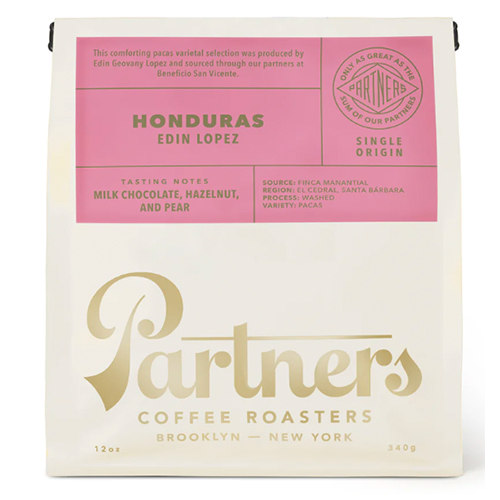
The timing of these releases aligns with the arrival of fresh crops from several key northern and southern hemisphere regions. In Colombia, the "Mitaca" (secondary harvest) and the main harvest cycles have yielded exceptional lots from Huila and Cauca, which are now reaching peak freshness in North American roasteries. Simultaneously, the arrival of fresh Brazils and Central American lots from Honduras and Mexico marks a pivotal moment in the roasting calendar.
Typically, the journey from harvest to the consumer’s cup involves a timeline of several months:
- Harvesting and Processing (October – March): Producers in regions like Oaxaca, Mexico, and Santa Barbara, Honduras, complete their harvests and initial processing.
- Resting and Export (March – May): Coffee "rests" in parchment to stabilize moisture content before being dry-milled and shipped.
- Roaster Evaluation (May – June): Roasters receive "arrival samples," confirm quality, and develop specific roast profiles to highlight the unique chemistry of each lot.
- Market Release (June): The current window represents the "sweet spot" for many of these origins, where the vibrancy of the acidity and the clarity of the flavor notes are at their maximum.
Technical Analysis of Current Offerings and Processing Innovations
The diversity of the current selection highlights several key processing innovations that are currently defining the specialty sector.
Advanced Fermentation and Varietal Distinction
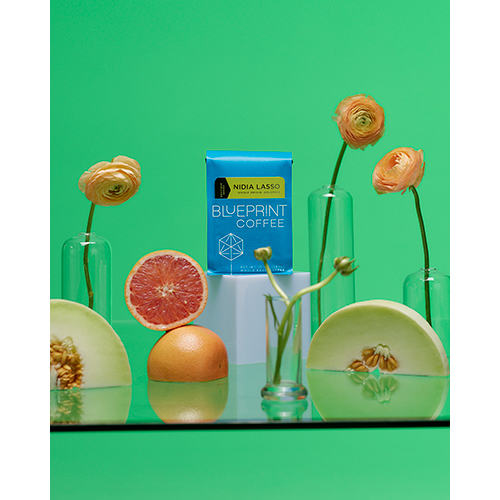
Blueprint Coffee’s Nidia Lasso Colombia represents the "Boutique Series," focusing on the Gesha varietal. Known for its elongated beans and distinct floral aromatics, the Gesha varietal requires specific microclimates to thrive. The washed process applied here emphasizes clarity, allowing the honeysuckle and jasmine notes to emerge without the interference of heavy fruit mucilage.
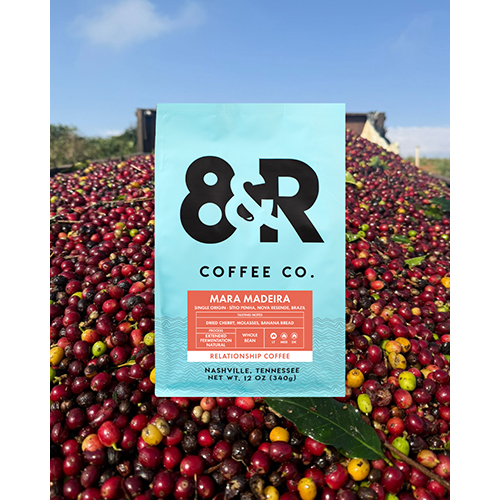
In contrast, 8th & Roast’s Mara Madeira from Brazil utilizes an "extended fermentation natural process." This technique involves leaving the coffee cherry intact for a prolonged period under controlled conditions, which encourages the development of complex esters. The resulting notes of dried cherry and molasses are a departure from the traditional nutty, low-acid profile of Brazilian coffee, signaling a shift in how South American producers are competing in the high-end market.
Collaborative and Socially Conscious Sourcing
Joe Coffee Company’s "Café Feminista" program underscores a critical industry movement toward gender equity. According to the International Coffee Organization (ICO), while women provide up to 70% of the labor in coffee production, they have significantly less access to land, credit, and leadership roles. By specifically sourcing from women-led cooperatives and producers who identify with feminist principles, roasters are actively working to bridge the "gender gap" in the coffee value chain.

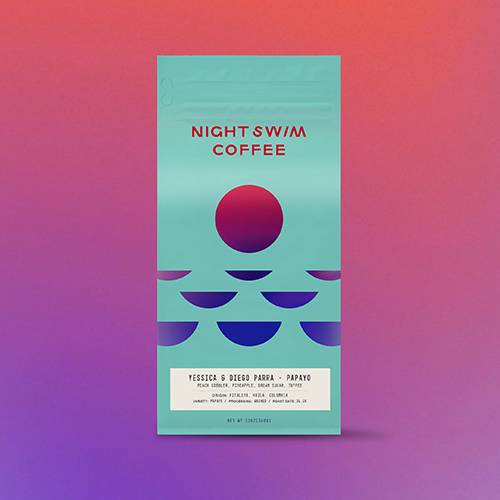
Similarly, Night Swim Coffee’s partnership with Unblended Coffee to source a "washed Papayo" from Pitalito, Colombia, highlights the role of young farmers. The Papayo varietal, a rare mutation found in Huila, is prized for its hardy nature and unique sensory profile (peach and pineapple). Supporting young farmers is essential for the sustainability of the industry, as the average age of a coffee farmer globally is currently over 55.
Supporting Data: The Economics of Specialty Roasting
The specialty coffee roasters featured in this showcase operate within a "high-value, low-volume" model. While the "C-Price" (the commodity market price for coffee) often fluctuates between $1.50 and $2.50 per pound, specialty roasters frequently pay "Farmgate" or "FOB" (Free on Board) prices that are 2x to 10x higher than the commodity average.
| Roaster | Region | Processing | Key Flavor Profile |
|---|---|---|---|
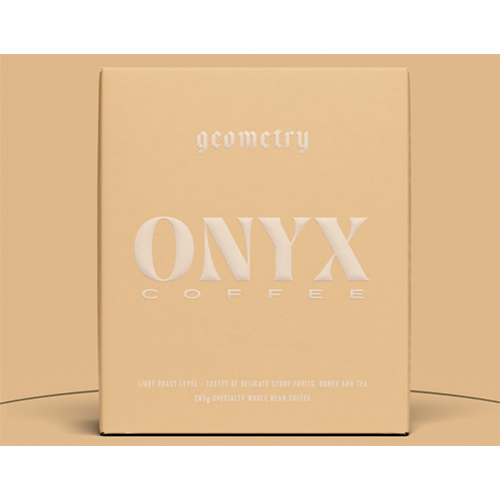
| Onyx Coffee Lab | Ethiopia/Colombia | Washed | Citrus, Floral (Geometry Blend) |
| PERC Coffee | Colombia | Advanced Fermentation | Red Plum, Honey (Super Power Plum) |
| Mr. Espresso | West Java, Indonesia | Natural | Passion Fruit, Papaya (Java Garut) |
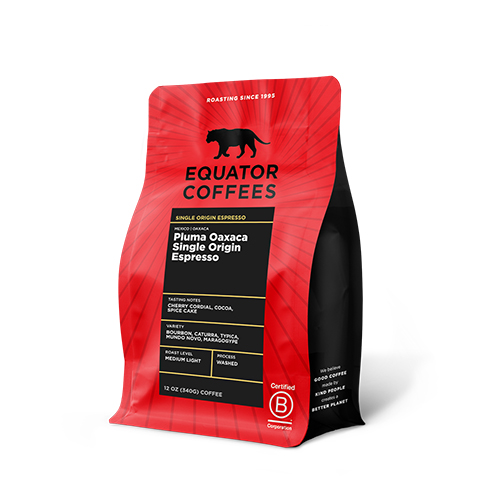
| Equator Coffees | Oaxaca, Mexico | Washed | Cherry Cordial, Cocoa |
The inclusion of Mr. Espresso’s Java Garut is particularly noteworthy. Indonesia has traditionally been associated with "wet-hulled" (Giling Basah) processing, which produces earthy, spicy notes. The move toward a "natural" process in West Java is a technical challenge that requires precise humidity control, but it results in the tropical fruit notes (kiwi, passion fruit) typically associated with high-end African coffees.
Official Responses and Industry Sentiment
Industry leaders suggest that the current proliferation of "Limited Reserve" and "Boutique" series is a response to the "premiumization" of the home brewing experience. A spokesperson for the specialty roasting community noted that "consumers are no longer looking for just ‘coffee flavor’; they are looking for a specific sensory experience that reflects a particular moment in time and a specific plot of land."
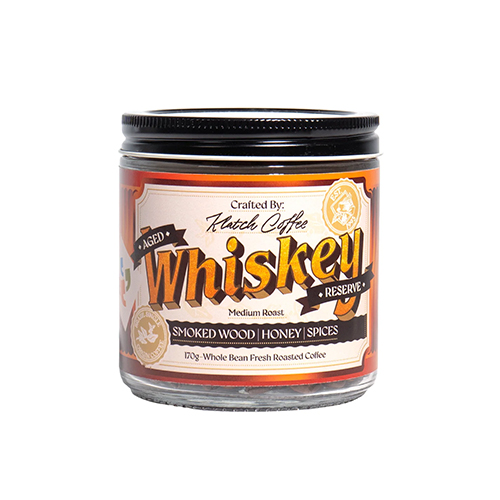
The release of Klatch Coffee’s "Aged Whiskey Reserve" further demonstrates the industry’s willingness to experiment with "value-added" processing. By aging green coffee in whiskey-soaked oak barrels prior to roasting, Klatch is targeting a crossover demographic between specialty coffee enthusiasts and spirits aficionados. This trend of "barrel-aging" has seen a 15% year-over-year increase in specialty menus, providing a bridge for consumers who may be new to the nuances of single-origin acidity.
Broader Impact and Future Implications
The continued success of these roasting partners has significant implications for the global coffee supply chain.
- Climate Resilience: By paying higher prices for rare varietals like the Papayo or Gesha, roasters provide farmers with the financial stability needed to invest in climate-resilient farming practices.
- Technological Integration: The use of "yeast-inoculated" fermentation, as seen in Verve Coffee Roasters’ Wilder Blend, represents the integration of oenological (wine-making) techniques into coffee. This allows for greater consistency in flavor profiles, reducing the risk of "off-flavors" during fermentation.
- Consumer Education: Through detailed labeling and digital newsletters, roasters are turning the act of drinking coffee into an educational pursuit. This builds a "moat" around the specialty industry, protecting it from the price wars of the commodity sector.
As the 2024-2025 season progresses, the industry expects a continued focus on "transparency reports," where roasters publish the exact prices paid to producers. This level of accountability is becoming the gold standard for the industry, ensuring that the "incredible, fresh, vibrant coffees" mentioned by curators are as ethically sound as they are delicious.
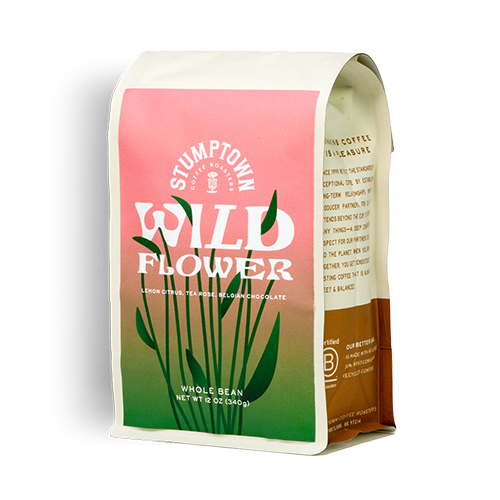
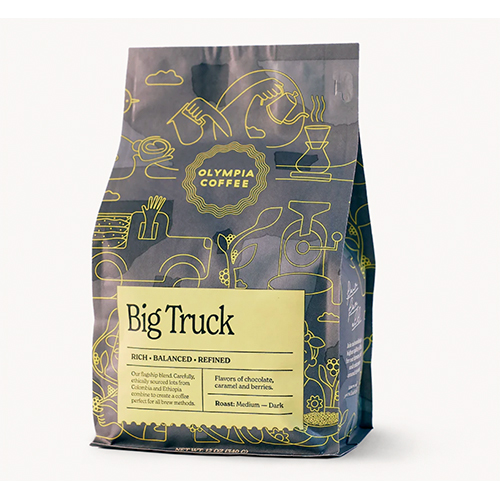
In conclusion, the current offerings from partners like Olympia Coffee, Stumptown, and Partners Coffee Roasters represent more than just a weekly recommendation; they are a snapshot of a global effort to elevate coffee from a mere stimulant to a respected culinary craft. Whether through the "milk-chocolate and hazelnut" comfort of a Honduran washed coffee or the "plum madness" of a Diego Bermudez experimental lot, the specialty coffee industry continues to push the boundaries of what is possible in a single cup.