Angie Faith
Amazon’s highly anticipated annual list of the best books of 2026 so far has been released, offering a snapshot of popular literature across various genres. Simultaneously, the 61st Nebula Awards have announced their winners, celebrating achievements in science fiction and fantasy. These two distinct literary events, one driven by commercial appeal and the other by genre acclaim, provide valuable insights into the current landscape of publishing and reader preferences. This report delves into the details of both, examining their selections, potential implications, and the broader context of the literary world.
Amazon’s "Best Books of 2026 So Far" List: A Comprehensive Overview
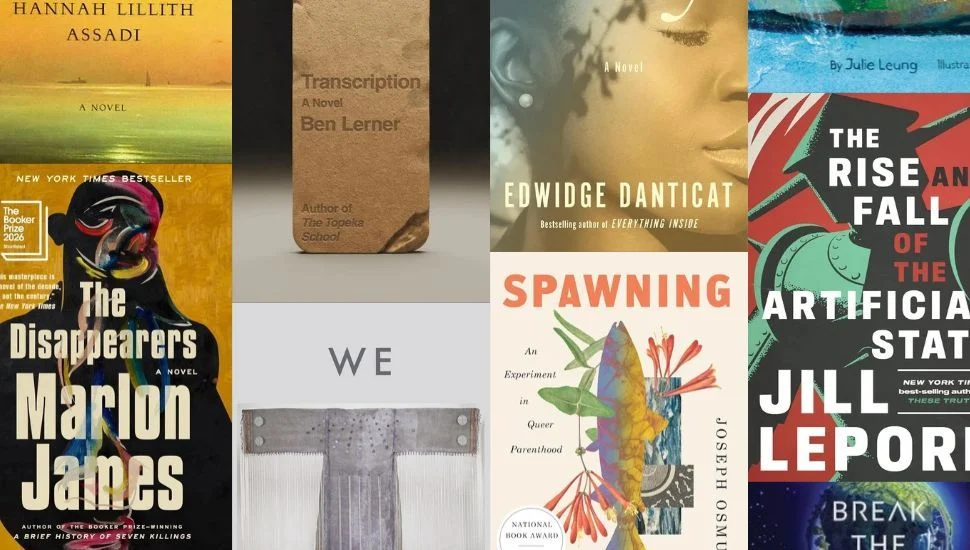
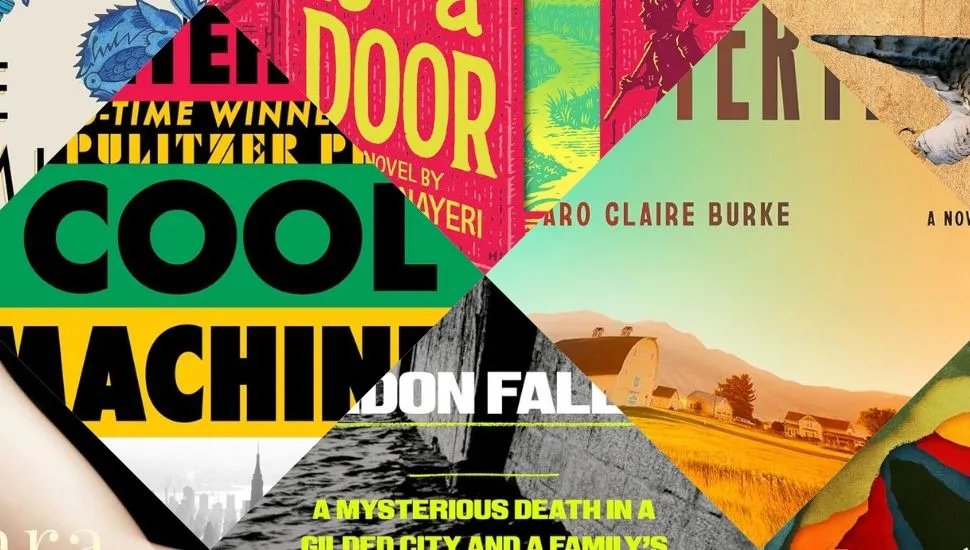
Amazon’s editorial team has curated a robust list designed to guide readers through the year’s most compelling titles. The selection begins with an overarching roundup of the top 20 books across all genres, followed by more granular lists categorized by specific areas such as Biographies & Memoirs, Children’s Books, Literature & Fiction, and the increasingly popular Romantasy. This year, Amazon has also introduced a dedicated "Book Club" section, signaling a growing emphasis on community engagement and shared reading experiences.
While the breadth of genres covered is commendable, a critical examination of the top 20 overall list reveals a concerning lack of diversity. Only two titles by authors of color made it into this prominent selection: "Kin" by Tayari Jones and "Night Objects" by Eli Raphael. This statistic, particularly in 2026, raises questions about the inclusivity of Amazon’s editorial process and the broader representation of diverse voices in mainstream literary recognition. The expanded genre lists do not appear to significantly rectify this imbalance.
"Kin" by Tayari Jones, a novel that has garnered significant critical attention, is frequently cited as a strong contender for "Book of the Year" across various platforms. Its inclusion on Amazon’s list underscores its impact and widespread appeal. However, the limited representation of authors of color within the top 20 highlights an ongoing challenge for the publishing industry and major retailers to ensure equitable visibility for a diverse range of literary talent. This disparity may reflect systemic issues in the publishing pipeline, from author discovery to editorial selection, and could prompt further discussion on how to foster greater diversity in literary awards and best-seller lists.
The addition of a "Book Club" section suggests Amazon’s strategic focus on leveraging the social aspect of reading. Book clubs have long been a powerful force in driving sales and fostering literary discussion. By curating selections and providing resources for book clubs, Amazon aims to tap into this dynamic, potentially influencing reading trends and further solidifying its position as a central hub for book commerce and community.
Book Club Selections: A Reflection of Diverse Tastes
Beyond Amazon’s curated list, the world of book clubs continues to thrive, showcasing a vibrant and eclectic range of reading preferences. Jamie Canaves’ recent compilation of selections from some of the most influential book clubs this month offers a fascinating glimpse into what these groups are currently engaging with. The selections demonstrate a balanced approach, featuring both newly released, buzzed-about titles and established backlist works.
Notable inclusions highlight the influence of prominent literary figures and online personalities. Roxane Gay’s book club, for instance, selected Douglas Stuart’s "John of John," a testament to Stuart’s continued literary impact following his previous successes. Similarly, book influencer Jack Edwards’ club, "Inklings," has chosen "The Emperor of Gladness" by Ocean Vuong, another author with a significant following and critical acclaim. These selections underscore the power of curated recommendations and the role of influential figures in shaping reading habits within book club communities. The inclusion of both contemporary hits and enduring classics suggests a discerning readership seeking both immediate relevance and lasting literary value.
The trend of book clubs embracing a mix of genres and authors also reflects a broader cultural shift towards more inclusive and experimental reading. As book clubs become more diverse in their membership and focus, their reading lists are likely to become even more varied, pushing the boundaries of conventional literary categories. This organic evolution within book clubs offers a counterpoint to more top-down selection processes, demonstrating how community-driven choices can foster a dynamic and responsive literary ecosystem.
Nebula Awards 2026: Celebrating Excellence in Science Fiction and Fantasy
The 61st Annual Nebula Awards ceremony has concluded, recognizing outstanding achievements in science fiction and fantasy literature. This year’s awards introduced two significant new categories: Poem and Comic. The inclusion of a Comic category is a particularly welcome development, acknowledging the burgeoning quality and complexity of graphic narratives within the speculative fiction realm. The introduction of a Poem category also signals a broader appreciation for the diverse forms of creative expression within these genres.
Stephen Graham Jones has once again been recognized for his exceptional talent, with his novel "The Buffalo Hunter Hunter" securing the Nebula Award for Best Novel. Jones, known for his unique blend of horror and literary fiction, has consistently produced work that resonates with both critics and readers. His win for "The Buffalo Hunter Hunter" solidifies his position as a leading voice in contemporary speculative fiction.
The award for Best Novella went to Amal El-Mohtar for "The River Has Roots." While the author notes she has not yet read this particular work, she expressed admiration for El-Mohtar’s previous collaboration, "This Is How You Lose the Time War," which achieved significant viral success on social media platforms like Twitter. This connection highlights the interconnectedness of literary success, critical acclaim, and online engagement, demonstrating how word-of-mouth and digital communities can amplify the reach of acclaimed works. The viral moment surrounding "This Is How You Lose the Time War" is a prime example of how social media can transform a novel’s trajectory, introducing it to a wider audience and fostering a passionate fan base.
The expansion of the Nebula Awards into new categories like Poem and Comic reflects a growing recognition of the multifaceted nature of speculative fiction. These genres are no longer confined to traditional novels; they are flourishing in a variety of formats, from poetry collections that explore complex themes through lyrical language to graphic novels that weave intricate narratives with compelling visuals. The inclusion of these categories by the Nebula Awards suggests a forward-thinking approach to recognizing the full spectrum of creative talent within science fiction and fantasy.
House Lawmakers Propose Shift in Librarian of Congress Appointment Power
In a significant legislative development, the House of Representatives has passed a bill that could alter the process for appointing the Librarian of Congress. This move comes amid heightened political discourse and follows a contentious period in the executive branch. The proposed legislation seeks to remove the president’s sole authority in appointing the Librarian, shifting this power to the leaders of the House and Senate.
The timing of this bill is noteworthy, occurring approximately one year after former President Trump’s dismissal of Dr. Carla Hayden, the current Librarian of Congress. Dr. Hayden, a trailblazing figure, was the first woman and the first African American to hold this esteemed position. Her tenure at the Library of Congress has been marked by significant initiatives aimed at modernizing the institution and expanding its reach. The prior administration’s action, which led to a temporary vacancy and subsequent appointment under different circumstances, has evidently spurred legislative action to create a more stable and potentially less politicized appointment process.
The bill’s passage in the House represents a critical first step. It now moves to the Senate, where it requires substantial bipartisan support to advance. If the Senate concurs with the House’s decision, the legislation would also grant House and Senate leaders the power to appoint the heads of the Government Publishing Office, another key federal entity. This proposed change could have long-term implications for the leadership and direction of these vital institutions, potentially insulating them from the direct political pressures often associated with presidential appointments.
The potential ramifications of this legislative shift are considerable. Proponents argue that empowering congressional leadership could lead to more experienced and less partisan appointments, ensuring the continuity and stability of institutions like the Library of Congress, which serves as the de facto national library and a repository of American knowledge and culture. Critics, however, might raise concerns about the potential for increased congressional influence over institutions that are intended to operate with a degree of independence. The debate over this bill is likely to reflect broader discussions about the balance of power between the executive and legislative branches, particularly concerning the stewardship of national cultural and informational assets. The outcome in the Senate will be closely watched as a bellwether of inter-branch relations and the future governance of these significant federal bodies.
The literary world, from Amazon’s broad market influence to the specialized acclaim of the Nebula Awards, and the political landscape surrounding the leadership of national institutions, offers a complex and dynamic picture of contemporary culture. These events, individually and collectively, underscore the enduring power of books, the evolving nature of literary recognition, and the ways in which societal and political currents inevitably shape the narratives we consume and the institutions that preserve them.