Angie Faith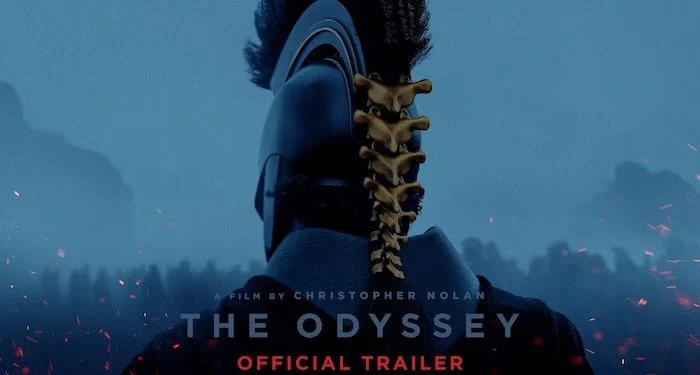
The highly anticipated release of Christopher Nolan’s latest cinematic endeavor, "The Odyssey," has ignited an unprecedented surge in demand for tickets, leading to widespread disruptions in online sales and a dramatic spike in resale prices. The film, lauded as the first feature entirely shot on IMAX cameras, has generated immense public interest, with fans eager to experience Nolan’s signature visual storytelling in its intended format. This fervor, however, has also exposed vulnerabilities in ticketing systems and created a lucrative, albeit controversial, secondary market for coveted seats.
Initial Ticketing Chaos and Escalating Demand
On May 31, 2026, ticket sales for "The Odyssey" commenced, quickly overwhelming ticketing platforms. Reports from AMC and Fandango indicated wait times exceeding an hour as millions of users attempted to secure their spots. The demand was particularly acute for IMAX showings in major metropolitan areas, with tickets for screenings in New York, Texas, Florida, and Arizona reportedly selling out within minutes of their release. This rapid depletion of inventory left many potential viewers unable to purchase tickets through official channels.
The scarcity of tickets, coupled with the film’s perceived prestige and Nolan’s directorial reputation, fueled an immediate and aggressive secondary market. Within hours of sales opening, listings for "The Odyssey" tickets began appearing on platforms like eBay, with prices rapidly escalating. Some tickets were reportedly being offered for upwards of $1,000, a staggering figure that underscores the extreme demand and the opportunistic nature of scalping. This phenomenon highlights a recurring issue in the entertainment industry, where high-demand events can lead to significant price gouging, placing the experience out of reach for many consumers.
Nolan’s IMAX Vision and the Premium Experience
Christopher Nolan has consistently championed the immersive cinematic experience, with a particular emphasis on IMAX technology. "The Odyssey" represents the culmination of this commitment, being the first feature film to be entirely captured using IMAX cameras. This technological approach aims to deliver a wider aspect ratio, enhanced image clarity, and superior sound quality, creating a more profound and engaging viewing experience. Nolan has publicly encouraged audiences to see the film in IMAX, believing it to be the optimal way to appreciate his artistic vision.
The director’s advocacy for this format has undoubtedly contributed to the heightened demand for IMAX tickets specifically. However, the astronomical prices seen on the resale market raise questions about the accessibility of such premium experiences. While the desire to witness a film in its intended format is understandable, the current market conditions suggest that the cost may become prohibitive for a significant portion of the audience. This situation prompts a broader discussion about the balance between artistic integrity, technological advancement, and consumer affordability in the film industry.
Broader Industry Trends: Unionization and Cultural Preservation
Beyond the immediate frenzy surrounding "The Odyssey," the literary and publishing worlds have seen significant developments. In the realm of comic book publishing, Dark Horse Comics has voluntarily recognized its staff’s union. This move places Dark Horse alongside Seven Seas Publishing and Image Comics, which have also seen their employees unionize in recent years.
Jay Komas, interim CEO of Dark Horse, stated, "The path to a strong Dark Horse runs through a workforce that feels heard, respected, and genuinely invested in the company’s future, not one that feels like it must fight just to be seen." This sentiment reflects a growing trend within the publishing industry, where employees are increasingly seeking collective bargaining power to ensure fair working conditions, compensation, and job security. The rise of AI and the evolving media landscape are often cited as factors contributing to this increased union activity, as workers aim to safeguard their professions in an uncertain future. The voluntary recognition by Dark Horse suggests a potentially collaborative approach to labor relations, which could serve as a model for other companies within the sector.
In a separate, yet culturally significant development, 20 of beloved children’s author Robert Munsch’s books are undergoing translation into four Indigenous languages: Tlingit, Southern Tutchone, Northern Tutchone, and Kaska. This initiative is being spearheaded by the Yukon Native Language Centre. This is not the first time Munsch’s work has been made accessible in Indigenous languages; previous translations have included nêhiyawêwin (Cree) and denesųłiné (Dene). Munsch has also collaborated with Indigenous illustrators on books such as "A Promise is a Promise" (translated into Inuktitut) and "Bear for Breakfast" (translated into Algonquin).
These translation projects are of immense value to Indigenous communities, playing a crucial role in the revitalization and preservation of their languages and cultural heritage. By making familiar and cherished stories available in Indigenous tongues, these efforts foster a deeper connection to ancestral traditions and provide valuable educational resources for younger generations. The continued commitment to translating these popular picture books into Indigenous languages signifies a positive step towards cultural inclusivity and linguistic preservation within Canada.
Looking Ahead: Reader Engagement and Community
As the dust settles on the initial ticket sale chaos for "The Odyssey," the focus will inevitably shift to the film’s reception and the broader conversation it ignites. Meanwhile, the ongoing developments in publishing and cultural initiatives highlight the dynamic nature of the literary world.
In a regular segment, publishers and literary news outlets often engage their readership with questions about their current reading habits and future plans. For instance, a prompt like "What are You Reading in June?" encourages readers to share their literary journeys and upcoming selections. This type of engagement is vital for fostering a sense of community among book lovers and for understanding evolving reading trends. Such discussions can also serve as a platform to highlight the importance of diverse literary voices and the ongoing efforts to make literature accessible to all.
The intersection of high-demand entertainment, evolving labor practices in creative industries, and vital cultural preservation projects paints a complex and multifaceted picture of the current landscape. As audiences grapple with the challenges of accessing premium cinematic experiences, and as workers in creative fields advocate for their rights, the commitment to cultural enrichment through initiatives like language translation continues to underscore the enduring power of storytelling. The coming weeks and months will likely see further analysis of the box office performance of "The Odyssey," the impact of unionization on the publishing sector, and the ongoing success of efforts to promote Indigenous languages and cultures through literature.