Reynand Holland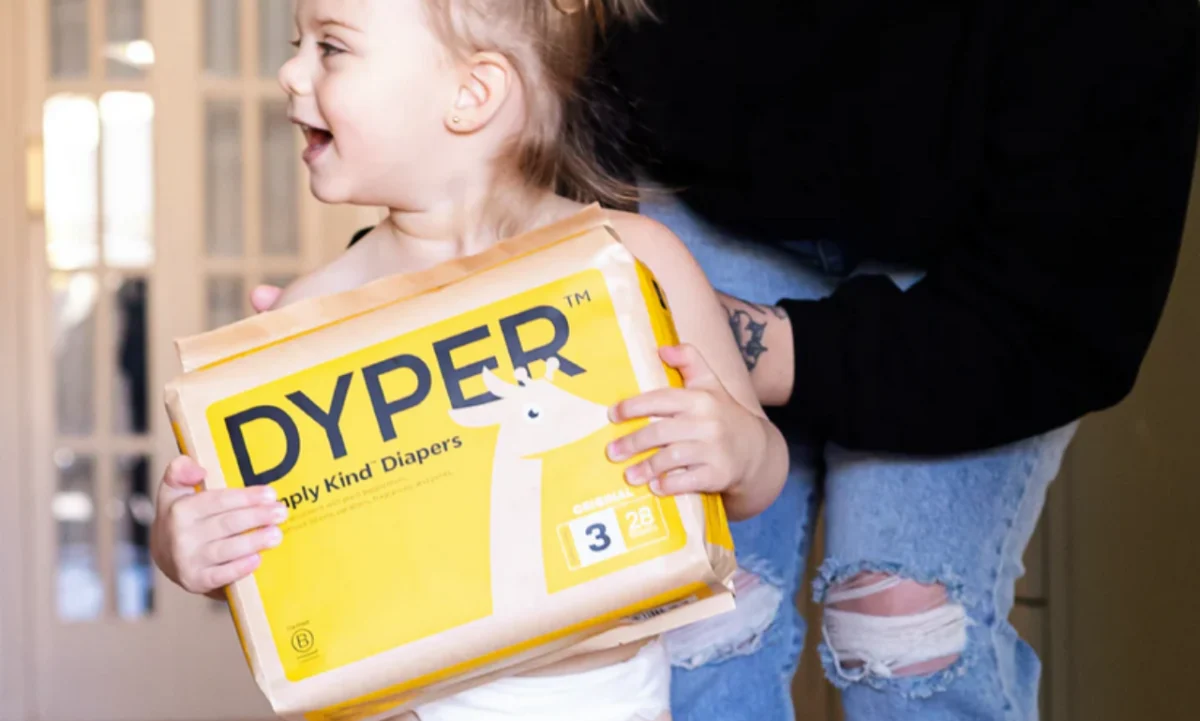
The sheer volume of waste generated by infants is a significant, often overlooked, environmental challenge. During their first two years, a single baby can utilize approximately 6,000 diapers. While reusable cloth diapers present an alternative, their practicality is frequently a barrier for parents navigating demanding schedules. Beyond the landfill burden, traditional disposable diapers raise critical health concerns due to their composition, prompting a re-evaluation of the materials and manufacturing processes within this essential consumer product sector.
The chemical and material composition of conventional single-use diapers has come under scrutiny. Studies indicate that materials such as plastics and synthetic fragrances, commonly found in these products, are linked to potential health risks. These risks, as identified in various research, can include endocrine and reproductive disorders, acute skin irritations, and even have been associated with more serious long-term health issues like testicular cancer. This concern is amplified by the limited regulatory oversight; the U.S. Consumer Product Safety Commission, for instance, mandates testing for lead in diapers, but a comprehensive chemical safety evaluation, including carcinogens and endocrine disruptors, is not universally required. Consequently, parents are often left to make informed choices based on limited transparency regarding the full ingredient list of the products they use daily for their infants.
This pervasive waste stream culminates in overflowing municipal trash bins, a visual testament to the scale of the problem. It was precisely this recurring sight of overstuffed bins, filled with discarded plastic diapers, that served as a catalyst for Tony Patron, the founder of REDYPER™, and his business partner. This observation marked the genesis of what would evolve into Dyper, a company committed to developing diapers that are not only effective but also prioritize safety and environmental responsibility.
The Genesis of Dyper: An Engineering Solution to an Environmental Crisis
Patron, an engineer by profession and a new father, found himself personally confronted with the dual challenge of managing infant waste and seeking healthier alternatives. His initial endeavors involved exploring collaborations with existing manufacturers of compostable diapers. However, these efforts culminated in a strategic merger, leading to the establishment of Dyper. This new entity was founded with a clear mission: to engineer non-toxic, biodegradable diapers that actively mitigate both household and global waste.
The product development team at Dyper has dedicated itself to maximizing the biodegradability of its diaper components. While acknowledging that certain technological elements, such as the fastening mechanisms (e.g., velcro), are not yet fully biodegradable, the company strives to incorporate plant-based and compostable materials wherever feasible. Patron articulates the company’s core objective: "Our goal is to provide a diaper that performs equally to any other diaper on the market in terms of absorbency, fit, and comfort, and ensuring that we don’t have any skin irritation." This commitment to performance alongside sustainability is central to Dyper’s value proposition.
Materials Science and Transparency: The Dyper Difference
Dyper’s product innovation is rooted in the utilization of predominantly plant-based materials. Key components include bamboo and eucalyptus fibers, sourced from U.S. growers and certified by the Forest Stewardship Council (FSC). The viscose bamboo used in Dyper products originates from an Oeko-Tex certified supplier, a standard that ensures textiles are free from harmful substances. Furthermore, Dyper emphasizes transparency by labeling each layer of its diapers with its specific components. This detailed labeling empowers conscious parents to understand precisely what materials are in contact with their baby’s skin.

The company’s commitment to sustainability is underscored by its product certifications. Dyper diapers are Certified USDA BioPreferred, with a product content of at least 55% biobased material. Their accompanying wipes achieve an even higher certification, with 95% biobased content. Beyond these biobased certifications, Dyper products adhere to Oeko-Tex standards, further validating their safety and environmental credentials. The brand has also earned the DermaTest 5-Star Certification, a rigorous evaluation by independent dermatologists confirming that the diapers are unlikely to cause adverse skin reactions, a critical factor for infants with sensitive skin.
To ensure the integrity of their claims, Dyper subjects its products to independent third-party laboratory testing. These tests rigorously assess both the non-toxic nature and the compostability of the diapers, providing an additional layer of assurance for consumers.
A Philosophy of "Plants Over Plastic"
The driving ethos behind Dyper’s operations is succinctly captured in its slogan: "plants over plastic for happy babies." By deliberately eschewing harmful chemical additives and prioritizing plant-based materials, Dyper crafts diapers that are free from common irritants such as phthalates, latex, and parabens, which are frequently found in conventional supermarket brands. The natural fibers are selected for their gentleness on a baby’s delicate skin, and the company emphasizes responsible sourcing of these materials.
Dyper’s approach extends beyond infant comfort and environmental consciousness; it also aims to simplify the lives of parents. Despite their advanced plant-based composition, the diapers are engineered for high performance, effectively preventing leaks and minimizing the occurrence of diaper rash, thereby contributing to a baby’s overall well-being.
Addressing the End-of-Life Challenge: The REDYPER™ Program
A significant innovation from Dyper is its optional REDYPER™ program, designed to address the end-of-life disposal of used diapers and wipes. This service, available in select geographic areas, facilitates the collection of used products through scheduled pickups. Dyper then partners with specialized regional composting facilities. These facilities are equipped to process the compostable components of the diapers, breaking them down within an estimated 14 to 16 weeks. Materials that are not suitable for composting are carefully removed and managed according to appropriate waste disposal protocols. As of the latest available data, the REDYPER™ program has successfully diverted over 14 million pounds of waste from landfills, demonstrating a tangible impact on waste reduction.
This integrated approach, from material selection to end-of-life management, positions Dyper as a holistic solution provider for environmentally conscious parents. The company asserts that consumers no longer need to compromise between functional, high-performing diapers and sustainable choices.
Convenience and Commitment: The Dyper Subscription Model
Understanding the practical needs of busy parents, Dyper offers flexible purchasing options. Consumers can opt for convenient subscription services, ensuring a regular supply of diapers, or choose one-time purchases. The company provides a comprehensive range of sizes to accommodate babies as they grow. The REDYPER™ pickup service, where available, further enhances convenience by offering weekly or biweekly collection of used diapers and wipes.
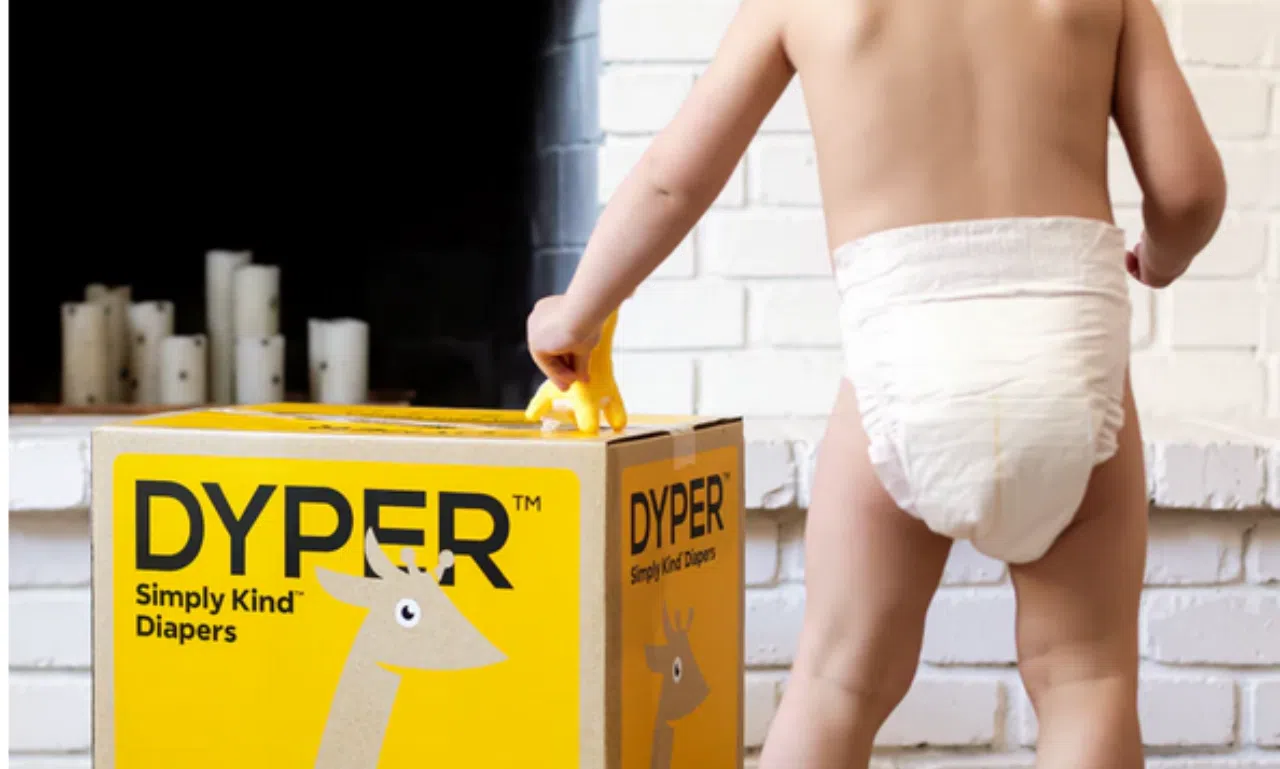
By choosing Dyper, consumers are not merely purchasing a diaper; they are endorsing a commitment to sustainability, complete transparency regarding product composition, and a dedication to superior infant care. This multifaceted approach aims to redefine the diaper industry by demonstrating that environmental responsibility and product excellence can, and should, go hand in hand.
Broader Implications and Industry Trends
The rise of companies like Dyper signals a significant shift in consumer demand and industry innovation. As environmental awareness grows and scientific research continues to highlight the potential health impacts of conventional products, parents are increasingly seeking alternatives that align with their values. This trend is not isolated to the diaper market; it reflects a broader movement across various consumer goods sectors, pushing manufacturers to adopt more sustainable practices, improve ingredient transparency, and invest in eco-friendly materials and processes.
The challenges posed by the sheer volume of diaper waste are substantial. Landfills are strained, and the decomposition of plastic-based diapers can take hundreds of years, releasing microplastics and other pollutants into the environment. Furthermore, the chemical components in traditional diapers can leach into the soil and water systems, posing long-term ecological risks. The development of truly compostable diapers, coupled with effective collection and processing systems like REDYPER™, offers a promising pathway to mitigate these environmental burdens.
The health implications associated with conventional diaper materials also warrant continued attention. The lack of comprehensive regulatory mandates for chemical testing means that parents must rely on the voluntary disclosures and certifications provided by brands. This underscores the importance of third-party certifications like Oeko-Tex and DermaTest, which provide independent validation of product safety and quality. As more data emerges linking certain chemicals to adverse health outcomes, the pressure on regulatory bodies to expand testing requirements and on manufacturers to reformulate their products will likely intensify.
The success of companies that prioritize sustainability and health in their product offerings serves as a powerful incentive for the broader industry. It demonstrates that market demand exists for ethically produced, environmentally responsible goods. This can catalyze a ripple effect, encouraging competitors to innovate and adapt, ultimately leading to a more sustainable and healthier marketplace for all consumers, especially for the most vulnerable – our infants. The ongoing evolution of Dyper and similar initiatives highlights a critical juncture where consumer choice, technological advancement, and corporate responsibility converge to forge a more sustainable future for essential baby care products.