
 Ali Ikhwan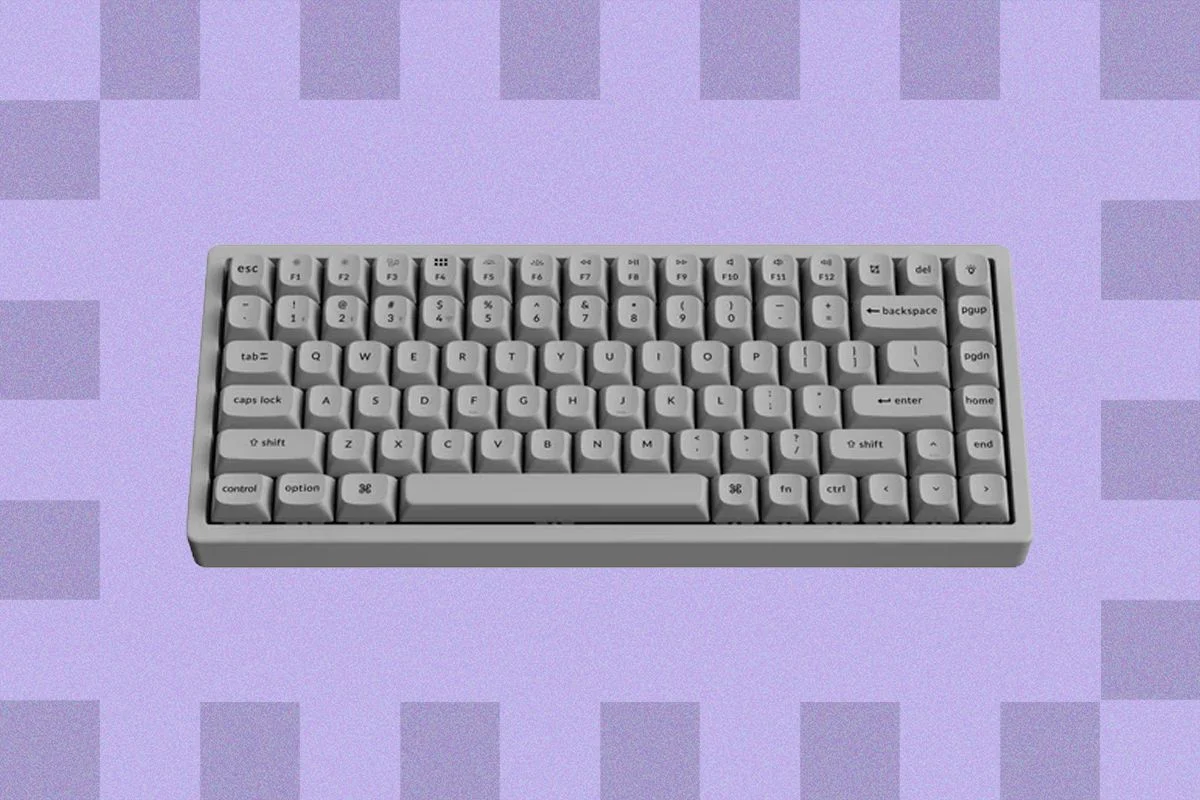
The Keychron K2 HE Concrete Edition represents a significant departure from conventional peripheral design, merging industrial material science with high-performance magnetic switch technology to cater to a niche segment of the mechanical keyboard market. As the keyboard industry moves beyond standard plastic and aluminum enclosures, Keychron’s experimentation with unsealed, raw concrete highlights a growing trend toward "boutique" materials that prioritize tactile uniqueness and aesthetic brutalism. This model follows the brand’s previous foray into unconventional materials, such as the all-ceramic Q16 HE, yet it pivots back to established Hall Effect (HE) technology rather than the newer Tunneling Magnetoresistance (TMR) sensors. While the device offers a premium typing experience characterized by smooth, PCB-mounted stabilizers and highly responsive switches, the choice of unsealed concrete introduces specific maintenance challenges and a physical evolution that transforms the device from a static tool into a dynamic, aging object.
The Evolution of Keychron and the Specialized Material Trend
Keychron, founded in 2017 by a group of keyboard enthusiasts with significant experience in manufacturing and marketing, initially gained prominence through highly successful Kickstarter campaigns. The original K2 model became one of the most recognizable mechanical keyboards in the world, praised for its 75% layout and Mac compatibility. Over the last seven years, the company has expanded its portfolio from entry-level wireless boards to the premium, QMK/VIA-compatible Q-series.
The introduction of the "HE" or Hall Effect line marks Keychron’s entry into the competitive gaming market, where rapid trigger functionality and adjustable actuation points are highly coveted. However, the Concrete Edition is less about standard market competition and more about material exploration. In the high-end mechanical keyboard community, enthusiasts have long experimented with wood, marble, and even heavy brass cases. By offering a factory-produced concrete chassis, Keychron is attempting to bridge the gap between mass-produced efficiency and the "group-buy" aesthetic of custom-built enthusiasts.
Technical Analysis of Internal Components and Stabilizers
A critical aspect of any high-end mechanical keyboard is the quality of its stabilizers—the components located under longer keys like the Spacebar, Shift, and Enter keys to prevent wobbling. The Keychron K2 HE Concrete Edition utilizes PCB-mounted stabilizers, a design choice generally preferred by the enthusiast community over plate-mounted alternatives. PCB-mounted units are screwed or clipped directly into the circuit board, which significantly reduces vibration and provides a more solid, grounded feel during heavy typing or gaming sessions.
During technical evaluations, it was noted that these stabilizers come pre-lubricated from the factory. While the application of the lubricant was described as "excessive," with visible clumps on the exterior housings, the functional result remains high. The excess grease acts as a buffer, ensuring that the stabilized keys remain smooth and consistent. More importantly, this heavy-handed lubrication eliminates the "ticking" or "rattling" sounds often associated with mass-produced keyboards. This focus on internal acoustics is a response to the "thock" and "clack" trends that dominate keyboard social media, where the sound profile of a device is considered as important as its physical response.
Switch Technology: Hall Effect vs. Tunneling Magnetoresistance
One of the most surprising technical decisions in the K2 HE Concrete Edition is the return to standard Hall Effect (HE) switches. Hall Effect technology uses magnets and sensors to detect the proximity of a keycap to the circuit board. Because there is no physical contact required to register a keystroke, these switches are incredibly durable and allow for "Rapid Trigger" features, where a key can be reactivated the moment it begins to travel upward, rather than needing to pass a fixed reset point.
However, Keychron recently introduced Tunneling Magnetoresistance (TMR) switches in its Q16 HE model. TMR sensors are generally considered superior in the context of precision peripherals because they offer higher sensitivity, lower power consumption, and better resistance to external magnetic interference compared to traditional HE sensors. The decision to utilize HE switches in the K2 Concrete Edition suggests a strategic choice by Keychron, likely based on supply chain availability or a desire to keep the price point accessible despite the high cost of casting and curing concrete enclosures. Despite being the "older" tech, the HE switches in this model maintain a 1,000 Hz polling rate, ensuring a response time of one millisecond, which remains the industry standard for competitive gaming.
Material Science: The Reality of Unsealed Concrete
The defining characteristic of the K2 HE Concrete Edition is its chassis. Unlike the polished or sealed concrete used in high-end countertops, Keychron has opted for a raw, unsealed finish. This choice has significant implications for the longevity and appearance of the device. Concrete is inherently porous; without a sealant, it absorbs oils, moisture, and particulate matter from its environment.

Reports indicate that the keyboard is prone to "patina," a term used to describe the aging process of materials like leather, copper, or, in this case, stone. In a professional environment, this means the keyboard will inevitably gather smudges and stains from daily use. These marks can originate from skin oils, cleaning agents, or even humidity in the air. For a segment of the user base, this represents a "living" aesthetic—a tool that reflects its history of use. For others, particularly those who prioritize "squeaky-clean" electronics, the susceptibility to staining is a functional drawback.
Furthermore, the weight of the concrete provides a level of stability that aluminum cannot match. The density of the material acts as a natural dampener for the high-frequency vibrations produced by mechanical switches, resulting in a deeper, more "muted" sound profile. However, the manufacturing process for concrete involves casting, which leads to slight inconsistencies in texture and color, making every unit unique but also potentially "imperfect" by traditional consumer electronics standards.
Chronology of the Magnetic Switch Revolution
To understand the context of the K2 HE, one must look at the timeline of magnetic switch adoption in the PC industry:
- 1960s-1970s: Hall Effect switches are pioneered by Honeywell for high-reliability applications, such as aviation and nuclear power plant controls.
- 2019: The company Wooting releases the Wooting Two, the first modern mechanical keyboard to successfully implement HE switches for gaming, introducing the concept of analog input.
- 2022-2023: Major brands like SteelSeries and Razer adopt HE technology, making "Rapid Trigger" a must-have feature for first-person shooter (FPS) players.
- Early 2024: Keychron experiments with TMR technology in the Q16 HE, pushing the boundaries of magnetic sensor precision.
- Late 2024: Keychron releases the K2 HE Concrete Edition, shifting the focus from sensor innovation to experimental industrial design.
Market Positioning and Broader Implications
The Keychron K2 HE Concrete Edition is positioned as a "lifestyle" peripheral. It targets a consumer who values the intersection of interior design and technology. By using concrete—a material usually reserved for architecture and infrastructure—Keychron is challenging the notion that computer peripherals must be hidden or made of "disposable" plastics.
From an industry perspective, this release signals that the "spec war" (the race for higher polling rates and faster switches) may be reaching a point of diminishing returns. When 1,000 Hz or 8,000 Hz polling rates become standard, manufacturers must find new ways to differentiate their products. Material innovation is the next logical frontier. We are seeing a move toward "heavy" luxury in the desk setup space, where the physical presence of an object is as important as its software features.
Official Responses and User Sentiment
While Keychron has not issued a formal statement regarding the specific maintenance of the concrete case, the company’s documentation emphasizes the "unique nature" of the material. Inferred reactions from the enthusiast community suggest a polarized reception. On platforms like Reddit and Geekhack, users have expressed admiration for the "bravery" of the design while raising concerns about the long-term hygiene of a porous surface.
Some users have suggested aftermarket solutions, such as applying a matte stone sealer to the case to prevent staining, though this would alter the "raw" tactile feel that Keychron intended. The discussion around "patina versus dirt" remains a central theme in the user experience, reflecting a broader cultural shift in how we perceive the lifespan of our digital tools.
Conclusion: A Bold, If Impractical, Milestone
The Keychron K2 HE Concrete Edition is a testament to the maturity of the mechanical keyboard market. It proves that there is a demand for hardware that does not look like traditional technology. While the return to HE switches over TMR may be a slight technical regression, and the unsealed concrete presents a legitimate challenge for cleanliness, the keyboard succeeds as a piece of functional art.
It offers the performance required by modern gamers—low latency, smooth actuation, and robust stabilizers—while providing a tactile and visual experience that is entirely unique in a sea of RGB-lit plastic. As the industry continues to evolve, the K2 HE Concrete Edition will likely be remembered as a bold experiment that forced users to reconsider the relationship between their tools and the materials they are made of. Whether it is viewed as a "bummer" due to its stains or a "bonus" due to its character, it remains one of the most distinctive peripherals of the decade.







