Cintya Tara Annisa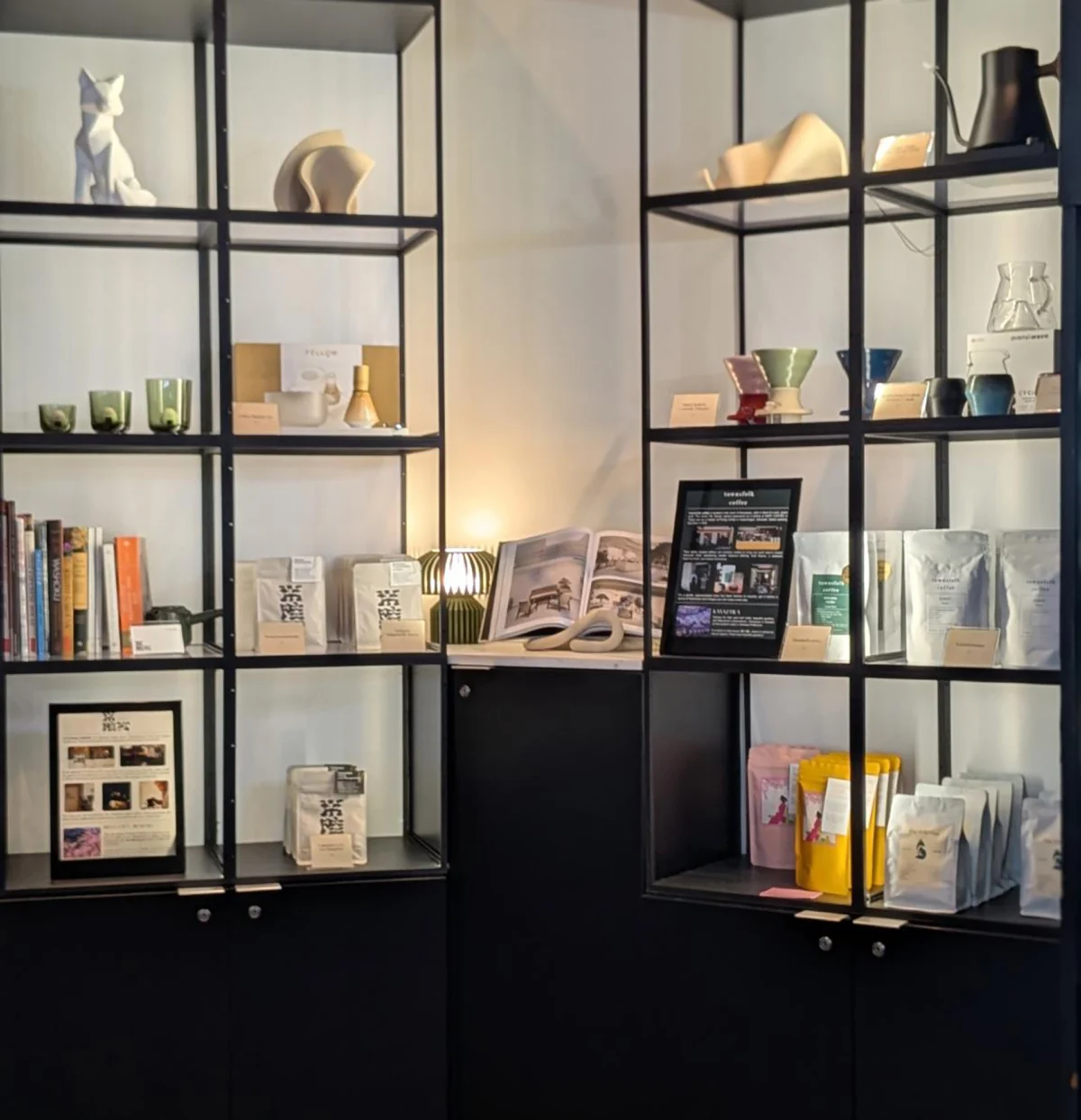
The Wild Fox, a Japanese-inspired culinary and coffee concept, has officially entered the San Francisco landscape, marking a significant shift in the city’s downtown retail recovery efforts. Located in the heart of the Financial District, adjacent to the Consulate General of Japan, the establishment represents a high-stakes bet on the revitalization of the neighborhood’s commercial core. Founded by industry veterans Rich Lee and Liza Otanes—the duo behind the acclaimed Spro Coffee Lab—in collaboration with Executive Chef Tsubasa Onozaki, formerly of Liholiho Yacht Club, The Wild Fox serves as a bridge between the traditional Japanese kissaten and the cutting-edge of third-wave coffee science. The cafe’s arrival comes at a pivotal moment for San Francisco, utilizing innovative municipal programs to transform long-vacant real estate into a destination for high-end specialty beverages and authentic Japanese gastronomy.
The Vacant to Vibrant Initiative and Site Chronology
The physical location of The Wild Fox carries historical weight within the context of San Francisco’s economic shifts. For over half a decade, the storefront sat dormant following the closure of an Illy Caffè location prior to the 2020 global pandemic. In an era where the Financial District has struggled with high vacancy rates and reduced foot traffic due to the rise of remote work, the space became a symbol of the neighborhood’s stalled momentum.
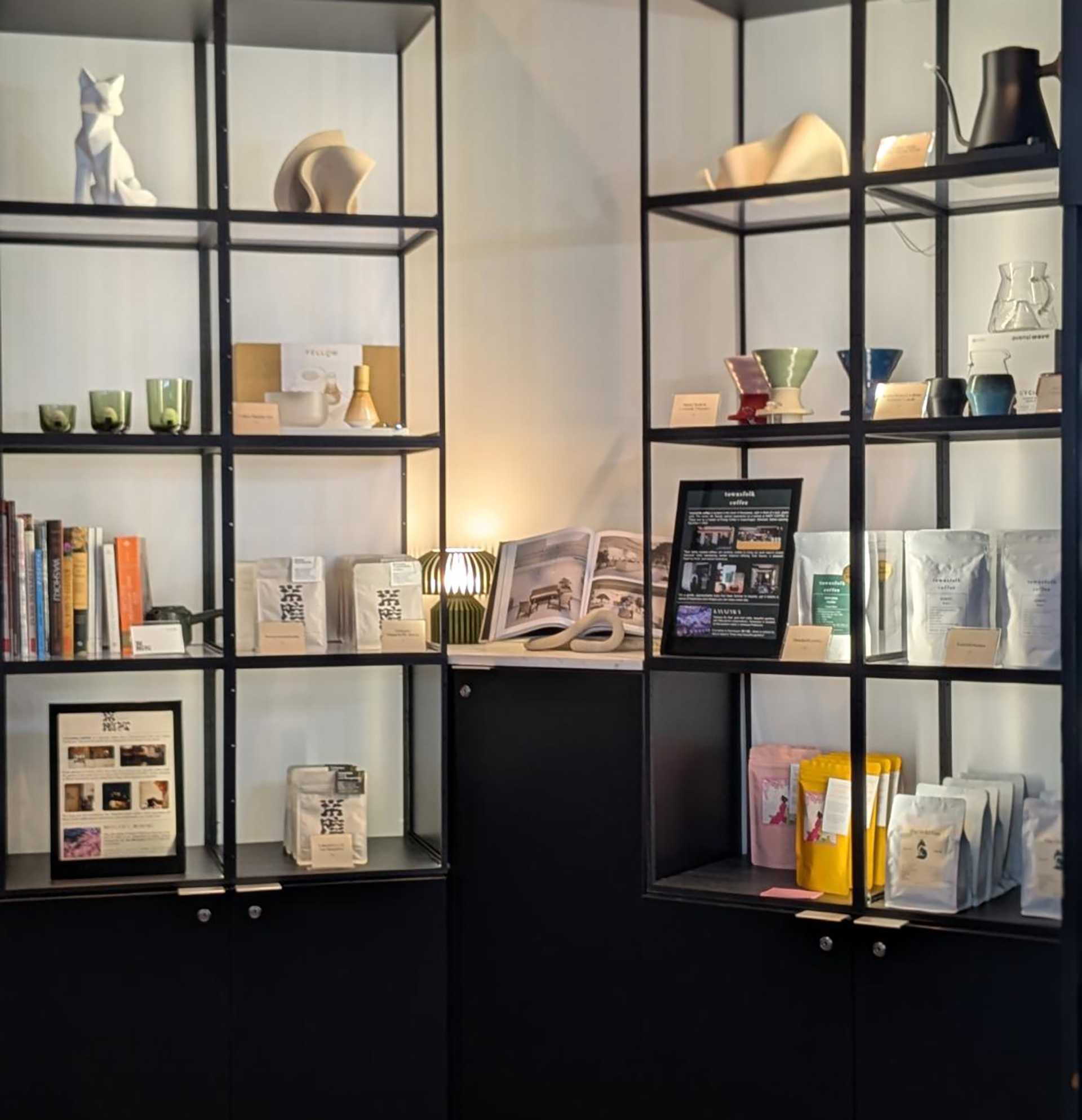
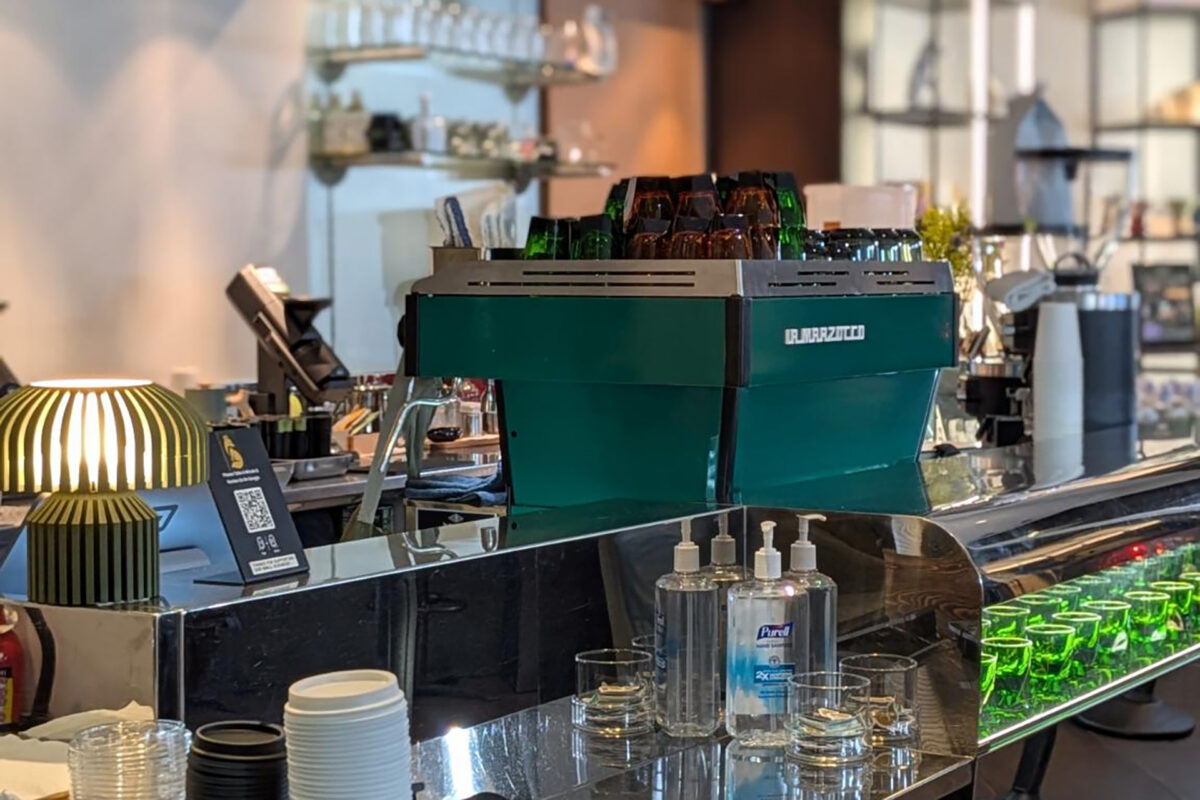
The activation of this site was made possible through the "Vacant to Vibrant" program, a strategic initiative launched by the City of San Francisco to pair small businesses with landlords willing to offer flexible lease terms. This program addresses the "punishing rent" structures that have historically barred independent artisans from the Financial District. Under this framework, the city negotiated with the building’s ownership to facilitate a sublease that allowed Lee and Onozaki to inherit existing coffee infrastructure while mitigating the immense capital expenditure typically required for a downtown build-out. The renovation process involved six months of technical updates to address the deterioration of a space that had been unmaintained since 2019, eventually resulting in a minimalist, earthy-green interior designed to maximize seating within a compact footprint.
A Japanese-Centric Import Model
The core differentiator of The Wild Fox is its commitment to an exclusively Japanese supply chain for its coffee offerings. While most American specialty cafes roast their own beans or source from domestic roasters, The Wild Fox imports its entire menu from Tokyo and other Japanese hubs. This model involves logistical coordination with prominent Japanese roasteries, including Glitch Coffee, Oubaitouri, and Koloro Coffee Japan. Shipments arrive several times per week to ensure freshness, a feat that requires precise inventory management and a high-volume turnover.
This international sourcing strategy reflects a broader trend in the coffee industry known as the "Japanification" of specialty coffee, where the meticulous attention to detail and unique roasting profiles of Japanese masters are increasingly sought after by Western connoisseurs. The menu frequently features Cup of Excellence (COE) lots—coffees that have been vetted through rigorous international competitions. Notably, the cafe has served the 2024 COE #1 Brazil at a price point of $105 per cup. This pricing reflects the auction-based nature of high-end coffee, where top-tier lots are purchased at a premium to ensure farmers are compensated far above fair-trade standards.
Technical Innovation and the Frozen Grinding Program
The Wild Fox distinguishes itself through the application of advanced coffee science, specifically through its frozen bean program. By maintaining coffee at sub-zero temperatures, the cafe halts the oxidation process, effectively locking in the volatile aromatic compounds at their peak flavor profile. This method allows the cafe to offer a diverse library of rare coffees without the risk of staling.
The technical execution relies on high-precision equipment. The cafe utilizes the Weber EG1 grinder, a device favored for its ability to handle frozen beans with minimal heat friction. Research in coffee physics suggests that grinding beans at extremely low temperatures results in a more uniform particle size distribution, which in turn leads to a sweeter, more complex extraction with heightened acidity. For espresso service, the team employs a La Marzocco PB equipped with integrated scales and advanced steam technology to ensure temperature stability. This rigorous technical approach has yielded unexpected consumer data: for six consecutive months, pour-over coffee has outpaced milk-based beverages as the cafe’s primary seller. This shift suggests a maturing consumer base in San Francisco that is increasingly prioritizing origin-driven flavor over traditional latte-based menus.
Culinary Integration and the Minimalist Experience
The food program, led by Chef Tsubasa Onozaki, is designed to complement the delicate profiles of the imported coffees. The menu focuses on Japanese staples, including onigiri, unagi rice bowls, gyudon, and chashudon, alongside specialized Japanese sandwiches (sandos). The culinary philosophy mirrors the coffee program’s focus on low sweetness and high-quality ingredients.
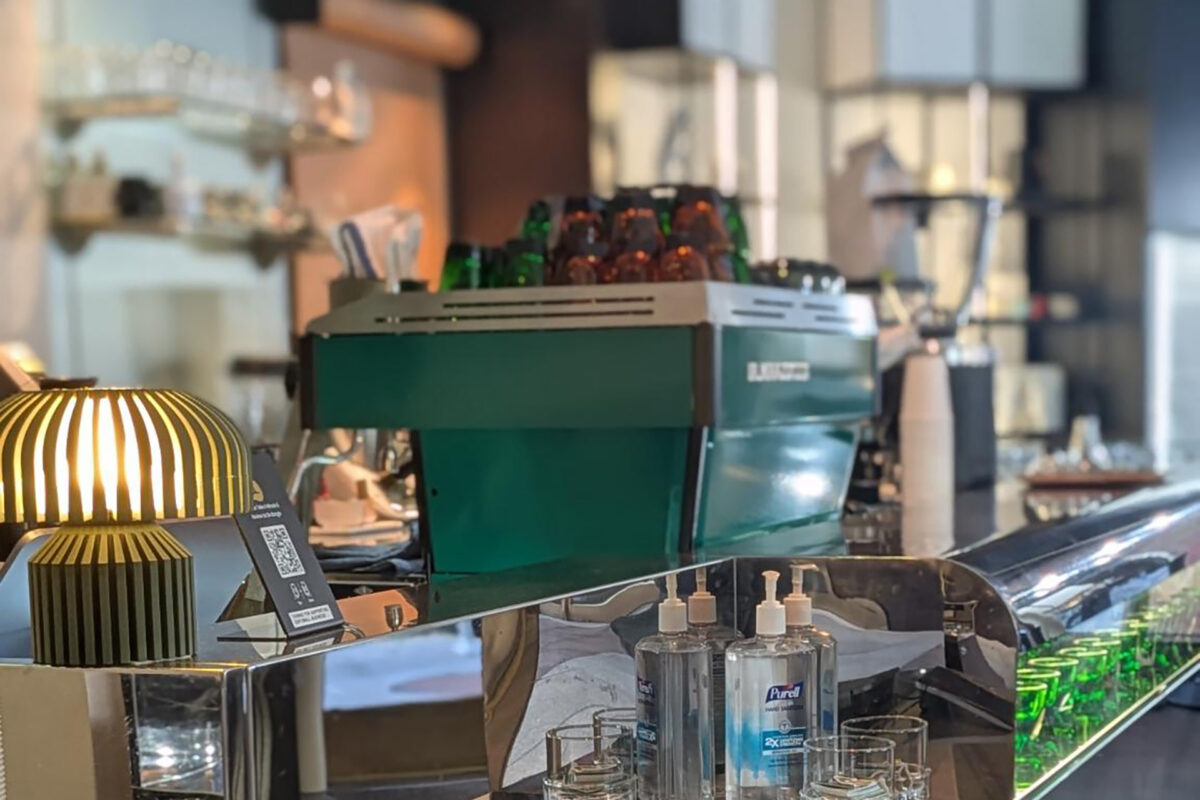
In a move that challenges modern retail norms, The Wild Fox has implemented a minimalist service environment. There is no public Wi-Fi, a decision intended to foster a focused atmosphere centered on the sensory experience of the product rather than digital productivity. Furthermore, the cafe does not proactively offer milk, cream, or sugar, encouraging patrons to taste the coffee as intended by the roaster. Signature drinks, such as the sakura kuromitsu and the matcha mango shizuku, utilize house-made syrups and high-grade matcha imported directly from Japanese producers, bypassing traditional distributors to ensure quality control.
Community Engagement and Professional Competition
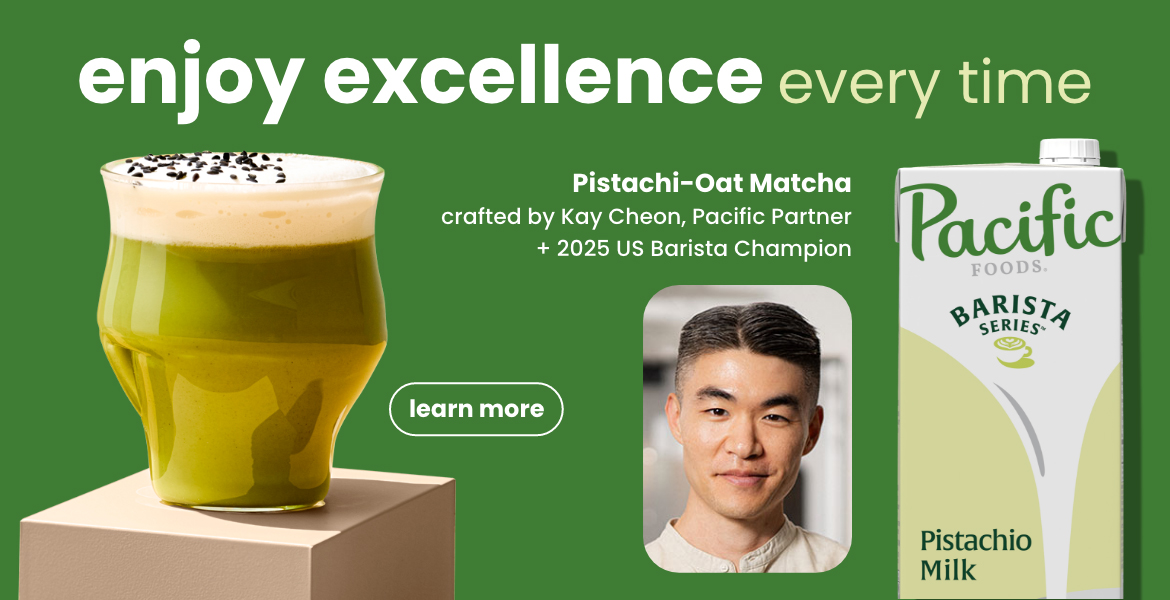
Beyond daily service, The Wild Fox has positioned itself as a hub for the professional coffee community. The cafe has hosted events featuring World Barista Championship (WBC) competitors, such as Christopher Hoff and Kay Cheon, who performed their full 15-minute competition routines for public audiences. These sessions include the service of espresso, milk beverages, and signature drinks, with guests using official scoring sheets to evaluate the performance.
This initiative serves two purposes: it demystifies the world of high-level coffee competition for the general public and provides a platform for elite baristas to refine their craft. By bringing competitors like Morgan Eckroth into a retail environment, The Wild Fox bridges the gap between the insular world of professional competition and the consumer market, further establishing San Francisco as a global center for coffee innovation.

Sustainability and Economic Impact
Sustainability at The Wild Fox is approached through the lens of longevity and waste reduction. By repurposing a defunct Illy location, the founders prevented significant construction waste and contributed to the stabilization of the local real estate market. The cafe’s "frozen library" model serves as a waste-mitigation strategy, as it eliminates the need to discard beans that have moved past their peak freshness window.
Economically, the cafe operates on a model of "direct-impact sustainability." By purchasing rare, high-scoring auction lots, they provide direct financial incentives to coffee producers globally. Additionally, the cafe has eliminated the "vegan tax"—the common industry practice of charging extra for plant-based milks like oat or almond. This policy removes the financial barrier for consumers making lower-impact environmental choices.
Analysis of Broader Implications
The success of The Wild Fox in the early months of 2026 provides a potential blueprint for the recovery of urban centers. The combination of municipal support (Vacant to Vibrant), specialized niche marketing (Japanese imports), and high-end technical execution suggests that downtown areas may find new life not as general-purpose office support zones, but as destinations for curated, high-value experiences.
As the cafe prepares for its upcoming appearance at the Specialty Coffee Association of Japan (SCAJ) event in Tokyo this October, it stands as a representative of American retail adaptability. The Wild Fox demonstrates that even in a challenging economic climate, there is a robust market for products that prioritize intentionality, quality, and cultural authenticity over convenience and mass appeal. The ongoing performance of the Financial District’s retail sector will likely be influenced by the ability of similar "destination" businesses to draw foot traffic back to the city’s historic commercial corridors.