In the rapidly evolving landscape of digital communication, effective social media management has become a critical pillar for businesses, creators, and agencies alike. The proliferation of platforms and the increasing demand for data-driven strategies necessitate robust tools that streamline operations while providing actionable insights. Among the myriad of social media management solutions available, Buffer and Metricool frequently emerge as leading contenders, each carving out a distinct niche within the competitive market. This article delves into a detailed comparison of these two prominent platforms, examining their features, pricing structures, strategic orientations, and suitability for various user segments, ultimately providing a factual and objective guide for informed decision-making.
The Evolving Landscape of Social Media Management
The global social media management market, projected to reach significant valuations in the coming years, reflects the indispensable role these tools play in modern marketing. Initially conceived as simple scheduling utilities, social media management platforms have matured into sophisticated ecosystems offering a spectrum of functionalities from content creation and distribution to analytics, community engagement, and even advertising management. This evolution is driven by several factors: the sheer volume of content required to maintain an active presence across multiple channels, the increasing complexity of platform-specific algorithms, the imperative for real-time audience engagement, and the constant need to demonstrate ROI through comprehensive reporting. As businesses grapple with these challenges, the choice of a social media management tool becomes a strategic decision, directly impacting efficiency, reach, and ultimately, growth.
Core Contenders: Buffer and Metricool – A Strategic Overview
Both Buffer and Metricool are designed to simplify the intricate task of managing multiple social media accounts. However, their core philosophies and target audiences diverge, shaping their respective feature sets and user experiences. Buffer has historically positioned itself as a tool prioritizing simplicity, intuitive publishing workflows, and effective community management, making it a favorite among individual creators, solopreneurs, small businesses, and growing teams who value a clean interface and straightforward operations. Metricool, on the other hand, has cultivated a reputation as a more data-centric platform, appealing predominantly to marketers and agencies whose primary requirements include competitor tracking, in-depth analytics, and highly customizable reporting for clients and stakeholders. Understanding these foundational differences is key to appreciating their nuanced strengths and weaknesses.
Pricing Models: A Deep Dive into Value Propositions
The financial commitment associated with social media management tools is a significant factor for many users. Both Buffer and Metricool offer free plans and tiered paid subscriptions, but their pricing structures reflect their distinct target markets.
Buffer’s Flexible, Channel-Based Pricing:
Buffer employs a transparent, channel-based pricing model, allowing users to customize their plans by adding only the social media platforms they actively use. This flexibility is particularly advantageous for users with diverse or evolving social media presences. For instance, its "Essentials" plan starts at $6 per channel per month, offering unlimited posts and comprehensive analytics. A crucial highlight is Buffer’s free plan, which supports three channels with up to 10 posts per channel (refillable), notably including full API access and unlimited AI Assistant usage – a rare offering at no cost. For teams, the "Team" plan is priced at $12 per channel per month, accommodating unlimited users and providing robust approval workflows and custom permissions. This model ensures that costs scale proportionally with usage, making it economical for individuals and businesses managing a specific number of channels.
Metricool’s Brand-Centric, Tiered Pricing:
Metricool’s pricing structure revolves around the concept of "brands," where one brand typically includes one account from each supported social platform. Its "Starter" plan begins at $25 per month. While this might appear competitive, it’s essential to note certain add-on structures. For example, LinkedIn and X/Twitter are often excluded from the free plan and sometimes incur additional costs or require higher-tier subscriptions. The "Advanced" plan, starting at $67 per month, caters to larger operations, offering features for multiple brands and enhanced team collaboration. A key consideration for Metricool users is the "add-on" structure, particularly for platforms like X/Twitter, which may increase the effective cost beyond the advertised base price. Furthermore, managing multiple accounts of the same platform (e.g., two Instagram accounts) often requires separate "brands," potentially splitting reporting dashboards and adding complexity.
Practical Scenarios and Cost Implications:
Consider a solo creator managing Instagram, TikTok, LinkedIn, and X/Twitter. With Buffer, this would typically cost $24 per month (4 channels x $6). Metricool’s Starter plan would be $25, but with potential add-ons for LinkedIn and X/Twitter, the cost could rise. For a small business with a three-person team managing eight channels (e.g., two Instagram, two Facebook, two LinkedIn, one TikTok, one X/Twitter), Buffer’s Team plan would cost $96 per month (8 channels x $12), including unlimited users. Metricool’s Advanced plan, while offering team features at $67, would still need to account for its "brand" structure and any potential add-ons, potentially pushing the effective cost higher or requiring more intricate setup. These scenarios underscore that Buffer’s per-channel model often provides greater cost predictability and flexibility for scaling up or down individual channel usage.
Scheduling and Publishing: Workflow Philosophies
Both platforms excel at cross-platform scheduling, but their approaches to workflow automation and user experience differ significantly.
Buffer’s Streamlined Simplicity:
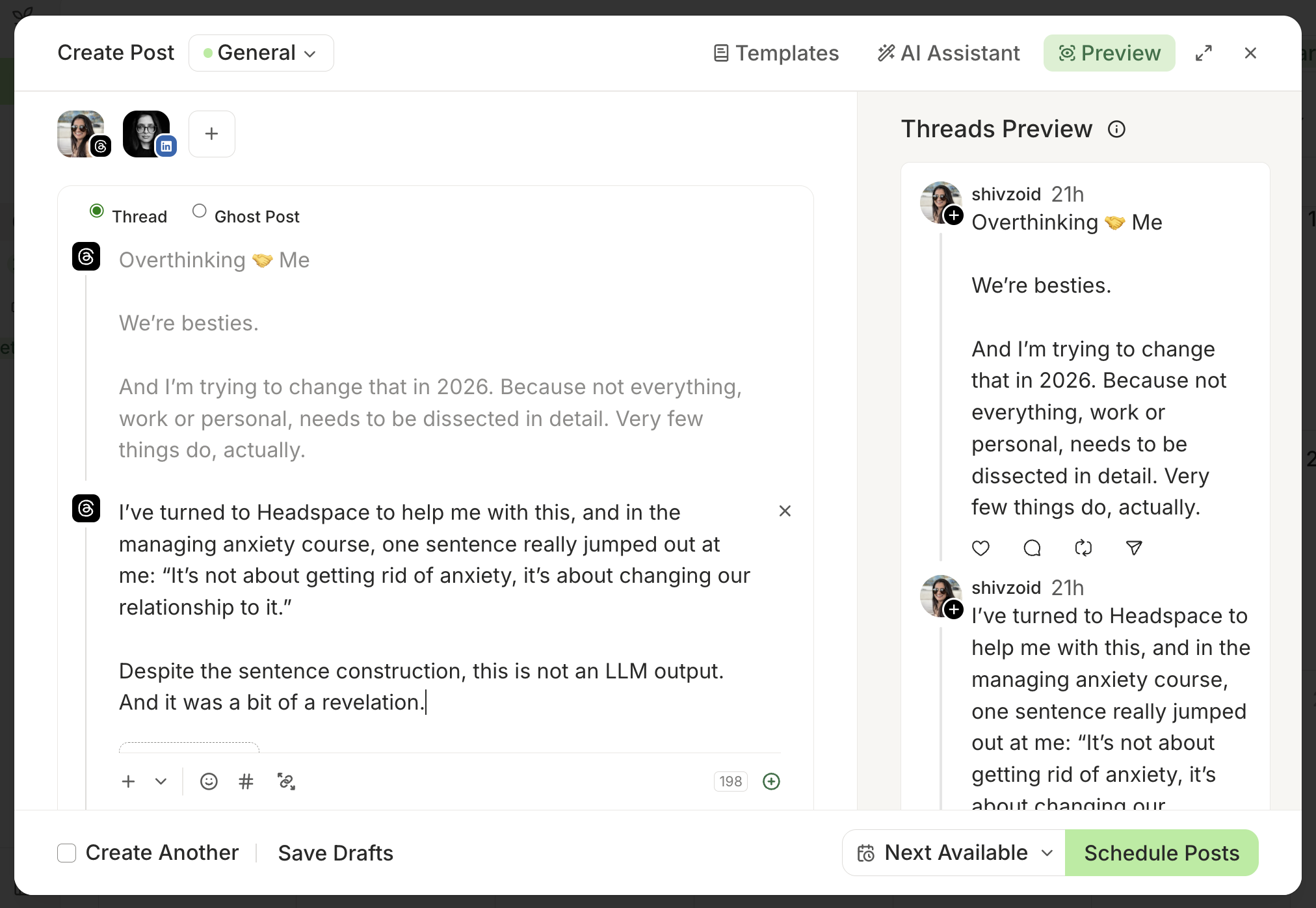
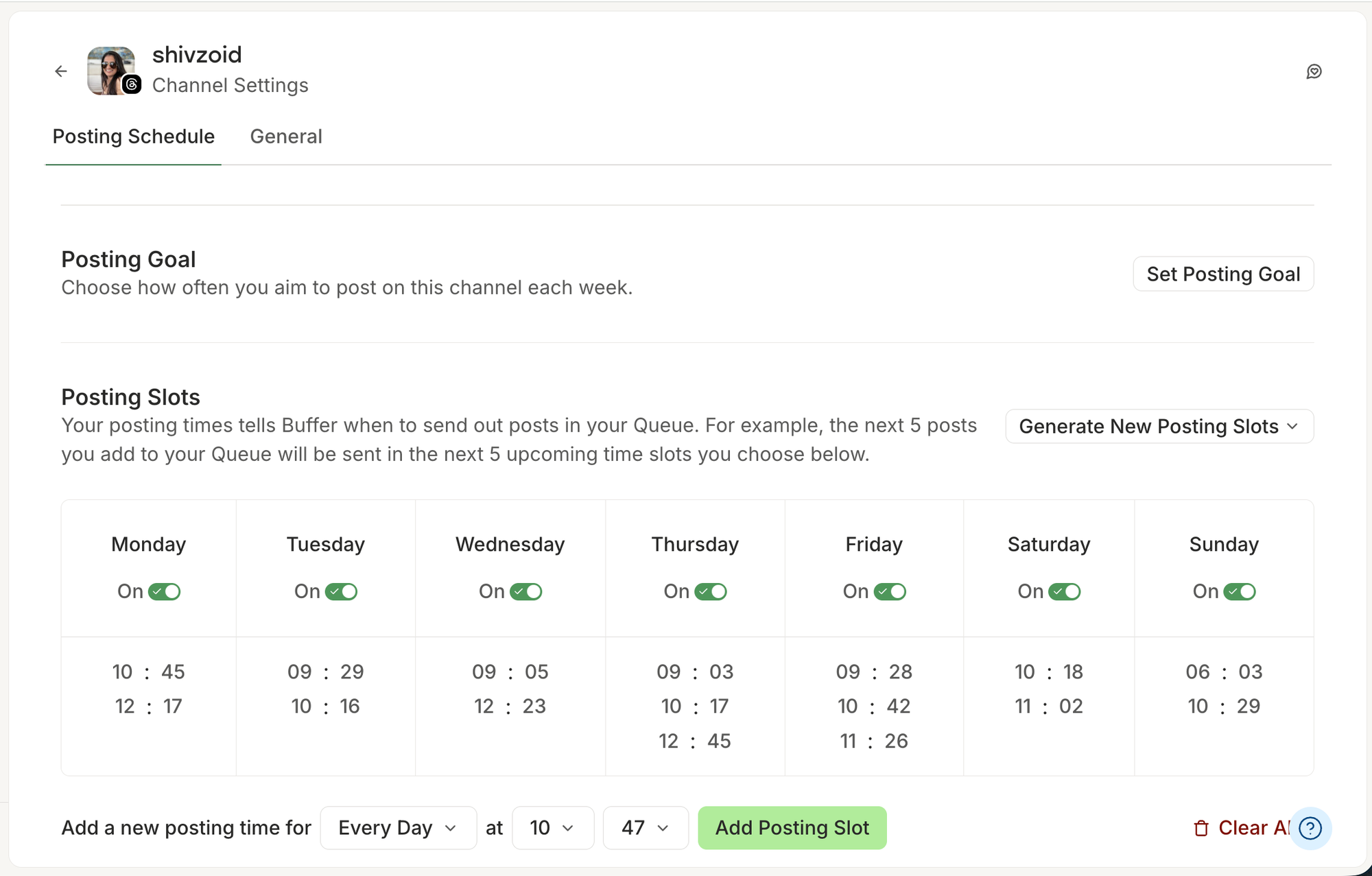
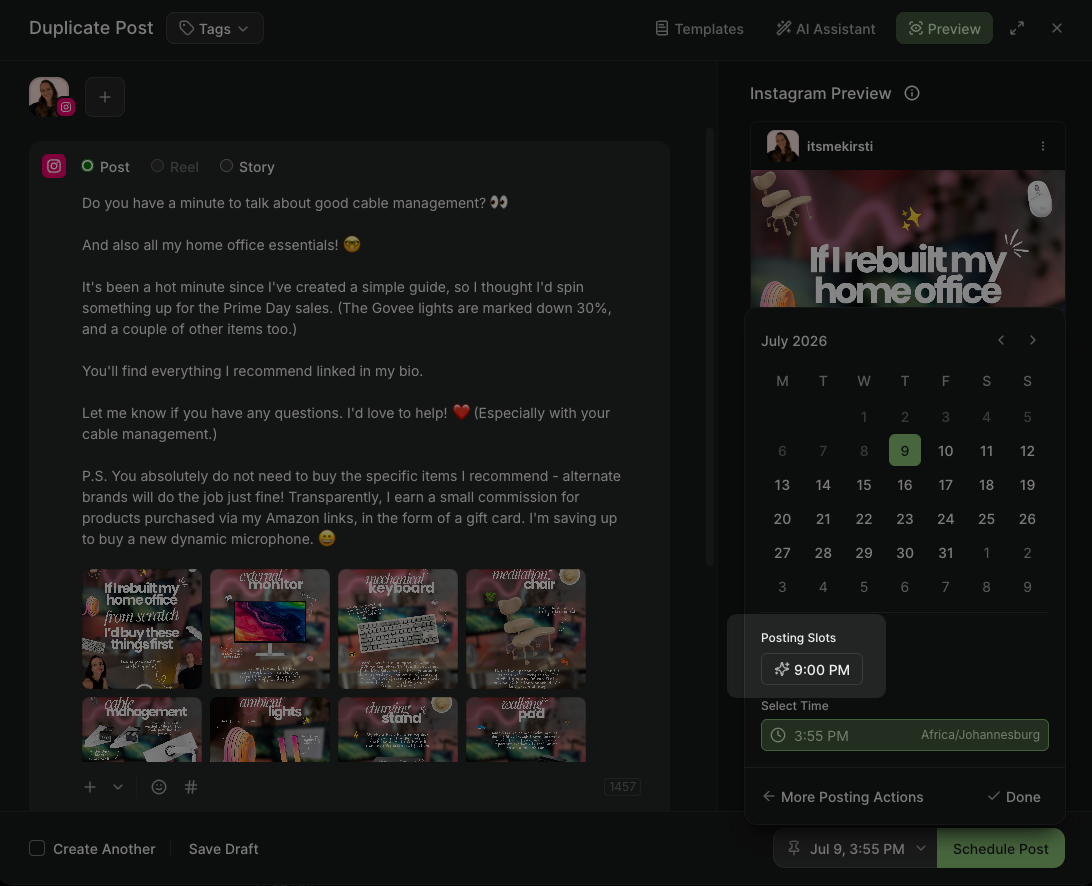
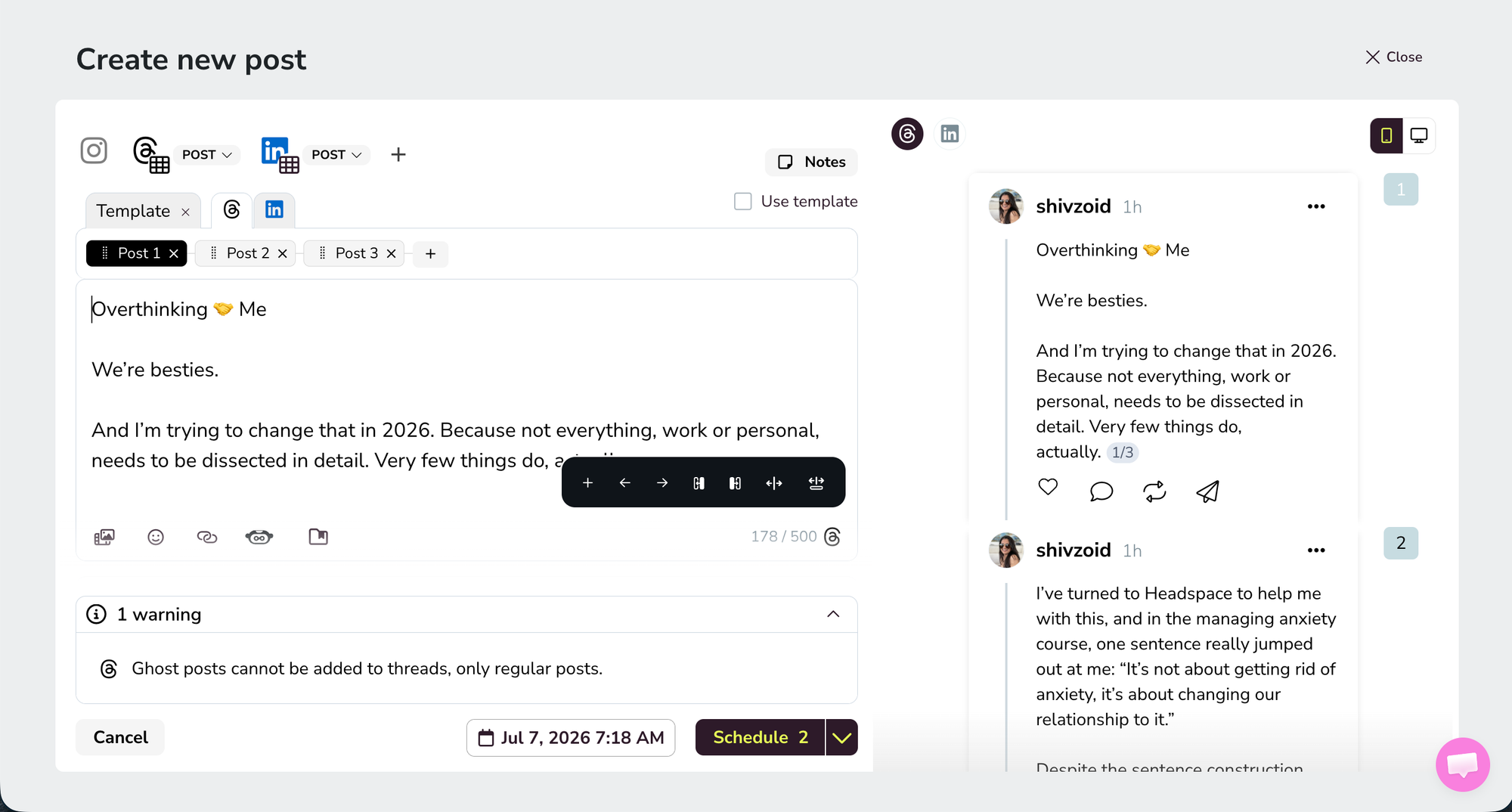
Buffer’s scheduling interface is intentionally minimalist, emphasizing ease of use. Users compose posts, select channels, customize content for each platform as needed, and then schedule. A standout feature is its "posting slots" system, where users define optimal times for each channel. Posts are then automatically added to the next available slot, creating a "set it and forget it" queue. This system can be further optimized by Buffer’s data science-backed "Recommended Times" feature, which suggests peak engagement periods. For teams, approval workflows are seamlessly integrated, allowing content creators to request sign-off before publication. The option for bulk uploads via CSV further enhances efficiency for large content volumes. This streamlined approach minimizes cognitive load, allowing users to focus more on content creation.
Metricool’s Calendar-Driven Control and Autolists:
Metricool offers a calendar-centric planner where users click directly on a date or a "create post" button to open the composer. This provides a clear visual overview of scheduled content. While it lacks Buffer’s evergreen queue system for individual posts, Metricool compensates with "autolists." This feature allows users to loop evergreen content automatically at chosen intervals, or connect to RSS feeds for blog or YouTube syndication. For some channels, the calendar view also incorporates a heatmap indicating optimal posting times. The planner supports multi-post sequences and mobile previews, offering granular control over individual scheduled items. Metricool’s autolists are particularly beneficial for users who regularly recycle content or syndicate from external feeds, providing a powerful mechanism for content repurposing.
Analytics and Reporting: Data-Driven Decision Making
The ability to analyze performance and generate insightful reports is paramount for optimizing social media strategies. Here, Metricool takes a deep dive into data, while Buffer offers a more interpretative, AI-assisted approach.
Buffer’s AI-Powered Insights:
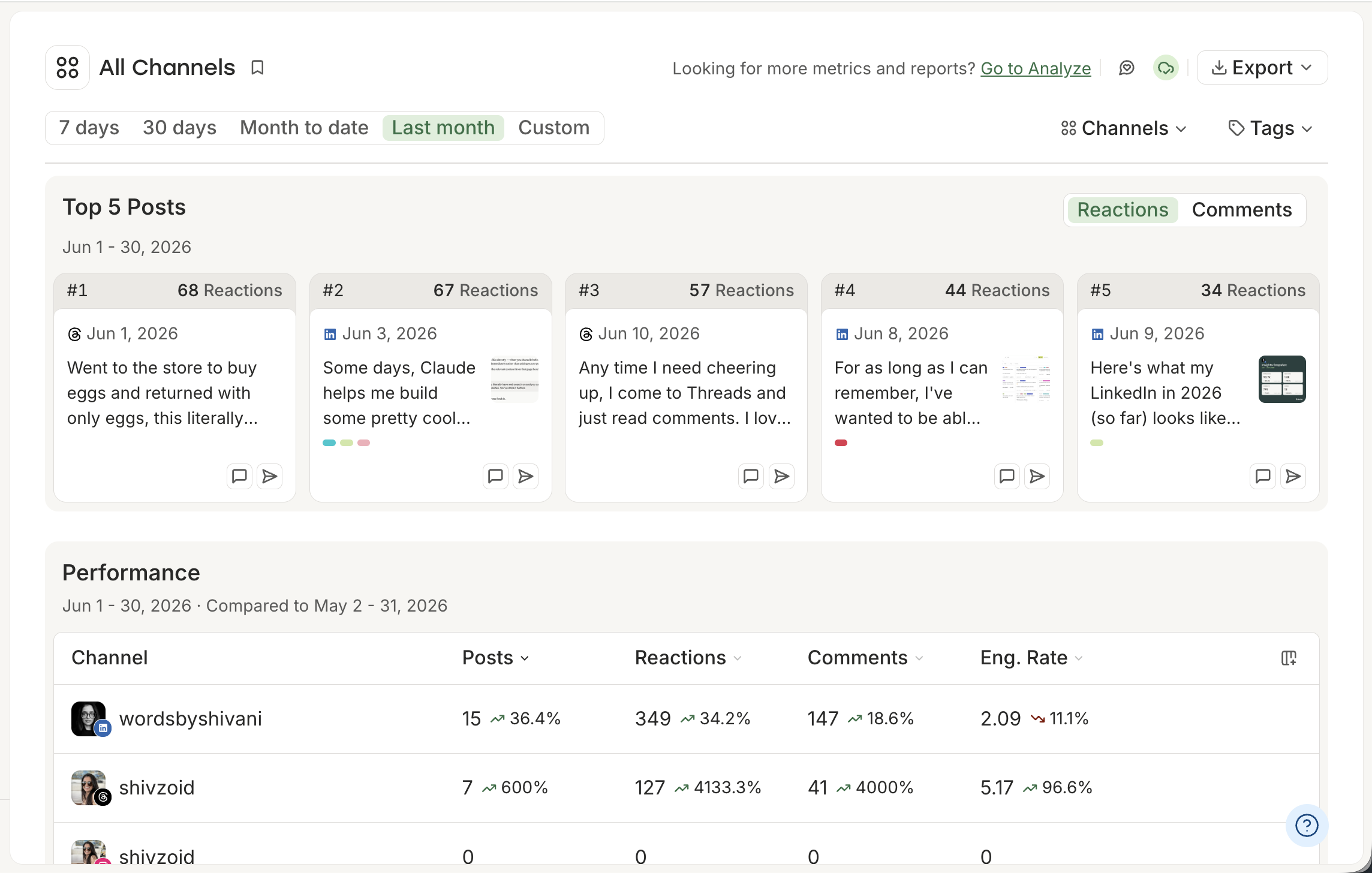
Buffer’s "Insights" are designed for clarity and actionability. They provide comprehensive post, channel, and follower analytics, but crucially, they integrate AI-powered takeaways. These AI insights go beyond raw numbers, offering specific, actionable suggestions such as "engage more with your audience," "repurpose a high-performing post," or "experiment with a different content format." This feature is available on all plans, democratizing access to data interpretation. Users can define custom time ranges for analysis and compare performance against previous periods, offering valuable trend analysis. For reporting, Buffer provides PDF, Markdown, and CSV export options, catering to both client-facing reports and advanced data analysis through external tools or LLMs.
Metricool’s Granular, Customizable Reporting:
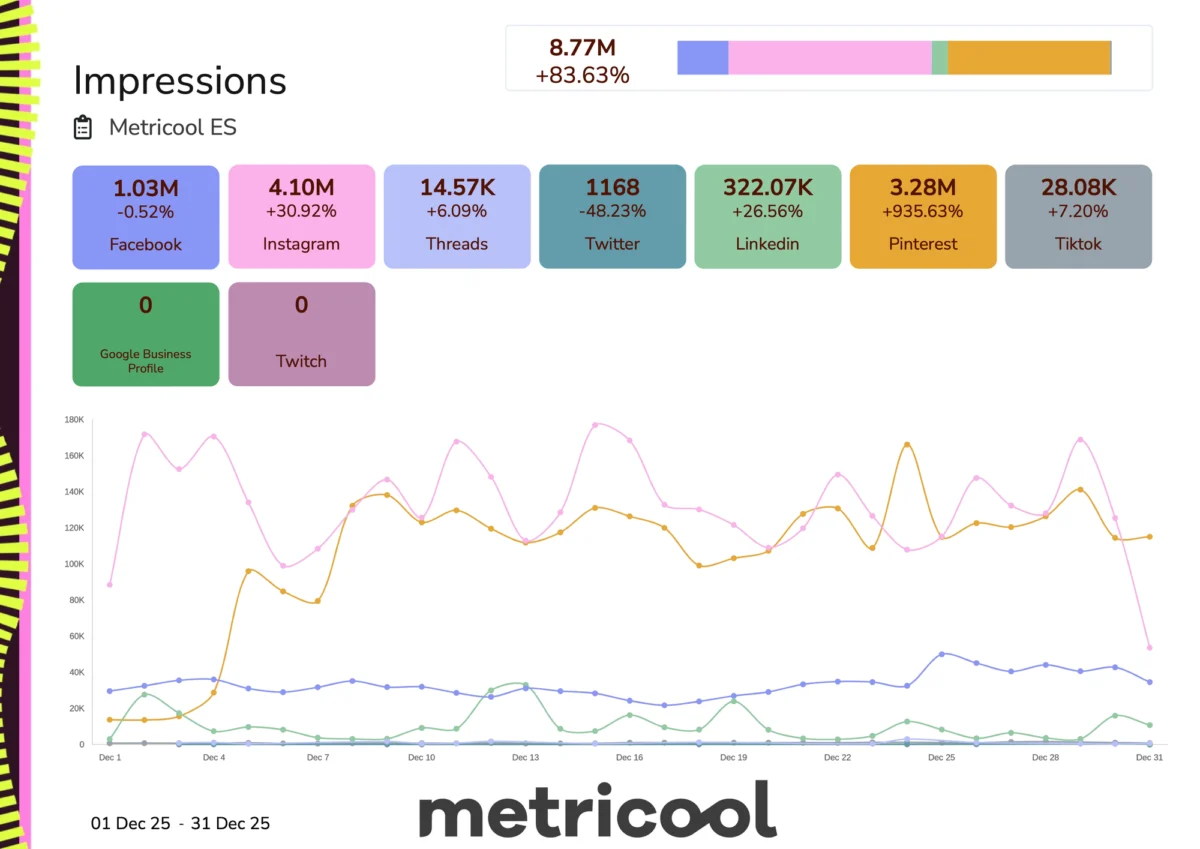
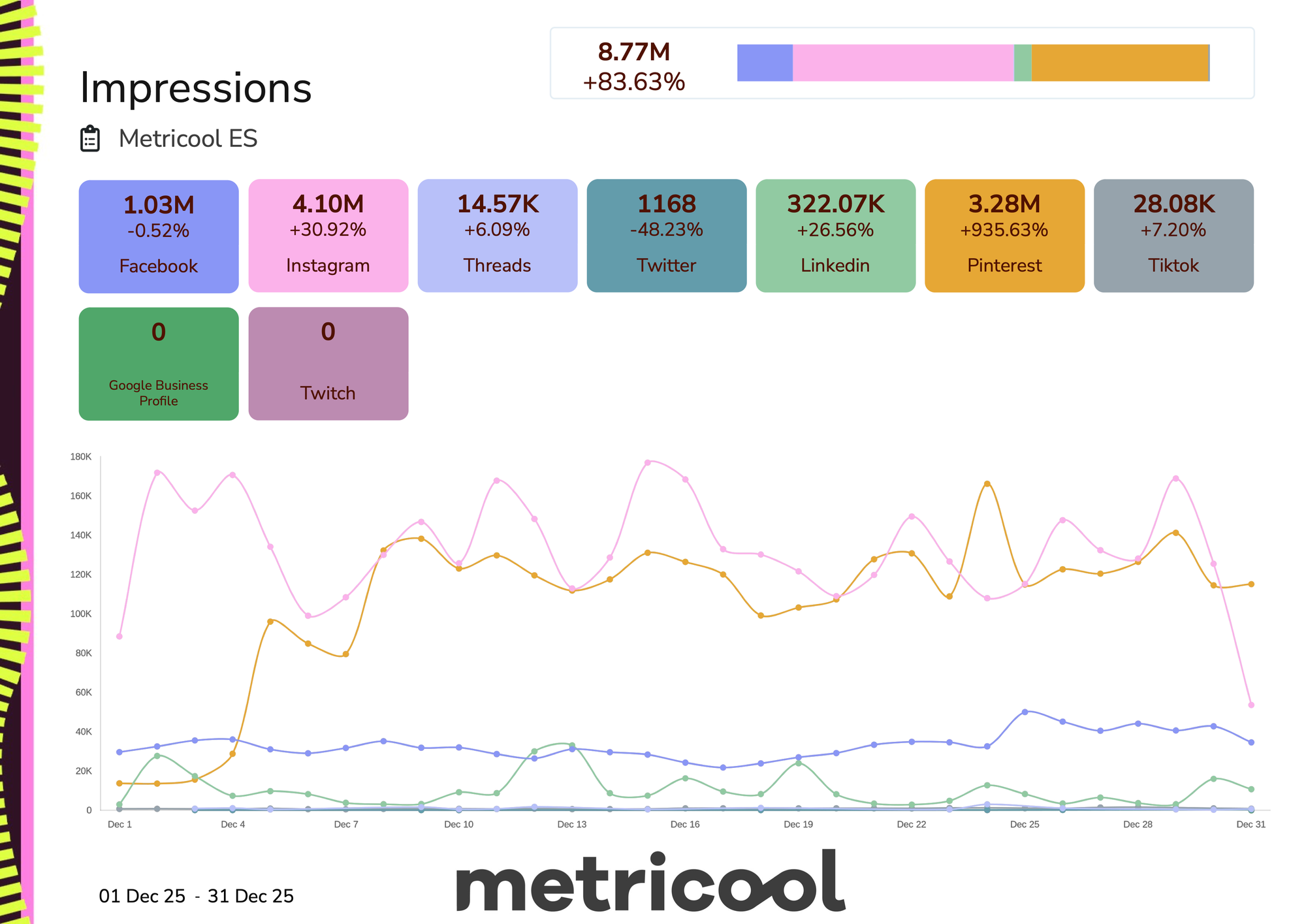
Metricool’s reporting capabilities are notably robust, especially for its price point. It offers platform-by-platform breakdowns, a custom report builder, granular post-level data, and audience demographics across all connected channels. A key differentiator is its ability to connect website analytics, allowing users to track how social media efforts drive web traffic. Paid plans enable extensive report customization, PDF/PowerPoint exports, and scheduled email reports to multiple recipients, complete with personalized messages. Metricool also features "Metricool Studio" for AI-generated reports that analyze brand metrics, compare brands, or track performance across different periods. Furthermore, direct integration with Google’s Data Studio (formerly Looker Studio) allows for advanced custom dashboard creation, solidifying its appeal for data-led marketers. Its "hashtag tracker" also provides a unique, albeit paid, feature for campaign monitoring.
Community Engagement: Managing the Conversation
Engaging with audiences is no longer optional; it’s a necessity. Both platforms offer unified inboxes, but with different scopes.
Buffer’s Broad Comment Management:
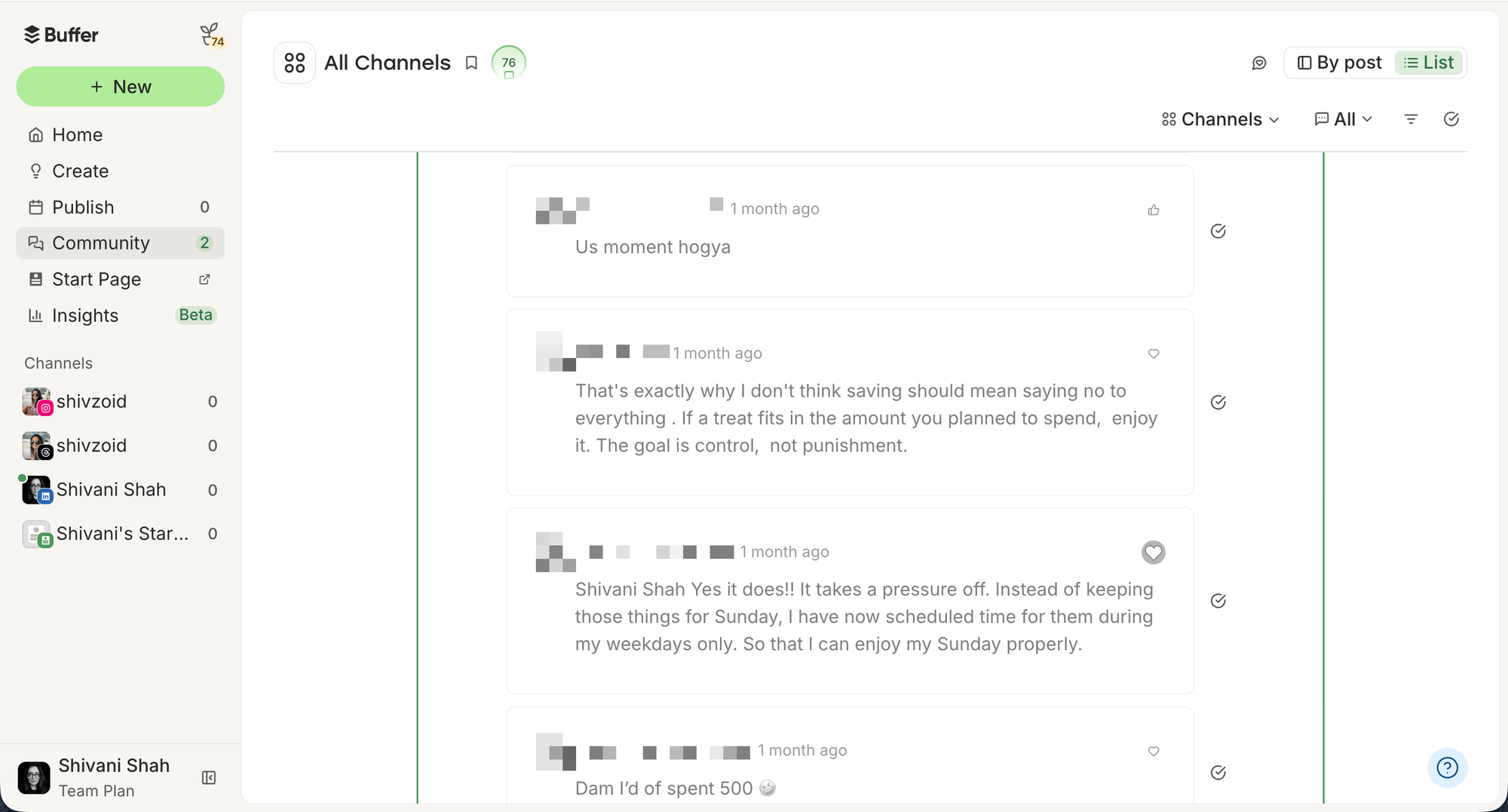
Buffer’s "Community Inbox" is designed for comprehensive comment and mention management across a wide array of platforms, including Facebook Pages, Threads, Bluesky, LinkedIn profiles and pages, X/Twitter, Instagram professional accounts, Google Business Profiles, TikTok, YouTube, and Mastodon. A significant advantage is the integration of Buffer’s AI assistant to suggest replies, speeding up response times. Users can also save frequently used replies and track a "Comment Score" to incentivize timely engagement. Buffer’s focus here is on ensuring no comment goes unnoticed, fostering active community interaction.
Metricool’s DM Integration with a Tighter Platform Focus:
Metricool’s inbox, available on paid plans, covers Facebook Pages, Instagram professional accounts, LinkedIn Pages, X/Twitter, and Google Business Profiles. While its platform coverage for comments is narrower than Buffer’s (not including personal LinkedIn profiles or Mastodon/Bluesky), Metricool distinguishes itself by supporting direct messages (DMs) on Facebook, Instagram, and X. This feature is crucial for businesses that rely heavily on private conversations for customer service or sales. The choice between the two depends on whether a broader range of public comment management or direct message functionality on key platforms is a higher priority.
Strategic Intelligence: The Role of Competitor Tracking
Understanding the competitive landscape is vital for strategic planning. This is an area where Metricool offers a distinct advantage.
Metricool’s Integrated Competitor Analysis:
Metricool features a built-in competitor tracking tool, a functionality conspicuously absent in Buffer. This allows users to monitor the performance of up to 100 competitor profiles on paid plans (5 on the free plan, with limitations). Platforms covered include Instagram, Facebook, Threads, Bluesky, Twitch, and on paid plans, YouTube and X/Twitter. Key metrics such as followers, replies, likes, reposts, and views are tracked, enabling users to identify successful strategies within their niche, benchmark their own performance, and seamlessly integrate competitor data into reports. For agencies and data-led marketers, this feature provides invaluable market intelligence.
Buffer’s Focus on Internal Performance:
Buffer’s strategic focus remains on optimizing a brand’s own content creation and publishing workflows. Therefore, competitor tracking is not offered as a feature. For users whose primary goal is efficient internal content management and performance analysis, this omission is not a drawback, but for those requiring external market intelligence, Metricool is the clear choice.
Advanced Capabilities: API, MCP, and Extensibility
For users seeking to integrate social media management with broader digital ecosystems, API access and other advanced integrations are crucial.
Buffer’s Open API and MCP Ecosystem:
Buffer provides API access on all its plans, including the free tier. This open approach allows users and developers to build custom workflows, integrate Buffer with other business tools, or create bespoke applications. Examples include content engines automating post generation and scheduling, or custom apps consolidating multiple platform integrations. Beyond the API, Buffer’s "MCP" (Multi-Channel Publishing, or often refers to other integrations like AI tools) connects seamlessly with leading AI tools like Claude, ChatGPT, Perplexity, and Raycast, enabling users to brainstorm ideas, draft posts, and manage schedules without leaving their preferred AI environment. This emphasis on extensibility empowers users to tailor Buffer to their unique operational needs.
Metricool’s Tiered API and MCP:
Metricool also offers an MCP for integration with other tools, available on all plans, though usage limits still apply. Its API, however, is reserved for "Advanced" and "Custom" plans. This API provides capabilities for metrics access, data export, and scheduling/publishing automation. While powerful, the tiered access means that smaller businesses or individual creators might not be able to leverage its full integration potential without upgrading to higher-cost plans. Metricool’s approach to advanced capabilities reflects its orientation towards larger agencies and enterprises that can justify the investment in higher tiers for such integrations.
Artificial Intelligence: Enhancing Efficiency and Creativity
The integration of Artificial Intelligence has become a defining characteristic of modern social media tools, offering new avenues for content creation and analysis.
Buffer’s Unlimited AI Assistant:
Buffer’s AI Assistant is a prominent feature, available on all plans, including Free, with no usage caps. This provides unparalleled freedom for users to generate post ideas, write drafts, repurpose content for different platforms, create alt text for images, and brainstorm hooks. The AI is also embedded in the Community Inbox to suggest replies, streamlining engagement. Furthermore, in Insights, the AI analyzes performance data to provide personalized, actionable suggestions, making data interpretation more accessible and less time-consuming. This ubiquitous and unlimited AI access makes Buffer a strong contender for users who want to heavily leverage AI in their daily workflow.
Metricool’s Capped AI with Brand Voice Configuration:
Metricool’s AI text generator offers similar functionalities, including post ideas, captions, and hashtag suggestions. However, its usage is capped: 5 monthly AI credits on the Free plan, and 35 credits per brand per month on the Advanced plan. These limits can be quickly exhausted by regular AI users. A distinctive feature of Metricool’s AI is its brand voice configuration, allowing users to set custom instructions for each brand and even for individual platforms within a brand. This enables platform-specific tonality (e.g., formal LinkedIn vs. casual TikTok) while maintaining brand consistency, a valuable asset for agencies managing diverse client voices. Metricool also offers AI-generated reports through Metricool Studio, a feature that enhances its data analysis capabilities.
Platform Support and Ecosystem Integration
The breadth of supported social media platforms and other integrations can significantly impact a tool’s utility.
Platform Coverage Comparison:
Both Buffer and Metricool support a wide range of platforms, typically 11 each, but with slight variations in coverage.
- Buffer: Instagram (personal, creator, business), Facebook, LinkedIn, X/Twitter, TikTok, YouTube (Shorts only), Pinterest, Google Business Profile, Threads, Bluesky, and Mastodon. Buffer has a track record of early adoption for newer platforms like Mastodon and Bluesky.
- Metricool: Instagram (business and creator only), Facebook, LinkedIn (paid plans only), X/Twitter (paid add-on), TikTok, Threads, Bluesky, YouTube (full), Pinterest, Google Business Profile, and Twitch. Metricool offers full YouTube support and Twitch integration, catering to a different segment of content creators.
Additional Integrations:
Metricool distinguishes itself with native ad management for Meta, TikTok, and Google Ads, allowing users to manage both organic and paid campaigns from a single interface. This consolidated approach can be highly beneficial for marketers running integrated campaigns. Buffer, by contrast, does not offer native ad management. The choice here depends on whether integrated ad management is a core requirement for the user.
User Experience and Onboarding
The initial experience and ongoing ease of use are crucial for adoption and long-term satisfaction.
Buffer’s Immediate Usability:
Buffer is designed for rapid onboarding. Connecting channels, setting a basic posting schedule, and commencing content creation can be accomplished within minutes. Its clean, intuitive interface ensures that users spend minimal time learning the tool and maximal time executing their social media strategy. This focus on immediate usability and low learning curve makes it highly attractive to users who prioritize efficiency and straightforward operation.
Metricool’s Feature-Rich Interface:
Metricool’s interface, while powerful, is denser due to its broader feature set, which includes advanced reporting, competitor tracking, autolists, and ad management. Consequently, the initial orientation and learning curve can be steeper. For users who genuinely require this depth of functionality, the investment in learning Metricool’s comprehensive features pays dividends. However, for those seeking a simpler solution, the richness of its interface might feel overwhelming.
Strategic Implications for Different User Segments
The optimal choice between Buffer and Metricool largely depends on the specific needs and operational context of the user.
Solopreneurs and Creators:
Pick Buffer. Its genuinely free plan, offering unlimited AI assistance, API access, and support for three channels with refillable post queues, provides significant value without financial commitment. The Essentials plan ($6 per channel/month) scales affordably as needs grow. Metricool’s free plan is more restrictive, especially regarding LinkedIn and X/Twitter, and its paid entry-level price, combined with add-ons, often exceeds Buffer for similar channel coverage. Buffer’s simplicity aligns perfectly with the agile nature of solo operations.
Small Businesses and Growing Teams:
Pick Buffer (usually). The Team plan ($12 per channel/month) offers unlimited users, robust approval workflows, and custom permissions by default, making it highly scalable for collaborative environments. A five-person team managing eight channels, for instance, would find Buffer’s pricing predictable and competitive at $96 per month. While Metricool’s Advanced plan offers team features, its AI credit caps can be a limiting factor for teams heavily leveraging AI in their content creation. However, if competitor tracking or highly detailed client reports are non-negotiable, Metricool might warrant consideration even at this scale.
Marketing Agencies:
It depends. This is Metricool’s strongest segment. Its comprehensive competitor tracking, customizable PDF/PowerPoint reports, and brand-centric pricing model are specifically tailored for agency workflows that manage numerous client accounts and require extensive reporting with competitive benchmarks. The ability to configure platform-specific brand voices via AI also adds significant value for agencies. Buffer, conversely, is a stronger fit for agencies whose primary focus is efficient content production and scheduling. Its Team plan is easy to onboard new staff onto, and its per-channel pricing adapts smoothly to changes in client rosters, offering a clean, low-overhead solution for content-focused agency work.
Data-Led Marketers:
Lean toward Metricool. For professionals whose daily work revolves around in-depth analytics, custom report building, competitor analysis, and granular data extraction, Metricool’s extensive reporting suite is difficult to match at its price point. Its integrations with Google Data Studio and its AI-generated reports through Metricool Studio provide a robust toolkit for deep data exploration and presentation. Buffer’s analytics, while insightful and AI-enhanced, are designed for quick, actionable takeaways rather than comprehensive data manipulation.
Conclusion: Navigating the Choice
Buffer and Metricool, while both formidable social media management tools, cater to distinct user needs and operational philosophies. Buffer champions simplicity, flexible pricing, and democratized AI access, making it an ideal choice for creators, solopreneurs, and small to medium-sized businesses prioritizing efficient content publishing and engaging community management without a steep learning curve. Its free plan offers a genuinely usable starting point, and its per-channel pricing model ensures cost-effectiveness.
Metricool, conversely, positions itself as a powerhouse for data-driven marketers and agencies. Its strengths lie in comprehensive analytics, customizable reporting, integrated competitor tracking, and native ad management. While its interface might require a greater initial investment of time to master, and its AI capabilities come with usage caps, the depth of its features provides unparalleled strategic intelligence for those who require it.
Ultimately, the most effective way to determine the right platform is through direct experience. Both tools offer free options, allowing prospective users to test their features within their own workflows. By setting up accounts and spending a week engaging with each platform as they would in their daily tasks, users can gain firsthand insight into which tool best aligns with their operational requirements and strategic objectives.
Frequently Asked Questions (FAQ)

Can I switch from Metricool to Buffer?
Yes. Buffer’s setup is quick, allowing you to connect channels and begin scheduling immediately. While there isn’t an automatic migration tool for existing scheduled posts from Metricool, new content can be added to Buffer right away. Buffer’s free plan offers an indefinite trial without credit card requirements.
Does Metricool have a free plan?
Yes, Metricool offers a free plan, but it is limited. It typically supports one brand with a maximum of 20 published posts per month and excludes LinkedIn and X/Twitter. It is primarily designed for product testing before committing to a paid subscription.
Does Buffer have competitor tracking?
No, Buffer does not offer competitor tracking at any subscription tier. Its focus is on a brand’s internal content performance and audience engagement. If competitor analysis is a key requirement, Metricool is the preferred choice.
Which has better analytics, Buffer or Metricool?
"Better" depends on the user’s needs. Metricool offers deeper, more granular platform-by-platform analytics with custom report builders, ideal for detailed stakeholder reports and in-depth data exploration. Buffer’s analytics provide post-level performance and follower growth data, enhanced with AI-powered takeaways that offer actionable suggestions for content optimization, making it faster for day-to-day content decisions.
Is Metricool’s AI Assistant unlimited?
No. Metricool’s AI text generator has usage caps: 5 monthly credits on the Free plan and 35 credits per brand per month on the Advanced plan. Buffer’s AI Assistant, by contrast, offers unlimited usage across all its plans, including the free tier.
Is Buffer good for agencies?
Buffer’s Team plan is highly suitable for agencies focused on efficient content creation and scheduling, offering unlimited users, approval workflows, and custom permissions at a predictable per-channel price. For agencies whose primary workflow involves competitor tracking, detailed client reporting, and integrated ad management, Metricool’s agency-centric plans might be a more direct fit.