The contemporary landscape of digital content creation, characterized by its relentless demand for multi-platform output and a constant influx of ideas, has long presented creators with a significant challenge: fragmentation. Ideas, research, and unfinished drafts often reside in disparate applications—from note-taking apps and voice memos to screenshot galleries and conversation histories with large language models (LLMs). This scattering of intellectual assets frequently impedes efficiency, forcing creators to spend invaluable time locating rather than generating content. However, a recent paradigm shift, spearheaded by the advent and increasing adoption of Model Context Protocols (MCPs), is fundamentally transforming this workflow, offering a cohesive, AI-driven solution to what was once a pervasive organizational dilemma.
The Pervasive Challenge of Content Fragmentation
For many creators, the struggle to centralize their creative output has been a persistent bottleneck. Despite maintaining impressive publication streaks—some creators boast over 80 consecutive weeks of original content—the underlying process often involves a laborious manual aggregation of ideas. A compelling line from a recorded voice note, a critical insight from a digital conversation, or a saved article snippet can become effectively lost in the digital ether, hindering the seamless transition from ideation to publication. This inefficiency is particularly acute in an era where the creator economy is booming, projected to reach over $480 billion by 2027, and creators are under immense pressure to deliver high-quality content across diverse platforms like Instagram, LinkedIn, and YouTube. The demand for consistent, varied, and engaging material necessitates a streamlined approach that minimizes administrative overhead and maximizes creative output.
Understanding Model Context Protocols (MCPs)
MCPs represent a pivotal advancement in how LLMs interact with existing digital tools. At their core, an MCP enables an LLM, such as Claude or ChatGPT, to connect directly and securely with third-party applications like Buffer, Notion, Canva, or Descript, all without requiring any coding expertise from the user. This direct connection allows creators to issue natural language commands to their AI assistant, which then executes tasks within the integrated tool. Unlike earlier API integrations that often required developers or complex setup, MCPs leverage OAuth for authorization, providing a user-friendly, secure, and revokable access mechanism. This "no-code" accessibility has been instrumental in accelerating their adoption among non-technical creators, democratizing access to advanced automation capabilities. The traction gained by MCPs signifies a broader industry movement towards intelligent automation, where AI acts as a central orchestrator of a creator’s digital toolkit.
A Blueprint for Seamless Creation: The Integrated MCP Stack
A prominent case study illustrating the transformative potential of MCPs comes from a content creator who successfully built a comprehensive workflow that pulls disparate ideas into a centralized system, enabling creation and publication from a single, AI-powered interface. This creator’s journey highlights a shift from individual tool utility to a synergistic ecosystem, where tools "hand off" tasks to one another, all orchestrated by an AI assistant. The approach is grounded in two core functions: capture (getting an idea into the system) and create (transforming an idea into publishable content).
The Central Hub: Buffer for Ideation and Distribution
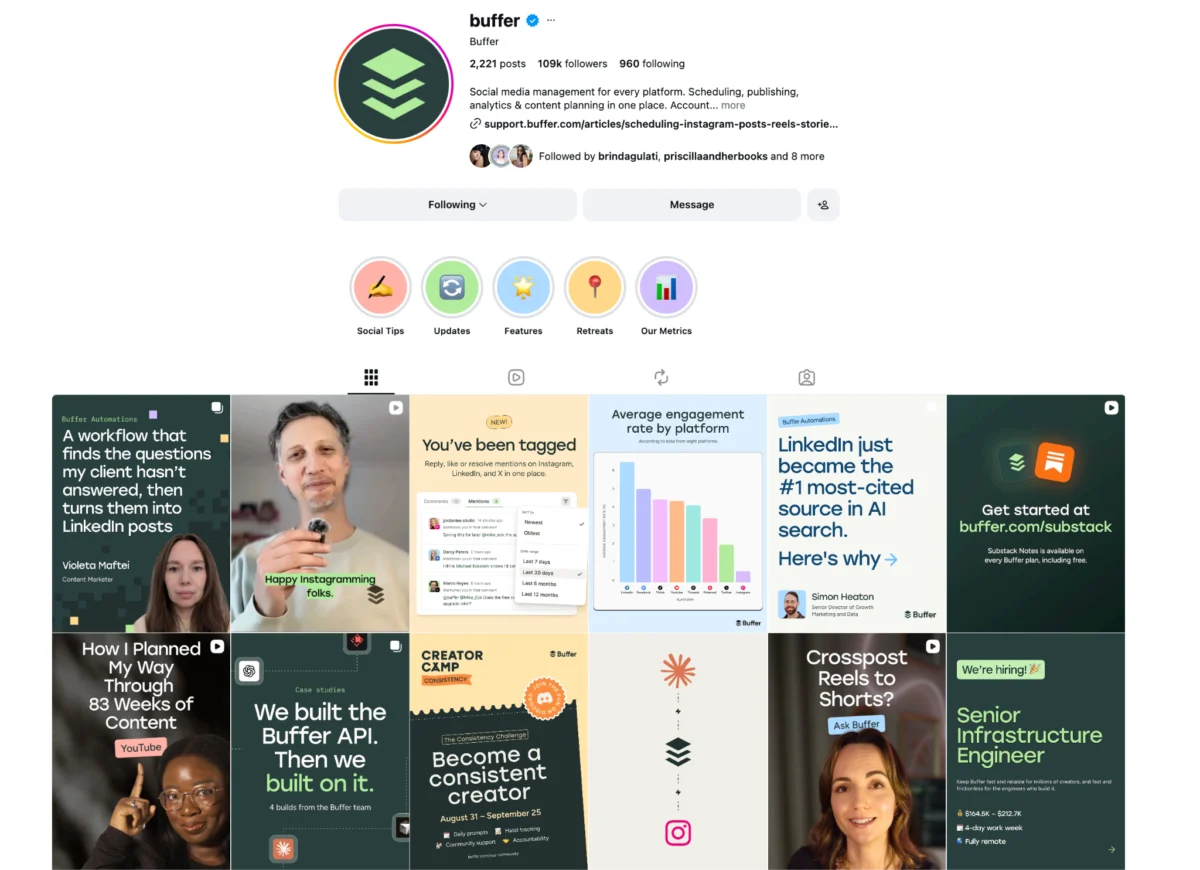
At the apex of this integrated stack is Buffer, serving as the primary multi-platform MCP server for social media management. Its integration with an LLM like Claude provides direct access to connected social channels, the posting queue, and, crucially, an "ideas board." This setup allows creators to bypass the traditional manual process of opening Buffer to log an idea. Instead, a simple voice command or text prompt to the AI assistant—e.g., "save this as a Buffer idea"—ensures that nascent concepts, whether gleaned from online reading or mid-conversation thoughts, are immediately captured and tagged for the appropriate platform. This proactive capture mechanism ensures a continuous influx of starting points for weekly content batching, significantly reducing the loss of fleeting inspirations. While current MCP functionality does not extend to pulling analytics, its role as a "new front door" to the content queue has fundamentally reshaped the initial stages of content management. The Buffer MCP, powered by its robust API, is notably free to connect, making it an accessible entry point for many creators.
Deep Storage and Resource Management: Notion and Sublime
Complementing Buffer’s immediate capture capabilities, Notion and Sublime form the backbone of the creator’s knowledge repository. Notion, an established favorite among creators for its flexibility, acts as the "deep storage" for extensive notes, ideas, and curated resources. With the Notion MCP, the AI assistant gains access to years of accumulated knowledge, including audience-facing assets like comprehensive resource databases. This integration allows the AI to not only recall information but also to actively leverage it. For instance, the creator can prompt Claude to devise new promotional strategies for existing resources—generating hooks for Instagram Reels or captions for DM automation campaigns—transforming static knowledge into dynamic, audience-engaging content. The potential for the AI to proactively assist in building new resources from existing notes represents the next frontier of this integration.
Sublime serves as the external library, a curated collection of saved articles, quotes, and social media posts from across the web. Unlike a mere bookmark folder, Sublime’s recommendation algorithm enriches saved content by surfacing related ideas from its broader user community, fostering deeper understanding and connections. The Sublime MCP allows the AI assistant to search this expansive library, retrieving specific quotes or formats without manual digging. This read-only access ensures that the saved content remains an authentic reflection of the creator’s organic interests, while still being readily available for content development. Both Notion and Sublime MCPs are typically free to connect, further lowering the barrier to entry for robust knowledge management.
Unlocking Insights from Conversations: Granola
A significant source of untapped content often lies within spoken conversations. Granola, an AI-powered call recording and transcription tool, addresses this by providing its MCP with access to all recorded call transcripts. Initially used for internal team communication and building a reference library from meeting notes, its utility has expanded dramatically for content creators. As creators engage in more community calls, interviews, and podcast appearances, Granola’s integration allows the AI assistant to scour these transcripts for valuable content ideas. A single hour-long conversation can yield weeks of post ideas, particularly suited for carousel formats or short-form insights. This layer of content generation taps into a previously ephemeral resource, transforming everyday interactions into publishable material and adding an "extra content layer" on top of activities creators are already undertaking. Granola’s MCP requires a paid plan, reflecting its specialized transcription and analysis capabilities.
Operational Backbone: Google Workspace
While not directly involved in content generation, the Google Workspace MCP is crucial for maintaining the operational efficiency that underpins a creator’s output. By connecting their entire Google Workspace, creators can leverage their AI assistant to manage administrative tasks, particularly email. The AI can track ongoing conversations, locate lost threads, set reminders for replies, and even identify potential brand collaboration opportunities. This intervention significantly mitigates "inbox drowning," a common issue for busy creators, ensuring that critical communications do not fall through the cracks. Furthermore, natural language commands can be used to organize calendars, streamlining scheduling and time management. This administrative support frees creators from tedious tasks, allowing them to dedicate more energy to their core creative work. The Google Workspace MCP is generally free to connect, making essential organizational support highly accessible.

Ensuring Factual Integrity: Elicit for Research Validation
In an era of increasing misinformation, content creators are increasingly prioritizing factual accuracy and evidence-based claims. Elicit, an AI research assistant, provides this crucial layer of validation through its MCP. By connecting Elicit, creators can task their AI assistant with sifting through multiple academic papers, identifying connections, and discovering related research to support or challenge their content theories. This process allows creators to strengthen their arguments with peer-reviewed work, ensuring that their content is not only engaging but also credible. Elicit can even synthesize groups of studies into new papers, transforming complex research into accessible resources for audiences. While creators may not always include explicit citations in their content, the ability to back up inferences and statements with robust research significantly enhances their authority and trustworthiness. Elicit’s advanced research capabilities typically require a paid plan.
Visual and Multimedia Content Production: Canva and Descript
The final stages of content creation often involve visual and multimedia production, areas where MCPs are proving particularly revolutionary. The Canva MCP allows creators to initiate visual content ideas directly within their AI assistant conversation. Once the copy is refined, the AI can transfer it to Canva, referencing existing design libraries, templates, fonts, and brand colors. This significantly reduces the time spent on repetitive design tasks and ensures brand consistency, streamlining the creation of visual assets like carousels. While the final design refinements and export often still occur within the Canva interface, the initial setup and asset referencing capabilities are powerful time-savers. The Canva MCP is free to connect, leveraging existing Canva accounts.
Perhaps one of the most exciting recent developments (as of May 2026, according to the original source) is the launch of Descript’s MCP. This integration is a game-changer for creators working with long-form audio and video content who aim to produce short-form clips. Once a video file is in Descript, the AI assistant can reference the raw file and perform editing tasks through natural language commands. This includes cutting filler words, cleaning up audio, adding captions, pulling out specific clips, and generating rough cuts. The underlying technology leverages Descript’s AI editing assistant, Underlord, meaning any task performable within Descript can now be initiated via the LLM. Descript positions this as handling "90% of the work," with creators stepping in for the final 10% of review and personalization. This hands-on, yet AI-accelerated, approach drastically reduces the time and effort required for video post-production. It’s important to note that the Descript MCP, while free to connect, requires a paid Descript plan and consumes AI credits and media minutes from that plan. Current limitations include the inability to import from YouTube links, only direct files or URLs, and ongoing development is expected to extend capabilities to more complex editing elements like transitions and sound effects.
Principles for Effective MCP Implementation
Beyond the individual tools, the success of an MCP stack hinges on adherence to several key principles:
- One Hub, Two Jobs: The AI assistant (e.g., Claude) serves as the singular hub, performing the dual roles of capture and create. This centralization prevents context switching and ensures all ideas flow through a consistent entry point.
- Think in Hand-offs, Not Single Tools: The true power of MCPs lies in their interoperability. Instead of using each tool in isolation, the system thrives on seamless hand-offs. An idea captured by Granola from a call last month can become a scheduled LinkedIn post in Buffer, without the creator ever needing to open either application independently. This orchestrated flow minimizes friction and maximizes efficiency.
- Prioritize Official MCPs with OAuth: For security and accountability, it is paramount to stick to official MCPs developed by the respective companies. These integrations typically adhere to strict security standards. Furthermore, ensuring that MCPs operate on OAuth allows users to authorize connections via their standard login credentials and easily revoke access at any time, providing robust control over data.
Broader Implications for the Creator Economy
The widespread adoption of MCPs holds profound implications for the creator economy. Firstly, it promises unprecedented efficiency gains, allowing creators to scale their output without necessarily increasing their working hours. The automation of repetitive and administrative tasks frees up creative energy, enabling creators to focus on ideation and strategic content development. Secondly, it fosters enhanced content quality and diversity. By making research more accessible (Elicit) and streamlining multimedia production (Canva, Descript), creators can produce richer, more factual, and visually compelling content across a broader array of formats. Thirdly, it democratizes advanced workflows, making sophisticated, AI-powered tools accessible to individual creators who lack coding skills or large teams. This levels the playing field, allowing smaller creators to compete more effectively with larger brands. Finally, it may lead to new monetization opportunities as creators can produce more content, explore new niches, and dedicate time to developing premium offerings. The future of content creation is likely to see AI not as a replacement for human creativity, but as an indispensable co-pilot, amplifying a creator’s reach and impact.
Challenges and Future Outlook
Despite the transformative potential, the integration of MCPs is not without its considerations. Data security and privacy remain paramount; creators must carefully evaluate the security protocols of each official MCP and understand what data is being accessed and processed by their AI assistant. The learning curve, while reduced by natural language interfaces, still exists as creators learn to effectively prompt their AI and understand the capabilities and limitations of each integrated tool. Furthermore, the cost implications of paid plans for certain MCPs or the consumption of AI credits need to be factored into a creator’s budget.
Looking ahead, the evolution of MCPs is expected to bring even deeper levels of integration and intelligence. We may see AI assistants not just executing commands but proactively suggesting content ideas based on trending topics, analyzing audience engagement data (a current limitation for Buffer’s MCP), and even orchestrating multi-stage campaigns across an entire stack without explicit step-by-step instructions. The emphasis will shift from managing tools to managing an intelligent, self-optimizing creative ecosystem.
Embarking on the MCP Journey
For creators daunted by the prospect of overhauling their entire workflow, the advice is clear: start small. Connecting just one MCP to an existing AI assistant, ideally one that facilitates idea capture, serves as an excellent entry point. Buffer, with its free connection and dual role in capture and scheduling, is often recommended. As ideas naturally flow into this initial system, creators will organically identify the next bottleneck—the point where they instinctively switch tabs to move an idea forward. If that tab hosts an MCP-enabled tool, it becomes the logical next integration, allowing the stack to grow organically in response to genuine workflow needs. This iterative approach ensures that the transition to an AI-orchestrated workflow is manageable, impactful, and ultimately, profoundly empowering for the modern content creator.