
 Ali Ikhwan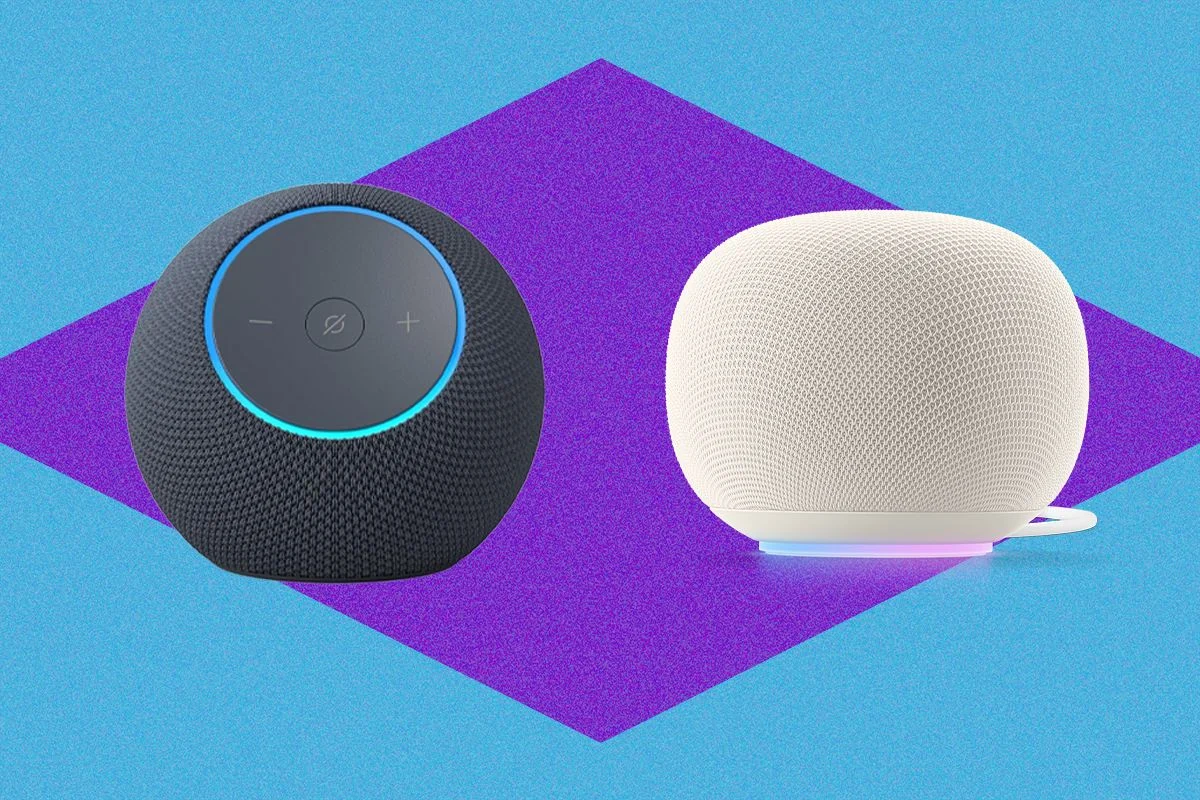
The landscape of the smart speaker market in 2026 is defined by a significant technological pivot from traditional voice assistants to sophisticated generative artificial intelligence. For over a decade, the industry was dominated by a three-way rivalry between Amazon, Google, and Apple. Today, that competition has intensified as these tech giants integrate large language models (LLMs) into their hardware, transforming simple command-response devices into conversational companions. Choosing the right smart speaker no longer depends solely on sound quality or aesthetics; it is now a decision about which AI ecosystem—Amazon’s Alexa+, Google’s Gemini, or Apple’s Siri—best aligns with a user’s digital lifestyle and privacy preferences.
The Evolution of the Smart Speaker: A Decade of Innovation
The smart speaker industry has moved through three distinct eras. The first, beginning with the 2014 launch of the Amazon Echo, focused on utility: setting timers, checking the weather, and playing music. The second era saw the rise of the smart home, where speakers became central hubs for controlling lights, locks, and thermostats. We have now entered the third era, characterized by "Conversational AI," where devices like the 2026 Google Home Speaker and the Echo Dot Max offer human-like interactions and predictive assistance.
While Amazon has historically maintained the most expansive fleet of hardware, often releasing multiple iterations annually, Google and Apple have traditionally been more conservative. However, the recent release of the 2026 Google Home Speaker marks a resurgence for the search giant, representing its first major dedicated speaker hardware launch in several years. This shift reflects a broader industry trend where hardware updates are now timed to coincide with major breakthroughs in software and AI capabilities.
Google’s Gemini-First Strategy: The 2026 Google Home Speaker
Google’s latest entry into the market, the 2026 Google Home Speaker, represents a complete overhaul of the company’s audio strategy. Retailing at $100, the device adopts a form factor reminiscent of the Apple HomePod Mini but functions as the primary vehicle for Google Gemini for Home. Unlike previous iterations that relied on the legacy Google Assistant, this model utilizes Gemini as its default engine, providing answers that are significantly more nuanced and context-aware.
Hardware and AI Integration
The 2026 model features powerful audio drivers for its compact size and is available in a variety of aesthetic finishes. The primary draw, however, is the Gemini integration. The AI is capable of managing complex schedules and demonstrating a higher "musical intelligence"—for instance, asking for user preference when multiple covers of a requested song exist.

The Google Home Premium Subscription Model
With the transition to Gemini, Google has rebranded its "Nest Aware" services into "Google Home Premium." This move signals a shift toward service-based revenue.
- Standard Tier ($10/month or $100/year): Includes 30 days of event-based video history, Gemini Live conversational mode, and AI-driven smart home routine creation.
- Advanced Tier ($20/month or $200/year): Offers 60 days of event-based history, 10 days of continuous 24/7 recording, and searchable video history with AI-generated daily summaries.
Gemini Live is the standout feature for power users, enabling a fluid, back-and-forth dialogue that can handle complex topics ranging from childcare advice to television recaps.
Amazon’s Alexa+ and the Prime Ecosystem
Amazon remains the market leader by volume, largely due to the ubiquity of the Echo line. In late 2025, Amazon introduced the Echo Dot Max ($100), a premium version of its popular "puck" speaker. The Dot Max is engineered to support Alexa+, the company’s generative AI assistant launched in February 2025.
The Cost of Conversational AI
Amazon’s pricing strategy for Alexa+ is explicitly designed to bolster its Prime membership. While Alexa+ is included for Amazon Prime subscribers, non-members are required to pay a $20 monthly fee for the assistant alone. Given that a standard Prime membership is approximately $15 per month, the incentive to join the broader Amazon ecosystem is substantial.
Echo Dot Max Performance
The Echo Dot Max features a built-in smart home hub and improved microphone arrays that allow the device to hear commands over high-volume music. During comparative testing against the Echo Studio, the Dot Max demonstrated a surprising ability to fill large rooms with clear audio, despite its small footprint. However, for budget-conscious consumers, the fifth-generation Echo Dot remains a viable, albeit less powerful, alternative at roughly half the price.
Apple’s Ecosystem Stability and Price Adjustments
Apple continues to cater to a niche but loyal segment of the market. The Apple HomePod Mini remains the primary recommendation for those deeply integrated into the iOS and HomeKit ecosystems. Despite its age, the Mini serves as a reliable Thread-enabled smart home hub.

Market Pricing Shifts
In a notable move in June 2026, Apple implemented price increases across its audio line. The HomePod Mini, which had maintained a $99 price point for years, now retails for $129. The larger flagship HomePod saw its price rise to $349. Industry analysts attribute these hikes to increased component costs and the development of "Apple Intelligence" features intended to eventually modernize the Siri experience on these devices.
Limitations and Strengths
Apple’s primary limitation remains the lack of a dedicated smart display. While Google and Amazon offer various "Hub" and "Show" devices, Apple users must rely on iPads or third-party integrations. However, for users who prioritize seamless handoffs between an iPhone and a home speaker, the HomePod Mini remains the most frictionless option.
The Rise of Smart Displays: Nest Hub vs. Echo Show
For many households, a screen-based interface is preferable to a voice-only experience. Smart displays have become essential kitchen and bedside companions, facilitating video calls, recipe follows, and digital photo displays.
Google Nest Hub Max
The 10-inch Nest Hub Max ($229) is widely regarded as the superior digital photo frame due to its integration with Google Photos. It offers 15 GB of free cloud storage and a "clean" interface free of the advertisements that have begun to plague competitors. It features two 10-watt tweeters and a 30-watt woofer, providing a robust audio profile for media consumption.
Amazon Echo Show 11
Amazon’s latest flagship display, the Echo Show 11 ($220), was designed specifically for Alexa+. While it offers spatial audio and a vibrant 11-inch screen, it has faced criticism for "on-screen clutter." By default, the device rotates through news, sports, and sponsored shopping prompts. While these can be toggled off in settings, the device’s tendency to revert to advertisement-heavy modes remains a point of contention for privacy-focused users.
Data Comparison: Smart Speaker Features at a Glance
| Feature | Google Home Speaker (2026) | Amazon Echo Dot Max | Apple HomePod Mini |
|---|---|---|---|
| Retail Price | $100 | $100 | $129 |
| AI Engine | Gemini | Alexa+ | Siri |
| Subscription Req. | Optional (Gemini Live) | Prime or $20/mo | None |
| Smart Home Hub | Matter/Thread | Zigbee/Matter/Thread | Matter/Thread |
| Primary Strength | Information Retrieval | Retail/Utility | Ecosystem Integration |
Privacy, Regulation, and Data Processing
As smart speakers become more intelligent, the privacy implications of their "always-listening" nature have come under increased scrutiny. A significant policy change occurred in 2025 when Amazon discontinued its local processing feature. Previously, users could opt for a "Do Not Send Voice Recordings" mode, which processed commands on the device. Now, all Alexa requests are sent to the cloud to facilitate the LLM-based Alexa+ engine.

Global Regulatory Impact
Regulatory bodies are beginning to provide consumers with more protection. The UK’s 2024 Product Security and Telecommunications Infrastructure Act has set a global precedent. The law requires manufacturers to:
- Eliminate default passwords.
- Provide clear channels for reporting security vulnerabilities.
- Disclose the minimum duration for which a product will receive security updates.
While the United States has yet to pass an identical federal law, these requirements have forced global manufacturers to be more transparent about the lifecycle of their hardware, reducing the risk of devices becoming "bricks" shortly after purchase.
Testing Methodology and Consumer Impact
Journalistic testing of these devices involves rigorous benchmarking of microphone sensitivity, audio fidelity across genres (from lo-fi to high-dynamic-range metal), and the latency of smart home executions. Long-term testing—often spanning several months—is essential to evaluate how AI assistants adapt to a user’s habits and whether the conversational capabilities remain useful or become intrusive.
The broader implication of the 2026 smart speaker market is the "service-ification" of the home. Consumers are no longer just buying a speaker; they are entering a subscription-heavy relationship with a technology provider. Whether through Amazon Prime or Google Home Premium, the "best" experience is now gated behind recurring monthly fees.
As we move toward the latter half of the decade, the integration of these speakers with other smart home gadgets—lights, locks, and security cameras—will only deepen. The choice of a smart speaker is now the foundational decision for a fully automated, AI-assisted household. For the Google-centric user, the 2026 Home Speaker offers the most advanced information retrieval; for the Amazon shopper, the Echo Dot Max provides unmatched utility; and for the Apple devotee, the HomePod Mini remains a secure, albeit more expensive, cornerstone of the connected life.







