
 Ali Ikhwan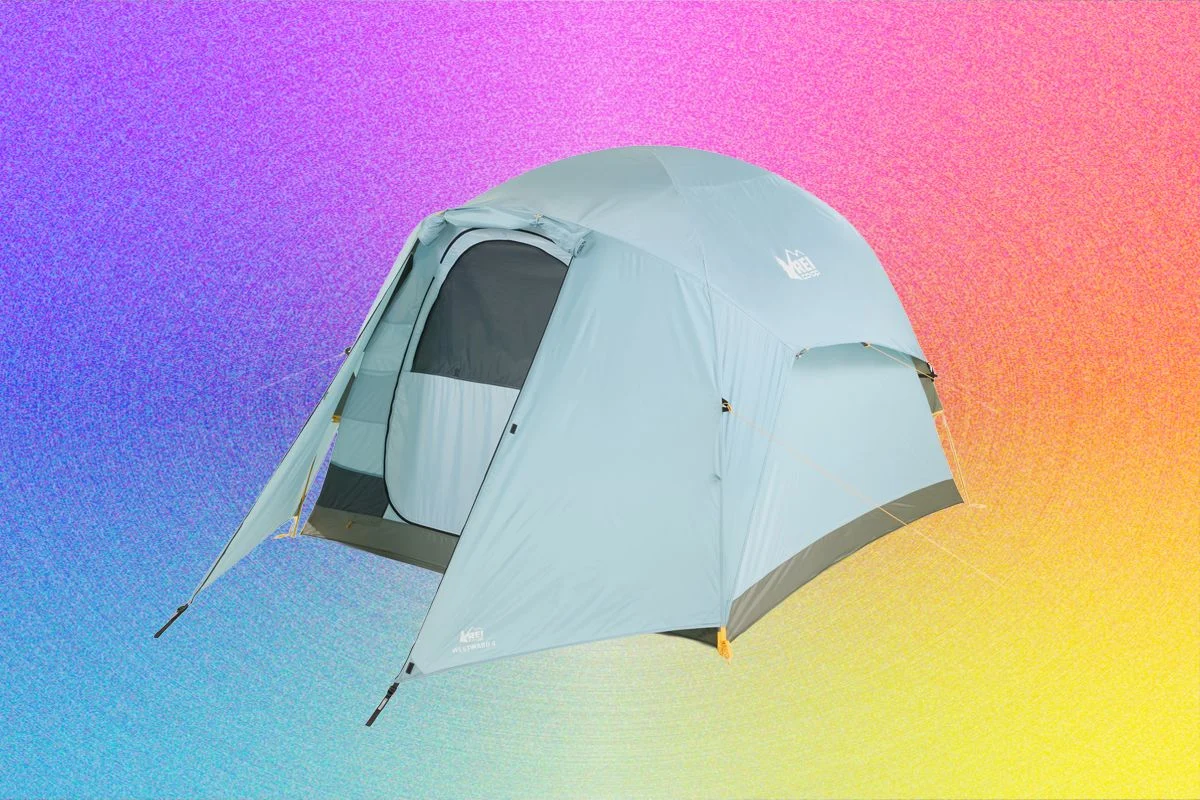
The landscape of outdoor recreation has undergone a significant transformation over the last five years, with a marked increase in participation across diverse demographics. According to data from the Outdoor Industry Association, over 160 million Americans now engage in outdoor activities annually, a trend that has prompted major retailers like REI Co-op to refine their product development strategies. For the 2026 season, the co-op has unveiled a comprehensive lineup of camping and hiking gear designed to bridge the gap between high-performance technical equipment and accessible, user-friendly designs. The 2026 collection focuses on "set and forget" utility, emphasizing durability and ease of use to ensure that the logistical demands of camping do not overshadow the experience of the outdoors.
The Evolution of the 2026 Product Line
The development of the 2026 lineup follows a multi-year cycle of consumer feedback and field testing. Historically, outdoor gear was bifurcated into two categories: heavy, affordable "entry-level" equipment and ultra-light, expensive "expert-grade" gear. REI’s current strategy targets the burgeoning middle market—families and enthusiasts who require reliable, three-season performance without the prohibitive price tags of specialized alpine equipment.
Market analysts note that the 2026 offerings reflect a broader industry shift toward integrated systems. Rather than viewing a tent, sleeping pad, and bag as isolated purchases, the 2026 line presents them as a cohesive sleep system optimized for thermal efficiency and spatial management. This approach is exemplified in the updated Westward and Campwell series, which prioritize intuitive assembly and sustainable material sourcing.

Advanced Shelter Solutions: The Westward Series
At the center of the 2026 tent collection is the Westward 6, a three-season shelter engineered for the specific rigors of car camping. The design philosophy of the Westward series prioritizes vertical volume and simplified ergonomics. Standing at a peak height of 77 inches, the Westward 6 allows most adults to stand upright, a feature that significantly reduces the physical strain of changing clothes or organizing gear within the tent.
The architecture of the Westward 6 utilizes a cross-pole configuration that enhances structural integrity against lateral wind forces. Field testing indicates that even for users with minimal experience, the color-coded pole system allows for a complete setup in approximately 10 minutes. While the tent is rated for six adults, its internal dimensions are optimized for a "family plus pet" configuration, providing 83.3 square feet of floor space.
Ventilation remains a critical focus for the 2026 models. The Westward 6 incorporates bug-proof mesh paneling across the upper walls and doors, facilitating a chimney effect that allows warm air to escape through the rainfly. This prevents the condensation buildup common in high-occupancy tents. For smaller groups, the Westward 4 offers identical technical specifications in a more compact footprint, catering to the "adventure couple" demographic.
Thermal Innovation in Sleep Systems
The 2026 sleep category introduces significant updates to the Westward Dreamer Self-Inflating Bed and the Siesta Hooded 20 sleeping bag. The Westward Dreamer represents a direct challenge to premium luxury pads, offering an R-value of 6.7. In the context of outdoor gear, the R-value measures a material’s thermal resistance; a rating of 6.7 indicates that the pad provides sufficient insulation for cold-weather camping, preventing the ground from siphoning body heat.

The updated Dreamer features an overhauled valve system designed for micro-adjustments. Unlike traditional valves that are either open or closed, the new 2026 interface allows users to bleed small amounts of air to achieve a specific firmness level. Furthermore, the inclusion of a high-volume inflation sack reduces the moisture introduced into the pad’s internal foam—a common cause of mold in older self-inflating models.
Complementing the pad is the Siesta Hooded 20 sleeping bag. The Siesta is notable for its move away from the restrictive "mummy" shape toward a spacious rectangular cut. However, unlike traditional rectangular bags, it includes an integrated hood to retain heat around the head and neck. The bag’s versatility is enhanced by a dual-zipper system: a full-length zipper allows it to open flat as a quilt, while a secondary partial zipper provides targeted ventilation for the feet or torso.
Sustainable Materials and Budget-Friendly Performance
Sustainability is a recurring theme in the 2026 catalog. The Siesta and Campwell lines utilize 100% recycled polyester for both shells and linings. The Campwell 30, positioned as a summer-specific option, serves as a cornerstone of REI’s "accessible outdoors" initiative. Retailing at approximately $100, the Campwell 30 is designed to provide reliable warmth in temperatures down to 30 degrees Fahrenheit, making it a versatile choice for the majority of North American summer camping locations.
Industry experts suggest that REI’s focus on recycled synthetics is a response to both consumer demand and supply chain volatility. By standardizing high-quality recycled polyester across multiple product lines, the co-op achieves economies of scale that allow for lower retail prices without sacrificing the "soft-touch" feel that users traditionally associate with more expensive virgin fabrics.

High-Capacity Cooling and Portable Power
Beyond shelter and sleep, the 2026 season highlights advancements in "off-grid" infrastructure. The Yeti Roadie 60 wheeled cooler has emerged as a preferred solution for extended trips. Rotomolded construction, which involves a single-piece hollow part, provides superior ice retention by eliminating seams where cold air can escape. The 2026 Roadie 60 emphasizes mobility; with a full load of ice and food exceeding 70 pounds, the heavy-duty wheels and "PermaDraft" handle system are essential for navigating uneven campsite terrain.
In the realm of portable power, the Goal Zero Yeti 1500 (2026 Edition) represents the current pinnacle of mobile energy storage. The transition to Lithium Iron Phosphate (LiFePO4) battery chemistry is the most significant technical update. LiFePO4 batteries are heavier than traditional lithium-ion cells but offer a dramatically longer lifespan—up to 4,000 charge cycles before reaching 80% capacity. This makes the Yeti 1500 a viable long-term investment for overlanders and van-lifers who require consistent power for medical devices, Starlink terminals, and portable refrigeration.
The Yeti 1500’s 2,000-watt inverter allows it to handle high-surge appliances like electric kettles or power tools, while its high-vibration resistance ensures durability during off-road transport. This level of ruggedization is increasingly becoming a standard requirement as more campers venture further from established "front-country" campgrounds.
Youth Engagement and Technical Apparel
The 2026 lineup also addresses the often-underserved youth market. The Rev 24 Kids Mountain Bike is engineered to provide a legitimate trail experience for children aged 8 to 12. Featuring 2.6-inch wide tires, the Rev 24 offers increased stability and traction on loose surfaces, which testing shows significantly boosts the confidence of developing riders. The inclusion of Shimano and Tektro components—brands typically found on adult mid-range bikes—ensures that the Rev 24 can withstand the mechanical stress of trail riding.
-Reviewer-Photo-SOURCE-Andrew-Watman.jpg)
In the apparel sector, the Sahara Shade Hoodie continues to set the standard for sun protection. Utilizing REI’s ShadeFactor50 technology, the garment provides a UPF 50+ rating, blocking 98% of UV radiation. The 2026 version includes a redesigned ponytail port in the hood and optimized thumbholes to ensure full coverage of the back of the hands. The fabric’s high stretch-to-weight ratio makes it suitable for high-output activities like paddling or hiking in arid environments.
Broader Impact and Market Implications
The release of the 2026 gear line carries significant implications for the outdoor industry. By focusing on durability and ease of use, REI is positioning its house brand as a formidable competitor to premium labels. The emphasis on "set and forget" gear suggests a realization that as the outdoor demographic grows, the "technical barrier to entry" must decrease.
Furthermore, the integration of sustainable materials across the 2026 line reflects a growing corporate responsibility trend. As climate change impacts the very environments these products are designed for, the use of recycled materials and long-lasting battery chemistries (like LiFePO4) represents a necessary shift toward a circular outdoor economy.
In conclusion, the 2026 camping gear at REI reflects a maturation of the outdoor market. The focus has shifted from "lighter at any cost" to "better at a fair price." For the modern camper, these products offer a balance of technical sophistication and practical utility, ensuring that the gear remains a secondary thought to the experience of the natural world. As these products hit the shelves, they are expected to set a new benchmark for what consumers expect from their outdoor equipment in terms of performance, sustainability, and value.







