
 Indra Kusuma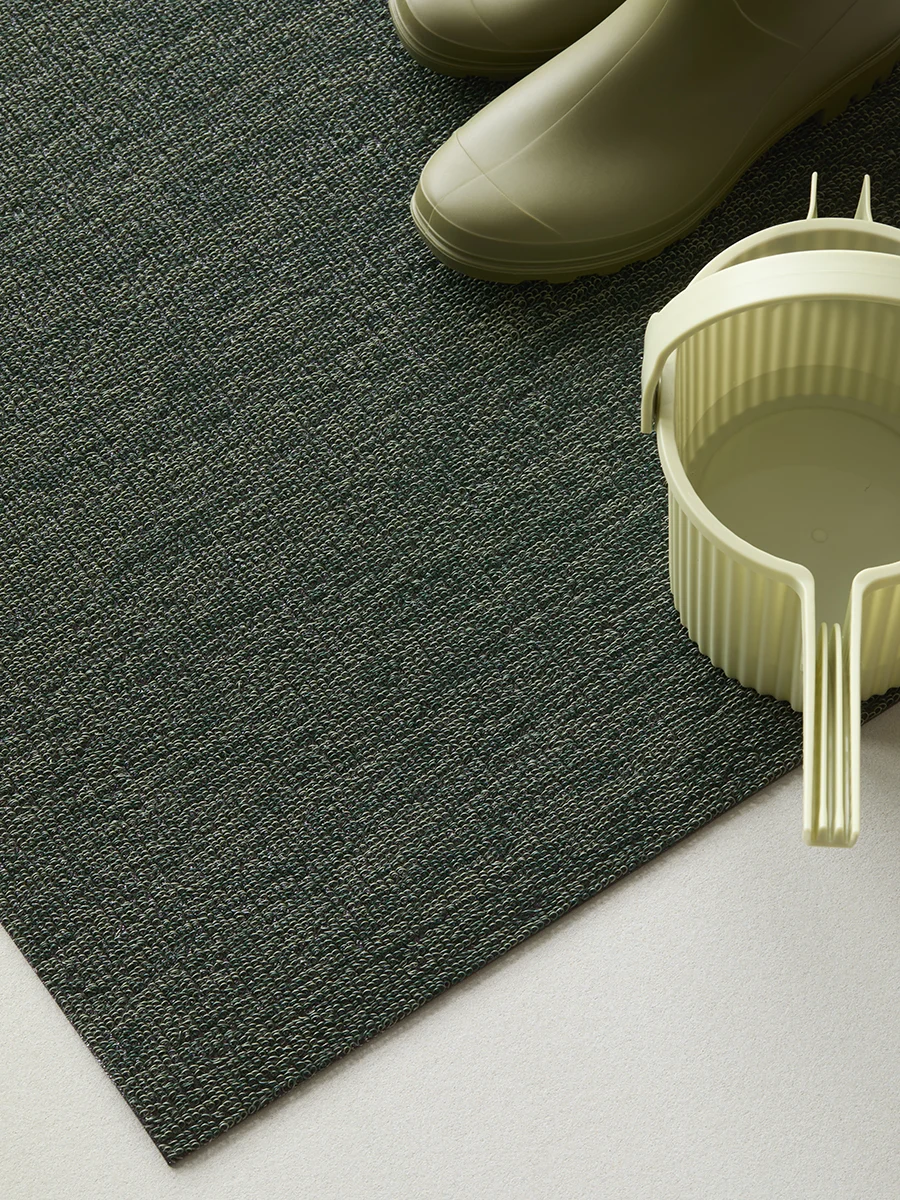
The latest collaboration to emerge from the discerning eye of Martha Stewart marries her iconic farm-to-home aesthetic with the refined utility of Japanese design, facilitated by leading American design company Chilewich. This unique partnership has resulted in a special five-piece collection of home and garden essentials, inspired directly by the subtle, natural hues of eggs laid by Stewart’s own Olive Egger and Cream Legbar hens at her sprawling Bedford, New York farm. These everyday objects, transformed by thoughtful design and a touch of pastoral inspiration, are poised to set a new standard for functional elegance in household and gardening tools.
A Palette Born from the Coop: The Genesis of a Collection
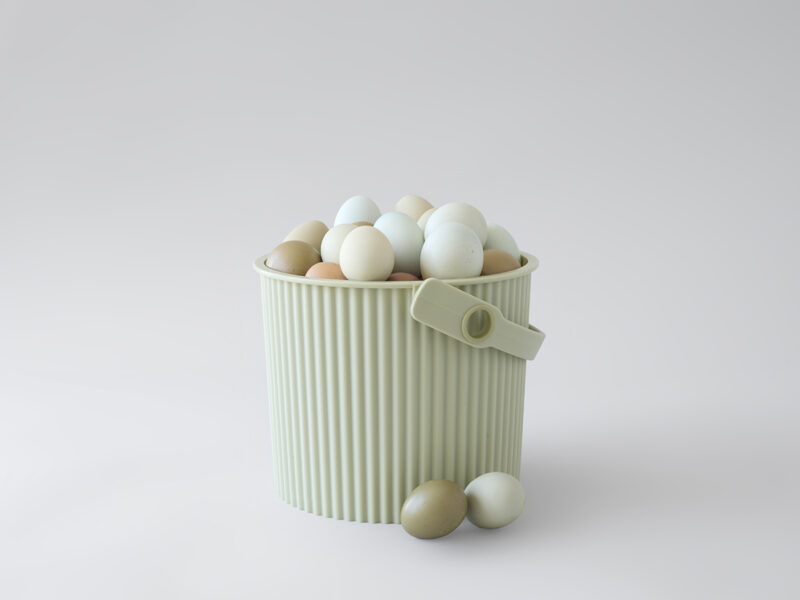
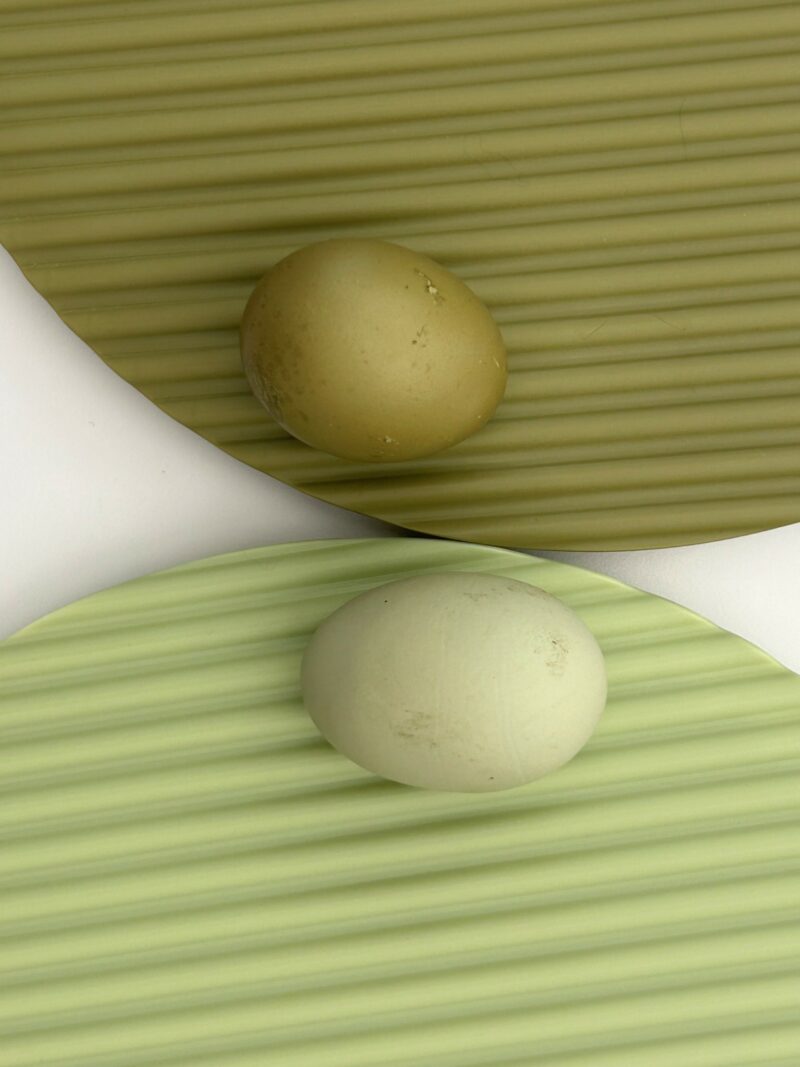
At the heart of this collection’s distinctive appeal are the delicate green and olive tones that grace the shells of eggs from Stewart’s cherished poultry. These natural pigments, ranging from soft sage to a richer olive, serve as the foundational palette for the Hachiman buckets and watering cans, lending an organic sophistication that is unmistakably Martha. This deep connection to natural elements and authentic farm life is a hallmark of Stewart’s brand, making the inspiration inherently personal and resonant with her audience. The decision to draw colors from her chicken coop underscores her philosophy that beauty can be found in the simplest, most fundamental aspects of daily living.
The journey from a farm-fresh egg to a design-forward household item began with an established relationship between Martha Stewart and Chilewich, a company renowned for its innovative textiles and its role in introducing distinctive international design brands to North American markets. Chilewich, itself a pioneer in transforming everyday materials into sophisticated home goods, has collaborated with Stewart since 2024, a testament to their shared vision for elevated domesticity. It was through this partnership that Hachiman, the cult Japanese houseware maker, entered Stewart’s orbit.
Hachiman: Japanese Craftsmanship Meets Global Design
Hachiman, named for its picturesque hometown—a riverside enclave nestled in the mountains of Japan’s Gifu prefecture—has cultivated a reputation for creating products that embody thoughtful design, exceptional utility, and remarkable durability. Their commitment to quality and aesthetic appeal has garnered them prestigious accolades, including Japan’s Long Life Design Award for their Multi-Purpose Bucket and both the Red Dot Design Award and Japan’s Good Design Award for their Garden Beetle Watering Can. These awards are not merely decorative; they signify a profound understanding of user needs, material science, and sustainable manufacturing practices. Hachiman’s philosophy aligns seamlessly with a growing consumer demand for products that are not only beautiful but also built to last, reducing waste and enhancing the daily experience.
The introduction of Hachiman to the North American market was spearheaded by Chilewich. John McPhee, Chief Executive Officer of Chilewich, recounts his initial encounter with Hachiman products in Rome, at a design store called Nozzoli, a Chilewich wholesale partner. "The signature buckets were displayed superbly, and the combination of beauty and utility—thoughtful design—was instantly apparent," McPhee noted, highlighting the immediate recognition of Hachiman’s unique appeal. This serendipitous discovery soon led to a formal partnership when the Hachiman team visited the Chilewich stand at the Ambiente trade fair in Frankfurt. Discussions evolved into a collaboration, culminating in Chilewich launching a curated selection of Hachiman products in January 2025, featuring a vibrant array of colors like mustard and navy, establishing Hachiman’s presence in a new market.
The "Martha" Touch: From Eggshells to Industrial Design
The pivotal moment for this special collection arrived when Chilewich, having already sent Hachiman pieces to Stewart for her personal use, posed a crucial question: "When we asked her what a ‘Martha’ version of these items might look like, she didn’t hesitate," McPhee recalled. The answer was immediate and unequivocally rooted in her everyday life. Kristin Harris, Chilewich’s Vice President of Design and Creative, vividly describes the scene: "When we first shared our Hachiman collection with Martha, she was sitting in her kitchen, a basket of eggs on the counter." A brief interaction with a dark green watering can and bucket was all it took for Stewart to envision the next step: she desired the hues of her favorite eggs to be immortalized on Hachiman’s celebrated forms.

This vision initiated a meticulous design process that underscored the commitment to authenticity. The precious eggs, carefully transported from Stewart’s Bedford farm, made their way to Chilewich’s design studio in Manhattan’s Flatiron District. There, a dedicated team embarked on the delicate task of matching the subtle, variegated colors of the eggshells against a spectrum of Pantone chips. This process was not without its unique charm, as Harris humorously recounted, "I’ve matched a lot of unexpected items in my career—yarn, hosiery, handprinted swatches, nail polish—but never eggshells! There were lots of smiles in the studio that day." The precise color formulation, a testament to Hachiman’s manufacturing prowess and Chilewich’s design expertise, was achieved on the very first attempt, perfectly capturing the natural essence of Stewart’s eggs.
Designed for Life: Unpacking the Collection’s Features
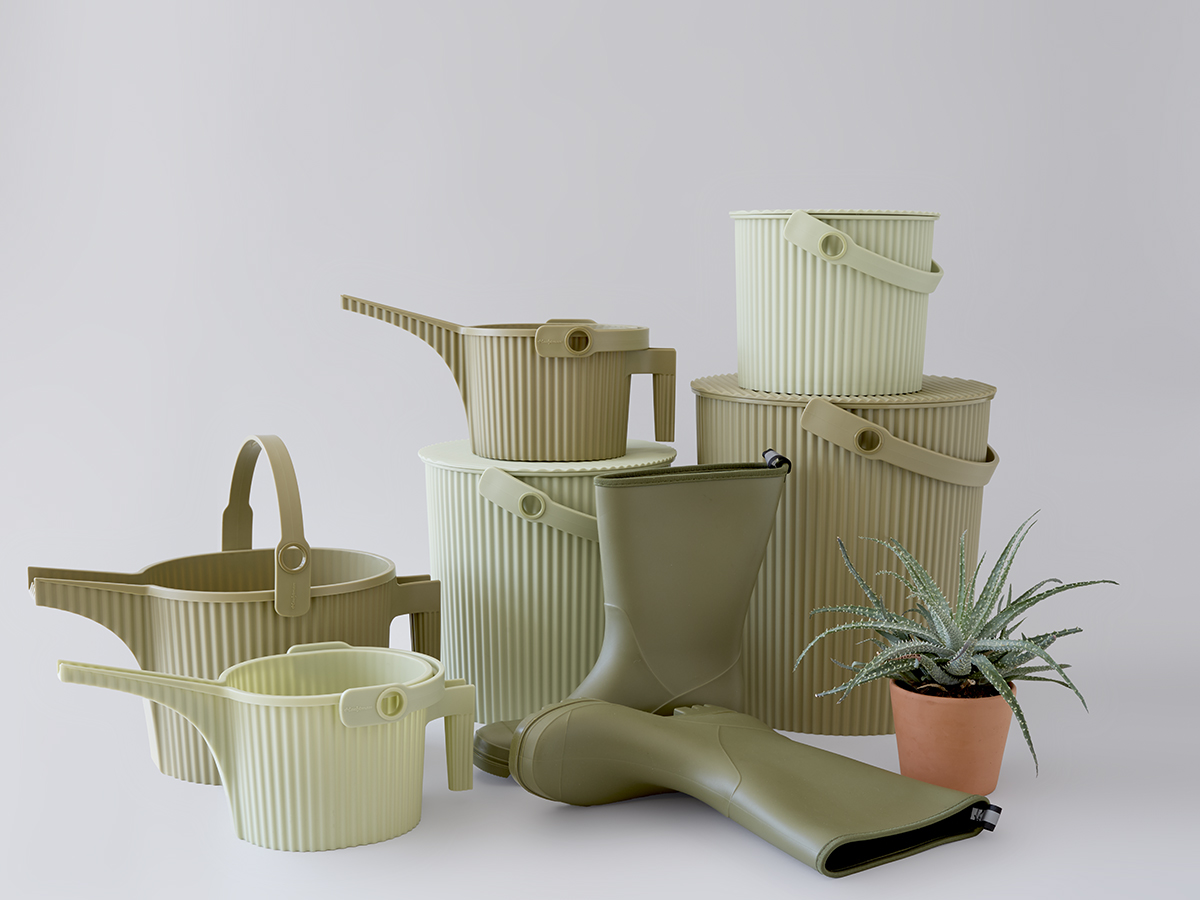
The resulting five-piece collection features two of Hachiman’s most celebrated indoor/outdoor designs: the Multi-Purpose Bucket and the Garden Beetle Watering Can, now imbued with Stewart’s signature colorways. Both items are manufactured in Japan, upholding the brand’s commitment to superior craftsmanship.
The Multi-Purpose Bucket, a recipient of Japan’s prestigious Long Life Design Award, is a marvel of practical engineering and aesthetic appeal. Its ribbed, stackable design is not just visually pleasing but highly functional, allowing for efficient storage when not in use. Beyond its primary function, the bucket boasts several ingenious features that elevate its utility. An integrated opening in the handle is designed to securely grip a garden hose, enabling hands-free filling – a small detail that speaks volumes about thoughtful design. Perhaps most impressively, the lid is engineered to support up to 330 pounds, transforming the bucket into a sturdy stool, a convenient side table for gardening tasks, or even a robust cooler for outdoor gatherings.
Stewart herself enthusiastically endorses its versatility: "The lidded buckets are exceptionally versatile. They are ideal for all kinds of outdoor tasks and double as stools, side tables, coolers, and compost bins. Use them indoors to store everything from children’s toys and treasures to pet food and crafting supplies." This adaptability makes the buckets invaluable assets for both indoor organization and outdoor chores. The new egg-derived colorways are available in three practical sizes, ranging from a compact 1.1-gallon mini to a capacious 5.3-gallon extra-large, catering to a wide array of household and garden needs.
Complementing the buckets is the Garden Beetle Watering Can, an elegantly designed tool recognized globally with the Red Dot Design Award and Japan’s Good Design Award. Its innovative design prioritizes both efficiency and plant health. The can pours through a widened spout featuring grooved channels, which, as Stewart explains, ensures a gentle, even distribution of water. "The watering cans have a grooved spout," Stewart notes, "so the water flows more like a sprinkler than a hose, and the open-top design makes it easier to incorporate plant food—no more clogged nozzles." This thoughtful detail prevents the forceful impact of a single stream that can damage delicate plants and eliminates the frustration of clogged nozzles often associated with adding liquid fertilizers. The watering can is offered in two sizes: a smaller 0.4-gallon version that conveniently nests inside the larger 1.3-gallon can for space-saving storage.
Both the Multi-Purpose Bucket and the Garden Beetle Watering Can are molded from recyclable polypropylene, ensuring a commitment to environmental responsibility. Furthermore, they are free of phthalates and PFAS (per- and polyfluoroalkyl substances), addressing growing consumer concerns about chemical safety in household products. The finishes are specifically designed to withstand prolonged sun exposure, preventing fading and degradation, which is crucial for items intended for outdoor use. This blend of material integrity, functional innovation, and aesthetic appeal positions the collection as a premium offering in the home and garden market.
Broader Implications: A Convergence of Lifestyle, Utility, and Sustainability
The Martha Stewart x Hachiman collection, facilitated by Chilewich, represents more than just a product launch; it signifies a powerful convergence of several key trends in contemporary lifestyle and consumer culture.
Firstly, it underscores the enduring influence and strategic acumen of Martha Stewart’s brand. By drawing inspiration from her personal environment—her farm and its natural products—Stewart reaffirms her authenticity and ability to translate her aspirational lifestyle into tangible, accessible goods. This "farm-to-home" narrative resonates deeply with consumers who seek products with a story, a connection to nature, and a perceived stamp of quality from a trusted authority. The collaboration strategically extends her brand into a category that values both practicality and aesthetic discernment, appealing to her core demographic while attracting new admirers.
Secondly, the partnership highlights the growing demand for high-quality, multi-functional, and aesthetically pleasing utility items. In an era where consumers are increasingly conscious of clutter and the environmental impact of disposable goods, products that offer durability, versatility, and timeless design are highly valued. Hachiman’s philosophy of thoughtful design and long-lasting utility perfectly aligns with this shift. The buckets and watering cans are not merely tools; they are design objects that can enhance the home environment, blurring the lines between pure function and decorative appeal. This premiumization of everyday items reflects a broader trend where consumers are willing to invest in products that elevate their daily routines and contribute to a more organized and beautiful living space.
Thirdly, the collaboration champions sustainability and responsible manufacturing. The use of recyclable polypropylene and the absence of harmful chemicals like phthalates and PFAS are critical selling points in today’s environmentally conscious market. Consumers are increasingly scrutinizing the materials and production processes of the goods they purchase. By offering products that are both durable and eco-friendly, the collection appeals to a demographic that prioritizes health, wellness, and environmental stewardship, aligning with broader societal movements towards more sustainable consumption.
Finally, Chilewich’s role as a design curator and facilitator is reinforced. Their ability to identify niche, high-quality international brands like Hachiman and connect them with influential figures like Martha Stewart demonstrates their strategic vision in shaping market trends. This partnership not only introduces Hachiman to a wider audience but also cements Chilewich’s reputation as a tastemaker and a bridge between global design excellence and American consumer needs.
The collection, an eloquent blend of pastoral charm and sophisticated utility, is available now through chilewich.com, the Chilewich Store in New York City, and selected retailers worldwide. It offers consumers an opportunity to bring a piece of Martha Stewart’s meticulously curated world into their own homes, adorned with the subtle, authentic beauty of a farm-fresh egg.
Hayley Arsenault is a writer and editor covering architecture, interiors, and product design. Her background in design studies informs an interest in material, process, and how spaces are made and used.







