Clara Fransiska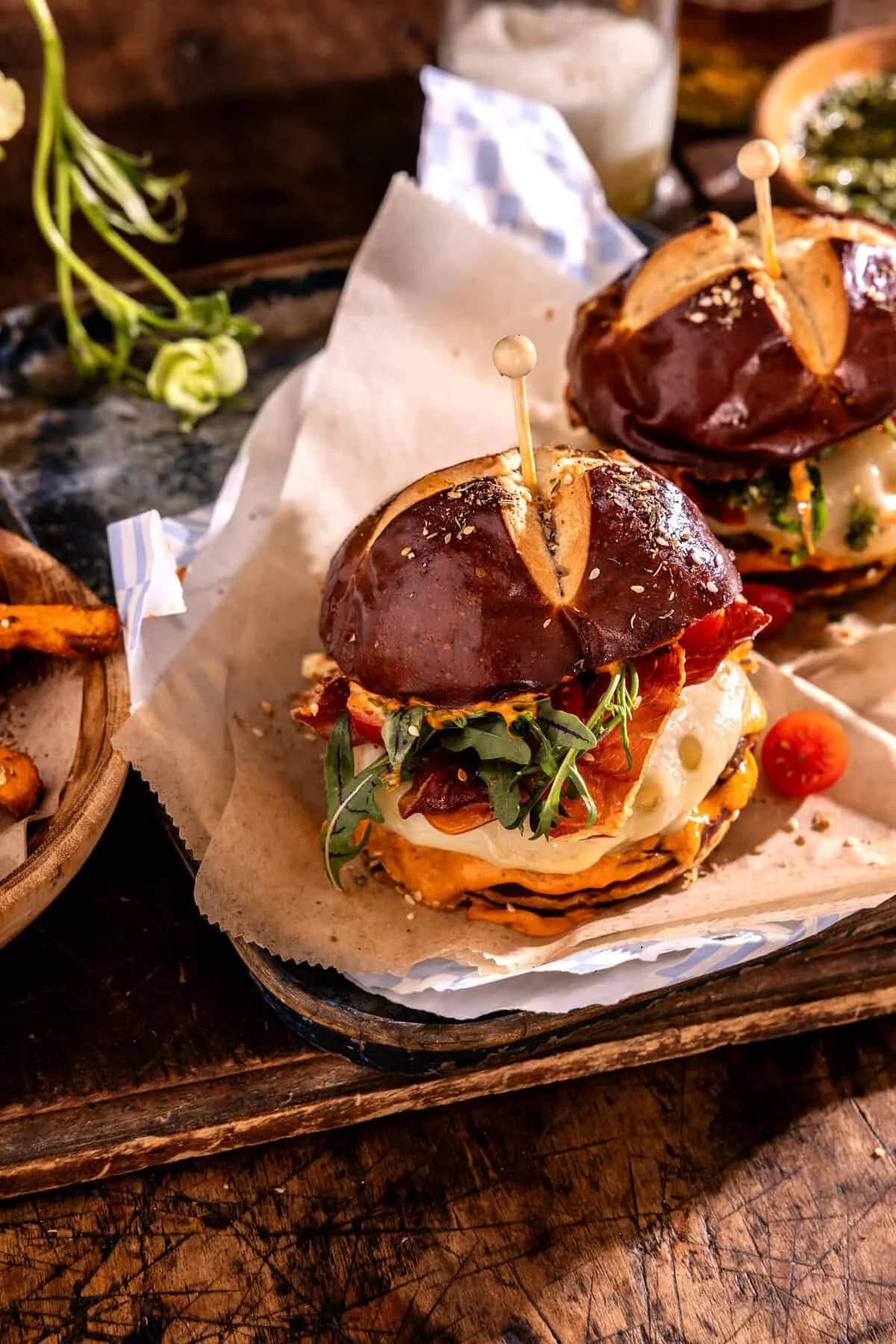
The culinary landscape of summer cookouts has been significantly enhanced with the introduction of a sophisticated new burger recipe, "Greek Burgers with Harissa Mayo," which masterfully blends traditional Mediterranean flavors with a bold, spicy kick. This innovative dish, detailed on Half Baked Harvest, promises to elevate backyard gatherings from the mundane to the memorable, offering a complex flavor profile that moves beyond the typical barbecue fare. The recipe, inspired by a memorable dining experience in Miami, has quickly become a favorite, showcasing the power of culinary fusion and the enduring appeal of well-executed comfort food.
The genesis of this recipe can be traced to a recent relocation to Florida, which has seemingly ignited a passion for outdoor cooking. The author notes a significant increase in grilling activities, highlighting the irreplaceable smoky char imparted by an open flame. This shift in cooking habits has naturally led to a focus on burgers, a versatile canvas for flavor experimentation. The "Greek Burgers with Harissa Mayo" have emerged as a standout, earning a permanent place in the rotation alongside other popular creations like "Teriyaki Chicken Burgers with Bang Bang Pineapple Slaw."
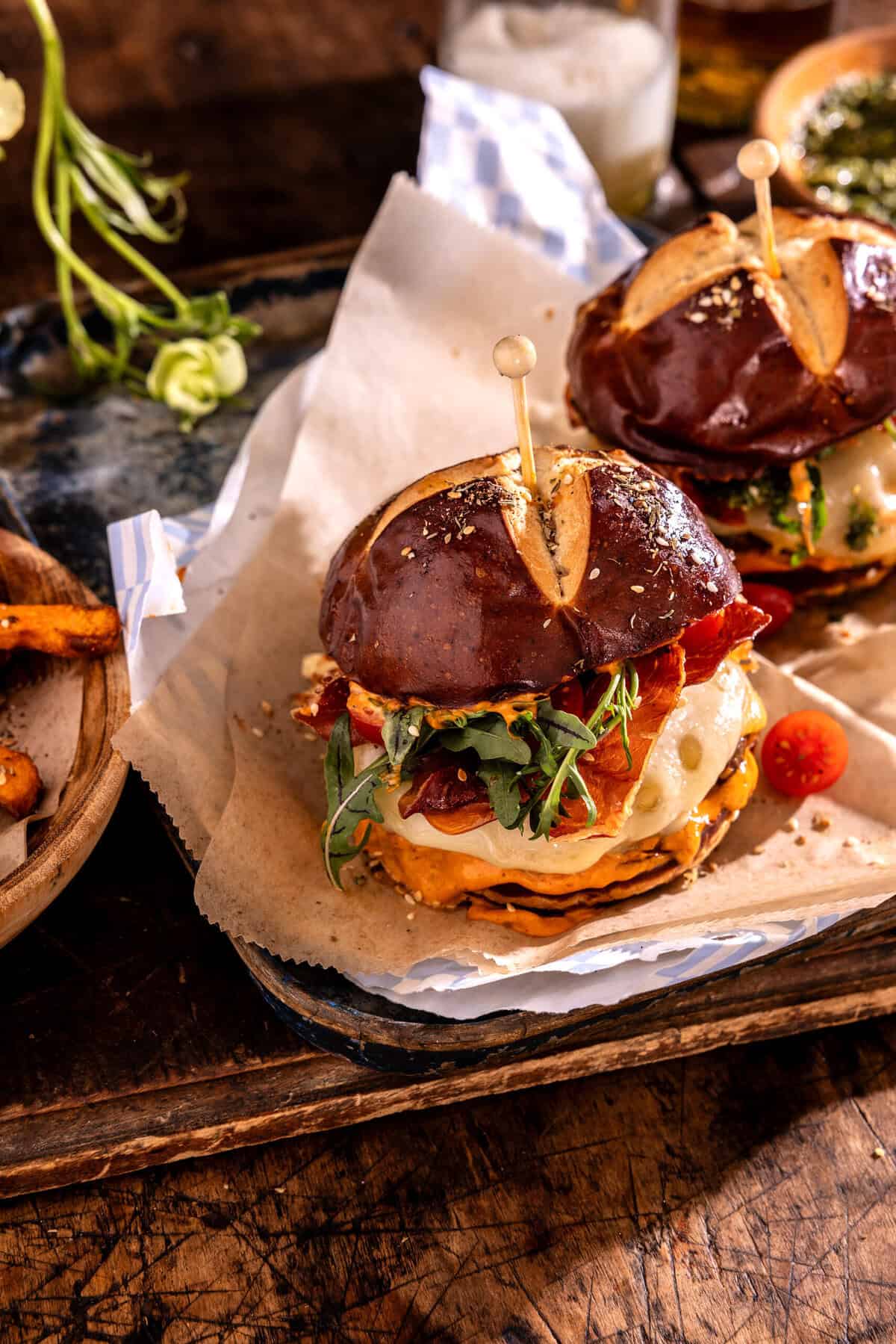
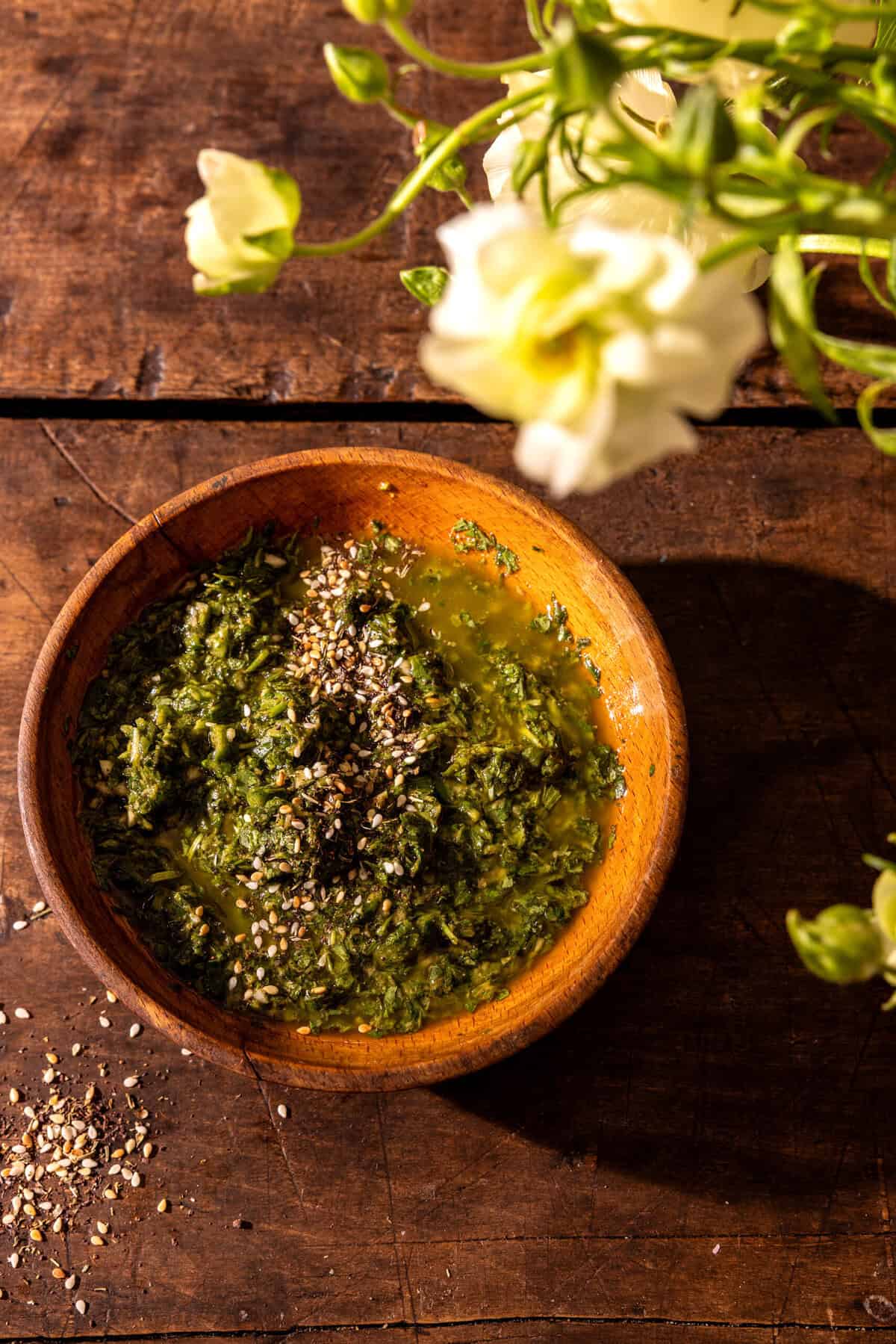
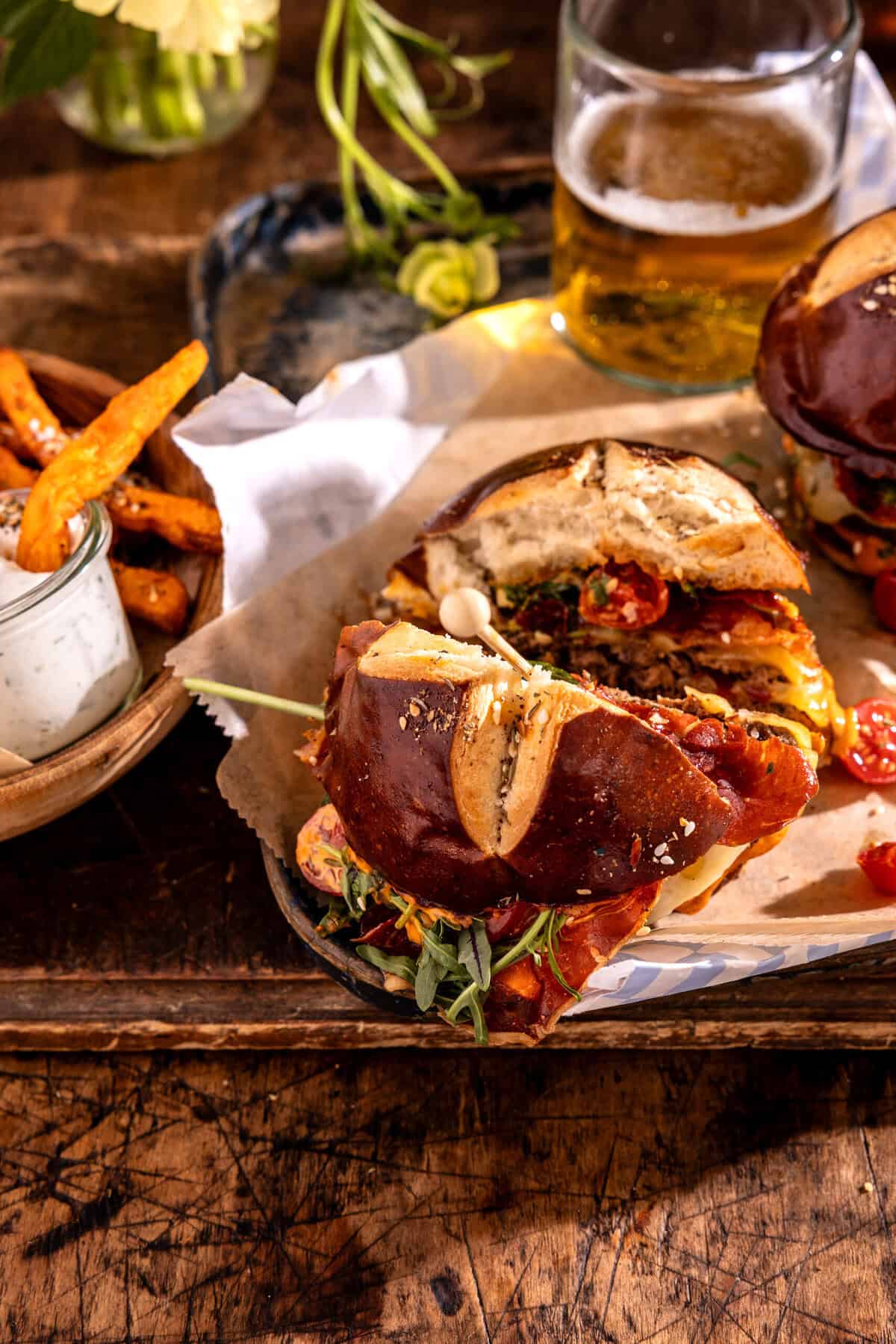
The direct inspiration for this recipe came from a local restaurant’s za’atar-spiced lamb burgers. The author recounts the experience of ordering these burgers and being struck by their unique combination of salty toasted buns, expertly crafted sauces, and perfectly melted cheese. This culinary encounter served as a powerful catalyst, prompting a desire to recreate and adapt the concept for a home audience. The subsequent recreation for a family Sunday dinner featured not only the signature burgers but also complementary sides, including Greek Sweet Potato Fries with garlic yogurt and a generous dollop of Green Zhoug, a vibrant herb sauce. The inclusion of crispy prosciutto and the specific choice of pretzel buns further underscore the attention to detail and layered flavor profile of the dish.
The Anatomy of a Flavorful Burger
The "Greek Burgers with Harissa Mayo" are characterized by a thoughtful assembly of high-quality ingredients, designed to deliver a harmonious blend of textures and tastes. The core of the burger lies in its seasoning, featuring za’atar, a Middle Eastern spice blend known for its herbaceous and tangy notes, complemented by the subtle heat of harissa.
Key Components of the Recipe:
- The Burger Patty: Crafted from a blend of ground meat, the recipe suggests a mix of beef and lamb for enhanced flavor, seasoned with za’atar, harissa, sumac, onion powder, salt, and pepper. The author notes that using half lamb offers a rich depth without being overpowering.
- Harissa Mayo: A creamy and spicy condiment made with mayonnaise, harissa paste, lemon juice, and a pinch of salt. This sauce serves as a critical flavor enhancer, providing a cooling counterpoint to the spiced burger.
- Cheeses: A combination of melty Gouda and Swiss cheeses are used to top the burgers during the final stages of grilling, adding a gooey, savory element.
- Toppings: The burger is further elevated with a range of fresh and savory additions, including ripe summer tomatoes, the author’s signature Green Zhoug sauce, crispy prosciutto, and peppery arugula.
- The Bun: The recipe specifically calls for toasted pretzel buns, lauded for their buttery, salty flavor and structural integrity, capable of holding the substantial toppings. Brioche buns are offered as a secondary option.
The Culinary Process: From Prep to Plate
The preparation of these Greek-inspired burgers involves a series of deliberate steps, ensuring each component contributes to the final, impressive dish.
Step 1: Crafting the Harissa Mayo
The process begins with the preparation of the harissa mayo. This allows the flavors to meld while the other elements are being prepared, a common technique in culinary arts to deepen flavor profiles. The mayonnaise is combined with harissa paste, lemon juice, and salt, then whisked until smooth.
Step 2: Achieving Crispy Prosciutto
The prosciutto is crisped by baking it in a single layer on a parchment-lined baking sheet. This technique renders the prosciutto delightfully crunchy, adding a salty, savory textural contrast to the burger.
Step 3: Mixing and Forming the Burger Patties
The ground meat is mixed with za’atar, harissa, sumac, onion powder, salt, and pepper. The key here is to mix gently to avoid overworking the meat, which can lead to tough burgers. The mixture is then formed into 6 to 8 patties, with a suggestion to use an ice cream scoop for consistent portioning.
Step 4: Grilling to Perfection
The burger patties are grilled to the desired level of doneness. In the final minute of cooking, slices of Gouda and Swiss cheese are placed on top of each patty, and the grill lid is closed to allow the cheese to melt into a luscious layer.
Step 5: Toasting the Buns
The pretzel buns are lightly buttered and toasted until golden brown, providing a warm, slightly crisp base for the burger.
Step 6: Assembling the Masterpiece
The final assembly involves spreading the prepared harissa mayo on both halves of the toasted buns. The grilled burger patty is then placed on the bottom bun, followed by layers of fresh tomatoes, Green Zhoug sauce, crispy prosciutto, and a generous handful of arugula.
The Supporting Cast: Complementary Flavors and Sides
The "Greek Burgers with Harissa Mayo" are often presented as part of a larger culinary experience, with suggested complementary dishes that enhance the overall meal. The author frequently pairs these burgers with homemade Greek Sweet Potato Fries, tossed with olive oil and finished with garlic, fresh oregano, flaky salt, and crumbled feta cheese. This side dish offers a sweet and savory counterpoint, further cementing the Mediterranean theme.
The recipe also provides instructions for preparing Green Zhoug, a vibrant and herbaceous sauce, and a simple method for creating homemade za’atar for those instances where it may not be readily available. These accompaniments highlight a commitment to creating a complete and cohesive dining experience, where each element is thoughtfully considered.
Nutritional Considerations and Culinary Data
While the recipe focuses on flavor and culinary experience, it also provides estimated nutritional information. A single serving of the Greek Burger with Harissa Mayo is estimated to contain approximately 483 calories. This figure, like all nutritional data, is an approximation and can vary based on specific ingredient choices and portion sizes. The recipe yields approximately 8 servings, with a preparation time of around 25 minutes and a cooking time of approximately 15 minutes, resulting in a total time of about 40 minutes.
The inclusion of detailed ingredient lists and clear, step-by-step instructions, along with helpful tips from the author, underscores the accessibility of this recipe for home cooks. The emphasis on using fresh, high-quality ingredients and the methodical approach to preparation are hallmarks of gourmet cooking, made approachable for everyday enjoyment. The recipe also includes a disclaimer regarding the accuracy of nutritional information, a standard practice in food publications.
Broader Culinary Trends and Implications
The popularity of recipes like "Greek Burgers with Harissa Mayo" reflects broader trends in contemporary cuisine. The fusion of diverse culinary traditions, particularly the integration of Middle Eastern and Mediterranean flavors into familiar formats like burgers, is a testament to a growing global palate and a desire for adventurous yet comforting food. The emphasis on bold spices like za’atar and harissa, alongside fresh herbs and creamy sauces, indicates a move towards more complex and layered flavor profiles in everyday cooking.
Furthermore, the resurgence of grilling as a preferred cooking method, especially during warmer months, highlights a societal appreciation for outdoor dining and the unique characteristics that grilling imparts to food. The choice of artisanal buns, such as pretzel buns, also signals a trend towards elevating even the simplest components of a meal to contribute to the overall dining experience. The success of this recipe suggests a continued demand for dishes that are both innovative and satisfying, offering a gourmet touch to home-cooked meals and backyard barbecues alike. The detailed methodology and accompanying suggestions for sides and homemade components also speak to a growing interest in culinary exploration and the desire to replicate restaurant-quality experiences at home.