Susilo Wagino Mulyo
Glucagon-like peptide-1 receptor agonists (GLP-1s), a class of medications originally developed for type 2 diabetes, have gained significant attention for their efficacy in weight management, which in turn holds promise for conditions like sleep apnea. While the landscape of insurance coverage for these high-cost medications is complex and often prohibitive, recent developments, particularly the U.S. Food and Drug Administration (FDA) approval of tirzepatide (Zepbound) for obstructive sleep apnea (OSA) in adults with obesity, are beginning to reshape treatment paradigms and patient access.
Understanding Obstructive Sleep Apnea and its Connection to Weight
Obstructive sleep apnea is a pervasive and serious sleep disorder characterized by repeated episodes of complete or partial airway collapse during sleep, leading to pauses in breathing. These episodes, which can last from 10 to 30 seconds or more and occur numerous times each night, result in fragmented sleep, reduced oxygen levels, and significant strain on the cardiovascular system. Globally, it is estimated that nearly a billion adults suffer from OSA, with approximately 30 million affected in the United States alone. Untreated, OSA is linked to a heightened risk of hypertension, heart attack, stroke, diabetes, and even increased rates of vehicular accidents due to daytime sleepiness.
A critical risk factor for OSA is excess body weight. Adipose tissue accumulation around the neck and throat can narrow the airway, making it more prone to collapse during sleep when muscle tone naturally relaxes. Statistical data underscores this strong correlation: a substantial portion of individuals with OSA are classified as overweight (44%) or obese (31%). The scientific consensus firmly establishes that weight loss is a highly effective strategy for mitigating OSA symptoms and, in some cases, achieving remission. A comprehensive review of studies indicated that a 20% reduction in body mass index (BMI) could lead to a remarkable 57% decrease in sleep apnea symptoms, highlighting the profound impact of weight management on respiratory health during sleep.
The Emergence of GLP-1 Receptor Agonists
GLP-1 receptor agonists mimic the action of a natural hormone, GLP-1, which is released in the gut in response to food intake. These medications exert their effects through several mechanisms: they stimulate insulin secretion in a glucose-dependent manner, suppress glucagon secretion, slow gastric emptying, and promote a feeling of satiety by acting on brain receptors. The combined effect of reduced appetite and slower digestion leads to significant weight loss.

Initially, GLP-1s like semaglutide (Ozempic) and liraglutide (Victoza) were approved exclusively for the management of type 2 diabetes. Their observed weight-loss benefits in diabetic patients, however, paved the way for subsequent research and approvals for chronic weight management in individuals without diabetes but with obesity or overweight alongside weight-related comorbidities. The FDA approved liraglutide (Saxenda) for weight management in 2014, followed by semaglutide (Wegovy) in 2021, and most recently, tirzepatide (Zepbound) in 2023. Tirzepatide, uniquely, targets both GLP-1 and glucose-dependent insulinotropic polypeptide (GIP) receptors, often leading to even more pronounced weight loss compared to single-agonist GLP-1s.
Clinical Evidence and Zepbound’s Landmark Approval for Sleep Apnea
The direct application of GLP-1s to sleep apnea treatment stems from the well-established link between obesity and OSA severity. Researchers began exploring whether the weight-loss induced by these medications could translate into improved sleep apnea outcomes. Clinical trials investigating various GLP-1s, including semaglutide, liraglutide, and tirzepatide, consistently demonstrated reductions in weight, BMI, and waist circumference, which were, in turn, associated with improvements in OSA symptoms.
A pivotal moment arrived in 2024 when the FDA granted approval to tirzepatide (Zepbound) for the treatment of moderate to severe OSA in adults who also have obesity. This landmark decision was primarily based on the robust findings from the SURMOUNT-OSA clinical trial program. These large-scale, placebo-controlled studies demonstrated that participants receiving tirzepatide experienced significant reductions in their Apnea-Hypopnea Index (AHI), a key measure of sleep apnea severity. In some arms of the trial, participants achieved an average reduction in AHI of over 50%, with a notable proportion experiencing a complete resolution of their OSA or a reduction to mild severity. Furthermore, the trials reported improvements in related comorbidities such as daytime sleepiness and blood pressure, issues frequently co-occurring with sleep apnea and obesity. This approval marked the first time a pharmaceutical agent has been specifically sanctioned for OSA in the context of obesity, offering a new therapeutic avenue beyond traditional mechanical or surgical interventions.
Navigating the Complex Landscape of Insurance Coverage
Despite the clinical efficacy of GLP-1s for weight loss and their potential to improve OSA, securing insurance coverage remains a significant hurdle for many patients. The primary challenge lies in the specific FDA approvals for each medication.
For medications like Ozempic, which is FDA-approved solely for type 2 diabetes, insurance companies typically will not cover its use for sleep apnea or even for weight loss if the patient does not have a diabetes diagnosis. This is due to the practice of "off-label" prescribing, where a physician uses a drug for a condition not listed in its official FDA indications. While legal and common in medical practice, insurers generally decline to cover off-label uses due to the lack of specific regulatory approval and often, insufficient long-term data for that particular indication. Consequently, monthly out-of-pocket costs for Ozempic can easily reach several hundred dollars without insurance, with typical pricing around $900-$1000 per month, even with manufacturer coupons reducing it to about $499 for some.
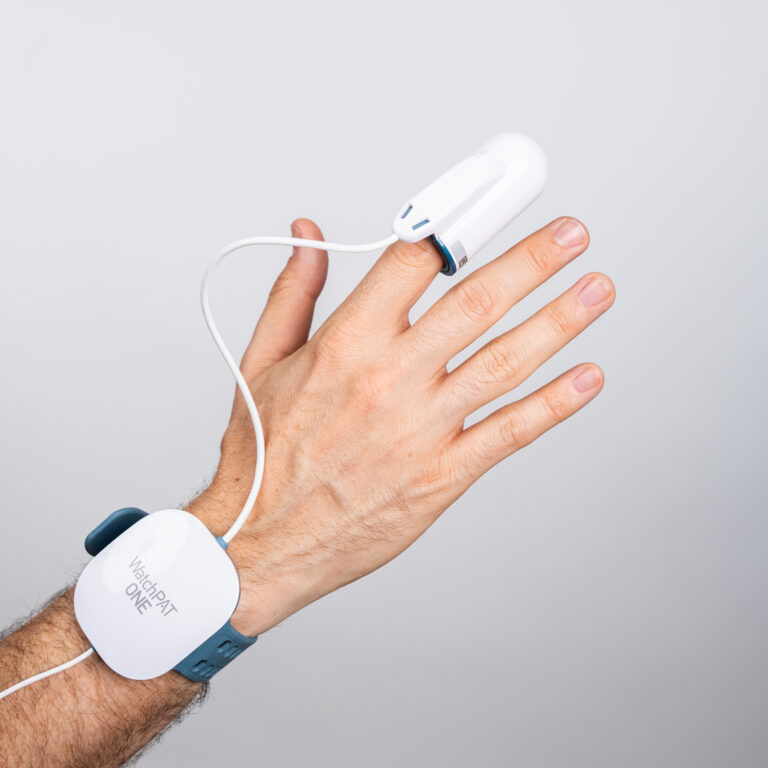
The situation is different for Zepbound, given its direct FDA approval for OSA in adults with obesity. This approval significantly strengthens the case for insurance coverage. However, coverage is not automatic and is subject to the specific policies of individual insurance providers, including Medicare and Medicaid. Many payers are in the process of adding Zepbound to their formularies, but almost universally, these plans impose strict prior authorization (PA) requirements. These often include:
- BMI Thresholds: Patients must meet specific BMI criteria (e.g., BMI ≥ 30 kg/m² or BMI ≥ 27 kg/m² with at least one weight-related comorbidity).
- Documentation of OSA Severity: Clear diagnosis of moderate to severe OSA, typically confirmed by a sleep study.
- Trial and Failure of Conventional Therapies: Many insurers require documentation that the patient has attempted and failed, or is intolerant to, standard OSA treatments like Continuous Positive Airway Pressure (CPAP) therapy. This reflects a preference for established first-line treatments due to their proven efficacy and often lower cost.
- Proof of Structured Weight Loss Attempts: Some plans may mandate documentation of participation in medically supervised diet and exercise programs before approving GLP-1s.
- Regular Progress Monitoring: Continued coverage often depends on documented weight loss progress and ongoing medical necessity reviews.
For patients with other comorbidities, the pathway to coverage might be less direct but still possible. For instance, if a patient has type 2 diabetes, Ozempic might be covered for that condition, with the added benefit of weight loss and potential improvement in sleep apnea symptoms. Similarly, some insurance plans cover GLP-1s for obesity-related health conditions such as high cholesterol or high blood pressure. If a patient presents with these conditions alongside a high BMI and OSA, coverage for a GLP-1 (like Wegovy or Zepbound, which are approved for weight loss) becomes more plausible, depending on the specific plan’s criteria.
Appealing Denied Coverage and Seeking Financial Assistance
When insurance denies coverage, patients are not without recourse. Healthcare providers can document "medical necessity" with detailed clinical notes and supporting evidence, which is crucial for strengthening appeals. Most insurance plans allow patients to file an internal appeal within six months of a denial. If the internal appeal is unsuccessful, patients can often request an external review, where an independent third party evaluates the insurer’s decision. This process can be complex and time-consuming but has proven successful for many.
Beyond appeals, patients can explore manufacturer savings programs, which often reduce the monthly out-of-pocket costs for commercially insured patients to as little as $25 for eligible GLP-1s. However, these programs typically do not apply to government-funded plans like Medicare or Medicaid, where coverage for weight-loss medications has historically been limited. Medicare Part D plans may cover Zepbound for OSA, but patients should anticipate co-pays, which can be substantial (e.g., around $50 per month for Zepbound under some Medicare plans), and specific formulary tiers.
Economic and Healthcare System Implications
The widespread adoption of GLP-1s for weight management and now for OSA carries significant economic implications. While the upfront cost of these medications is high, potentially exceeding $10,000 to $12,000 annually per patient, their potential to reduce the burden of obesity-related comorbidities could lead to substantial long-term healthcare savings. Untreated OSA, for example, incurs significant costs related to cardiovascular events, diabetes management, and reduced productivity. By improving OSA and other weight-related conditions, GLP-1s could mitigate these downstream expenses, leading to a complex cost-benefit analysis for payers and health systems.

The demand for these medications is rapidly increasing, putting pressure on drug manufacturers, supply chains, and healthcare budgets. Insurance companies are balancing the clinical benefits and potential long-term savings against the immediate budgetary impact, leading to the stringent prior authorization criteria observed across many plans.
Beyond Medication: A Holistic Approach to Sleep Apnea Management
While GLP-1s represent an exciting new frontier, it is critical to emphasize that they are not a standalone solution. A holistic approach to sleep apnea management remains paramount. Lifestyle modifications, particularly diet and exercise, are fundamental for weight loss and overall health, whether or not a patient is taking a GLP-1. Regular physical activity, recommended at 150-300 minutes of moderate-intensity exercise or 75-150 minutes of vigorous exercise weekly, combined with muscle-strengthening activities, can significantly improve metabolic health and contribute to weight reduction. Dietary changes focusing on creating a calorie deficit, reducing processed foods, sugary drinks, and excessive alcohol, are also crucial. Consulting with a healthcare provider or a registered dietitian is advisable for personalized guidance on these lifestyle changes.
Furthermore, established sleep apnea treatments continue to play a vital role. These include:
- Continuous Positive Airway Pressure (CPAP): The gold standard non-invasive treatment, CPAP devices deliver a continuous stream of air through a mask, keeping the airway open during sleep.
- Oral Appliances: Custom-fitted dental devices that reposition the jaw or tongue to maintain an open airway.
- Positional Therapy: For individuals whose OSA is worse when sleeping on their back, devices that encourage side sleeping.
- Surgery: Various surgical procedures, ranging from tonsillectomy to more complex jaw advancement surgeries, can address anatomical obstructions in select patients.
- Addressing Underlying Conditions: Treating conditions like allergies, nasal congestion, or thyroid disorders that might exacerbate OSA.
Future Outlook and Ongoing Research
The landscape of GLP-1s for sleep apnea is rapidly evolving. Ongoing research continues to explore the full spectrum of benefits of existing GLP-1s and investigate new molecules with potentially broader or more targeted effects. As more data emerges on long-term efficacy, safety, and cost-effectiveness, insurance coverage policies are likely to adapt further. The approval of Zepbound for OSA has set a precedent, potentially paving the way for other GLP-1s or similar compounds to gain specific indications for sleep disorders, especially those linked to metabolic health.
Ultimately, the integration of GLP-1s into sleep apnea treatment protocols represents a significant advancement, offering new hope for patients struggling with the dual burden of obesity and OSA. However, successful implementation requires careful consideration of patient selection, comprehensive insurance navigation, and a continued commitment to a multi-faceted approach to care that prioritizes both pharmacological and lifestyle interventions.