rifanmuazin
The landscape of digital marketing has undergone a profound transformation, shifting from a realm of intuition and guesswork to one meticulously governed by data. Early forays into social media often saw brands and individuals posting content with little understanding of its true impact beyond superficial metrics like "likes." This approach, while initially sufficient, quickly proved unsustainable as platforms grew in complexity and competition intensified. The inability to discern why certain posts resonated deeply while others languished became a critical impediment to effective online engagement and measurable return on investment (ROI). This growing challenge underscored the urgent need for robust social media analytics – sophisticated tools designed to transform raw data into actionable intelligence, guiding content strategy, optimizing posting schedules, and ultimately, driving business objectives.
The Evolution of Social Media Marketing and the Analytics Imperative

The dawn of social media platforms like MySpace, and later Facebook and Twitter, opened unprecedented avenues for direct audience engagement. However, the initial enthusiasm often outpaced strategic foresight. Marketers found themselves grappling with a deluge of interactions without clear mechanisms to quantify their value or understand underlying audience behaviors. This era, characterized by rapid experimentation and a focus on audience growth, soon gave way to a more mature understanding: engagement without insight was akin to sailing without a compass.
As social media evolved from niche communities to global communication behemoths, the stakes escalated. Brands began allocating significant portions of their marketing budgets to digital channels, necessitating a demonstrable return. The simple count of "likes" or "followers" proved insufficient for demonstrating business impact, leading to the development of more granular metrics such as reach, impressions, engagement rate, click-through rates, and conversion metrics. This evolution mirrored a broader industry trend towards data-driven decision-making, where every marketing dollar needed to be justified by tangible results. The demand for tools that could not only collect this data but also interpret it effectively became an imperative, transforming social media management from a creative endeavor into a strategic, analytical discipline.
Navigating the Digital Landscape: Limitations of Native Platform Insights

While all major social media networks now offer native analytics dashboards—such as Instagram Insights or TikTok Analytics—these built-in tools, though a valuable starting point, present significant limitations for serious marketers and businesses. Their primary drawback lies in their inherent fragmentation and often superficial data presentation. Each platform provides insights relevant only to its own ecosystem, forcing marketers managing multi-channel campaigns to manually collate and interpret disparate data points. This process is not only a colossal time sink but also prone to errors and inconsistencies.
Furthermore, native analytics frequently suffer from "blind spots." For instance, LinkedIn’s native dashboard notably omits timestamps on past posts, making it challenging for users to precisely identify optimal posting times for their audience—a critical piece of information for engagement optimization. Similarly, many native tools lack comprehensive competitive benchmarking capabilities, leaving brands unable to effectively gauge their performance against industry peers. The inability to customize reports, integrate data with broader marketing analytics platforms, or delve into advanced sentiment analysis further restricts the utility of native insights. For any entity seeking a holistic view of their social media performance, cross-platform comparative analysis, and deep actionable intelligence, third-party analytics solutions become indispensable.
Demystifying Social Media Analytics: Definitions and Key Concepts
At its core, social media analytics refers to the systematic collection, measurement, analysis, and interpretation of data from social media platforms to understand and optimize the performance of content, campaigns, and overall strategy. It moves beyond mere "vanity metrics" (like raw follower counts) to uncover deeper insights into audience behavior, content effectiveness, and strategic alignment with business goals.
-
Analytics vs. Reporting: A Crucial Distinction
While often used interchangeably, "analytics" and "reporting" represent distinct but complementary phases of the data utilization process. Analytics is the act of collecting and measuring raw data, seeking to answer questions like "what happened?" and "why did it happen?" It involves digging into trends, correlations, and anomalies. Reporting, on the other hand, takes these analytical findings and presents them in a clear, concise, and shareable format for stakeholders, clients, or internal teams. Effective reporting translates complex data into understandable narratives, highlighting key achievements, challenges, and recommendations. The most robust social media tools seamlessly integrate both functions, providing raw data for analysis and then enabling the generation of polished, often white-labeled, reports. -
The Four Pillars of Analytics: Descriptive, Diagnostic, Predictive, and Prescriptive
Understanding the different types of analytics helps in selecting the right tool and framing data-driven questions: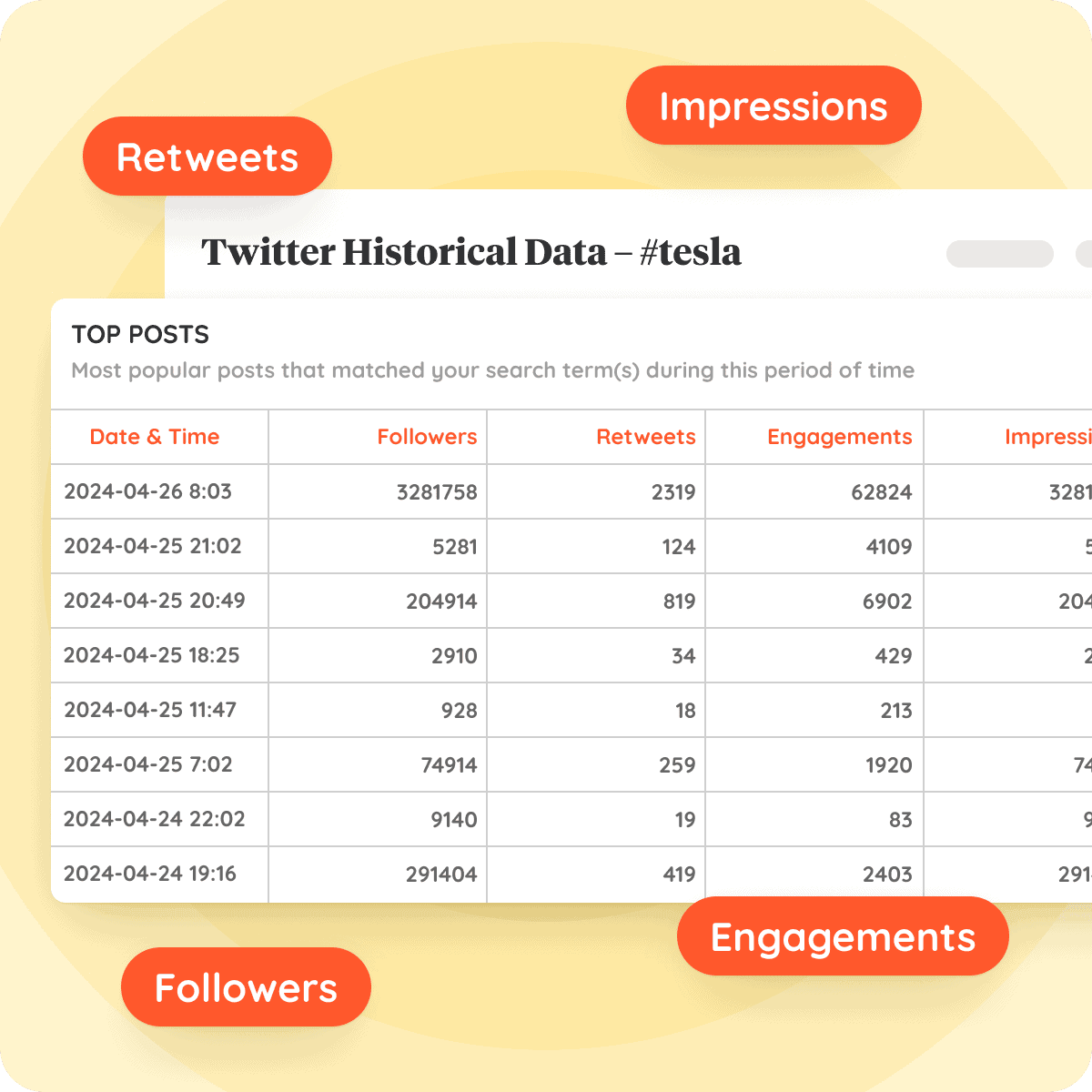
- Descriptive Analytics: This is the most basic form, answering "what happened?" It focuses on raw metrics such as impressions, reach, likes, comments, shares, and follower growth. Most native and entry-level third-party tools excel here.
- Diagnostic Analytics: Moving beyond "what," this type addresses "why it happened." It involves deeper dives into data to identify root causes. For example, analyzing why a specific post type or posting time generated higher engagement.
- Predictive Analytics: This advanced form seeks to answer "what will happen?" It uses historical data, statistical models, and machine learning to forecast future trends, audience behavior, or content performance. Tools offering predictive insights are typically more sophisticated and come at a premium.
- Prescriptive Analytics: The pinnacle of analytics, answering "what should I do?" This involves providing actionable recommendations based on predictive models. For instance, suggesting the optimal content format or posting schedule to achieve a specific goal. Currently, only a few cutting-edge tools offer genuinely prescriptive capabilities, often leveraging artificial intelligence.
Most social media analytics tools primarily focus on descriptive and diagnostic analytics, which suffice for the majority of creators and marketers. However, the move towards predictive and prescriptive capabilities represents the frontier of social media intelligence, promising even greater strategic advantage.
Strategic Tool Selection: Dedicated Analytics vs. Comprehensive Management Platforms
The decision between a dedicated social media analytics tool and a broader social media management platform depends largely on an organization’s specific needs, scale, and existing workflow.
- Social Media Management Software: These all-in-one platforms typically integrate various functionalities, including post scheduling, content creation, community engagement (social inbox), and analytics. They are ideal for individual creators, small businesses, or marketing teams managing their entire social media presence from a single dashboard. The convenience of having everything in one place—from planning and publishing to monitoring and measuring—streamlines workflows and often proves more cost-effective than subscribing to multiple specialized tools.
- Dedicated Social Media Analytics Tools: These tools focus exclusively on deep data analysis, competitive benchmarking, social listening, and advanced reporting. They are best suited for larger enterprises, agencies, or teams that already have robust scheduling and engagement processes in place (either manually or through other tools) but require more granular insights, sophisticated competitive intelligence, or highly customized reporting that a management platform might not provide. For example, a global brand might need highly specific audience segmentation or trend analysis across diverse markets, which dedicated tools are better equipped to deliver.
Industry experts often recommend starting with a comprehensive social media management tool that includes strong analytics features, especially for those new to structured social media strategy. This approach allows users to consolidate efforts and gain foundational insights. As needs evolve and complexity increases, integrating a specialized analytics tool for deeper dives into competitive analysis, sentiment, or market research can then augment the existing stack. The key is to select a tool that aligns with current objectives without overcomplicating the workflow or incurring unnecessary costs.
Top Social Media Analytics Tools: A Comprehensive Review for Diverse Needs
The market for social media analytics tools is robust and diverse, offering solutions tailored to various budgets, scales, and specialized requirements. After extensive testing and evaluation, the following tools represent some of the leading options available today, each distinguished by its unique strengths.
-
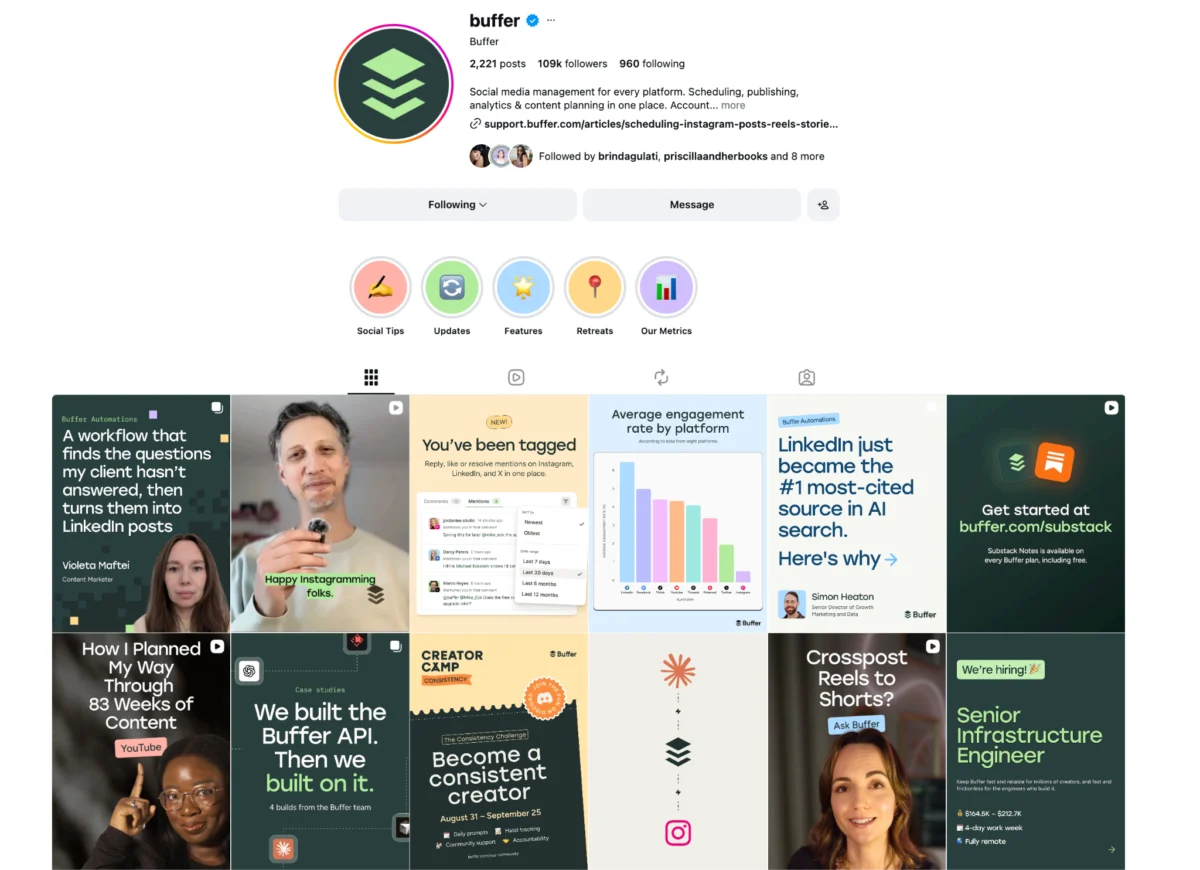
Buffer: The Agile Choice for Creators and Small Teams
Buffer stands out for its intuitive interface and focus on actionable insights, making it a favorite among individual creators and small marketing teams. Its analytics dashboard immediately highlights crucial metrics such as best-performing post types, optimal posting days, and effective content formats, eliminating the need for extensive data interpretation. Beyond raw numbers, Buffer translates data into clear recommendations, enabling users to quickly replicate success. Its reporting features allow for the creation of professional, branded reports with minimal effort, saving valuable time. Buffer supports a broad array of platforms including Bluesky, Facebook, Google Business, Instagram, LinkedIn, Mastodon, Pinterest, Threads, TikTok, X (formerly Twitter), and YouTube, with advanced analytics available on its affordable paid plans starting at $6/month, following a generous free tier. -
Rival IQ: Powering Competitive Intelligence for Large Agencies
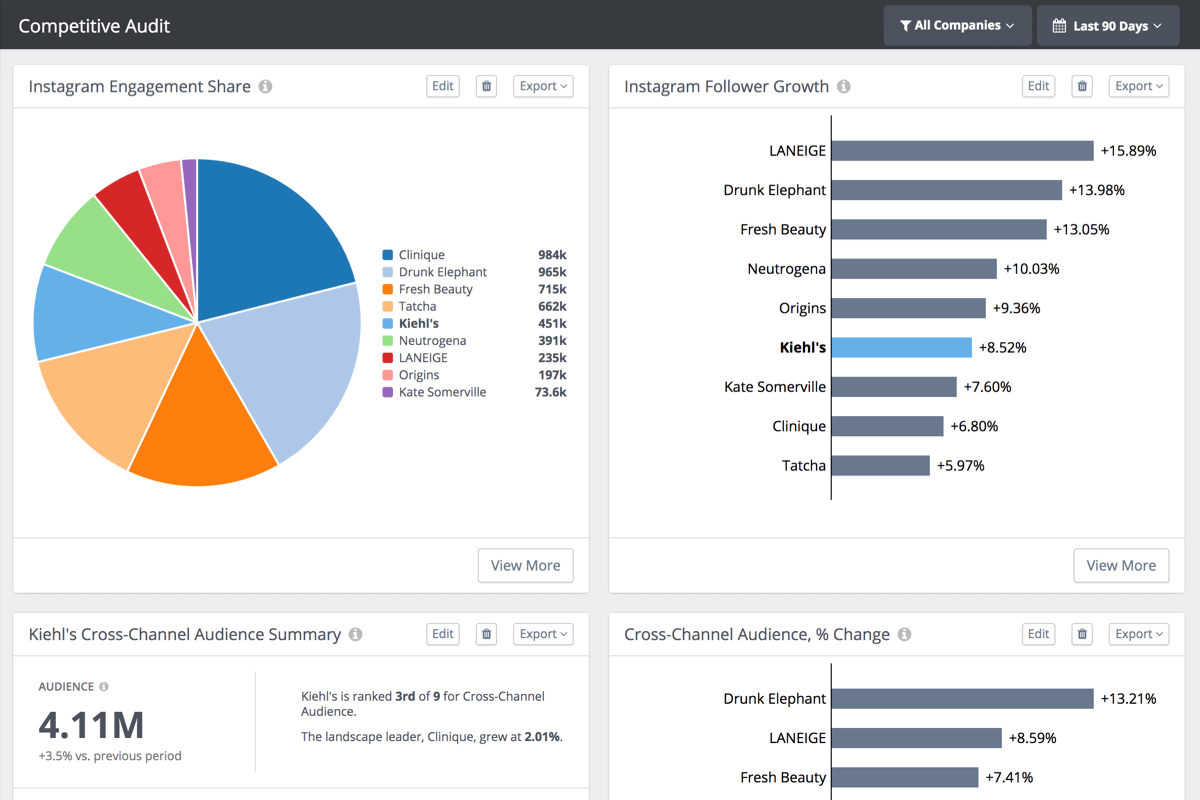
Designed with large social media agencies in mind, Rival IQ excels in competitive benchmarking. It offers a comprehensive suite of tools encompassing deep social media analytics, competitor analysis, and integrated social listening. Its unique strengths include identifying competitor post boosts, comparing brand positioning (e.g., social media bios), and benchmarking performance within specific niches. This depth of competitive insight is invaluable for agencies crafting data-driven strategies and reports for their clients. Rival IQ’s pricing structure, starting at $239/month, reflects its enterprise-grade capabilities, supporting Facebook, Instagram, LinkedIn, TikTok, X, and YouTube. -
Keyhole: Unlocking Historical Trends and Market Research Prowess
Keyhole is a powerful tool for market research, distinguishing itself with exceptional historical insights and trend identification. It allows users to delve into data as old as a decade, particularly for X (formerly Twitter), to understand the evolution of conversations around specific topics. Keyhole’s machine learning capabilities facilitate the identification of emerging trends and real-time shifts in audience sentiment, providing profound insights for product development and content strategy. While its historical data is predominantly focused on X and incurs additional costs, its ability to analyze long-range social data for market intelligence is unparalleled. Pricing is not publicly disclosed, reflecting its specialized nature, and it supports Facebook, Instagram, LinkedIn, TikTok, X, and YouTube.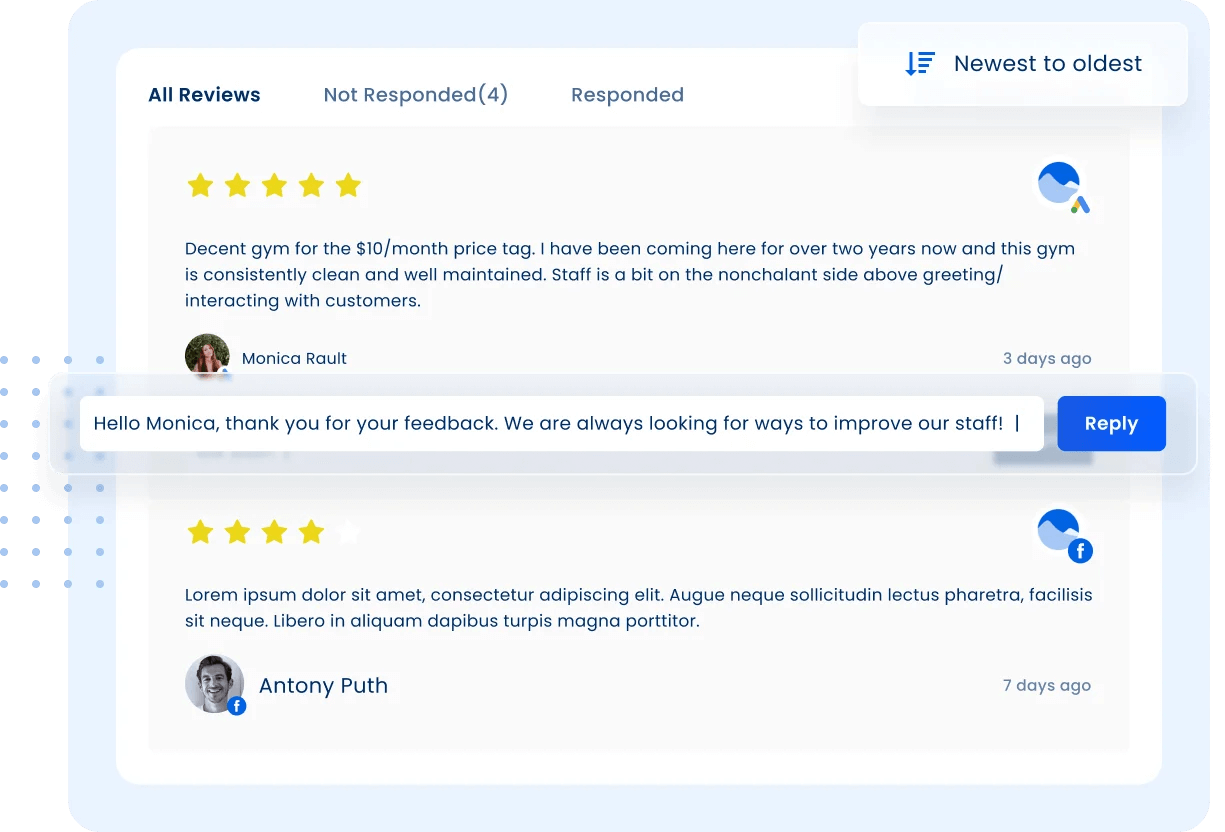
-
Social Status: Optimizing Ad Spend and Influencer ROI for Small Businesses
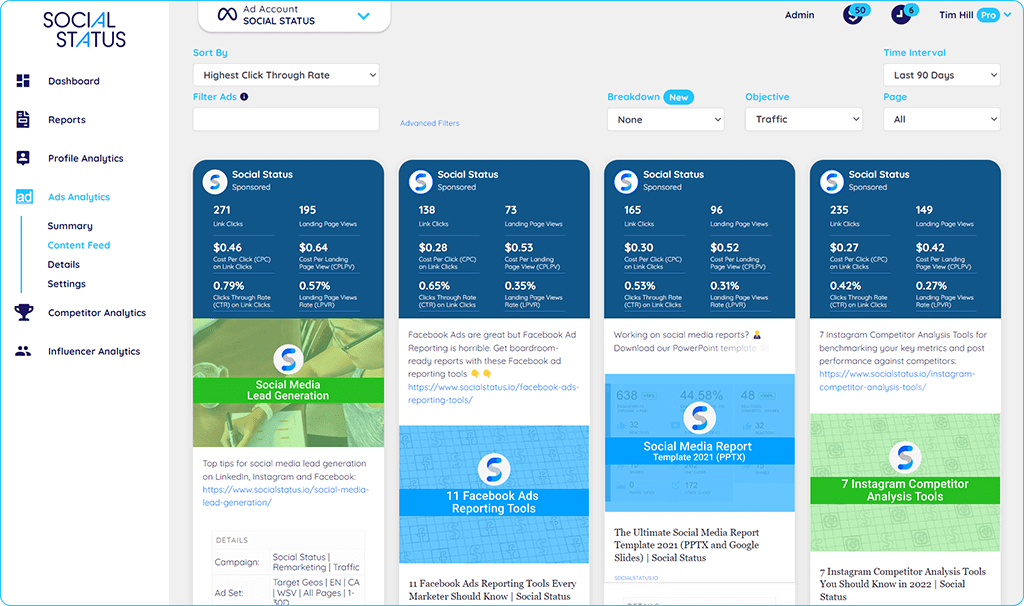
For small businesses engaged in both organic and paid social media strategies, including influencer partnerships, Social Status offers a unified solution. It tracks essential KPIs such as likes, impressions, and shares, alongside detailed ad performance metrics (e.g., click-through rates, cost per click) and influencer campaign effectiveness. The platform simplifies the collation of insights from diverse campaigns, providing a clear overview of overall social ROI. With a free plan and paid options starting at $9/month for small businesses, it offers accessible tools for managing and measuring integrated social efforts across Facebook, Instagram, LinkedIn, TikTok, X, and YouTube. -
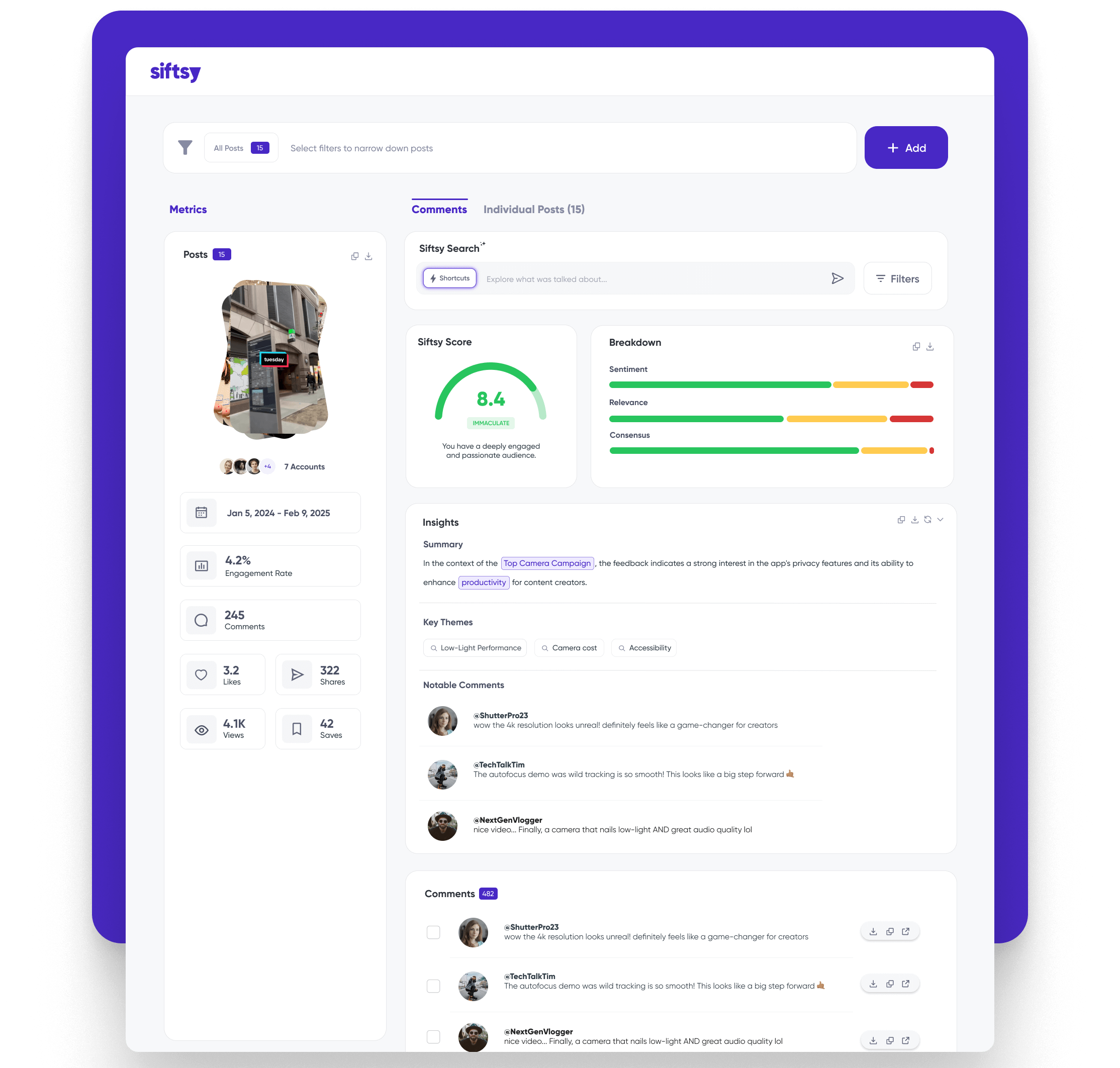
Siftsy: Deciphering Audience Sentiment Through Comment Analysis
Siftsy addresses a critical gap in many analytics tools by focusing on the qualitative data hidden within comments. By leveraging AI to analyze sentiment across multiple channels, Siftsy helps marketers understand the "why" behind engagement numbers. It can identify common themes, pinpoint valuable customer feedback, and even highlight specific conversations that offer deep insights into product reception or campaign effectiveness. This tool is invaluable for refining messaging, identifying user-generated content opportunities, and proactively addressing audience concerns. Pricing is not publicly available, and it supports Instagram, LinkedIn, TikTok, X, and YouTube. -
Vista Social: The All-in-One for Reputation and Social Management
Vista Social goes beyond traditional social media analytics by integrating robust review management capabilities with a comprehensive suite of social media management features. It aggregates customer feedback from numerous review sites into a single dashboard, enabling businesses to monitor brand reputation, respond to reviews efficiently, and identify trends in customer sentiment. Alongside its scheduling, social inbox, and listening tools, Vista Social offers a holistic platform for brands to manage their online presence and customer interactions. Plans start at $79/month, with broad platform support including Apple Play Store, Facebook, Google Business, Instagram, LinkedIn, Pinterest, Reddit, Threads, TikTok, X, Yelp, YouTube, and more.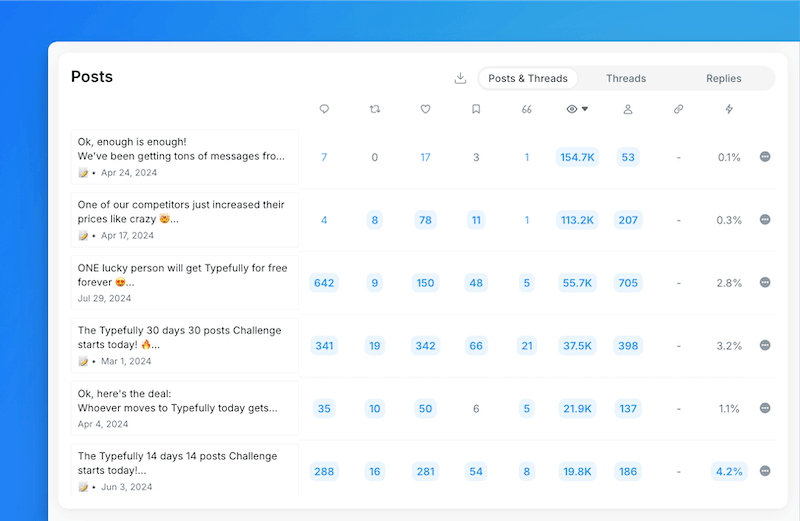
-
Typefully: Mastering X (formerly Twitter) Performance
For users heavily invested in X (formerly Twitter), Typefully offers a highly specialized analytics experience. While it supports other platforms like Bluesky, LinkedIn, Mastodon, and Threads, its deep-dive X analytics are its standout feature. Typefully provides unique metrics such as "profile conversion rate"—showing how many profile visitors convert into followers—which offers critical insights into profile optimization and content appeal. Its user-friendly interface for crafting threads and access to "viral thread hooks" further enhance its value for X power users. A free plan is available, with paid plans starting at $16/month (yearly billing required). -
Tailwind: Driving Pinterest-Powered Traffic and Growth
Tailwind is the go-to analytics tool for businesses leveraging Pinterest for traffic generation. Recognizing Pinterest’s dual nature as a social network and a search engine, Tailwind offers specialized KPIs for pins, boards, and trends. Its integration with Google Analytics allows users to precisely track which pins drive the most website traffic, enabling data-driven content optimization. From high-level board performance to individual pin analytics, Tailwind provides a granular view of Pinterest marketing effectiveness. A free plan is available, with paid plans starting at $29.99/month, supporting Facebook, Instagram, and Pinterest. -
DashThis: Unifying Marketing Performance Across Channels
DashThis is not solely a social media analytics tool but a comprehensive marketing dashboard designed to consolidate data from various sources into a single, intuitive report. It excels at demonstrating how social media performance contributes to the broader marketing strategy by integrating metrics from social platforms with data from Google Analytics, advertising platforms (e.g., TikTok Ads, Meta Business Suite), SEO tools, and more. With over 30 integrations and unlimited users on each plan, DashThis is ideal for large marketing teams or agencies needing to present a holistic view of marketing ROI to stakeholders. While its social media insights are foundational, its cross-channel reporting capabilities are exceptional. Plans begin at $54/month with a 15-day free trial, supporting Facebook, Instagram, LinkedIn, Pinterest, TikTok, and YouTube.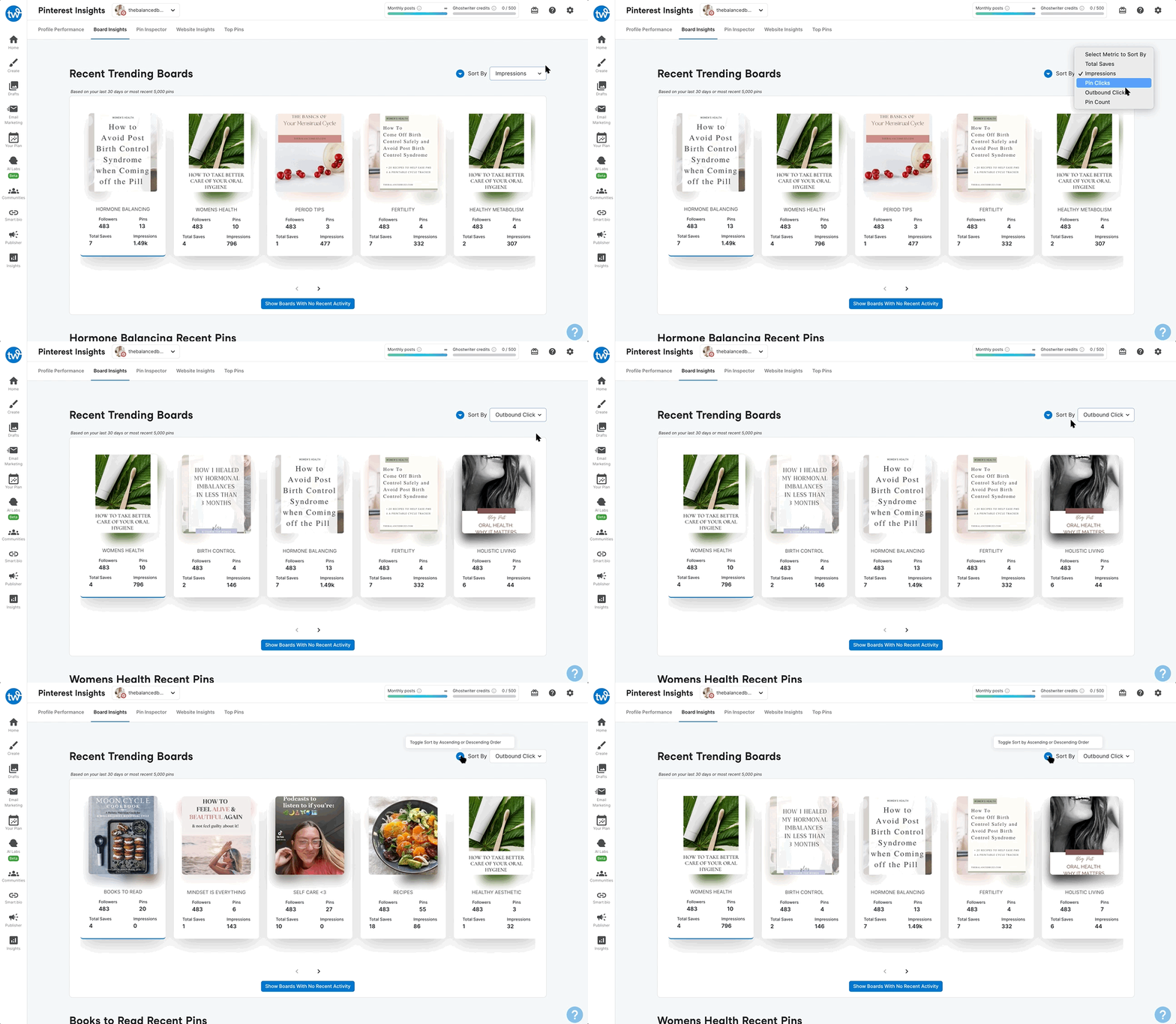
-
Socialinsider: AI-Driven Content Strategy and Pillar Optimization
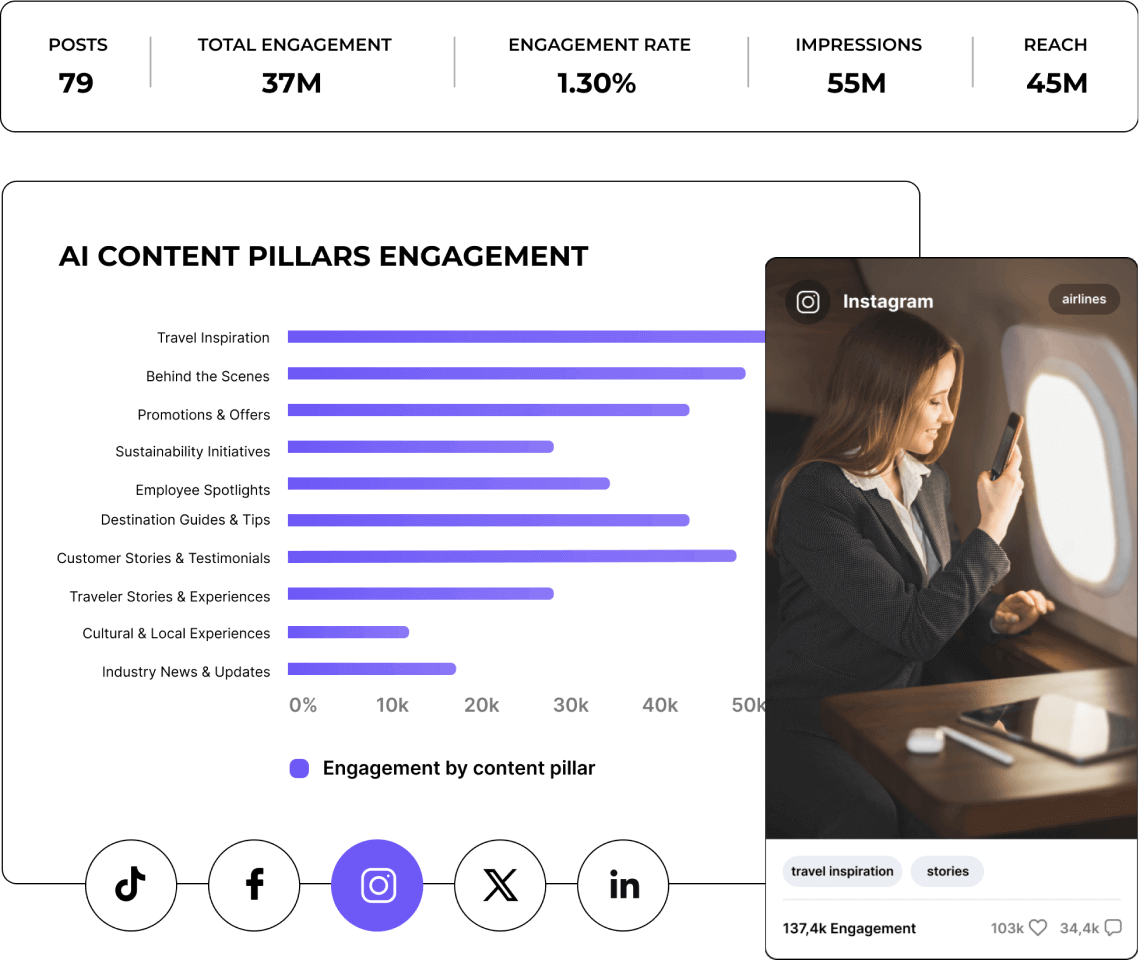
Socialinsider distinguishes itself with AI-driven insights focused on content pillars. It helps users understand which content themes resonate most effectively, and its higher-tier plans offer AI-powered competitive analysis to identify successful content strategies among competitors. The platform’s post-tagging feature allows for grouping and monitoring the collective performance of campaigns or content categories, providing clear data on strategic efficacy. While its advanced features are geared towards larger budgets (plans start at $99/month), its AI capabilities offer a significant edge in content strategy formulation, supporting Facebook, Instagram, LinkedIn, TikTok, X, and YouTube. -
Talkwalker: Deep Dive into Audience Insights and Social Listening
Talkwalker, now part of Hootsuite, is an advanced analytics and social listening tool renowned for its in-depth audience insights. It aggregates data from diverse sources, including customer calls and online communities, to reveal what audiences truly care about, serving as a powerful engine for content ideation. Its sophisticated audience segmentation features allow for granular analysis based on demographics, crucial for global brands. Talkwalker’s AI assistant, Yeti, provides quick access to insights. While its premium features are integrated into Hootsuite’s higher-tier plans (starting from $199/month), its capabilities for understanding nuanced audience behavior and sentiment are industry-leading, supporting Facebook, Instagram, X, YouTube, Pinterest, and more.
The Broader Impact: Data-Driven Strategies and Future Outlook
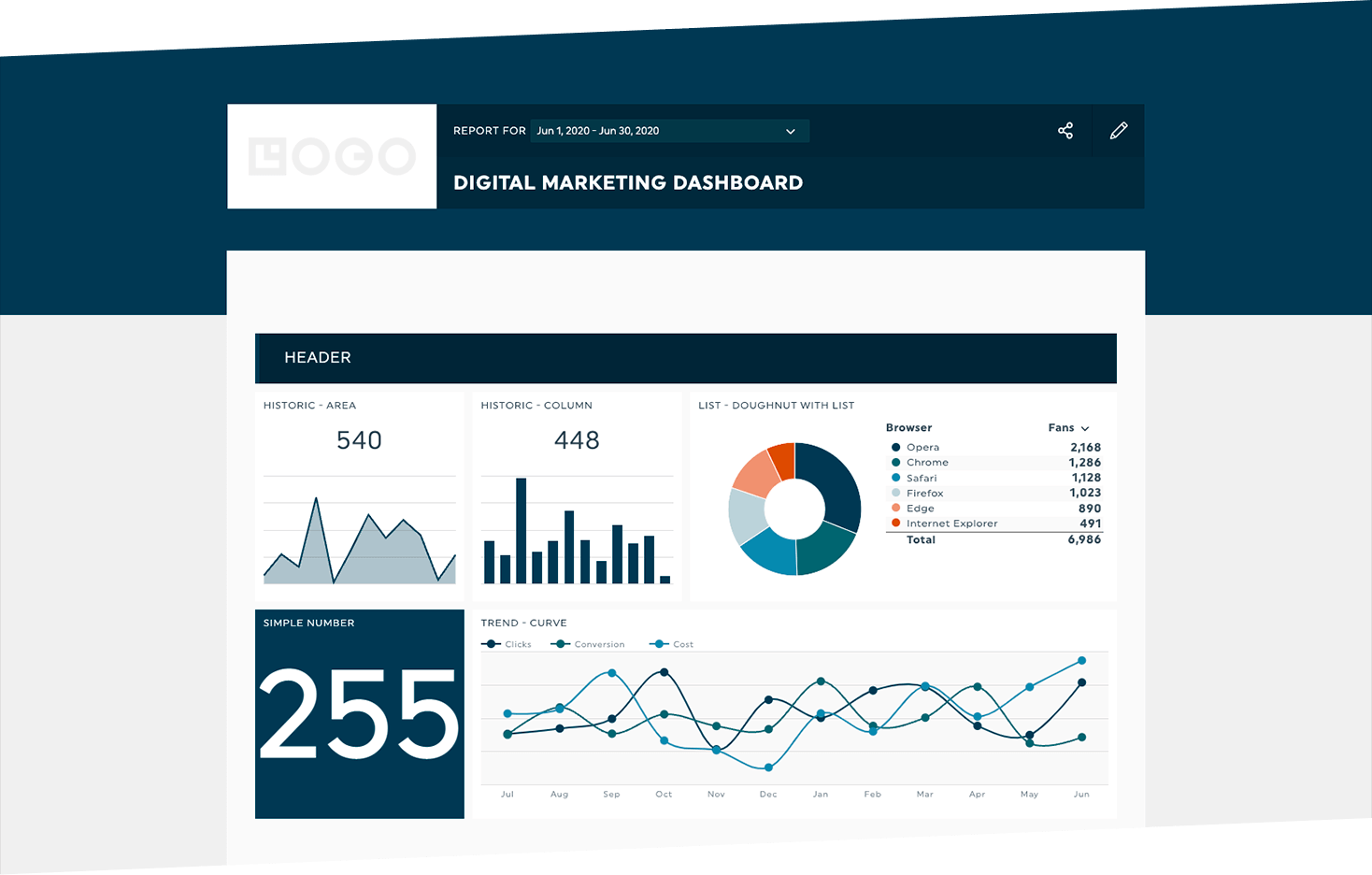
The proliferation and sophistication of social media analytics tools have profoundly impacted digital marketing strategies. They have shifted the paradigm from reactive posting to proactive, data-informed decision-making. By leveraging these tools, marketers can move beyond mere engagement to understand conversion paths, customer lifetime value, and the true ROI of their social media efforts. This capability empowers businesses to optimize their content strategies, refine audience targeting, identify emerging trends, and react with agility to market shifts.
The future of social media analytics is inextricably linked with advancements in artificial intelligence and machine learning. We can anticipate tools becoming even more predictive and prescriptive, offering automated recommendations for content creation, optimal posting times, and even audience engagement tactics. The integration of analytics with broader business intelligence platforms will also become more seamless, providing a unified view of customer journeys across all touchpoints. Ultimately, social media analytics tools are not just about measuring performance; they are about fostering a culture of continuous improvement, enabling brands to build stronger, more meaningful connections with their audiences, and driving sustainable growth in an increasingly competitive digital world.
Conclusion: Empowering Informed Decisions in the Digital Age
The journey from initial social media experimentation to today’s data-driven strategies underscores the critical role of analytics. No longer a luxury, robust social media analytics is a necessity for anyone serious about digital success. By automating data collection and presenting insights in an understandable format, these tools free up valuable time for strategic analysis and creative development, shifting the focus from "what happened" to "what should we do next." Whether a solo creator or a multinational enterprise, the right social media analytics tool empowers informed decisions, enhances strategic agility, and ensures that every digital interaction contributes meaningfully to overarching business objectives. The key lies in understanding one’s specific needs, exploring the diverse market offerings, and embracing a data-centric approach to navigate the dynamic currents of the digital age.