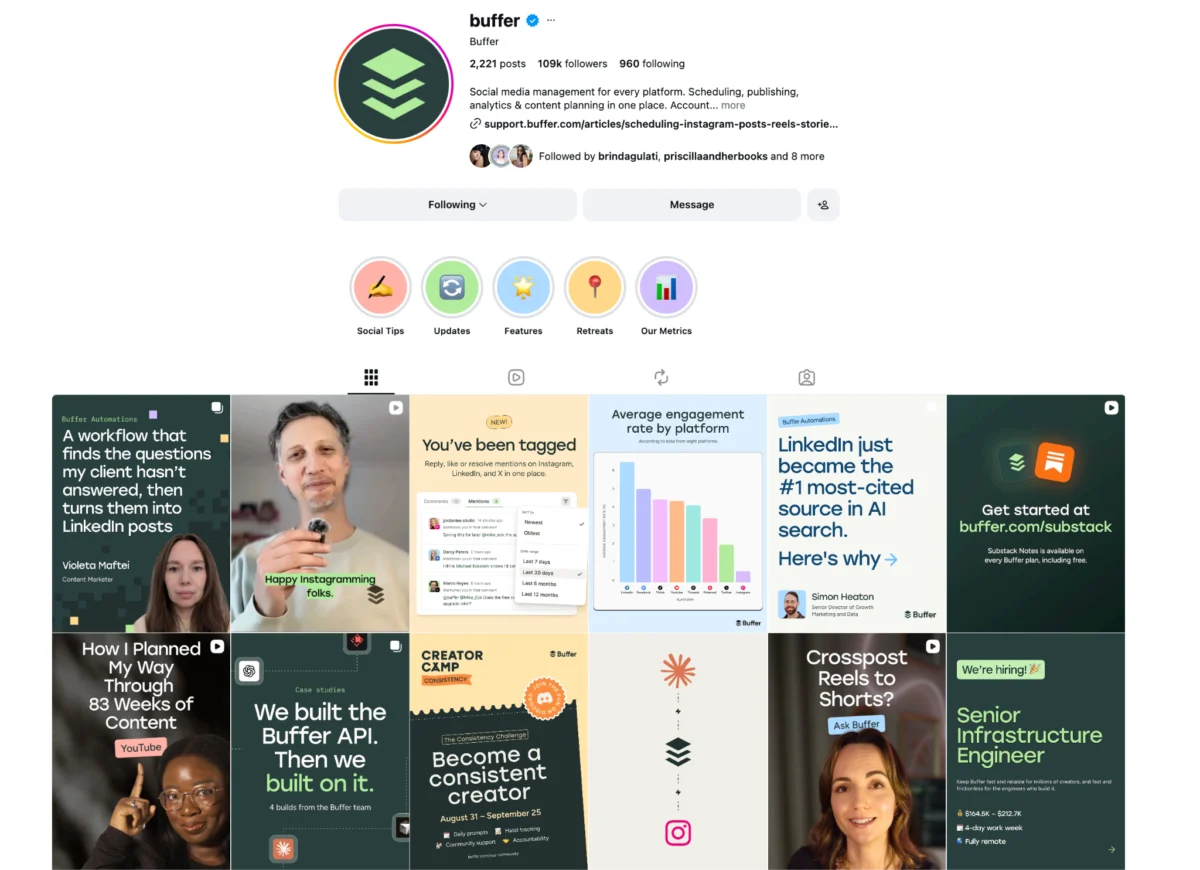
Instagram’s iconic blue verification badge, once an exclusive symbol reserved for public figures and global brands, has undergone a significant transformation, evolving from a pure mark of notability into a dual system that also embraces a paid subscription model. This strategic pivot by Meta, Instagram’s parent company, reflects a broader industry trend towards monetizing platform features while simultaneously aiming to bolster user trust, combat impersonation, and provide enhanced support for its vast ecosystem of creators and businesses. While the blue checkmark retains its allure as a status symbol, its accessibility has expanded, driven by practical considerations for both users seeking reliable information and account holders striving for enhanced credibility and protection.
The verification badge fundamentally serves as an affirmation that an Instagram account genuinely belongs to the person, brand, or entity it claims to represent. Historically, this badge signified that Instagram had independently confirmed the account’s authenticity and its representation of a well-known, highly searched-for public figure, influencer, or organization. This traditional, free pathway to verification remains available for those who meet stringent notability criteria. However, the introduction of Meta Verified marks a new era, offering a subscription-based route that democratizes access to the coveted blue badge, alongside a suite of additional benefits, for a monthly fee. This dual approach necessitates a clear understanding of each pathway’s distinct requirements, advantages, and implications for digital identity on one of the world’s most influential social media platforms.

A Brief History of Social Media Verification and Meta’s Strategic Shift
The concept of verification on social media platforms gained prominence in the late 2000s and early 2010s, initially championed by platforms like Twitter (now X). The blue checkmark emerged as a crucial tool to authenticate the identities of public figures—celebrities, politicians, journalists, and major brands—thereby preventing impersonation and the spread of misinformation. In an increasingly interconnected digital world, where fake accounts could swiftly disseminate false narratives or exploit fanbases, verification became an indispensable mechanism for distinguishing legitimate voices from fraudulent ones. Instagram, following suit, adopted its own verification system, applying similar criteria centered on authenticity and public notability. For years, the process was largely opaque, and the badge remained a coveted, often elusive, status symbol, reinforcing the idea of a digital elite.
However, the landscape of social media evolved dramatically. The rise of the creator economy, the proliferation of small businesses leveraging platforms for marketing, and the escalating challenge of digital fraud and impersonation presented new pressures and opportunities for Meta. The traditional, manually reviewed notability-based system, while effective for high-profile cases, was resource-intensive and often inaccessible to burgeoning creators or local businesses who, despite their growing influence, might not meet conventional media notability benchmarks.
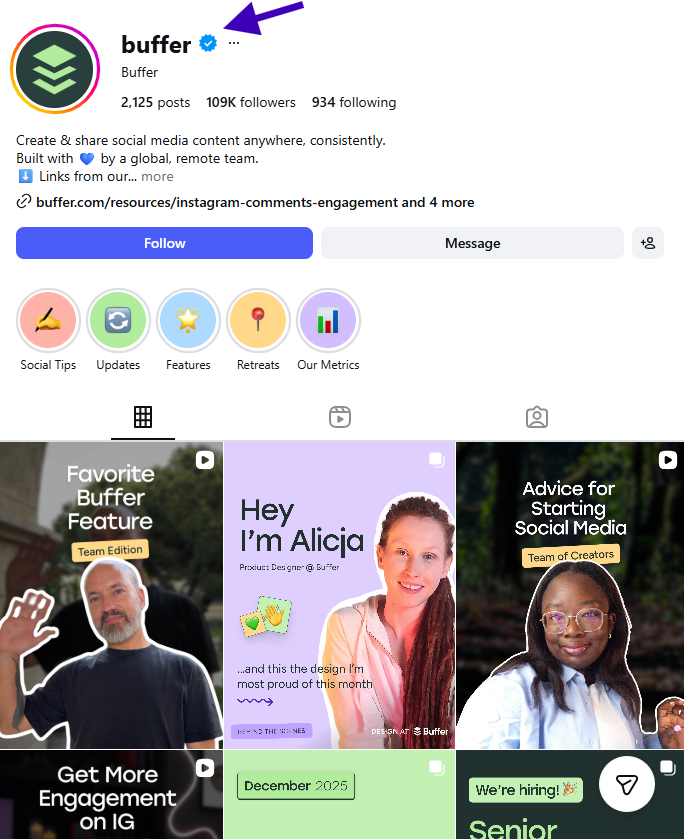
In February 2023, Meta unveiled "Meta Verified," initially rolling it out in Australia and New Zealand, with a subsequent global expansion. This move was a direct response to these evolving dynamics, mirroring similar initiatives by other platforms like Twitter Blue (now X Premium). Meta’s stated objective for Meta Verified was multi-faceted: to help emerging creators grow their presence, to provide more robust account protection against impersonation, and to offer proactive customer support, all while creating a new revenue stream for the company. The introduction of a paid tier fundamentally altered the perception and utility of the blue badge, transforming it from an exclusive editorial endorsement to a purchasable service package. This shift sparked considerable debate within the digital community regarding the potential "devaluation" of the badge versus its new role in enhancing platform integrity and user experience for a broader audience. Industry analysts noted that while the move could generate significant revenue for Meta, the challenge would be to maintain the perceived value of the verification badge across both its free and paid iterations.
Understanding the Two Paths to Instagram Verification
Instagram now offers two distinct avenues to obtain the blue verification badge, each catering to different needs and eligibility criteria:
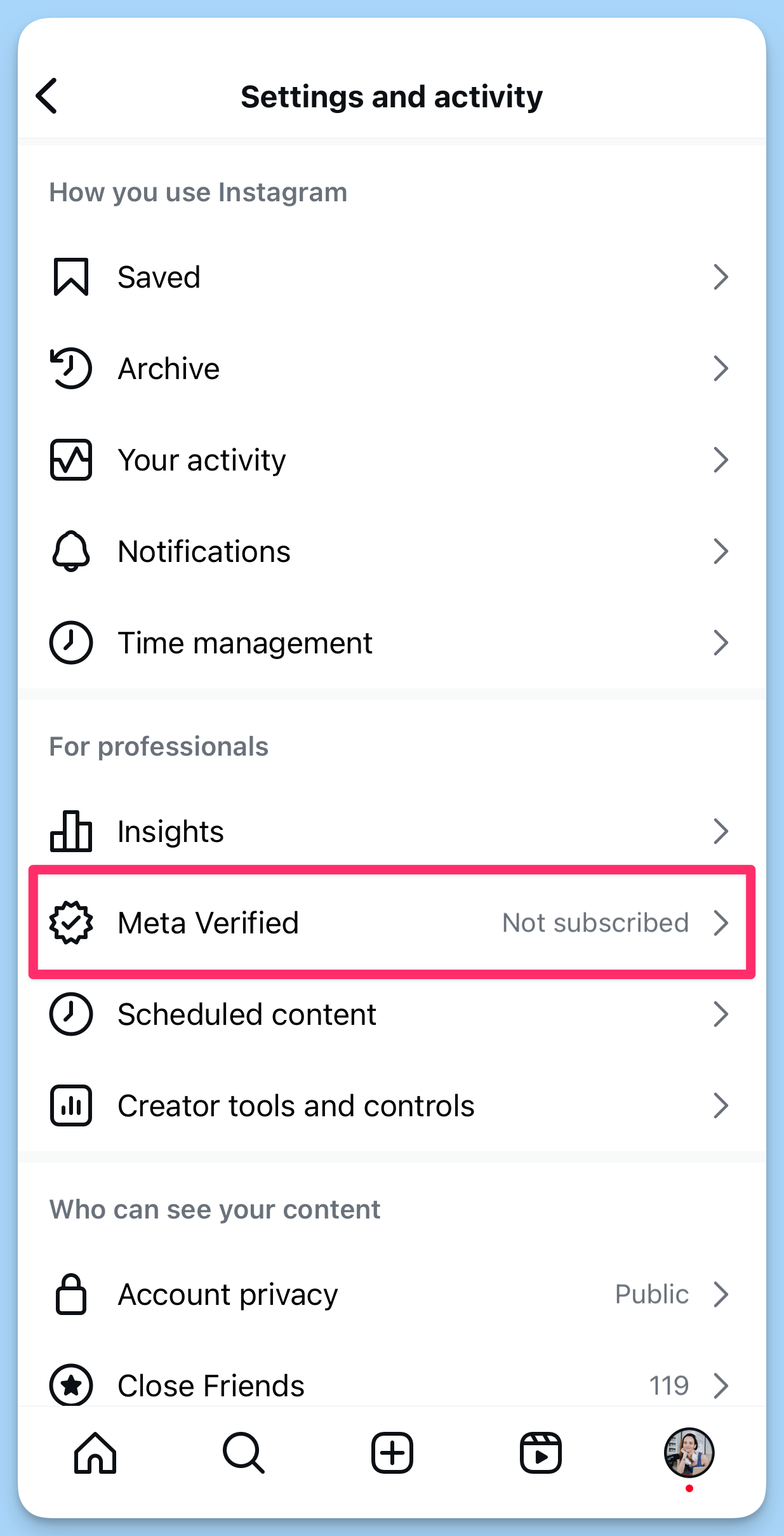
1. Meta Verified: The Subscription-Based Route
The Meta Verified subscription offers a streamlined and more accessible path to verification for individual creators and businesses. Priced at $14.99 per month (with regional variations and potential price adjustments), this service package aims to provide a host of benefits beyond just the blue checkmark.
Eligibility Requirements for Meta Verified:
To subscribe to Meta Verified, users must meet specific foundational criteria designed to ensure basic authenticity and platform adherence:
- Age: Be at least 18 years old.
- Profile Type: Possess a public or private profile that represents a real person or business. For individuals, this means a profile with their full name matching their government ID.
- Profile Picture: Have a profile picture that includes their face (for individuals) or an official logo (for businesses).
- Posting History: Maintain a history of prior posts, demonstrating active engagement on the platform.
- Two-Factor Authentication (2FA): Have 2FA enabled on their account for enhanced security, a critical step in modern cybersecurity practices.
- Government ID Verification: Submit a valid government-issued photo ID that matches the name and photo on their Instagram profile. For businesses, official business documentation may be required, verifying the legitimacy of the entity.
- Adherence to Community Guidelines: Comply with Instagram’s Terms of Use and Community Guidelines, with no history of violations, ensuring a baseline level of responsible platform conduct.
Key Benefits of Meta Verified:
Beyond the blue badge itself, Meta Verified subscribers gain access to several practical advantages:
- Enhanced Impersonation Protection: This is a cornerstone benefit, particularly in an era rife with digital fraud. Meta actively monitors for accounts attempting to impersonate subscribers, offering proactive protection and expedited resolution processes for reported impersonations. This is particularly valuable for creators and businesses vulnerable to identity theft and brand dilution, where a single fake account can severely damage reputation and trust.
- 24/7 Direct Account Support: Subscribers receive access to a dedicated human support agent via email or chat for common account issues, technical problems, or content inquiries. This significantly reduces wait times and frustration often associated with general platform support, proving crucial for business continuity and timely problem-solving, which can be critical for creators reliant on their presence for income.
- Increased Visibility and Reach: While Meta clarifies that content quality remains paramount, Meta Verified is designed to offer increased visibility in certain areas like search, comments, and recommendations. This can be a significant advantage for emerging creators seeking to expand their audience and businesses looking to cut through the noise of a competitive digital landscape.
- Exclusive Stickers: Access to unique stickers for Instagram Stories and Reels, offering a subtle way to differentiate content and engage audiences with exclusive features.
- Upgraded Profile Features: Depending on the region and app, subscribers may access additional profile features, such as exclusive images on links or other customizable elements that enhance their digital storefront or personal brand presentation, providing more tools for creative expression and brand building.
Analysis of Meta Verified:
Meta Verified represents a strategic move to monetize verification while addressing genuine user pain points. For small businesses, individual creators, and influencers who might not qualify for traditional notability-based verification, it offers a tangible pathway to increased trust and practical support. The emphasis on impersonation protection and direct support highlights Meta’s recognition of the critical need for security and efficient problem-solving in a dynamic digital environment. However, critics argue that a paid verification system could dilute the badge’s inherent value as a mark of genuine public interest, potentially creating a two-tiered system where credibility can be purchased. Meta, however, consistently emphasizes that content quality and community engagement remain central to success, regardless of verification status, striving to maintain a balance between accessibility and authenticity.
2. Notable Verification: The Traditional, Free Route
The traditional pathway to Instagram verification remains free but is reserved for accounts that Instagram deems to be of significant public interest and notability. This route aligns with the original purpose of verification: to authenticate genuine public figures, global brands, and influential entities whose public presence warrants an official stamp of approval.
Eligibility Requirements for Notable Verification:
To qualify for the free, notability-based badge, an account must meet four core criteria:
- Authentic: The account must represent a real person, registered business, or entity. This means it cannot be a fan account, a parody, or a fictional entity.
- Unique: It must be the sole presence of the person or business it represents. Exceptions are made for language-specific accounts, but generally, only one account per individual/entity can be verified under this criterion.
- Complete: The profile must be public (not private), have a profile picture, a comprehensive bio, and at least one post. This ensures the account is actively used and publicly identifiable.
- Notable: This is the most challenging criterion. The account must represent a "well-known, highly searched-for person or entity." Instagram reviews accounts that are featured in multiple news sources, and crucially, paid or promotional content does not count towards notability. This implies significant organic media coverage, public recognition, and widespread search interest across various reputable media platforms, such as major news publications, magazines, or established online media.
The Application Process for Notable Verification:
Unlike Meta Verified, which is a subscription, notable verification requires an application and Instagram’s independent review:
- Meet Standard Best Practices: Ensure your account is authentic, unique, complete, and public, as outlined above. Maintain active engagement and adherence to community guidelines. A well-maintained, active account signals legitimacy and commitment to the platform.
- Prove Notability: This step is crucial and often the most difficult. Accumulate evidence of your notability. This typically involves securing mentions in multiple, reputable news outlets, media features, or significant public recognition. Instagram looks for organic coverage, not sponsored content, which underscores the importance of genuine public interest.
- Submit an Application:
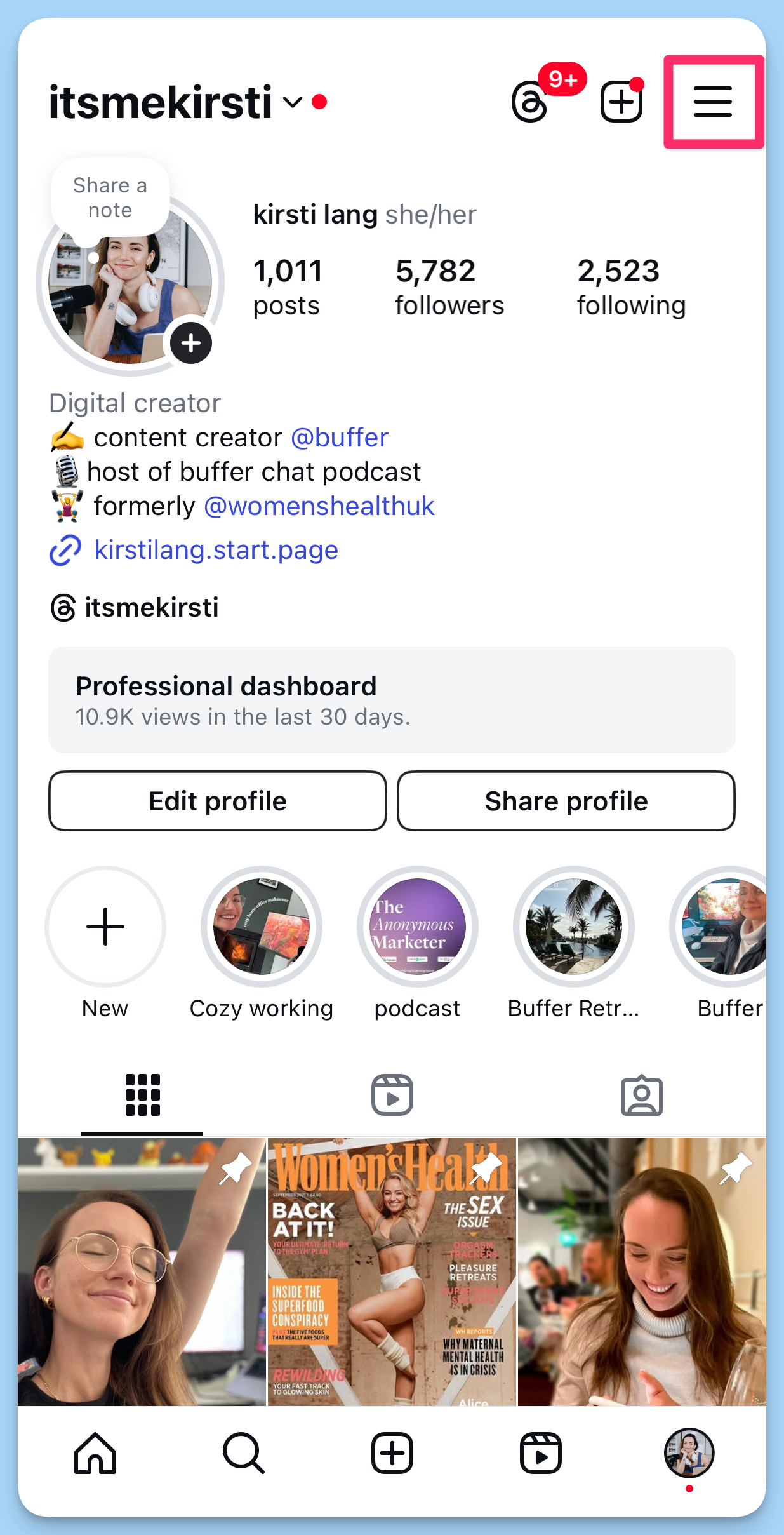
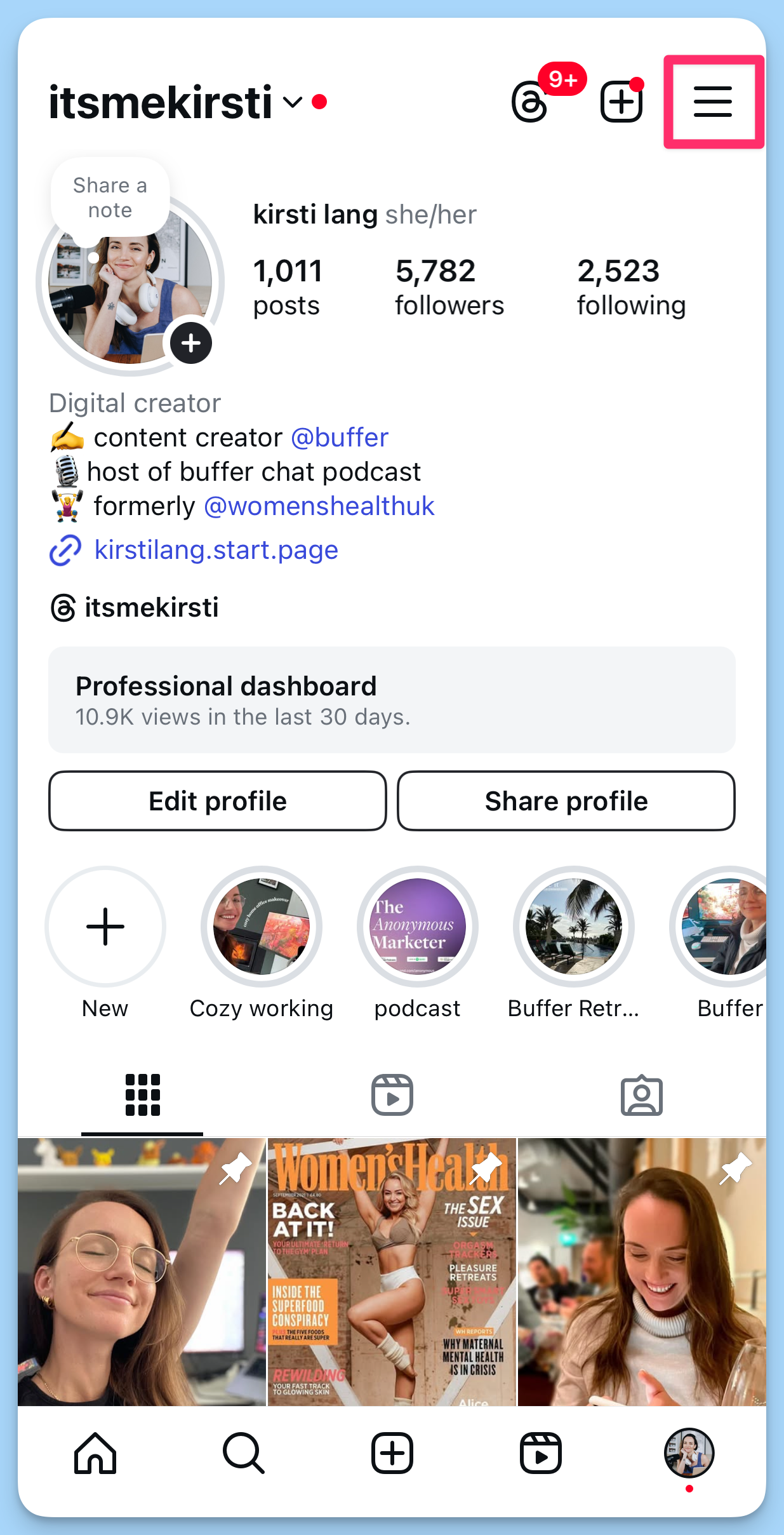
- Navigate to your Instagram profile.
- Tap the menu icon (three lines) in the top right corner.
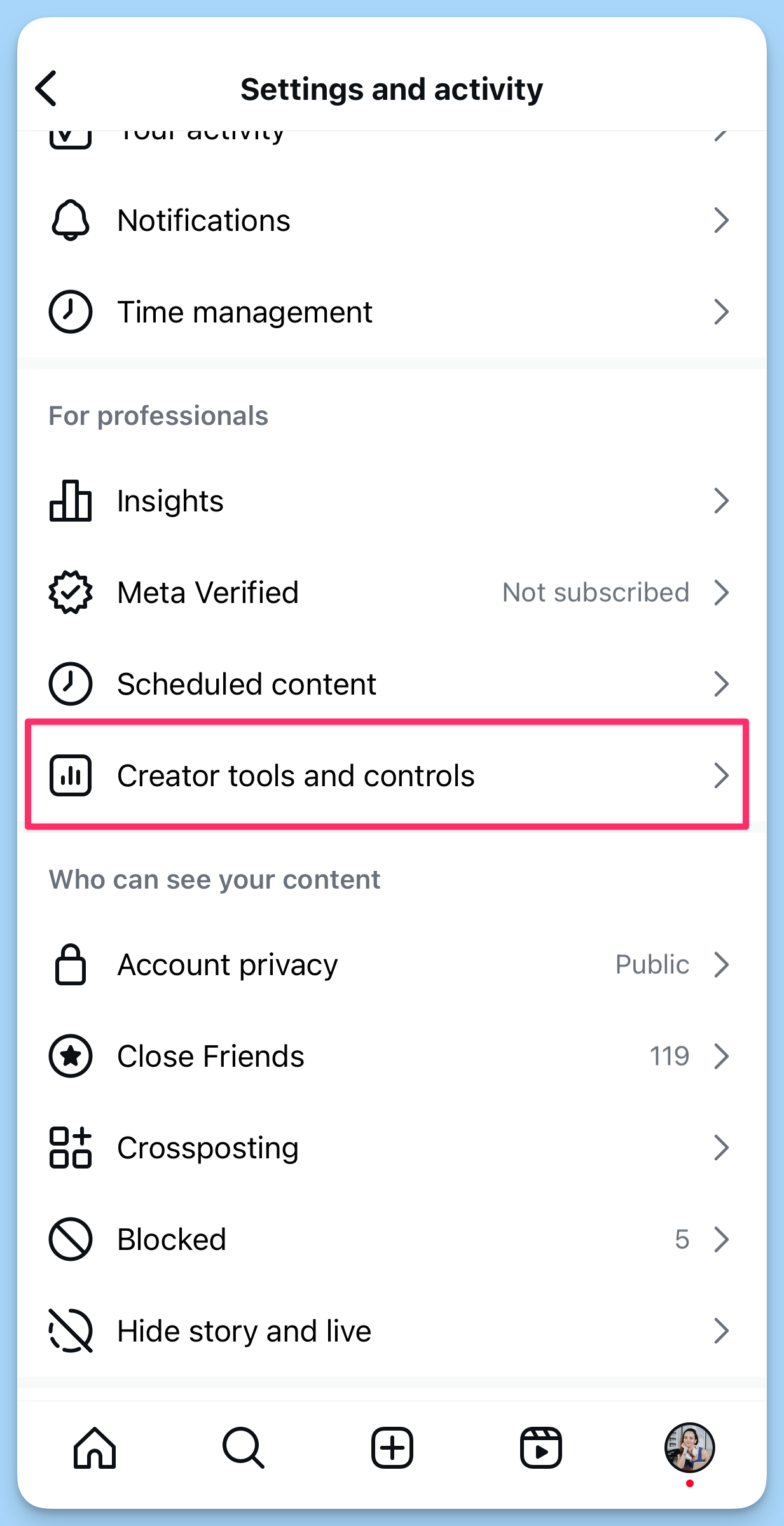
- Go to "Settings and privacy."
- Select "Account Type and Tools."
- Choose "Request Verification."
- Fill out the application form, providing your full name, professional category (e.g., journalist, musician, sports personality, business), and a government-issued photo ID.
- Crucially, provide links to articles, social media accounts, or other relevant sources that demonstrate your notability. These links should be from reputable publications and clearly show your public profile and recognition. Instagram allows applicants to submit up to five links to support their notability claim.
Timeline and Reapplication:
Instagram typically notifies applicants within 30 days regarding the