In an increasingly digitized landscape where consumer attention is fragmented across numerous platforms, the strategic management of social media has evolved from a tactical advantage into a foundational requirement for sustained digital presence. The sheer volume of content necessary to maintain visibility, coupled with the inherent friction of manual posting across disparate applications, has catalyzed the widespread adoption of social media scheduling tools. These sophisticated platforms empower creators, marketers, and businesses of all sizes to streamline their content workflows, ensure consistent engagement, and liberate valuable time for higher-level strategic initiatives.
The Evolution of Social Media Management: From Manual Posts to Strategic Automation
The early days of social media saw brands and individuals manually publishing content, a labor-intensive process that became unsustainable as the number of platforms and the demand for continuous engagement grew. As social media matured into a critical marketing channel, the need for efficiency became paramount. This necessity spurred the development of specialized software designed to centralize content creation, scheduling, and analysis.
The late 2000s and early 2010s marked the emergence of the first generation of social media management tools, primarily offering basic scheduling functionalities. Over time, these platforms have evolved dramatically, integrating advanced features like content calendars, analytics, collaboration workflows, and even AI-driven assistance. This evolution reflects a broader industry shift towards data-driven strategies and the recognition that consistency is a cornerstone of audience growth and brand loyalty. Industry reports consistently highlight that businesses leveraging social media management tools report significant time savings, often upwards of several hours per week, which can be reallocated to strategy development, community engagement, or content refinement. The global social media management software market is projected to continue its robust growth, underscoring the indispensable role these tools play in modern digital marketing.
Defining the Modern Social Media Scheduling Tool
At its core, a social media scheduling tool is an application or dashboard that enables users to pre-plan and automate the publication of social media posts. This functionality allows content to go live precisely at chosen dates and times, eliminating the need for real-time manual intervention. This capability is particularly invaluable for entities managing multiple social channels, allowing them to populate a single queue that the software then distributes across various platforms.

This shift from reactive, last-minute posting to proactive, planned content delivery facilitates a strategic focus on broader objectives rather than repetitive administrative tasks. For creators, small businesses, and social media marketers, schedulers are not merely conveniences but strategic assets that conserve time, ensure brand consistency, and create essential "breathing room" in demanding daily schedules.
Essential Features for Effective Social Media Management
While the market offers a diverse array of scheduling tools, certain features have become industry benchmarks for their ability to significantly enhance workflow and strategic execution. Prospective users are advised to prioritize these functionalities based on their specific operational needs, team structure, and growth aspirations.
-
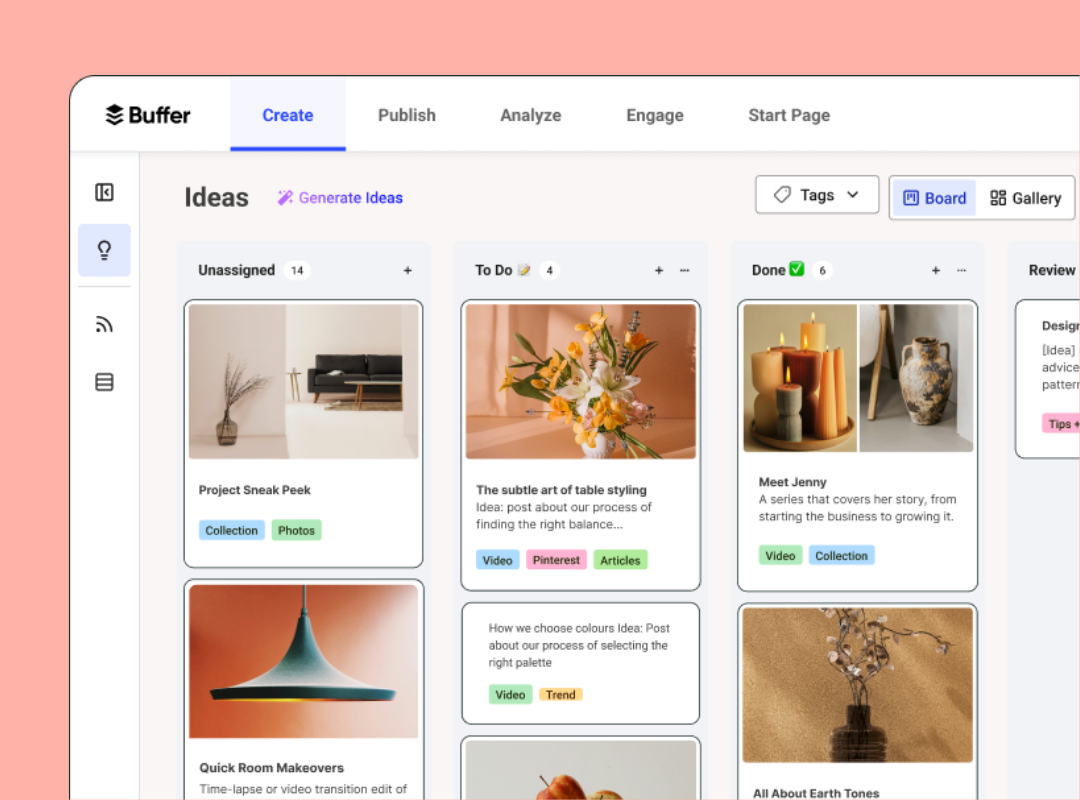
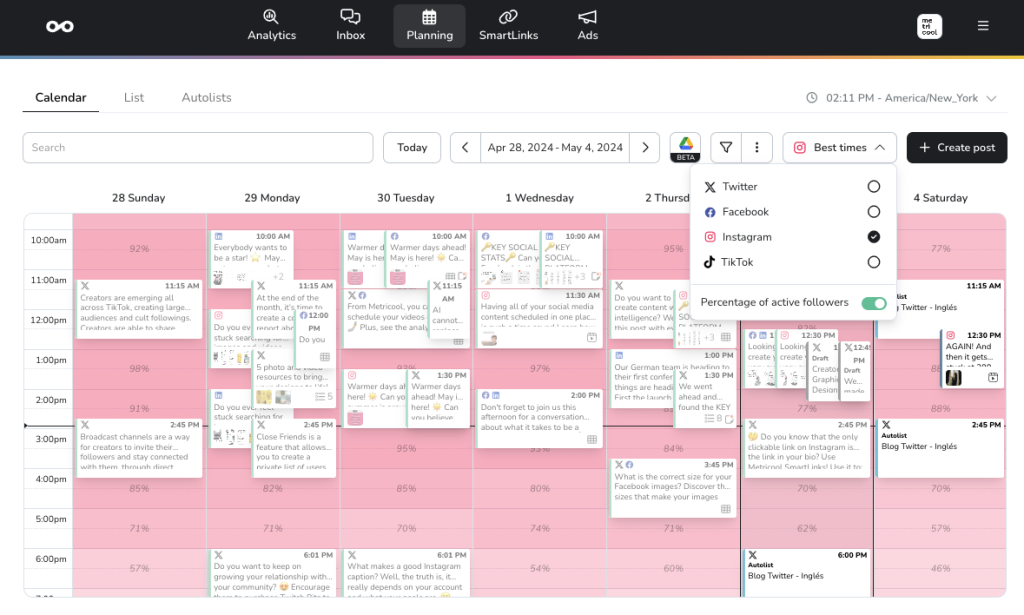
Content Calendar and Post Planner: A visually intuitive drag-and-drop calendar provides a comprehensive overview of all scheduled content. This bird’s-eye perspective is crucial for identifying content gaps, balancing platform-specific narratives, and swiftly adjusting publication times in response to evolving trends or business priorities. The integrated post planner serves as a central repository for content ideas, allowing them to be developed, refined, and assigned to specific dates, platforms, and captions before final scheduling. This feature aids in maintaining a cohesive brand voice and visual aesthetic across all digital touchpoints.
-
Bulk Scheduling and Approval Workflows: For content creators and marketing teams that operate on a batching methodology, the ability to schedule multiple posts simultaneously is a game-changer. This often involves bulk uploading content via CSV files or folders of assets, assigning dates, and initiating the scheduling process. For teams or agencies collaborating with clients, layered approval workflows—typically progressing from "draft" to "review" to "publish"—are indispensable. These structured processes prevent miscommunications, ensure brand compliance, and eliminate last-minute crises, fostering a more organized and accountable content pipeline.
-
Unified Inbox and Collaboration Features: Effective community management across multiple platforms can be a significant time sink. A unified social inbox aggregates direct messages, comments, and mentions from all connected profiles into a single, manageable interface. This centralization streamlines customer service and engagement efforts. Furthermore, robust collaboration features, including shared drafts, internal notes, and granular role permissions, enable seamless teamwork. These features minimize reliance on external communication channels like email or Slack, fostering a more efficient and integrated team environment.
-
Media Library and Mobile Support: A well-organized, searchable media library is critical for maintaining brand consistency and efficiency. It serves as a central hub for storing brand assets, user-generated content, and evergreen graphics, eliminating the need to repeatedly search for files. In an era of mobile-first consumption and creation, comprehensive mobile support is equally vital. Leading scheduling tools offer mobile applications that mirror most desktop functionalities, allowing users to schedule, edit, or monitor posts on the go, ensuring flexibility and responsiveness.
-
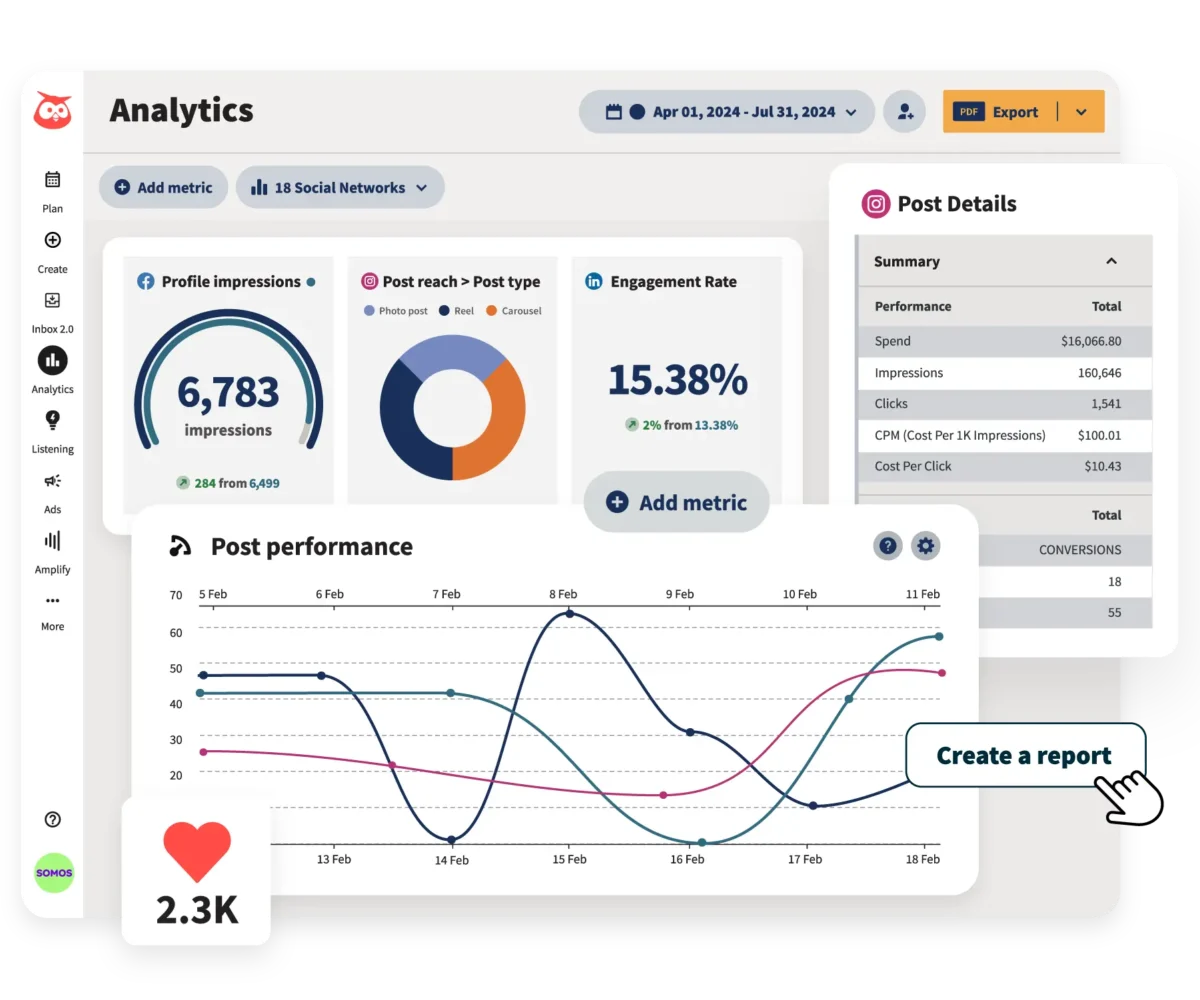
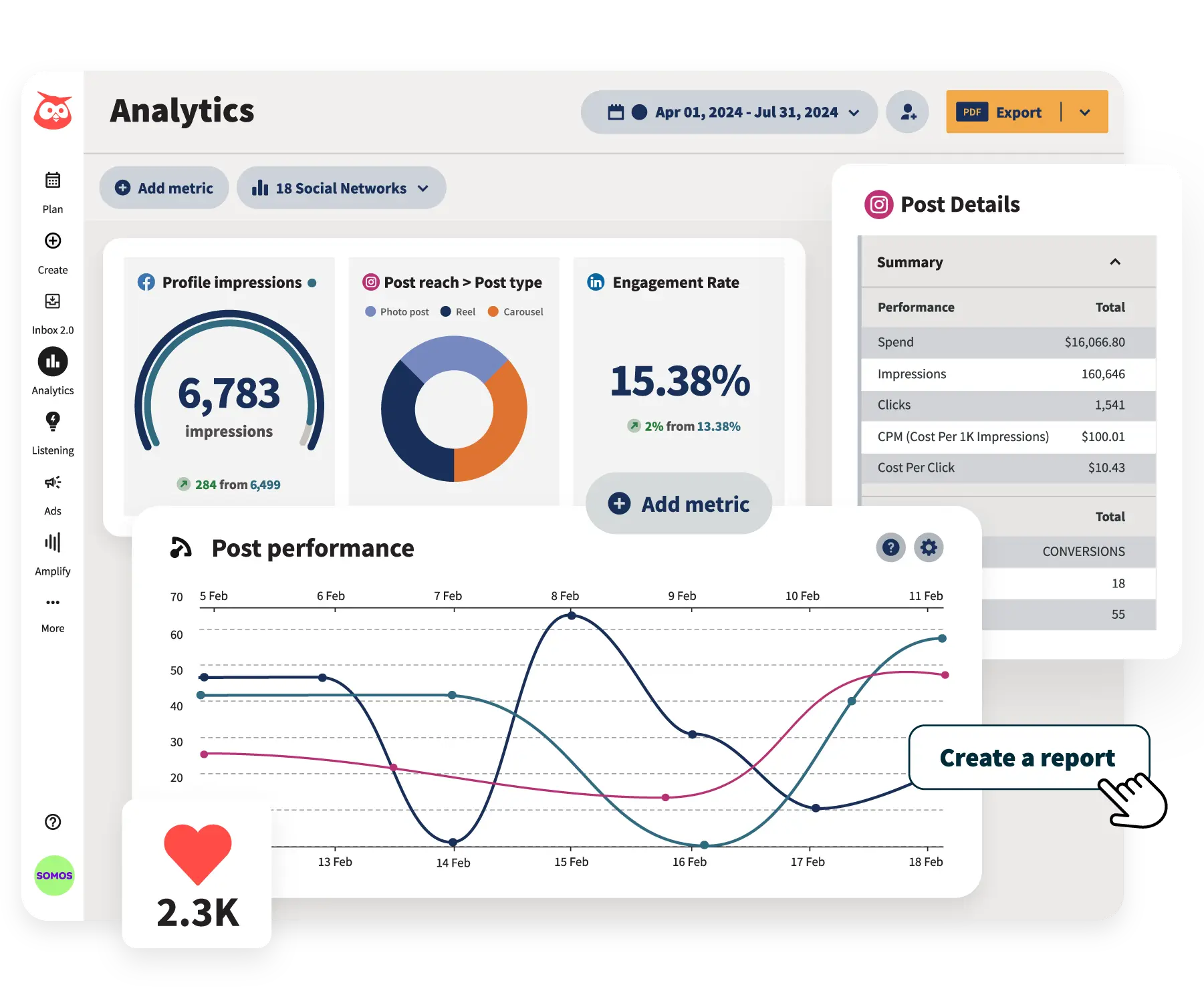
Social Media Analytics and Performance Tracking: Scheduling is merely the initial step; understanding content performance is crucial for iterative improvement and strategic refinement. Integrated social media analytics provide actionable insights into key metrics such as reach, engagement rates, and click-throughs. This data-driven approach allows marketers to identify top-performing content, double down on successful strategies, and retire underperforming campaigns. The emergence of smart AI helpers, while not replacing strategic thinking, further augments these capabilities by automating administrative tasks and suggesting optimizations, thereby shaving valuable hours off the content management process.
By focusing on these five core areas, organizations can select a scheduling solution that not only meets their current needs but also scales effectively with their growth, whether managing a single brand or a complex portfolio of client accounts.
In-Depth Review of Leading Social Media Scheduling Tools
The market offers a robust selection of social media scheduling tools, each with unique strengths tailored to different user profiles and operational scales. A careful evaluation of these options is crucial for making an informed decision.
| Tool | Best for | Starting price | Free plan | Content calendar | Bulk scheduling | Approval workflows |
|---|---|---|---|---|---|---|
| Buffer | Creators and small teams | $5 /mo per channel | Yes | Yes | Yes | Yes |
| Sprout Social | Enterprise brands and agencies | $199 /mo per seat | No | Yes | Yes | Yes |
| Later | Visual-first IG/TikTok planners | $18.75 /mo | Yes | Yes | No | Yes |
| Hootsuite | Cross-platform scheduling at scale | $199 /mo (Standard) | No | Yes | Yes | Yes |
| SocialBee | Evergreen and curated queues | $24 /mo | No | Yes | Yes | Yes |
| Metricool | Data-driven marketers | $18 /mo (Starter) | Yes | Yes | Yes | Yes |
| Planable | Client approvals and visual collaboration | $33 /mo per workspace | Yes | Yes | No | Yes |
Note: Pricing and feature sets are subject to rapid change. Users are strongly advised to verify details directly on each provider’s website before making purchasing decisions.
Buffer: The Creator’s Ally for Consistent, Stress-Free Engagement
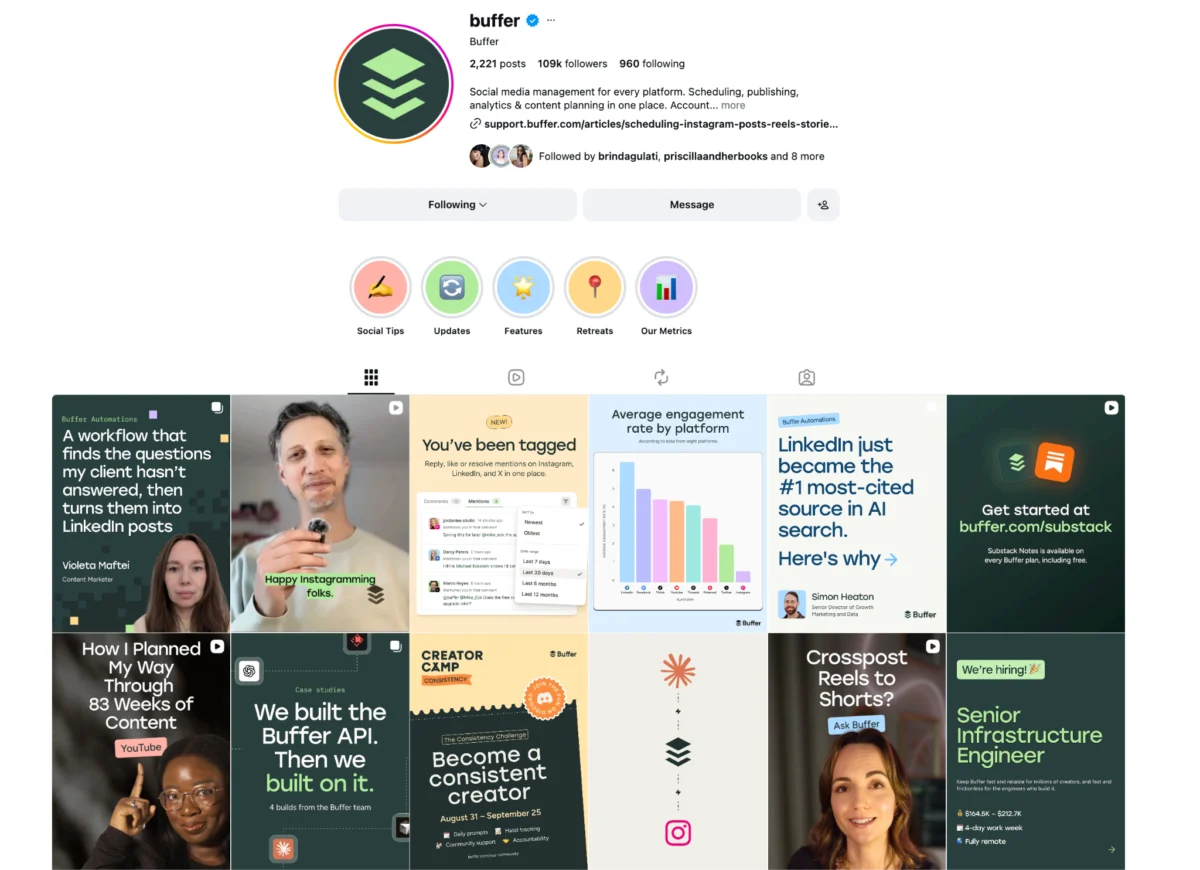
Buffer stands out for its user-friendly interface and commitment to simplifying social media management for individual creators, consultants, and small businesses. Its design philosophy prioritizes ease of use without sacrificing essential functionalities. For content creators maintaining a strong presence on platforms like LinkedIn, Buffer provides a dependable framework for organization and consistency. The platform is known for its responsive development, frequently incorporating features based on direct user feedback from the creator community.
Key features include a streamlined content planner, customizable publishing schedules, and comprehensive analytics that track engagement and reach. Buffer’s mobile application mirrors its desktop experience, offering full functionality for on-the-go content management. It integrates seamlessly with major social networks, allowing for efficient cross-platform publishing. Buffer distinguishes itself by offering a robust free plan for up to three channels, making it an accessible entry point for new creators and small teams. Its focus remains on core scheduling, analytics, and collaborative tools, avoiding feature bloat to deliver a focused and efficient user experience.
Sprout Social: Enterprise-Grade Solutions for Comprehensive Social Management
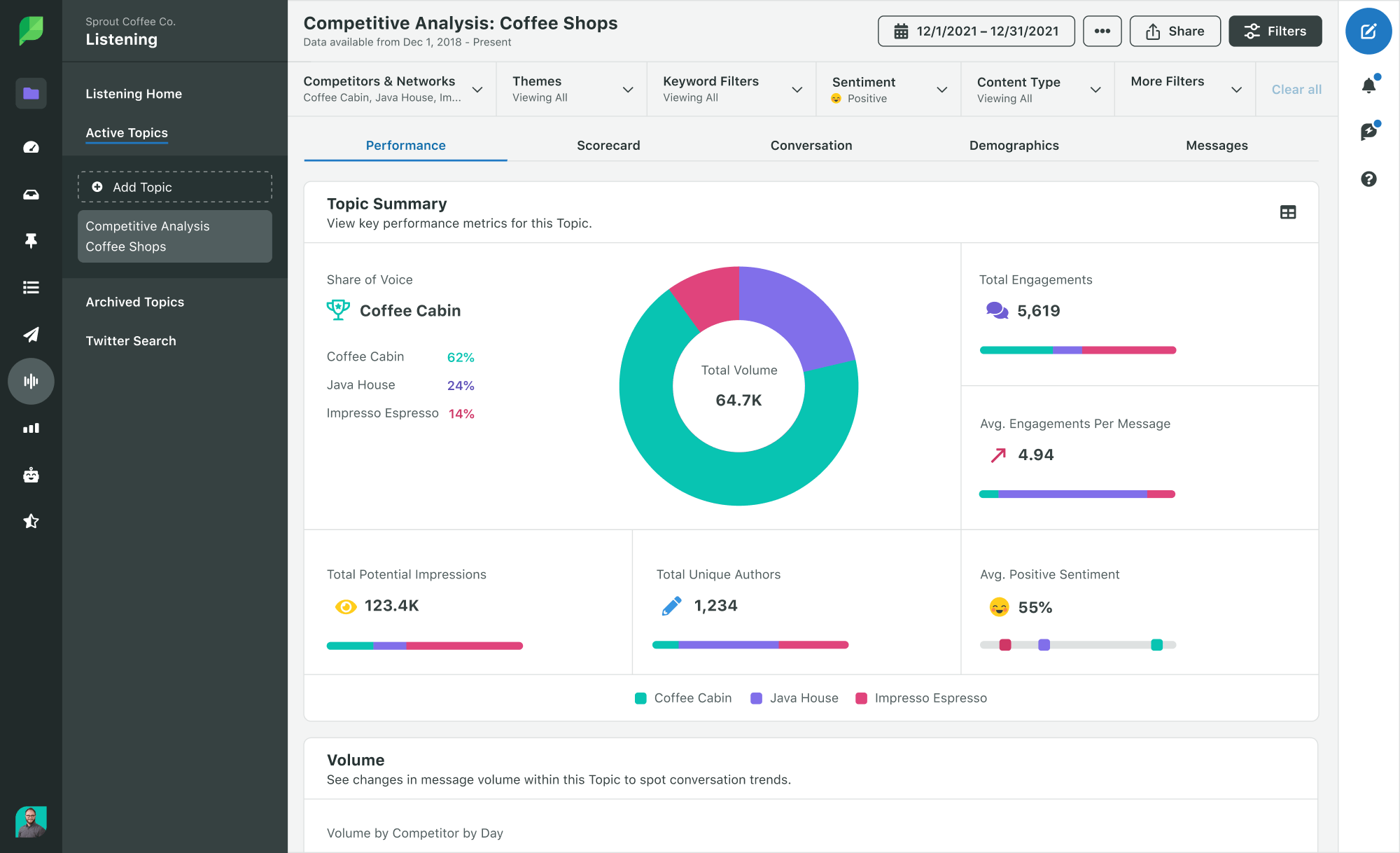
Sprout Social is positioned as an enterprise-grade social media management tool, catering primarily to large brands and agencies that require sophisticated capabilities for publishing, listening, engagement, and deep analytics. While it comes with a premium price point, the investment is often justified by the unparalleled visibility, control, and robust reporting it offers across multiple accounts and stakeholder groups.
Its comprehensive suite includes advanced social listening tools, allowing brands to monitor conversations, track sentiment, and identify emerging trends. The platform also offers extensive reporting features, including custom reports and competitive analysis, providing invaluable insights for refining social strategy. Sprout Social supports complex approval workflows and team collaboration, essential for large organizations with multiple layers of review. It offers a 30-day trial but no permanent free plan, reflecting its target market of established businesses and agencies.
Later: The Visual Content Powerhouse for Instagram and TikTok
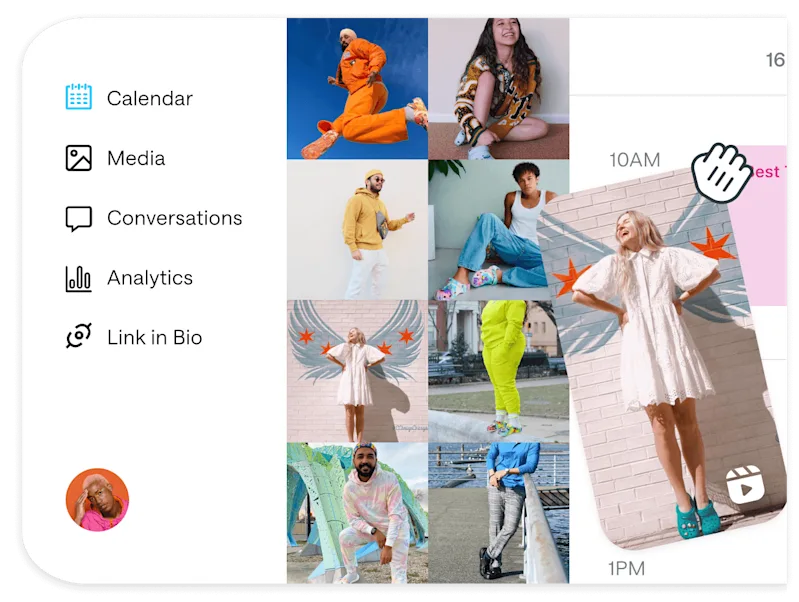
Originally conceived with Instagram at its core, Later has evolved into a premier choice for brands and creators who prioritize visual planning and aesthetic consistency across platforms like Instagram, TikTok, Pinterest, and YouTube. Its signature drag-and-drop content calendar allows users to preview their grid exactly as it will appear, ensuring a flawless visual narrative.
Later excels in features tailored for visual content, including a robust media library, direct publishing for Instagram reels and stories, and comprehensive analytics for visual platforms. While it offers a free plan with limited monthly posts, its strength lies in its paid tiers that unlock advanced visual planning and analytical capabilities. It offers a focused social inbox for Instagram, Facebook, and TikTok, but larger teams requiring broader collaboration features might find it less comprehensive than other tools.
Hootsuite: Orchestrating Cross-Platform Content at Scale
Hootsuite, one of the pioneering social media schedulers, remains a powerful solution for managing multiple social profiles from a single dashboard. Its interface, characterized by streams and tabs, offers extensive control over content, though new users might find the initial learning curve steeper due to its dense layout.
Hootsuite is renowned for its wide array of integrations, allowing it to connect with a vast ecosystem of social networks and third-party applications. It supports comprehensive social listening, competitor analysis, and robust analytics for measuring campaign performance across all connected channels. While historically offering a free plan, as of 2025, Hootsuite has transitioned to a paid-only model, with plans starting at $199 per month, though a 30-day trial is available. This pricing strategy firmly places it in the realm of larger teams and enterprises requiring extensive scale and functionality.
SocialBee: Automating Evergreen Content for Consistent Presence
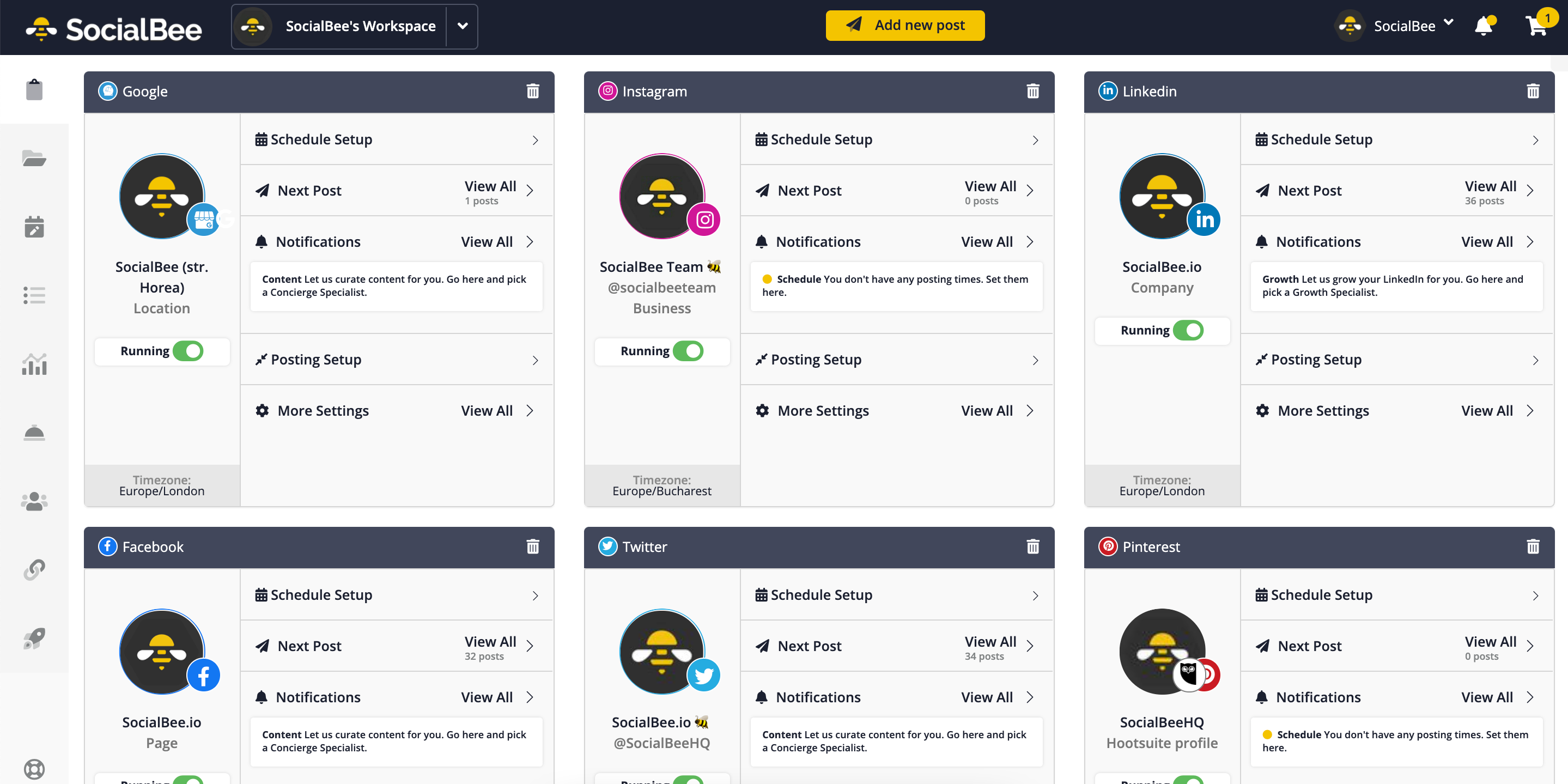
SocialBee is an excellent choice for strategies heavily reliant on evergreen content—tips, testimonials, curated articles, and frequently asked questions—that can be repurposed and recycled over time. Its unique category-based engine allows users to group updates into thematic categories (e.g., "Tips," "Case Studies," "Promos") and define cadence rules for each category. This intelligent automation ensures a balanced and continuous social media presence without the constant demand for new content.
The platform offers content recycling features, allowing posts to be re-added to the queue after a set period, maximizing the lifespan of valuable content. SocialBee also provides robust scheduling options, audience engagement tools, and basic analytics. While its interface might not be as visually modern as some newer tools, its strength lies in its powerful automation capabilities, making it ideal for solo marketers, coaches, and consultants focused on maintaining a consistent stream of valuable, reusable content. SocialBee does not offer a free plan but provides a 14-day free trial.
Metricool: Data-Driven Scheduling for Performance Optimization
Metricool distinguishes itself by tightly integrating scheduling with powerful real-time analytics and competitive insights, making it a favorite among data-driven marketers. It supports a broad spectrum of major social networks and enhances its scheduling capabilities with robust data visualization.
Its standout features include a comprehensive real-time analytics dashboard that provides immediate insights into content performance across all platforms. Metricool offers competitor analysis, allowing users to benchmark their performance against rivals, and a hashtag suggestions tool to optimize reach. Its AI capabilities assist in repurposing content and generating post ideas. The free tier, which allows for 20 posts per month, is generous for testing purposes, while its Starter plan at approximately $18 per month offers expanded functionality, making it a cost-effective solution for marketers focused on performance and optimization.
Planable: Streamlined Collaboration and Client Approvals
Planable is meticulously designed for agencies, freelancers, and in-house teams where client feedback and rapid approvals are critical to the workflow. It transforms the often-cumbersome approval process into a seamless, real-time conversation. Its feed-style interface provides an exact preview of how posts will appear on each network, enabling clients and team members to comment, react, and provide approvals directly within the platform, eliminating the need for endless PDF exchanges or email chains.
Key features include multi-level approval workflows, version control, and a dedicated workspace for each client or project. Planable excels in visual collaboration, allowing teams to iterate on content efficiently. While its primary focus is on planning and approvals, users needing deeper reporting or engagement tracking might consider pairing it with another social media management tool. Planable offers a free plan limited to 50 posts, providing ample opportunity to test its collaborative strengths.
Strategic Selection: Choosing the Right Scheduling Partner
Navigating the multitude of scheduling tools requires a structured approach. The objective is not to identify the most feature-rich option but rather the one that most precisely aligns with an organization’s unique workflow, strategic objectives, and preferred platforms. The following framework offers a practical guide for making an informed decision:
-
Evaluate Your Posting Routine:
- Frequency: Do you publish content daily, or do you prefer to batch content creation weekly or monthly?
- Scope: Is your focus on a single dominant platform, or do you require robust cross-platform publishing capabilities?
- Content Type: Do you primarily share evergreen content, time-sensitive news, or a mix? Tools like SocialBee excel with evergreen content, while others prioritize immediate engagement.
-
Assess Your Team Dynamics:
- Solo Creator: A simpler, intuitive tool with strong individual scheduling and analytics might suffice.
- Small Team: Look for features like shared drafts, internal notes, and basic role permissions to facilitate smooth collaboration.
- Large Agency/Enterprise: Demand sophisticated approval workflows, granular permissions, comprehensive reporting, and potentially white-label options for client presentations.
-
Match the Tool to Your Platforms:
- Platform Support: Verify that the tool natively supports all your current and anticipated social media channels (e.g., Instagram, TikTok, LinkedIn, Facebook, X, Pinterest, Google Business Profile).
- Platform-Specific Features: Some tools offer specialized features for platforms like Instagram (grid preview in Later) or LinkedIn (detailed analytics in Buffer).
- Future Growth: Even if current needs are limited, select a tool that can scale to accommodate expansion into new social media platforms without requiring a complete migration.
-
Look Beyond Core Publishing:
- Engagement Management: Does the tool offer a unified inbox for DMs, comments, and mentions?
- Analytics and Reporting: Are the built-in analytics sufficient for tracking key performance indicators and refining strategy?
- Social Listening: Does it offer capabilities to monitor brand mentions, keywords, and industry trends?
- Content Curation/AI: Can it assist with discovering relevant content or generating post ideas?
-
Scrutinize the Pricing Model:
- Cost Structure: Is pricing based on the number of social profiles, users (seats), or workspaces?
- Scalability: How do costs escalate as you add more channels or team members?
- Value for Money: Does the feature set justify the price point for your specific use case?
- Free Tiers/Trials: Leverage free plans and trials to thoroughly test a tool’s suitability before committing financially, regardless of your experience level.
Beyond Automation: The Strategic Imperative of Scheduling
Social media scheduling tools transcend mere tactical advantage; they are strategic enablers. By systematically removing the daily pressure of manual posting, these platforms create invaluable space for strategic thinking, fostering the development of higher-quality content, and ensuring consistent brand presence even amidst demanding schedules.
The strategic benefits extend far beyond simply freeing up time:
- Enhanced Content Quality: With administrative tasks minimized, creators and marketers can dedicate more energy to research, ideation, and crafting compelling narratives.
- Data-Driven Optimization: The time saved can be reinvested in analyzing performance metrics, identifying audience insights, and refining content strategies for maximum impact.
- Strategic Consistency: Scheduling ensures that content is published regularly and at optimal times, reinforcing brand messaging and fostering predictable audience engagement.
- Improved Mental Well-being: Alleviating the constant pressure of real-time posting reduces stress and burnout, promoting a more sustainable and enjoyable approach to social media management.
The right scheduling tool transforms content creation from a daily drain into a renewable asset, working autonomously in the background while businesses and creators focus on core operations and personal priorities. For anyone seeking to maintain a consistent, impactful social media presence without succumbing to stress, embracing a scheduling tool is not merely an option but a strategic imperative. There is no universally "best" scheduler; the optimal choice hinges on individual needs, supported channels, desired features (e.g., drag-and-drop calendar, robust analytics), and budgetary considerations. Thorough testing of a few shortlisted options is always recommended.
Frequently Asked Questions (FAQ)
What is the best free social media scheduler?
Many platforms offer robust free tiers. Buffer is frequently cited as a strong contender for creators and small teams, offering free access for up to three channels with user-friendly scheduling and analytics. Metricool also provides a generous free plan, supporting up to 20 posts per month, making it suitable for testing its data-driven features.
What is the best content calendar tool?
A highly effective content calendar tool allows for drag-and-drop post management, color-coding for campaigns, and a unified view of all channels. Buffer’s built-in calendar is well-regarded for its intuitiveness and seamless synchronization across desktop and mobile devices, enabling flexible content adjustments from anywhere. Later also offers an exceptional visual calendar, particularly for Instagram-first strategies.
What is the best social media content planner?
The ideal content planner integrates scheduled posts with drafts and ideas, offering swift rescheduling capabilities and team collaboration notes. Buffer incorporates these features into its content planner, facilitating fluid content management without external spreadsheets. Planable excels in this area, especially for teams requiring visual collaboration and client approval workflows.
How do social media scheduling tools work?
Most scheduling tools follow a consistent operational workflow:
- Connect Social Accounts: Users link their various social media profiles (e.g., Facebook, Instagram, LinkedIn, X).
- Create Content: Users compose posts, attach media (images, videos), and write captions within the tool’s interface.
- Schedule Publication: Users specify the desired date and time for each post to go live.
- Automation: The tool automatically publishes the content to the designated platforms at the scheduled time.
- Monitor & Analyze: Users can track post performance and engagement through integrated analytics dashboards.
Tools like Buffer enhance this process with features such as post drafts, customizable queues, and mobile scheduling capabilities, simplifying content management significantly.
Is Hootsuite no longer free?
As of 2025, Hootsuite no longer offers a free plan. Its pricing tiers now begin at $199 per month, though a 30-day free trial is available for prospective users. For those seeking free or more cost-effective alternatives, Buffer and Metricool continue to provide generous free plans with substantial scheduling functionalities.