
 Indra Kusuma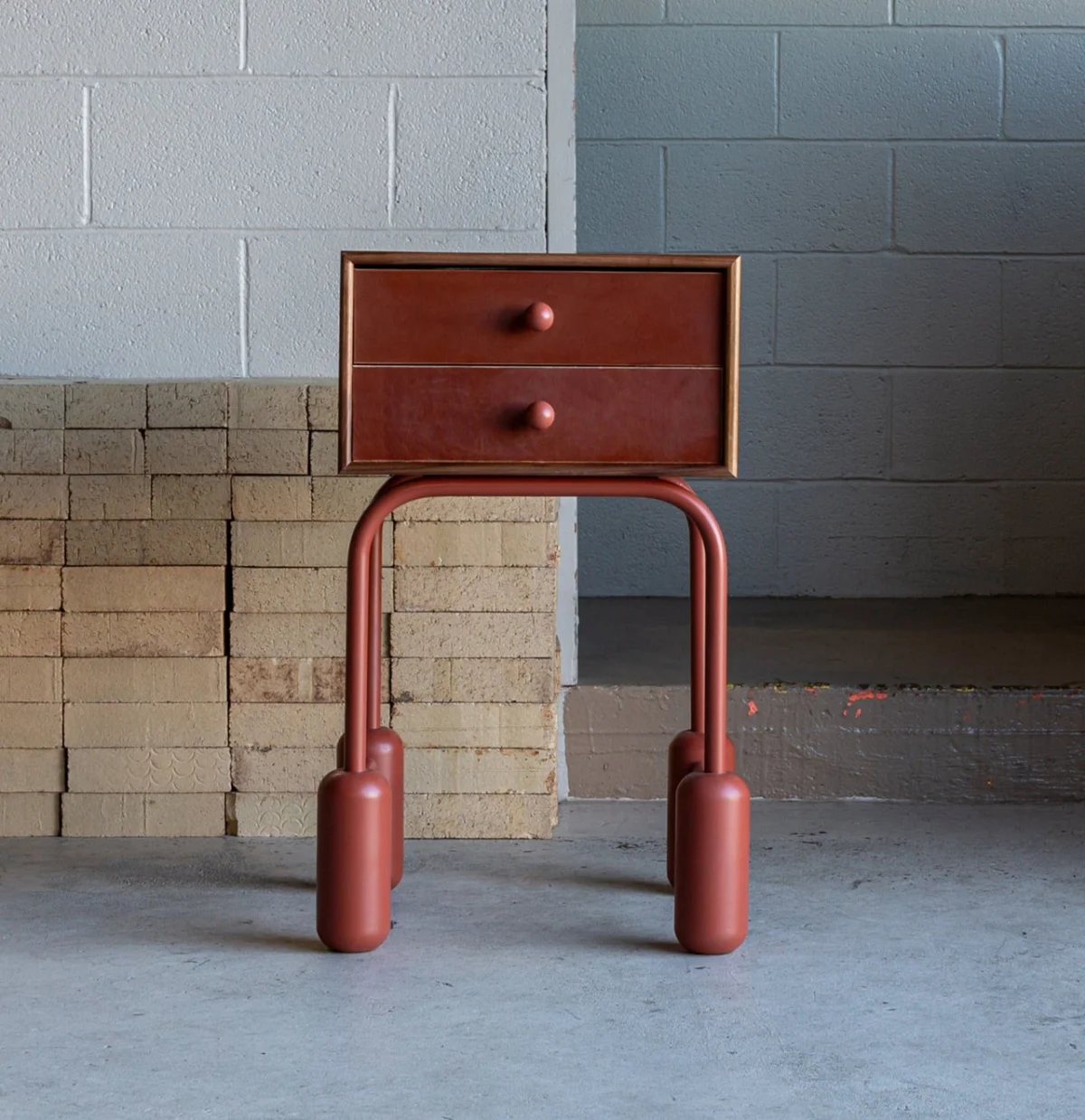
The pervasive understanding that quality sleep is fundamental to human health and overall well-being has driven a significant re-evaluation of the bedroom environment. Beyond merely providing a space for unconsciousness, contemporary design philosophy increasingly frames the bedroom as a sanctuary for restoration, where every element contributes to a holistic sense of calm and comfort. Central to this evolving perspective is the concept of "softness," not merely as a tactile attribute but as a broader design principle encompassing visual tranquility, ergonomic support, and sensory harmony. This shift is rooted in psychological insights: objects that are yielding, smooth, or offer a gentle resilience can inherently soothe the nervous system, encouraging relaxation and deeper rest.
This principle extends beyond the literal feel of a mattress or pillow, influencing the visual language of bedroom furnishings. Designers are now exploring forms that possess a satisfying visual weight, softened by rounded edges and organic contours, carefully balancing substantial presence with an inviting, non-intrusive aesthetic. This avoids the extremes of overly chunky or overtly whimsical designs, instead cultivating an environment that feels grounded yet gentle. The modern bedroom, therefore, is being reimagined through pieces that embody a softer side, meticulously curated to support the intricate rituals of sleep and waking.
A closer examination of leading design innovations reveals how this ethos is translated into tangible products, from foundational furniture to intelligent lighting and textiles. These selections highlight a concerted effort to integrate psychological comfort with aesthetic appeal and functional excellence, demonstrating a sophisticated approach to creating spaces that genuinely promote restorative sleep.
The Foundational Elements: Crafting a Sanctuary
The bed itself forms the epicenter of the sleep environment, comprising both the structural frame and the mattress that directly cradles the body. These elements are paramount in establishing both the physical and psychological comfort of the space.
KLN Studio’s Violette Bed: Structural Serenity
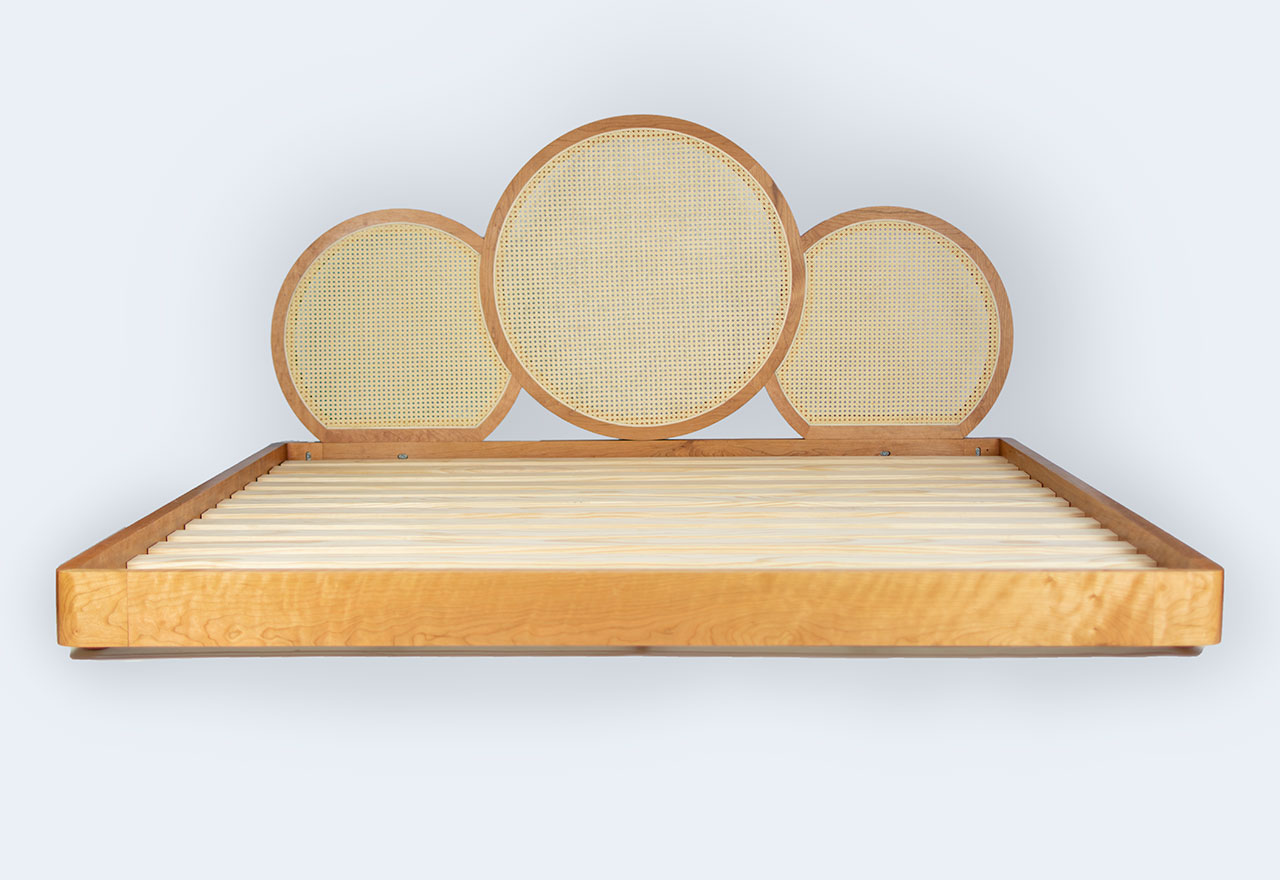
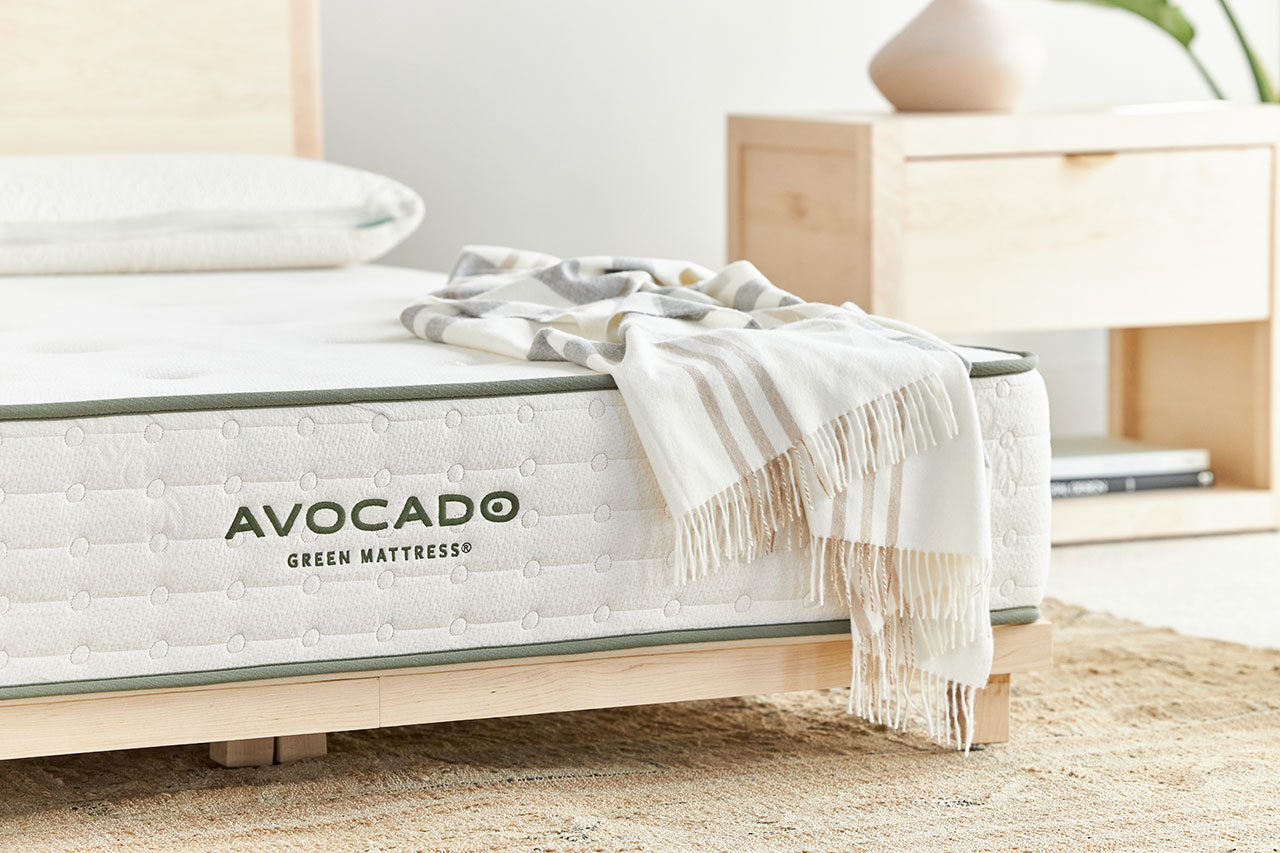
The Violette Bed by KLN Studio exemplifies how softness can be achieved through thoughtful structure rather than conventional upholstery. Its design philosophy centers on grounding the sleeper, featuring a low-slung frame that positions the body closer to the floor. This architectural choice inherently conveys stability and a sense of rootedness, which can contribute to psychological security. The most striking feature, however, is its circular, woven cane headboard, which ascends in a trio of quietly harmonious halos. This composition is not merely decorative; it is deeply attuned to the rituals of sleep.
The use of warm wood for the frame provides visual density and a sense of permanence, anchoring the bed within the room. This material choice taps into biophilic design principles, connecting the inhabitant with natural elements known to reduce stress and foster well-being. Complementing the wood, the cane’s open, tactile weave introduces a crucial element of breathability, preventing the space from feeling enclosed or oppressive. Its delicate pattern adds visual interest without overwhelming the senses, while its gentle curve offers a subtle sense of enclosure, reminiscent of a protective embrace. The Violette Bed’s comfort is thus derived from its meticulously considered proportions and material interplay, eschewing excessive padding for a more refined, structural approach to softness. This design speaks to a growing trend in furniture toward lighter, more integrated forms that prioritize natural materials and artisanal craftsmanship, moving away from bulky, heavily upholstered pieces.
Avocado Green Mattress: The Science of Buoyant Support
At the core of any restorative sleep experience lies the mattress, and the Avocado Green Mattress represents a paradigm shift towards a more responsive and health-conscious approach to rest. Eschewing the traditional "sink-in" feel that can trap heat and restrict movement, Avocado’s design prioritizes buoyancy and natural support. Its organic latex hybrid construction marries pressure relief with a natural spring, creating a sleeping surface that dynamically adapts to the body’s contours while maintaining resilience. This active form of support ensures that the bed feels restorative night after night, rather than merely a place to collapse.
Avocado offers its Green Mattress across a spectrum of firmness levels, from Extra Firm to Ultra Plush, allowing sleepers to customize their comfort based on individual preferences and physiological needs. The construction features layers of GOLS-certified organic Dunlop latex, known for its durability, breathability, and natural resistance to allergens. For the Ultra Plush option, premium Pure Talalay® latex is incorporated, providing an even softer, more conforming feel without sacrificing support.
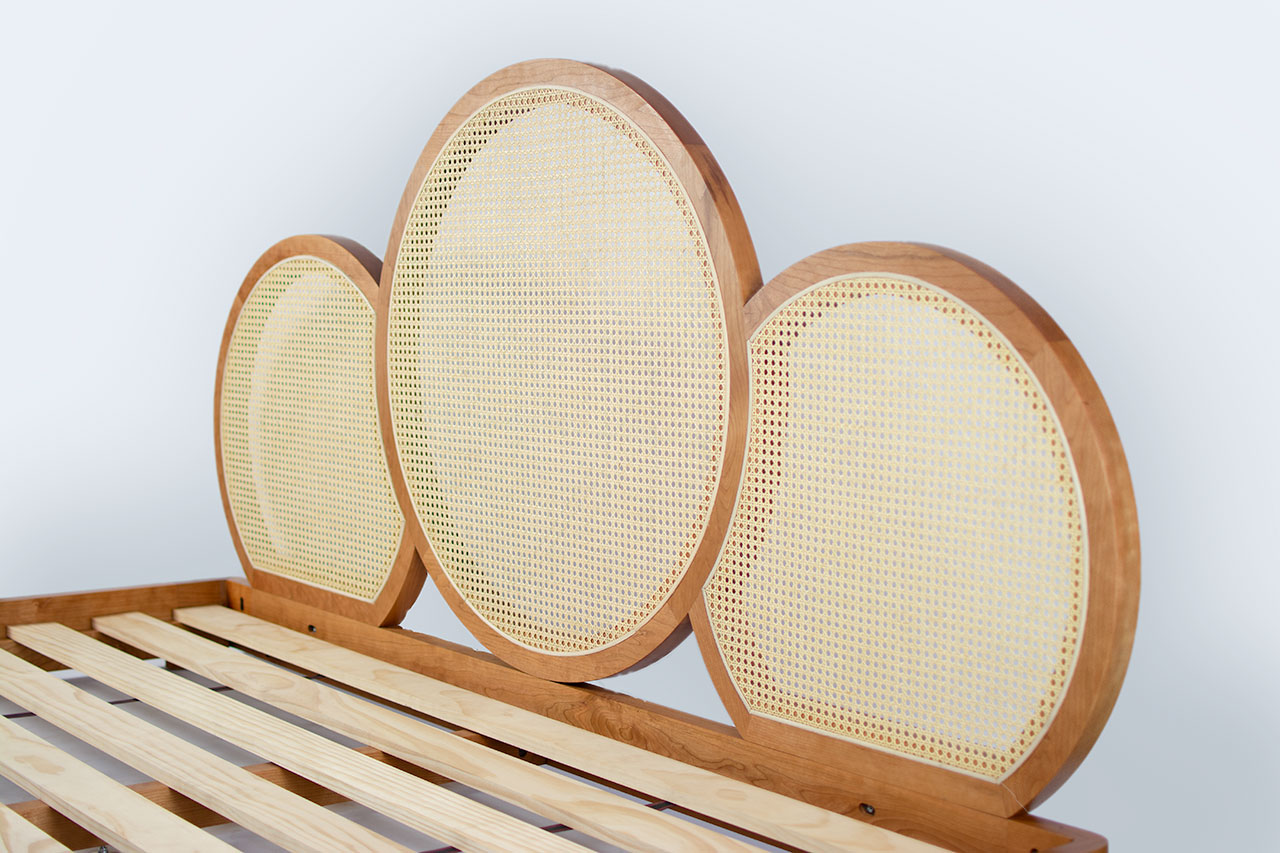
The company’s commitment to environmental and health standards is a significant differentiator. The Avocado Green Mattress is unique in America for achieving GOTS finished-product organic certification, an stringent standard that covers not only the raw materials but also the entire manufacturing process, ensuring ecological and social criteria are met. Furthermore, it boasts five additional independent nontoxic certifications, offering unparalleled assurance of a chemical-free sleep environment. This robust certification profile addresses increasing consumer demand for products that are not only comfortable but also environmentally sustainable and free from harmful substances, reflecting a broader societal trend towards conscious consumption and wellness. The implication of such a mattress extends beyond immediate comfort; it signifies an investment in long-term health, sustainable living, and a truly restorative sleep experience that supports the body’s natural recovery processes.
Complementary Comforts: Enhancing the Bedside Experience
Beyond the bed itself, the surrounding furnishings and accessories play a critical supporting role in shaping the sleep sanctuary. These elements, though seemingly minor, collectively contribute to the overall ambiance and functionality of the space.
KOBA Furniture’s Model 01 Side Table: Tactile Elegance and Practicality
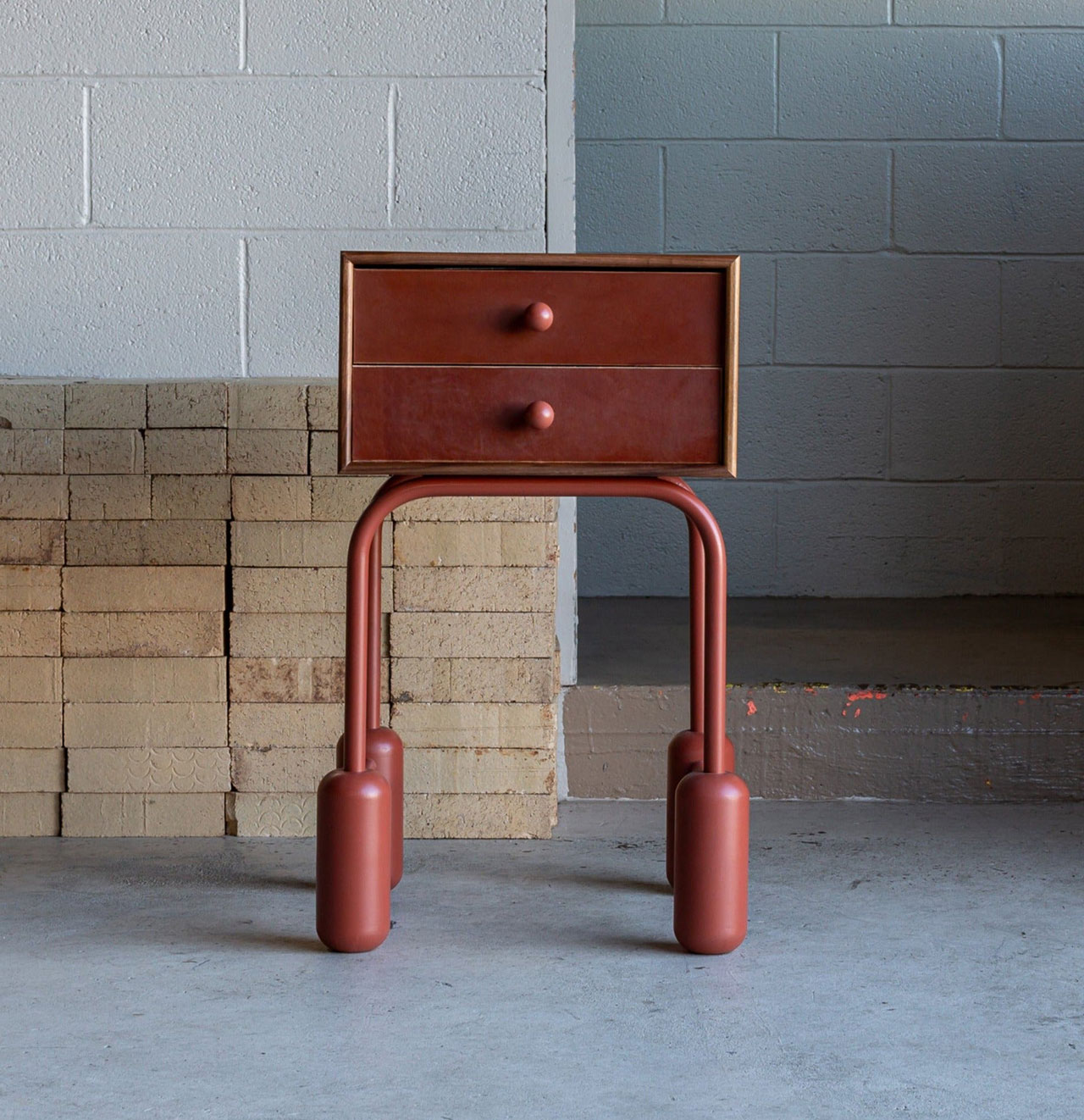
The objects positioned nearest the bed, such as a nightstand, are integral to the architecture of rest. They serve as quiet sentinels, holding essentials like a glass of water, a book paused mid-chapter, or the alarm that will gently (or not so gently) signal the return to the waking world. KOBA Furniture’s Model 01 nightstand introduces a welcome element of softness through intelligent contrast. Its design features a tall, tailored walnut frame, providing a reassuring sense of structure and permanence. This solid wood construction speaks to durability and a timeless aesthetic, aligning with preferences for lasting, quality furnishings.
The unexpected element comes from its leather-clad drawer fronts. This choice of material invites tactile engagement even before the eye fully registers the form. The leather’s subtle give and its range of saturated color options soften the piece’s otherwise clean lines, preventing it from appearing too severe or rigid. This interplay between the robust, clean-lined wood and the soft, inviting leather gives the Model 01 a dual character – part reliable sentinel, part comforting companion. It’s a design that acknowledges the multi-sensory nature of comfort, ensuring that even a functional piece of furniture contributes to the overall soothing atmosphere of the bedroom. This approach resonates with contemporary interior design trends that emphasize sensory richness and the integration of diverse textures to create depth and warmth.
FLOS Bellhop Unplugged: Illuminating Rest with Intentional Light
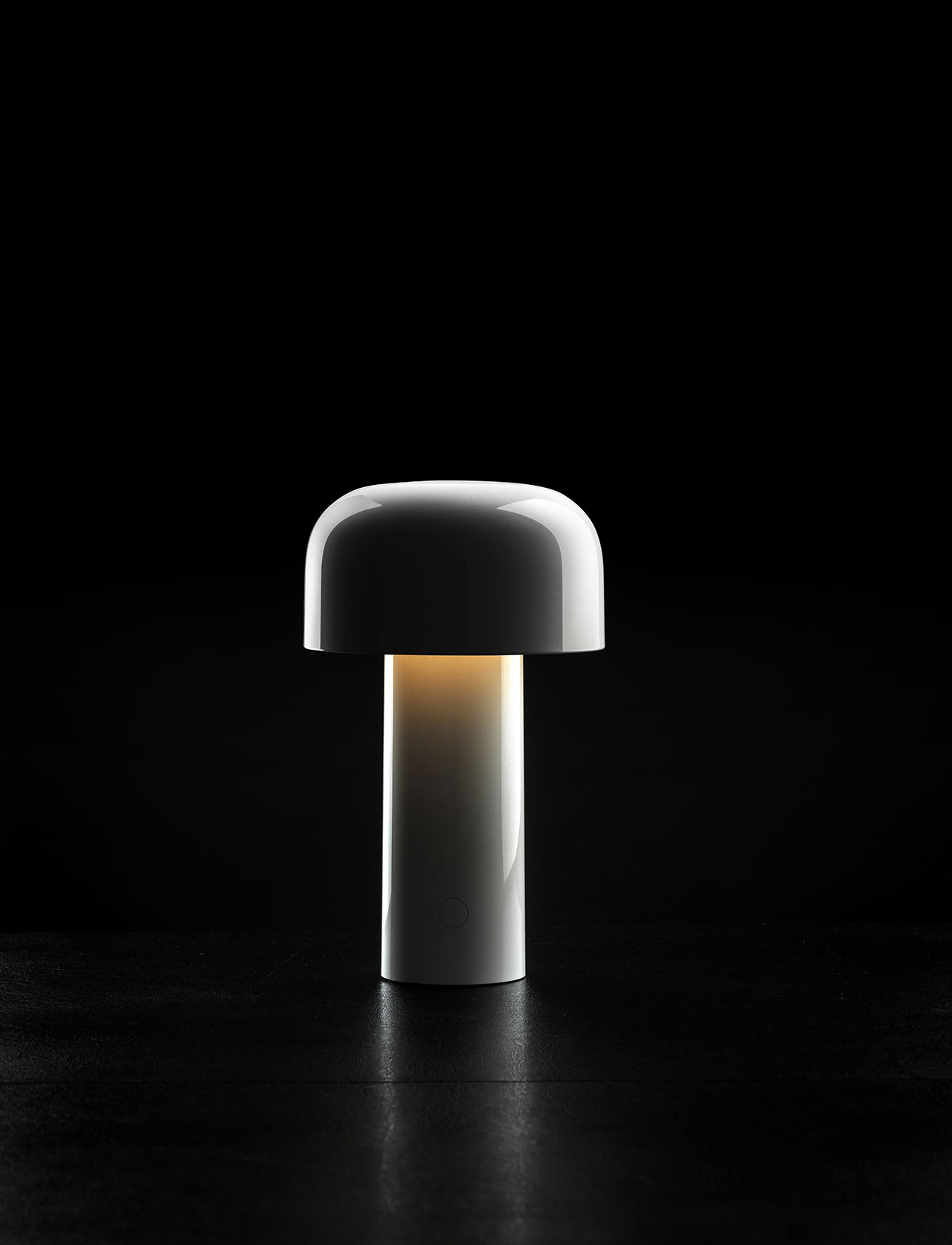
Lighting plays a profound role in regulating human circadian rhythms and setting the mood for rest. The Bellhop Unplugged by Barber Osgerby for Flos offers a masterclass in quiet utility and intentional illumination. This compact, cordless lamp is designed to cast a contained pool of warm light, providing localized illumination without flooding the entire room with the bright, attention-grabbing glow of an overhead fixture. This strategic light emission is crucial for pre-sleep routines, as exposure to bright, blue-spectrum light in the evening can disrupt melatonin production, a key hormone for sleep induction.
Its rounded polycarbonate silhouette exudes a toy-like charm, establishing a friendly and approachable presence on the nightstand. The gently domed shade and small stature further enhance this visual softness, creating a piece that feels unintrusive and comforting. Conceived as a contemporary interpretation of candlelight, the Bellhop transforms illumination into a ritual. Its four-step dimmer allows the light’s intensity to recede gradually alongside the day’s end, mirroring the natural decrease in ambient light. The rechargeable, portable construction offers unparalleled flexibility, allowing the light to follow the evening’s slower choreography, from a reading nook to the bedside. This thoughtful design emphasizes the importance of adaptable lighting in creating a conducive environment for winding down, a crucial aspect of modern wellness-focused interiors. The Bellhop represents a convergence of minimalist aesthetics, advanced functionality, and a deep understanding of human physiological needs.
HOMMEY’s Versa Collection: Textile Trends and Dual Functionality
Textiles are perhaps the most direct conveyors of softness in a bedroom, and bedding, in particular, contributes significantly to both tactile and visual comfort. The increasing popularity of striped bedding, a favorite on platforms like Pinterest and a staple in Scandinavian interior design, underscores a desire for patterns that are both visually engaging and subtly calming. These trends range from bold color-block patterns to classic pinstripes, offering diverse aesthetic expressions.
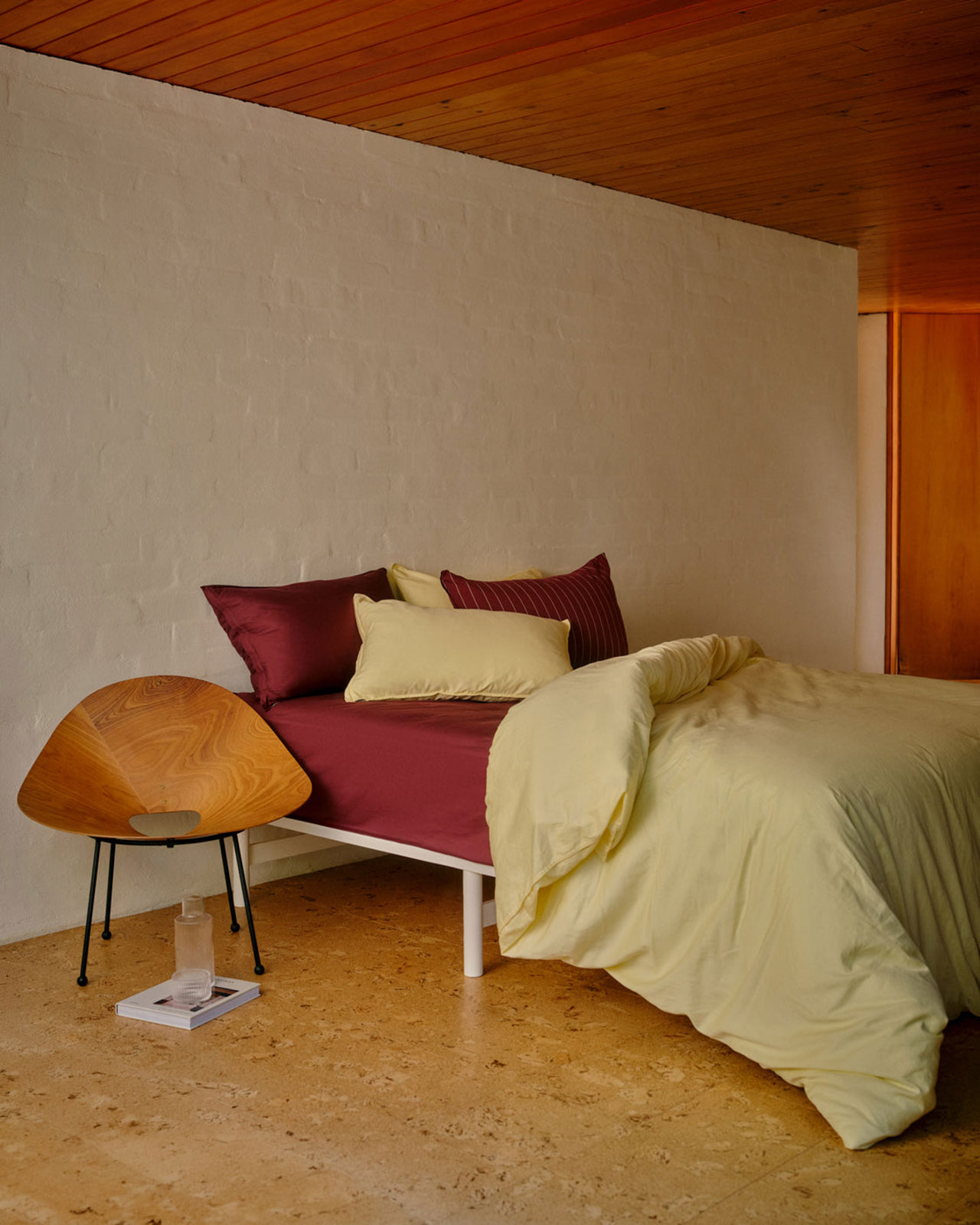
Australian homeware brand Hommey has innovated within this trend with its newly launched Versa Collection. This reversible bedding collection effectively "flips the script" on traditional striped sleepwear by featuring a dual-pinstripe pattern. This design choice feels modern and fresh, offering versatility that extends the collection’s aesthetic shelf life and allows for easy updates to the bedroom’s look. Made of 100% cotton, the Versa Collection prioritizes natural fibers known for their breathability, softness, and durability, which are essential for comfortable sleep. The collection is available in seven distinct color combinations, ranging from the rich, earthy tones of Vanilla/Mahogany to the vibrant, berry-hued Mulberry/Aster. This variety allows consumers to integrate color into their bedroom design in a sophisticated yet playful manner. The reversibility and diverse color palette tap into a consumer desire for flexible and sustainable design choices, enabling personalization without requiring frequent replacements, thus reflecting a practical approach to modern home decor.
Holistic Harmony: Integrating Wellness Technology
The contemporary understanding of a restorative bedroom extends beyond static furniture and textiles to include intelligent technologies that actively support the sleep-wake cycle. These devices are designed to integrate seamlessly into the environment, offering gentle guidance rather than jarring interruptions.
Hatch Restore 3: Orchestrating the Sleep-Wake Cycle
Softness, in its broadest sense, is not solely a tactile experience; it encompasses what we hear, see, and how we gradually transition between states of consciousness. Hatch’s Restore 3 is an exemplary bedside object that translates this comprehensive understanding of comfort into a device designed to soften the day’s transitions. It moves beyond the traditional alarm clock, which often employs abrupt sounds or harsh lights, to offer a more physiologically aligned approach to waking and winding down.
The Restore 3 integrates a warm, sunrise-like light feature that gradually brightens, mimicking the natural dawn and gently preparing the body to wake. This phototherapy approach helps to regulate the body’s natural circadian rhythm, making waking a more peaceful and less stressful experience. Complementing the light, the device offers layered soundscapes, providing a rich auditory experience that can range from calming natural sounds for sleep to gentle melodies for waking. These ambient rhythms replace the sudden jolt of a glowing phone screen or a blaring alarm with a nuanced sensory experience, serving as a gentle cue to begin winding down in the evening and an equally gentle invitation to return to the waking world in the morning.
The compact form of the Restore 3 also contributes to visual calm. In a bedroom environment often susceptible to digital clutter and harsh artificial light, its minimalist design and soft contours offer a discreet presence. This thoughtful integration of light, sound, and form addresses the growing challenge of sleep disruption caused by digital overstimulation, making rest feel less elusive and more attainable. The device represents a significant stride in the application of behavioral science and design to improve sleep hygiene, reflecting a broader market trend towards smart home wellness solutions.
Reflective Serenity: The Visual Softness Beyond the Bed
Even elements that are not directly involved in the physical act of sleeping can contribute significantly to the perceived softness and overall tranquility of a bedroom. Mirrors, traditionally functional, can also be sculptural elements that enhance visual comfort.
Ready to Hang’s Squeeze Mirror: Sculptural Form and Visual Calm
The Ready to Hang Squeeze Mirror makes a compelling case for the bedroom as a space where visual comfort is as paramount as tactile sensation. It transforms a familiar furnishing into an object that feels almost embraceable, embodying a sculptural softness. The design features polished glass that appears gently compressed by solid spheres, creating the playful and intriguing impression of a form yielding under pressure. This visual softness, achieved through rounded edges and cushioned-looking contours, serves a crucial psychological function within the bedroom.
In an environment often defined by the hard geometry of walls, casework, and screens, the Squeeze Mirror offers a welcome counterpoint. Its organic, yielding aesthetic provides the eye with somewhere gentler to land, reducing visual tension and contributing to an overall sense of calm. The mirror becomes more than a reflective surface; it is a piece of art that actively participates in shaping the room’s atmosphere. This design choice aligns with a broader movement in interior design to incorporate elements that evoke a sense of playfulness and biomorphism, reducing the starkness of modern spaces and fostering a more inviting, human-centered environment. The Squeeze Mirror demonstrates that even reflective surfaces can contribute to the overarching theme of softness and restorative design in the bedroom.
Conclusion: The Future of Restful Design – A Synthesis of Form, Function, and Well-being
The exploration of these seven sleepy-time essentials reveals a profound evolution in how design addresses the human need for rest. The concept of "softness" has expanded beyond mere plushness to encompass structural integrity, natural materials, intelligent technology, and the subtle psychology of form and light. From KLN Studio’s structurally soft Violette Bed and Avocado Green Mattress’s scientifically backed organic buoyancy, to KOBA Furniture’s tactile Model 01 Side Table and FLOS’s intentionally dimmable Bellhop Unplugged, each product contributes to a meticulously crafted ecosystem for sleep. HOMMEY’s Versa Collection adds textile comfort with aesthetic versatility, while Hatch Restore 3 orchestrates gentle transitions between sleep and wakefulness. Even the Ready to Hang Squeeze Mirror contributes visual calm through its sculptural, yielding form.
This comprehensive approach underscores a significant market trend towards holistic well-being, where consumers are increasingly seeking products that support not just physical comfort but also mental and emotional restoration. The emphasis on sustainable, organic, and non-toxic materials, alongside the integration of smart technologies designed to enhance natural physiological processes, reflects a sophisticated understanding of modern consumer values. The implications of this design shift are far-reaching: as individuals grapple with increasingly demanding lifestyles and pervasive digital stimulation, the bedroom is reclaiming its role as a vital sanctuary. Thoughtful, soft design is no longer a luxury but a fundamental component in cultivating environments that actively promote health, reduce stress, and facilitate truly restorative sleep, ultimately contributing to a more balanced and productive life. The future of restful design is undoubtedly one where every element, from the foundational to the fleeting, works in concert to cradle, calm, and rejuvenate.







