
 Indra Kusuma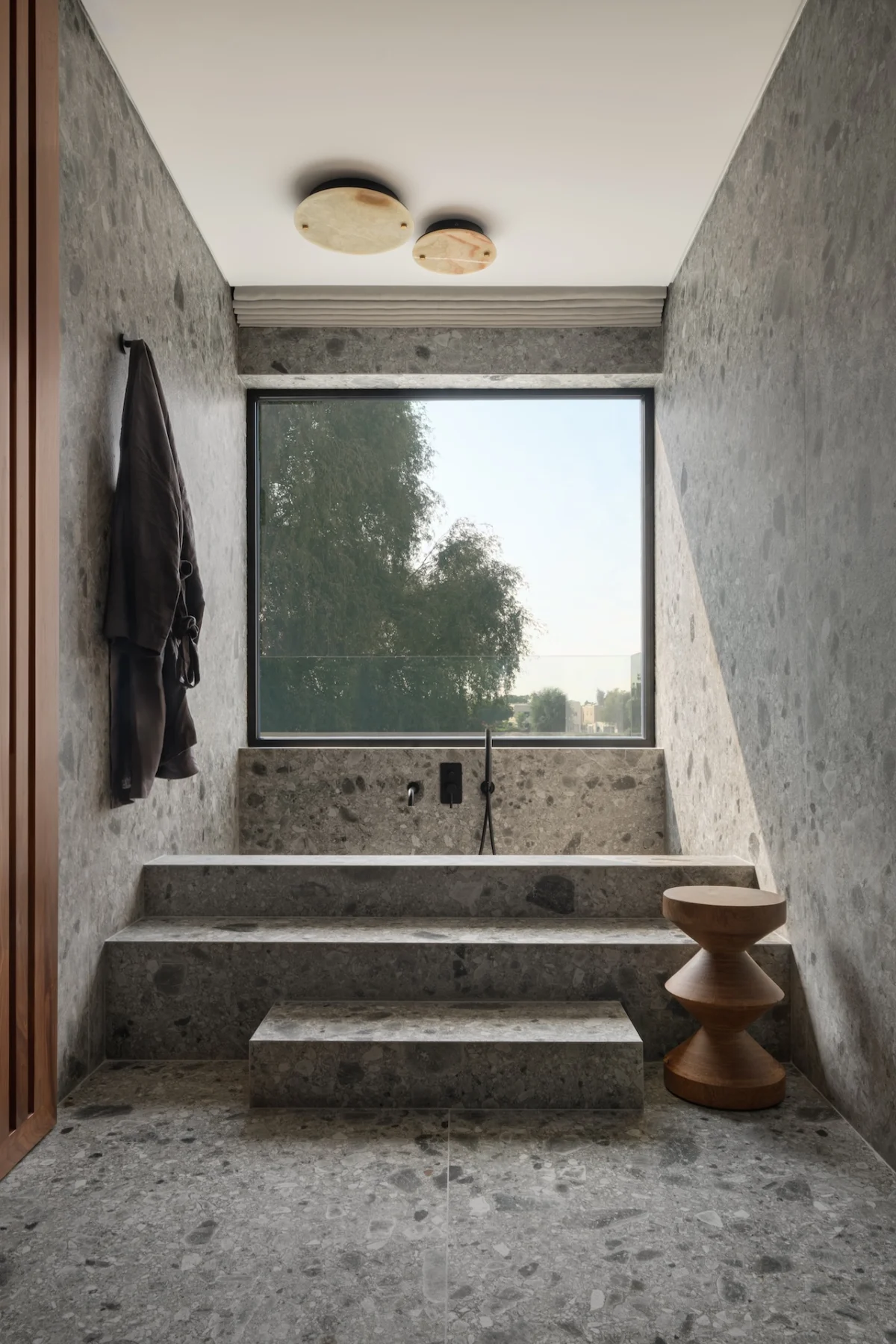
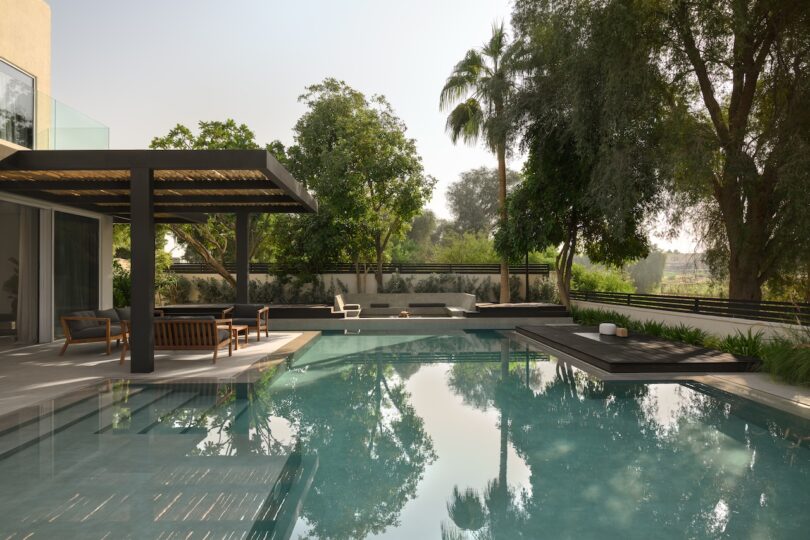
In a striking departure from the prevailing architectural norms of Dubai’s Arabian Ranches, a master-planned community synonymous with Mediterranean and Spanish pastiche, interior architect Marie Claire Mrad has orchestrated a profound interior metamorphosis. Within the gated enclave of Savannah, one such terracotta-roofed villa, originally a quintessential representation of aspirational suburbia, has been subtly yet completely reimagined, shedding its European design language in favor of the disciplined elegance of contemporary Japanese restraint. This six-month, non-structural renovation exemplifies a growing trend in the region towards sophisticated minimalism and cultural fusion, challenging established aesthetic conventions.

The Context: Arabian Ranches and Dubai’s Architectural Landscape
Arabian Ranches, developed by Emaar Properties, stands as one of Dubai’s most prominent and enduring residential communities. Launched in the early 2000s, it quickly became a benchmark for luxury suburban living, characterized by its sprawling villas, lush landscaping, and family-friendly amenities. Architecturally, the community largely adopted a romanticized interpretation of Mediterranean and Spanish styles, featuring terracotta roof tiles, stucco finishes, ornate archways, and a general emphasis on decorative elements. This aesthetic was deliberately chosen to evoke a sense of timeless European charm, offering residents a serene escape from the city’s towering skyscrapers and a familiar, comfort-driven visual language. The popularity of Arabian Ranches underscores a broader preference within Dubai’s residential market for designs that often lean into grandeur, intricate detailing, or familiar international styles, sometimes at the expense of subtle sophistication.
However, as Dubai matures as a global city, its residents and design professionals are increasingly seeking unique expressions that transcend conventional luxury. There’s a discernible shift towards interiors that prioritize tranquility, functionality, and a deeper connection to space and light, moving beyond superficial ornamentation. Marie Claire Mrad’s project within Savannah, Arabian Ranches, is a potent illustration of this evolving sensibility, demonstrating a bold vision that respects the existing architectural "bones" while fundamentally altering the dwelling’s interior soul.
A Vision of Subversive Restraint: Marie Claire Mrad’s Approach
Marie Claire Mrad, a renowned interior architect known for her refined aesthetic and meticulous attention to detail, embarked on this project with a clear, albeit challenging, objective: to infuse a contemporary Japanese minimalist philosophy into a structure inherently designed to convey European grandeur. The term "quietly subversive" perfectly encapsulates her approach. Instead of demolishing or significantly altering the villa’s exterior, which would have been both costly and contrary to the community’s guidelines, Mrad focused entirely on the interior. This strategy highlights the power of interior architecture to redefine a space’s identity without necessitating major structural overhauls.
Her design philosophy for this villa was rooted in the principles of wabi-sabi and ma – concepts central to Japanese aesthetics that celebrate imperfection, transience, and the significance of empty space. Where the community’s default relies on visual opulence and layered ornamentation to convey warmth and luxury, Mrad’s design employs a more introspective language. She leverages proportion, rhythm, and the nuanced behavior of natural light to imbue the space with its emotional weight and inherent beauty. The objective was not to strip the house bare, but to curate an environment where every element serves a purpose, contributing to an overall sense of calm, clarity, and intentionality.
The Six-Month Transformation: A Chronology of Refinement
The renovation unfolded over an intensive six-month period, a testament to efficient planning and execution given the transformative scale of the interior changes. The project began with an initial consultation where Mrad meticulously understood the homeowners’ desire for a serene, uncluttered, and highly functional living environment – a stark contrast to the villa’s original character. This initial phase involved extensive conceptualization, mood boarding, and 3D renderings to visualize the proposed Japanese minimalist aesthetic within the existing footprint.
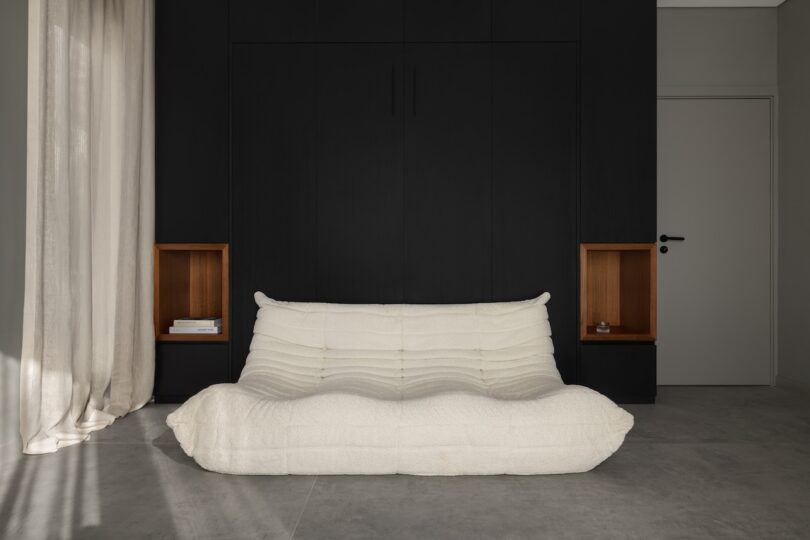
The subsequent phase involved the careful stripping out of all existing interior finishes, fixtures, and non-structural elements. This process was critical to prepare a clean canvas for the new design. It required precise demolition work to ensure no damage to the underlying structure, including the existing arches and ceiling lines that would remain. Following this, the focus shifted to the implementation of new surfaces and built-in elements. This included the laying of new flooring, the application of specialized wall finishes, and the installation of custom joinery and cabinetry. The selection and procurement of specific materials, from large stone slabs to bespoke wooden elements, were carefully managed, often involving international logistics given the sourcing from Lebanon and Italy.
Mid-project, the emphasis turned to the integration of bespoke furniture and lighting. Many pieces were custom-designed by Mrad and fabricated by skilled artisans, requiring ongoing communication and quality control. The installation of the distinctive slatted partitions, critical to defining space and modulating light, was a precise undertaking. The final stages involved the placement of the owners’ existing classic furniture pieces, the integration of new appliances, and the styling with minimalist décor, culminating in a space that felt entirely cohesive and authentic to its new identity. Throughout this process, the absence of major structural changes meant a concentrated effort on finishes, materials, and spatial arrangements to achieve the dramatic transformation.
Architectural Dialogue: Form, Light, and Materiality
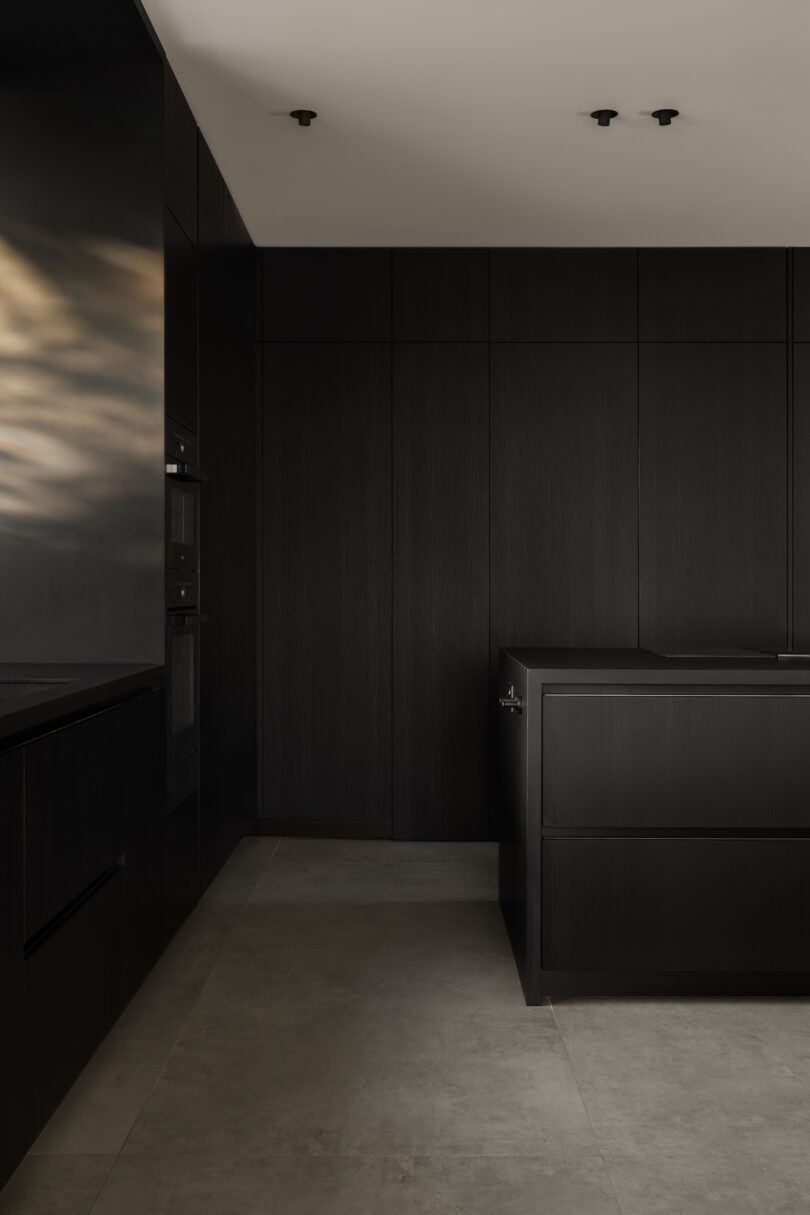
The most striking aspect of Mrad’s design is its ability to create a monolithic interior that simultaneously exists in tension with and harmony alongside the villa’s Mediterranean shell. The terracotta roof tiles and archways, once signaling a specific European vernacular, now frame an unexpected internal landscape. This deliberate contrast highlights the power of interior design to redefine perception.
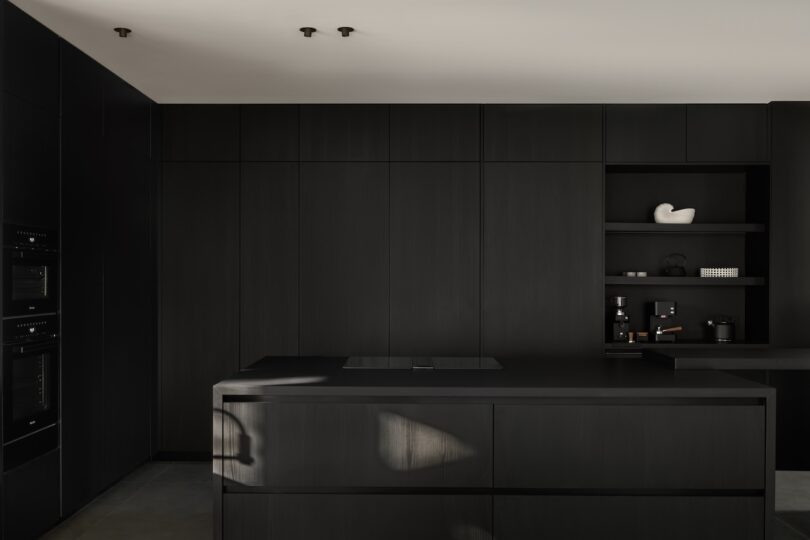
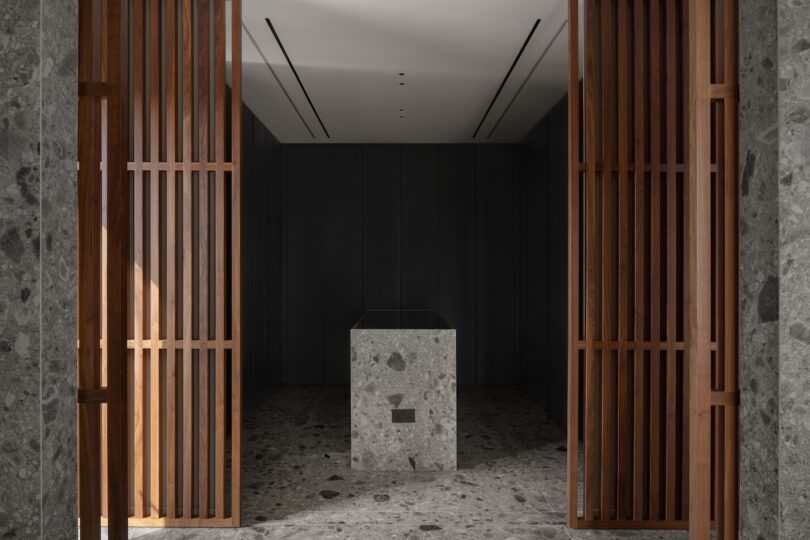
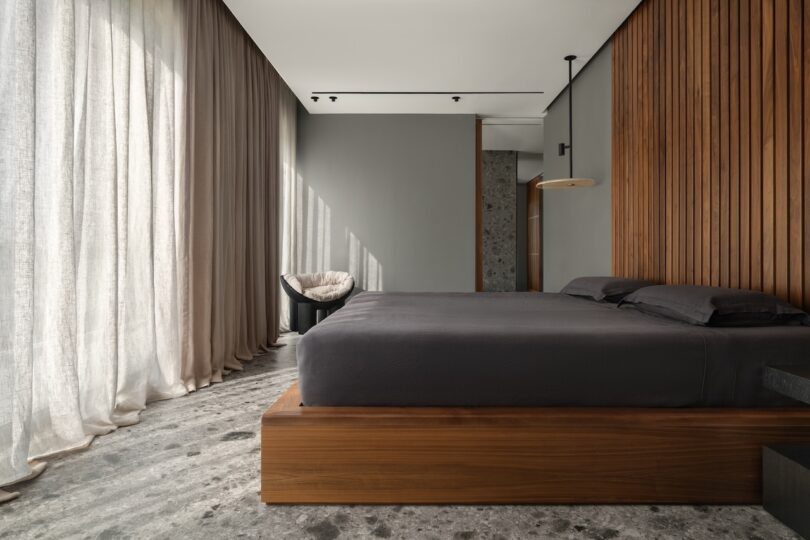
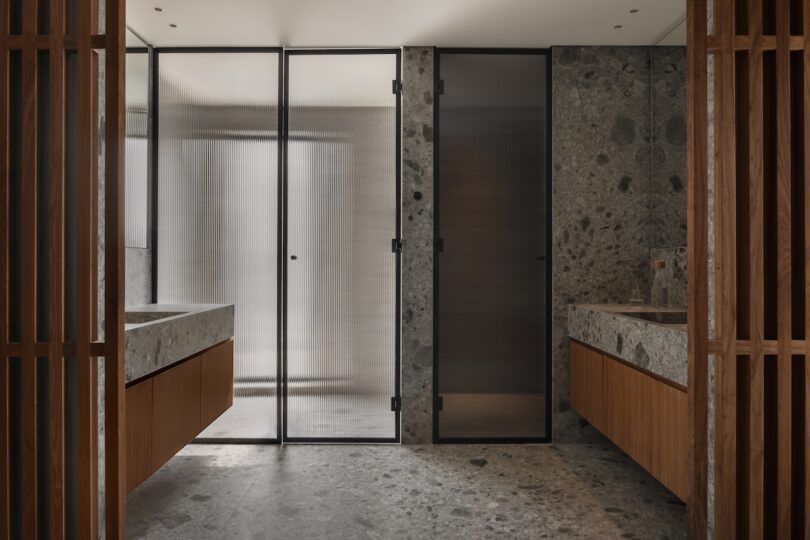
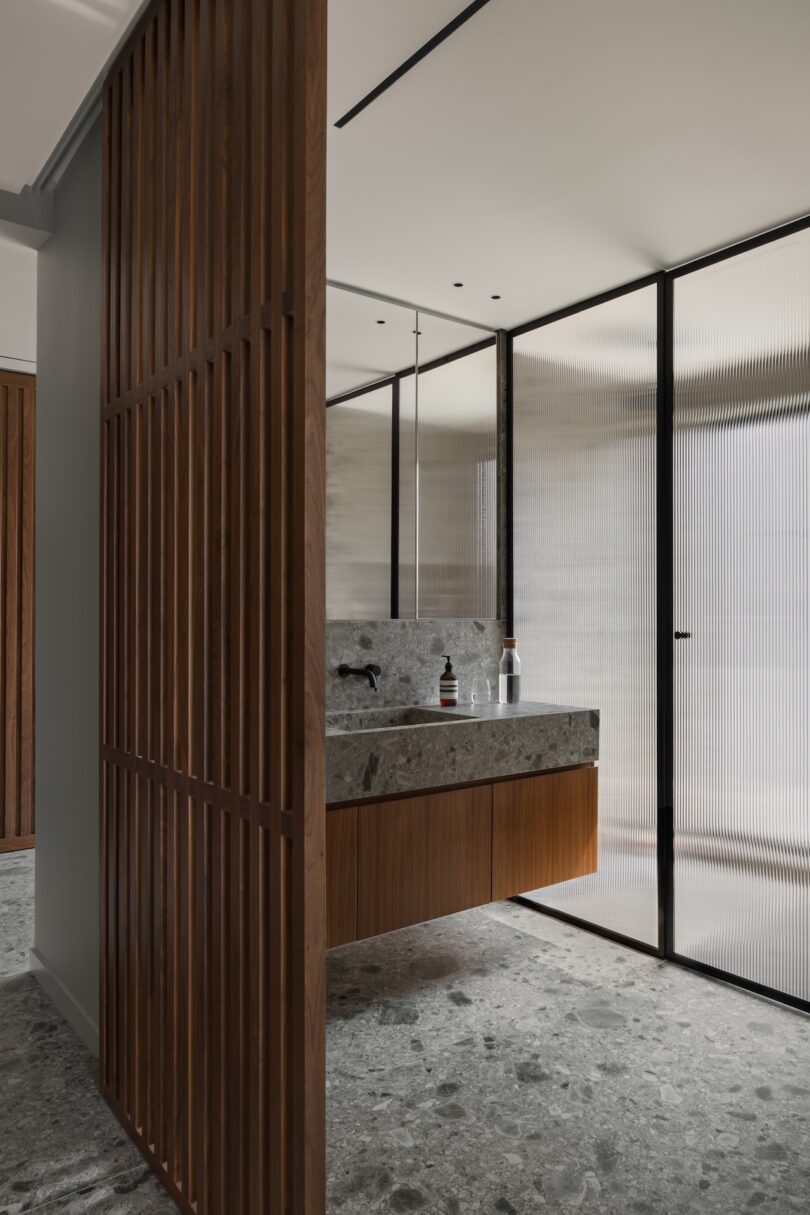
A cornerstone of the new aesthetic is the pervasive use of slatted partitions, meticulously crafted from walnut and blackened wood. These elements are not merely decorative; they are fundamental to the villa’s spatial organization and sensory experience. Recalling the koshi lattices and shoji screens of traditional Japanese architecture, these partitions establish layered thresholds, subtly defining different zones within the open-plan layout without creating harsh barriers. They create filtered sightlines, encouraging a sense of exploration and discovery while maintaining privacy where needed.
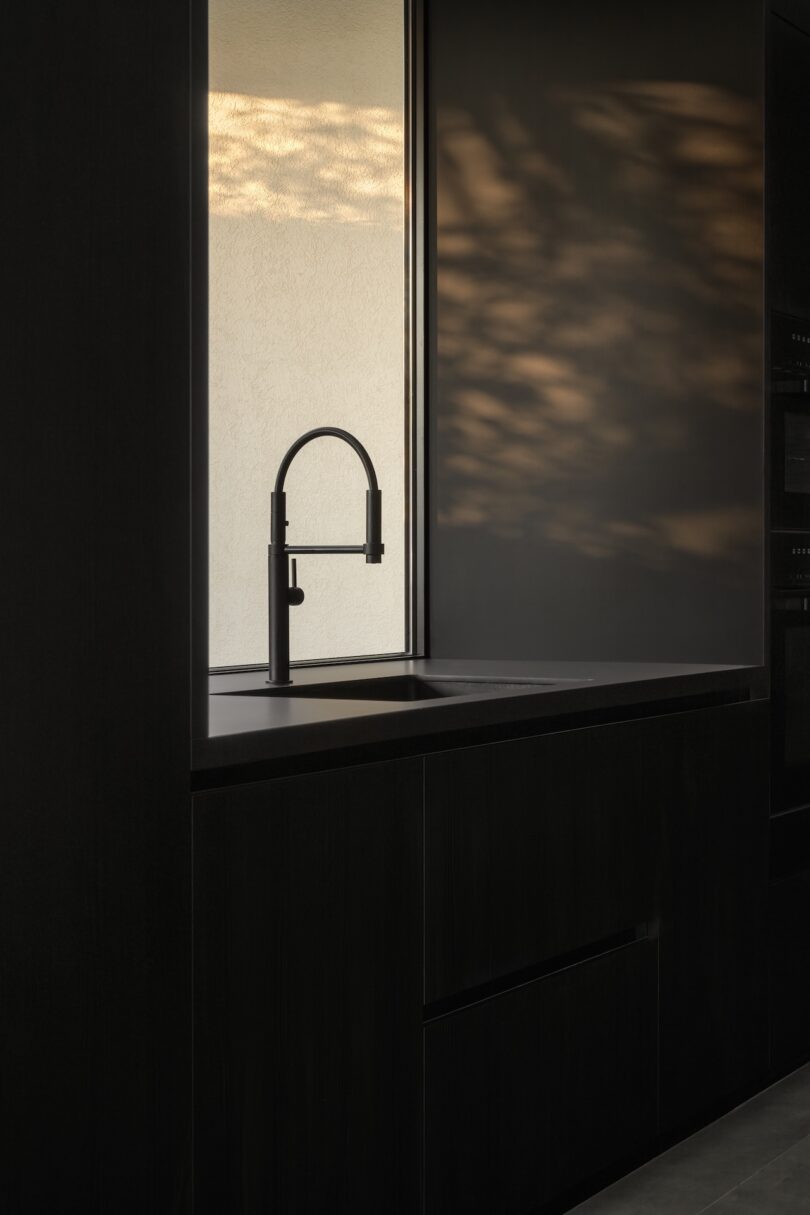
Beyond their aesthetic appeal, these slatted elements serve a crucial climatic function, particularly vital in the harsh desert environment of Dubai. Instead of blocking the intense Gulf sun entirely, as heavy curtains or solid walls might, the lattices modulate it, filtering and layering the light as it penetrates the interior. This creates dynamic patterns of light and shadow that shift throughout the day, imbuing the space with a living, breathing quality and contributing to a naturally softer, more comfortable ambiance. This thoughtful integration of form and function speaks directly to the intelligence behind Japanese design principles.
A Palette of Earth and Stone: Crafting the Tactile Experience
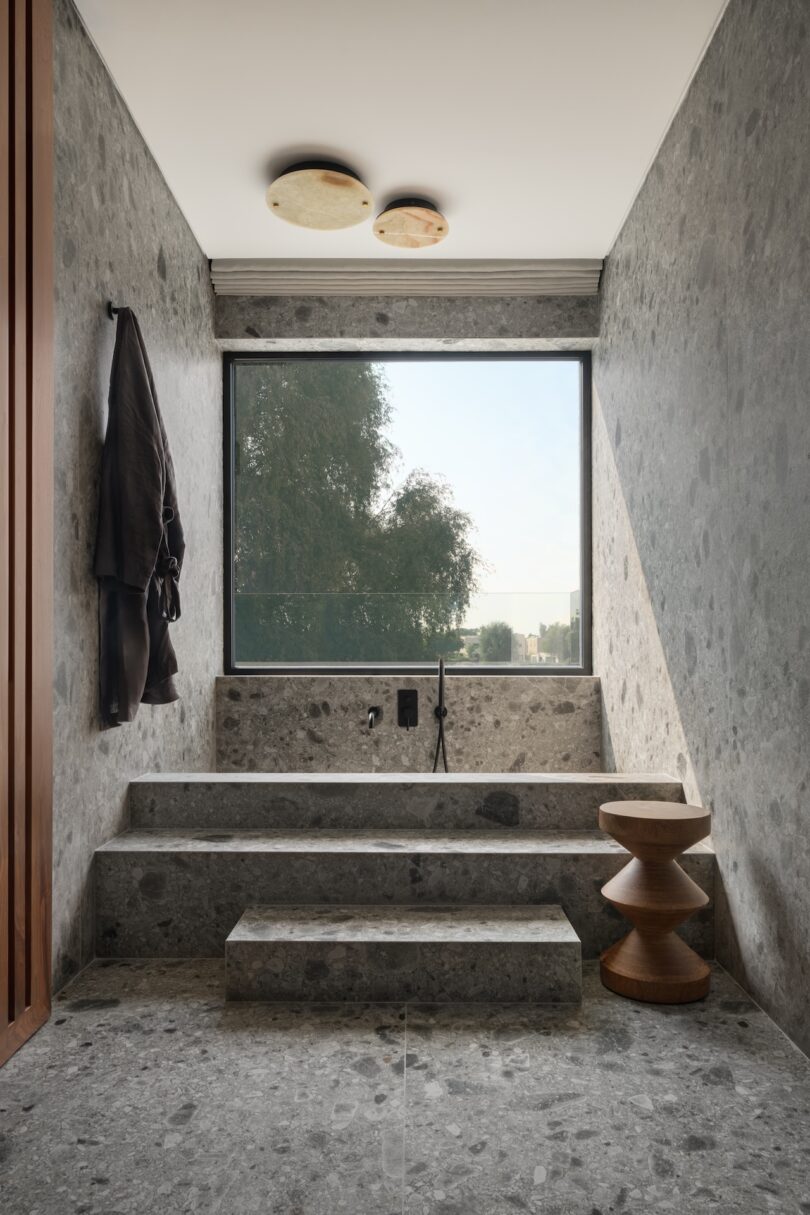
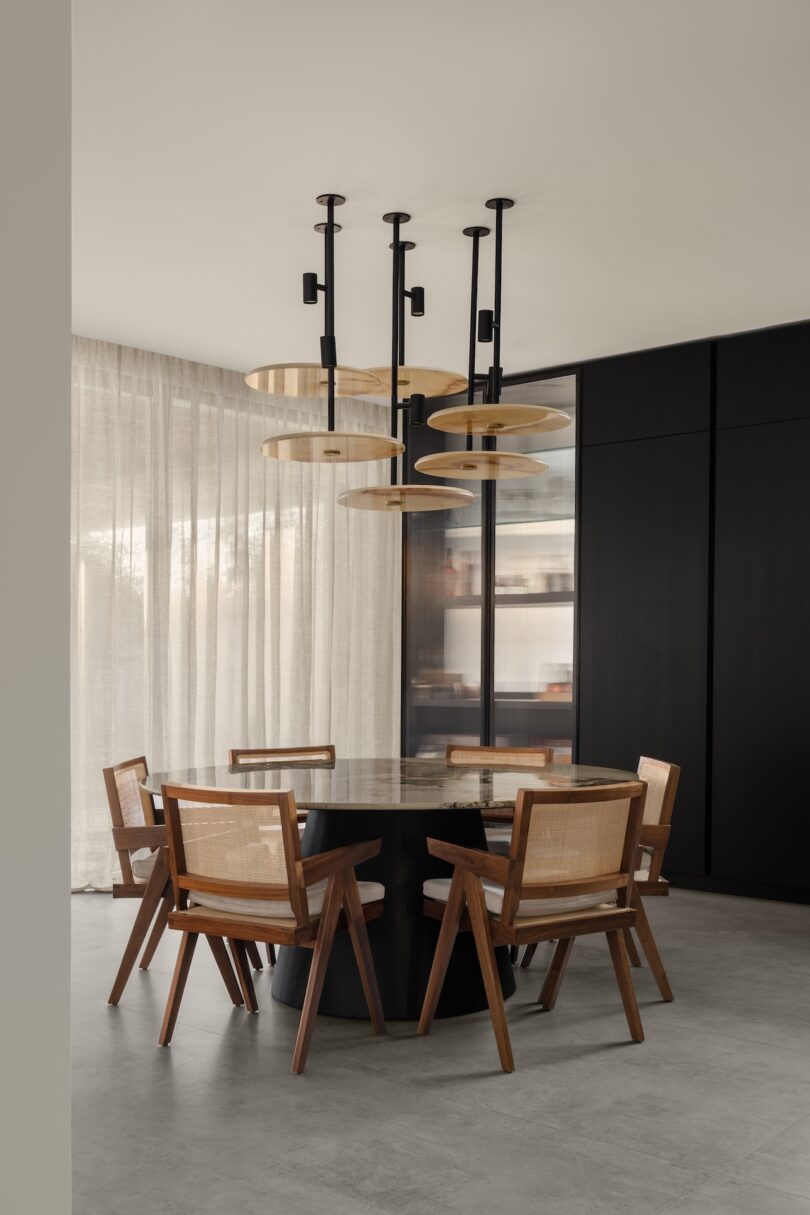
The material palette chosen by Marie Claire Mrad is central to the villa’s serene and grounded atmosphere. Ceppo di Gré stone, with its distinctive conglomerate appearance, anchors the floors and various surfaces, providing a robust and elegant base. This choice is complemented by concrete-effect ceramics, which add a contemporary, industrial edge while maintaining the minimalist ethos. These materials, known for their durability and understated beauty, contribute to the monolithic feel of the interior, creating a sense of seamless continuity.
Sculptural elements are introduced sparingly but with significant impact. A dining table topped with Patagonia stone becomes a focal point, its unique veining acting as natural art. Similarly, a bespoke lighting collection, built entirely around the luminous qualities of Sahara onyx, provides a warm, diffused glow, enhancing the tranquil ambiance. These select pieces are not merely functional but serve as artistic statements, chosen for their inherent beauty and their ability to elevate the overall design.
The Craft Economy: A Tribute to Artisanry and Regional Collaboration
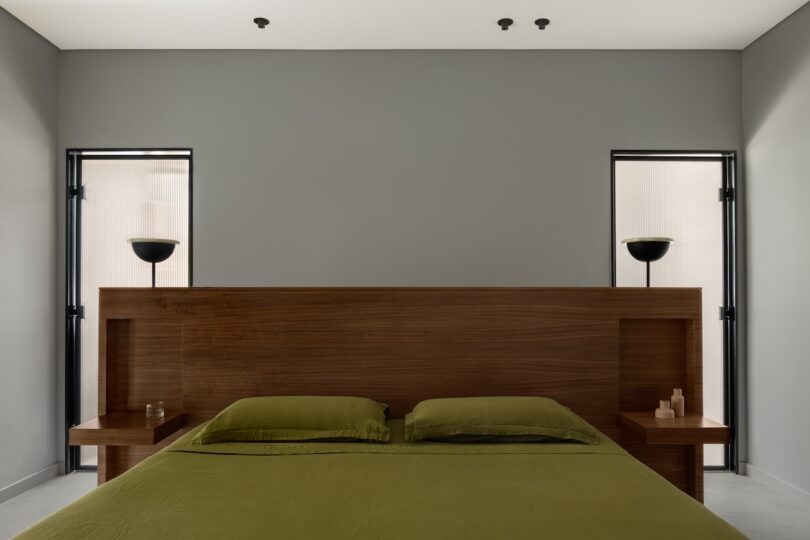
What truly distinguishes this project beyond its aesthetic innovation is its commitment to a craft economy. In an era dominated by mass production, Marie Claire Mrad intentionally sought to commission nearly every bespoke item for the villa. From the custom-designed sofas and coffee tables that perfectly fit the spatial requirements to the entire lighting series, these pieces were meticulously fabricated in Beirut by skilled Lebanese artisans. This decision underscores a dedication to supporting local craftsmanship and preserving traditional techniques.
The sourcing of materials further emphasizes this thoughtful approach, with elements brought from across Lebanon and Italy. This network of sourcing and fabrication not only ensured the highest quality and unique character for each piece but also fostered a cross-cultural exchange that enriched the project. This aspect of the design speaks to a growing appreciation for artisanal quality, bespoke solutions, and the narrative embedded within handcrafted objects. It also subtly highlights the rich design and manufacturing capabilities present within the broader Middle Eastern region, often overlooked in favor of global brands.
Harmonious Integration: Classic Furniture in a Modern Context
Despite the entirely new minimalist framework, the homeowners’ existing collection of iconic furniture pieces seamlessly integrates into the revitalized space. An Eames lounge chair, a symbol of mid-century modern comfort, finds its place without disruption. An Eileen Gray side table, known for its elegant functionality, complements the clean lines. A Michel Ducaroy Togo sofa, with its inviting, organic form, adds a touch of relaxed luxury. The ability of these distinct pieces to settle comfortably within the restrained framework is a testament to the timelessness of good design and Mrad’s skill in creating a versatile, adaptable environment. It demonstrates that minimalism is not about absence, but about intentional presence, where each object holds its own significance and contributes to the overall harmony.
Broader Implications: Reshaping Dubai’s Design Narrative
Marie Claire Mrad’s project in Arabian Ranches is more than just an interior renovation; it serves as a significant case study with broader implications for Dubai’s evolving design landscape.
- Shifting Aesthetic Preferences: The project signals a maturation in Dubai’s luxury market, moving away from ostentatious displays towards a more nuanced and sophisticated appreciation for understated elegance, functionality, and calm. It suggests a growing demand for interiors that offer sanctuary and promote well-being, rather than simply projecting wealth.
- Cultural Fusion as Innovation: The successful integration of Japanese minimalist principles within a Mediterranean-style villa exemplifies how cultural fusion can drive design innovation. It shows that distinct architectural languages can coexist and even enhance one another, leading to unique and compelling outcomes. This cross-pollination of ideas is likely to inspire future designs in a city as diverse as Dubai.
- Emphasis on Craftsmanship and Local Economy: By championing Lebanese artisans and sourcing materials regionally, the project highlights the importance of supporting local craft economies. This focus on bespoke, handcrafted elements contributes to a more sustainable and ethical design practice, fostering a sense of authenticity and unique character that mass-produced items cannot replicate. It also positions the region as a hub for high-quality artisanal production.
- Redefining "Aspirational": The transformation subtly redefines what "aspirational suburbia" means in Dubai. It shifts the aspiration from merely mimicking European luxury to embracing a globally informed, deeply considered aesthetic that prioritizes quality of life, tranquility, and intellectual elegance. This could influence future residential developments to explore more diverse and thoughtful architectural and interior design themes.
- The Power of Interior Architecture: The project powerfully demonstrates that profound architectural transformation does not always require structural demolition or rebuilding. Strategic interior design, focused on materials, light, and spatial flow, can entirely alter a building’s character and functionality, offering a more sustainable and often more cost-effective approach to revitalization.
In conclusion, Marie Claire Mrad’s remarkable intervention in Arabian Ranches stands as a beacon of contemporary design. It not only showcases a masterful blend of cultural aesthetics but also underscores a deeper philosophical shift in how luxury and aspiration are being defined in one of the world’s most dynamic cities. This villa, now a serene sanctuary of Japanese restraint within a Mediterranean shell, is poised to influence a new generation of homeowners and designers in Dubai, proving that true elegance lies in discipline, proportion, and the thoughtful interaction between light and space. The project is a quiet revolution, demonstrating that even within established architectural frameworks, innovation and profound beauty can emerge from a commitment to a clear, disciplined vision.







