Hanik Kholidah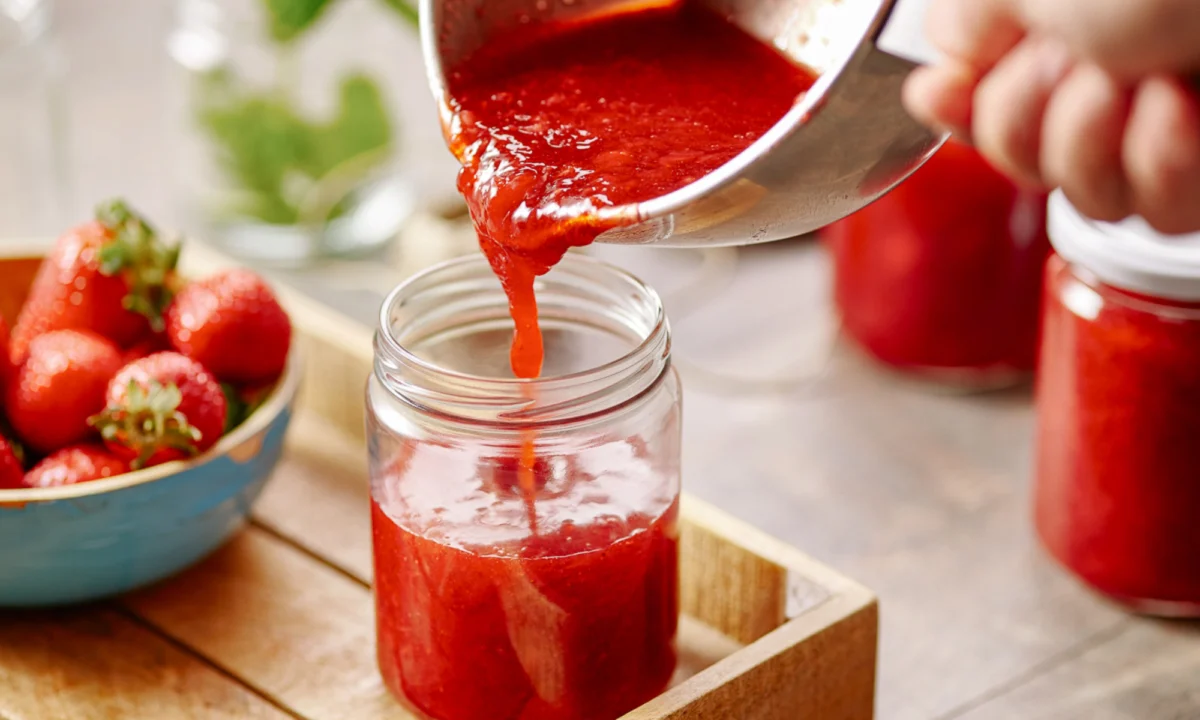
The United States is currently facing a significant public health challenge as a widespread outbreak of cyclosporiasis, an intestinal illness caused by the microscopic parasite Cyclospora cayetanensis, continues to expand across multiple states. Federal health agencies, including the Centers for Disease Control and Prevention (CDC) and the Food and Drug Administration (FDA), have intensified their investigations into the source of the infection, which has been consistently linked to the consumption of fresh produce. Preliminary epidemiological data suggests that bagged salad mixes, fresh berries—specifically raspberries and blackberries—and certain fresh herbs are the primary vectors for the current surge in cases. As the investigation evolves, health officials are emphasizing that traditional cleaning methods, such as rinsing under tap water, are insufficient to eliminate the parasite, leading to a renewed focus on thermal processing and alternative food preparation strategies to ensure consumer safety.
Understanding the Cyclospora Parasite and Transmission Vectors
Cyclospora cayetanensis is a human-only protozoan parasite that causes an infection of the small intestine. Unlike many bacterial pathogens that can be easily mitigated through surface washing, Cyclospora oocysts—the hardy, infective stage of the parasite—possess a resilient outer shell that allows them to adhere firmly to the uneven surfaces of fruits and vegetables. The parasite is typically transmitted through the fecal-oral route, often contaminating crops via irrigation water, soil amendments, or handled by infected workers during the harvesting and packaging process.
Historically, cyclosporiasis was primarily associated with travel to tropical or subtropical regions where the parasite is endemic. However, over the last decade, the United States has seen an increase in domestically acquired cases. The complexity of the global food supply chain complicates the identification of specific sources, as a single salad mix may contain ingredients from multiple farms across different geographic regions. The current 2026 outbreak follows a pattern of seasonal spikes that typically occur during the late spring and summer months, coinciding with the peak harvest periods for many fresh commodities.
Chronology of the 2026 Outbreak
The first indications of the current outbreak emerged in early May 2026, when several state health departments reported a statistically significant increase in gastrointestinal illnesses characterized by prolonged, watery diarrhea. By late May, the CDC had officially transitioned the situation to a multi-state outbreak investigation.
On June 12, 2026, the FDA initiated a traceback investigation focusing on a specific supplier of pre-packaged romaine lettuce, though results remained inconclusive as cases continued to appear among consumers who had not consumed leafy greens. By early July, the focus shifted toward the berry category. Public health interviews with infected individuals revealed a high frequency of consumption of fresh raspberries and blackberries purchased from major retail chains. On July 15, 2026, health officials issued a formal advisory, noting that while no specific brand had been recalled yet, consumers should exercise extreme caution with raw produce and consider cooking items that would otherwise be eaten raw.
Clinical Manifestations and Public Health Risks
The incubation period for Cyclospora—the time between ingestion and the onset of symptoms—typically ranges from two to fourteen days, with an average of one week. This delay makes it exceptionally difficult for consumers to pinpoint which specific meal may have caused the illness. The most common symptom is watery, non-bloody diarrhea, which can be severe and persistent if left untreated. Other symptoms include:
- Loss of appetite and weight loss
- Cramping, bloating, and increased gas
- Nausea and fatigue
- Low-grade fever
Public health experts warn that cyclosporiasis is unique in its persistence. Without medical intervention, symptoms may last from a few days to a month or longer, and they frequently recur in waves. The standard treatment involves a combination of the antibiotics trimethoprim and sulfamethoxazole. For individuals with sulfa allergies or those who are immunocompromised, managing the infection requires specialized care, making prevention the most effective strategy for the general population.
The Limitation of Rinsing and the Efficacy of Heat
One of the most frustrating aspects of the Cyclospora parasite for consumers and food safety advocates is its resistance to standard hygiene practices. While washing produce is essential for removing dirt and reducing the load of certain bacteria like E. coli or Salmonella, the sticky nature of Cyclospora oocysts means that water alone is rarely enough to ensure a product is safe. Furthermore, the parasite is resistant to chlorine and many other common chemical sanitizers used in commercial food processing.
Thermal treatment—the application of heat—is the most reliable method for neutralizing the parasite. Research indicates that exposing the parasite to temperatures above 140°F (60°C) for a sustained period effectively destroys the oocysts, rendering the food safe for consumption. Consequently, health officials are currently advising that during the peak of an outbreak, high-risk items like berries and herbs should be incorporated into cooked dishes rather than consumed in their raw state.
Strategic Food Preparation: The Role of Thermally Processed Fruit
To mitigate the risk of infection without discarding expensive and nutrient-dense produce, food safety specialists are advocating for the conversion of fresh berries into cooked preserves or "functional jams." This approach serves two purposes: it ensures the fruit reaches the necessary temperature to kill pathogens and it preserves the nutritional integrity of the food.
A prominent solution being circulated by nutritionists is the preparation of chia seed jam. This method involves simmering the fruit until it breaks down, followed by the addition of chia seeds to create a thick, spreadable texture. Unlike traditional jam making, which requires high amounts of sugar and pectin to set, chia seed jam relies on the mucilaginous properties of the seeds to achieve the desired consistency.

Functional Safety Protocol: Chia Seed Jam Recipe
For consumers looking to safely utilize berries during the outbreak, the following protocol is recommended:
Ingredients:
- 2 cups of fresh berries (raspberries, blueberries, blackberries, or strawberries)
- 1 to 2 tablespoons of a sweetener of choice (honey or maple syrup), optional
- 2 tablespoons of chia seeds
- A splash of lemon juice to enhance flavor and acidity
Instructions:
- Heat Application: Place the berries in a small saucepan over medium heat. Cook the fruit, stirring occasionally, until it begins to break down and release its juices.
- Mashing: Use a fork or potato masher to crush the fruit to the desired consistency.
- Simmering: Allow the mixture to reach a light boil, then reduce heat and simmer for at least 5 to 10 minutes. This sustained heat is the critical safety step required to neutralize any potential Cyclospora oocysts.
- Thickening: Remove the pan from the heat and stir in the chia seeds and sweetener.
- Setting: Let the mixture sit for 10 to 15 minutes as the chia seeds absorb the liquid. The jam will continue to thicken as it cools.
- Storage: Transfer the jam to a clean glass jar and refrigerate. It can be stored for up to one week.
This method not only provides a safety barrier but also introduces a significant dose of dietary fiber and omega-3 fatty acids via the chia seeds, which can support overall gut health during a time of heightened gastrointestinal risk.
Regulatory Response and Industry Impact
The FDA’s Coordinated Outbreak Response and Evaluation (CORE) Network is currently working with state partners to conduct environmental assessments at farms and packing facilities. The economic impact of such outbreaks is often substantial; in previous years, similar Cyclospora events have led to millions of dollars in losses for the produce industry as consumer demand for fresh berries and salads plummeted.
Industry groups are responding by calling for increased investment in water testing technologies and better traceback systems. The Food Safety Modernization Act (FSMA) has already implemented stricter standards for agricultural water quality, but the persistence of Cyclospora suggests that current testing intervals or methods may need to be revised. Some experts suggest that rapid molecular testing, such as PCR (Polymerase Chain Reaction), should be more widely adopted in the field to detect the parasite before products reach retail shelves.
Broader Implications for the Global Food Supply
The recurring nature of Cyclospora outbreaks in the U.S. highlights the vulnerabilities of a food system that relies heavily on fresh, minimally processed produce. As climate patterns shift, the geographic range of certain parasites may expand, leading to longer and more intense outbreak seasons. This reality necessitates a shift in consumer education, moving away from the "just wash it" mantra toward a more nuanced understanding of food safety that includes seasonal risk assessment and the use of heat.
Furthermore, this outbreak underscores the importance of domestic food security and the oversight of imported goods. While the source of the 2026 outbreak is still being finalized, the reliance on complex international supply chains means that a contamination event in one region can have immediate and far-reaching effects on public health thousands of miles away.
Conclusion and Recommendations for Consumers
As the investigation into the 2026 Cyclospora outbreak continues, the primary goal for public health officials remains the identification and removal of contaminated products from the market. Until a definitive source is found and the outbreak is declared over, consumers are urged to remain vigilant.
For those who choose to purchase fresh produce, the following precautions are advised:
- Stay Informed: Regularly check the CDC and FDA websites for updated recall lists and specific brand advisories.
- Prioritize Cooking: When in doubt, cook fresh berries, herbs, and leafy greens. High-heat applications in baking, sauces, or preserves are the most effective way to guarantee safety.
- Maintain Hygiene: While washing may not kill Cyclospora, it remains a vital practice for general food safety. Always wash hands, utensils, and surfaces after handling raw produce.
- Seek Medical Attention: If you experience persistent, watery diarrhea after consuming fresh produce, contact a healthcare provider and mention the possibility of Cyclospora exposure to ensure the correct diagnostic tests are ordered.
The intersection of safety and nutrition is a delicate balance. By adopting methods like thermal processing and functional food preparation, consumers can protect their health while still enjoying the nutritional benefits of the summer harvest. The 2026 outbreak serves as a stark reminder that in a modern food system, safety is a shared responsibility between regulators, producers, and the end consumer.