Muhammad Hendra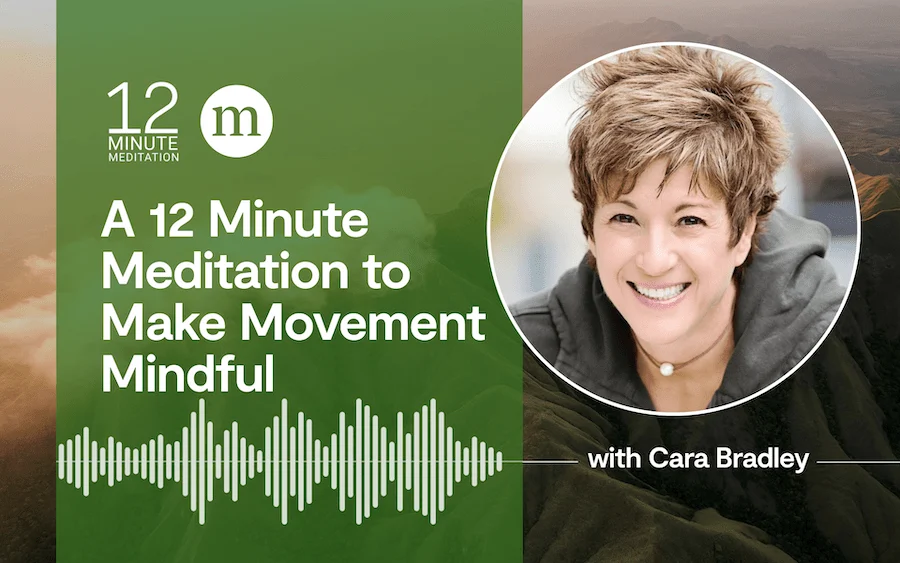
Our bodies come in all varieties, and we all have different interests, skills, and abilities. However, as contemporary wellness educators like Cara Bradley increasingly observe, movement of any kind—from the slightest glance to the most intense exercise—holds the potential to be a profoundly mindful practice. This recognition marks a significant evolution in how physical activity is perceived, shifting from a purely physiological endeavor to a holistic one that integrates mental and emotional well-being. The simple yet profound meditation principles associated with mindful movement aim to help individuals celebrate their physicality by fostering a deeper connection with their breath and body, expanding their interoceptive awareness, and cultivating a profound appreciation for the intricate gift of being alive.
The Essence of Mindful Movement
Mindful movement, at its core, is the intentional practice of bringing full awareness to physical sensations, breath, and the present moment during any form of bodily activity. It is not about performing a specific type of exercise, but rather about how one engages with movement. This concept challenges the conventional approach to exercise, which often prioritizes external goals such as calorie burning, muscle building, or achieving a certain performance metric, sometimes at the expense of internal experience. Instead, mindful movement emphasizes the journey, the internal landscape, and the quality of attention brought to each action.
Teacher Cara Bradley’s observation underscores a broader shift in wellness paradigms. While traditional meditation often involves stillness, mindful movement extends this principle into dynamic states. It encourages individuals to notice the subtle shifts in their muscles, the rhythm of their breathing, the sensations of their feet on the ground, or the fluidity of their limbs, without judgment or distraction. This practice transforms routine activities—like walking, stretching, or even household chores—into opportunities for self-discovery and stress reduction.
Historical Roots and Modern Resurgence of Mindfulness
The principles underlying mindful movement are not new; they draw heavily from ancient Eastern traditions that have long integrated physical practice with spiritual and mental discipline. Practices such as Yoga, Tai Chi, and Qigong, originating thousands of years ago in India and China respectively, are prime examples. These disciplines inherently blend precise physical postures and sequences with controlled breathing and focused attention, aiming to cultivate inner peace, balance, and vitality. They are, in essence, mindful movement practices that predated the modern Western conceptualization of "mindfulness."
The secularization and widespread adoption of mindfulness in the West gained significant momentum in the late 20th century. A pivotal moment occurred in 1979 when Dr. Jon Kabat-Zinn founded the Mindfulness-Based Stress Reduction (MBSR) program at the University of Massachusetts Medical School. Kabat-Zinn deliberately stripped mindfulness of its overt religious connotations, presenting it as a scientifically verifiable method for reducing stress and improving well-being. MBSR incorporated elements of mindful movement, primarily through gentle yoga and body scan meditations, alongside sitting meditation. This marked a turning point, providing a structured, evidence-based framework for integrating mindfulness into mainstream healthcare and psychology.
Chronology of Mindfulness Integration:
- Ancient Origins: Thousands of years ago, practices like Yoga, Tai Chi, and Qigong develop in Asia, intrinsically linking movement, breath, and awareness.
- Mid-20th Century: Early Western scholars and practitioners begin exploring Eastern meditative traditions, laying groundwork for broader understanding.
- 1979: Dr. Jon Kabat-Zinn establishes the MBSR program, effectively secularizing mindfulness and introducing it to a clinical Western audience, including mindful movement components.
- 1990s-Early 2000s: Scientific research into the benefits of mindfulness accelerates, with studies on its effects on stress, anxiety, depression, and chronic pain. Academic institutions begin offering mindfulness courses.
- Mid-2000s Onward: Mindfulness enters mainstream culture. Apps, corporate wellness programs, and educational initiatives proliferate. The concept of mindful movement expands beyond traditional Eastern practices to encompass everyday activities and various forms of exercise.
- Current Day: Mindful movement is recognized as a legitimate therapeutic and wellness modality, integrated into rehabilitation, sports psychology, and general health promotion. Educators like Cara Bradley play a crucial role in making these practices accessible to a wider audience.
The Science Behind Mindful Motion
The growing interest in mindful movement is not merely anecdotal; it is increasingly supported by scientific research across various disciplines, including neuroscience, psychology, and exercise physiology. Studies consistently demonstrate the synergistic benefits of combining physical activity with mindful awareness.
Supporting Data and Observed Benefits:
- Stress Reduction and Emotional Regulation: Research published in journals like Psychosomatic Medicine and Mindfulness indicates that mindful practices significantly reduce cortisol levels, the primary stress hormone. When combined with movement, this effect is often amplified, as physical activity itself is a known stress reliever. Participants in mindful movement programs often report decreased symptoms of anxiety and depression, alongside improved emotional resilience.
- Enhanced Body Awareness (Interoception and Proprioception): Mindful movement trains individuals to become more attuned to their internal bodily sensations (interoception) and their body’s position in space (proprioception). A meta-analysis published in Frontiers in Human Neuroscience highlighted that mindfulness practices improve these sensory perceptions, which can lead to better posture, coordination, and reduced risk of injury. For instance, athletes who practice mindful movement report improved performance and reduced incidence of injuries due to heightened body awareness.
- Pain Management: For individuals suffering from chronic pain, mindful movement offers a non-pharmacological approach to relief. By focusing attention on sensations without judgment, practitioners can reframe their relationship with pain, reducing its perceived intensity and emotional impact. Studies on conditions like fibromyalgia and chronic back pain have shown that interventions combining movement with mindfulness can significantly reduce pain severity and improve functional capacity.
- Improved Cognitive Function: The focused attention required during mindful movement can enhance executive functions such as concentration, decision-making, and working memory. Neuroimaging studies suggest that regular mindfulness practice can lead to structural changes in the brain, particularly in areas associated with attention, emotional regulation, and self-awareness.
- Better Sleep Quality: By reducing stress and calming the nervous system, mindful movement contributes to improved sleep patterns. A systematic review published in JAMA Internal Medicine on mindfulness meditation for sleep problems indicated positive outcomes, a benefit that extends to mindful physical activities.
- Positive Body Image and Self-Compassion: In an era often dominated by body comparison and self-criticism, mindful movement fosters a sense of acceptance and appreciation for one’s body, regardless of its shape, size, or ability. It shifts the focus from external appearance or performance metrics to the internal experience of movement, promoting self-compassion and a healthier relationship with one’s physical self.
Integrating Mindful Movement into Daily Life
The beauty of mindful movement, as articulated by educators like Cara Bradley, lies in its universality and adaptability. It does not require specialized equipment or a dedicated studio; it can be integrated into virtually any activity.
Practical Applications:
- Mindful Walking: Instead of walking while distracted by thoughts or electronic devices, one can pay attention to the sensation of their feet on the ground, the rhythm of their steps, the movement of their arms, and the breath.
- Mindful Stretching/Yoga: Focus on the sensation of each stretch, the engagement of muscles, and the breath’s synchronization with movement, rather than just achieving a pose.
- Mindful Exercise: Whether lifting weights, cycling, or swimming, the practice involves being fully present with the effort, the breath, and the body’s responses, noticing fatigue without judgment.
- Everyday Activities: Even washing dishes, climbing stairs, or gardening can become opportunities for mindful practice by bringing full attention to the tactile sensations, movements, and the present moment.
The process often begins with a simple meditation, much like the one Cara Bradley references, designed to cultivate a foundational connection between breath and body. This initial awareness serves as an anchor, allowing individuals to expand their consciousness to the broader environment and the intricate dance of being alive. The goal is not perfection in movement, but consistency in awareness.
Expert Perspectives and Growing Adoption
Experts from various fields are increasingly recognizing and advocating for the integration of mindfulness into physical activity.
"The synergistic benefits of mindful movement are undeniable," states Dr. Evelyn Reed, a sports psychologist specializing in athlete well-being. "We’re seeing it in elite athletes who use mindful practices to enhance focus and recovery, and equally in rehabilitation settings where it helps patients reconnect with their bodies after injury or illness. It’s about empowering individuals to tune into their internal wisdom."
Similarly, public health organizations are starting to incorporate mindful approaches into their recommendations for physical activity. A spokesperson for the National Wellness Institute noted, "Our understanding of ‘health’ has evolved. It’s no longer just about the absence of disease, but about holistic well-being. Mindful movement aligns perfectly with this expanded definition, offering accessible tools for both physical and mental resilience."
Cara Bradley, as a prominent teacher in this space, exemplifies the practical application of these principles. Her methodology focuses on demystifying mindful practices, making them approachable for people of all backgrounds and physical capabilities. Her work, like many contemporary educators, emphasizes that the journey of mindful movement is deeply personal, celebrating individual differences in physicality, interests, skills, and abilities. The emphasis is on internal experience and appreciation, rather than external comparison or performance.
Broader Societal and Health Implications
The widespread adoption of mindful movement practices carries significant implications for public health, education, and even economic sectors.
- Public Health: As chronic diseases related to stress and sedentary lifestyles continue to rise, mindful movement offers a proactive and preventive approach. Its low barrier to entry and adaptability make it a scalable intervention for promoting healthier habits across diverse populations, potentially reducing healthcare burdens.
- Education: Integrating mindful movement into school curricula could equip children and adolescents with valuable tools for emotional regulation, stress management, and improved body awareness from a young age. This could foster healthier habits and mental resilience throughout their lives.
- Corporate Wellness: Businesses are increasingly investing in employee well-being programs. Mindful movement offers a compelling component for these initiatives, promising reduced stress, improved focus, and enhanced productivity, translating into tangible economic benefits for organizations.
- Therapeutic Applications: Beyond general wellness, mindful movement is being explored in clinical settings for specific conditions, including post-traumatic stress disorder (PTSD), eating disorders, and addiction recovery, providing somatic tools for healing and self-regulation.
- Accessibility and Inclusivity: The core message of mindful movement—that any movement can be mindful—promotes inclusivity. It dismantles barriers often associated with traditional exercise, making wellness practices accessible to individuals with physical limitations, chronic conditions, or those who feel intimidated by conventional fitness environments.
The trajectory suggests that mindful movement will continue to grow in prominence, moving from a niche wellness trend to a foundational component of holistic health. As research further elucidates its mechanisms and benefits, and as educators like Cara Bradley continue to make these practices accessible, the appreciation for the "gift of being alive" through conscious movement is set to become an increasingly integral part of modern living.