Muhammad Hendra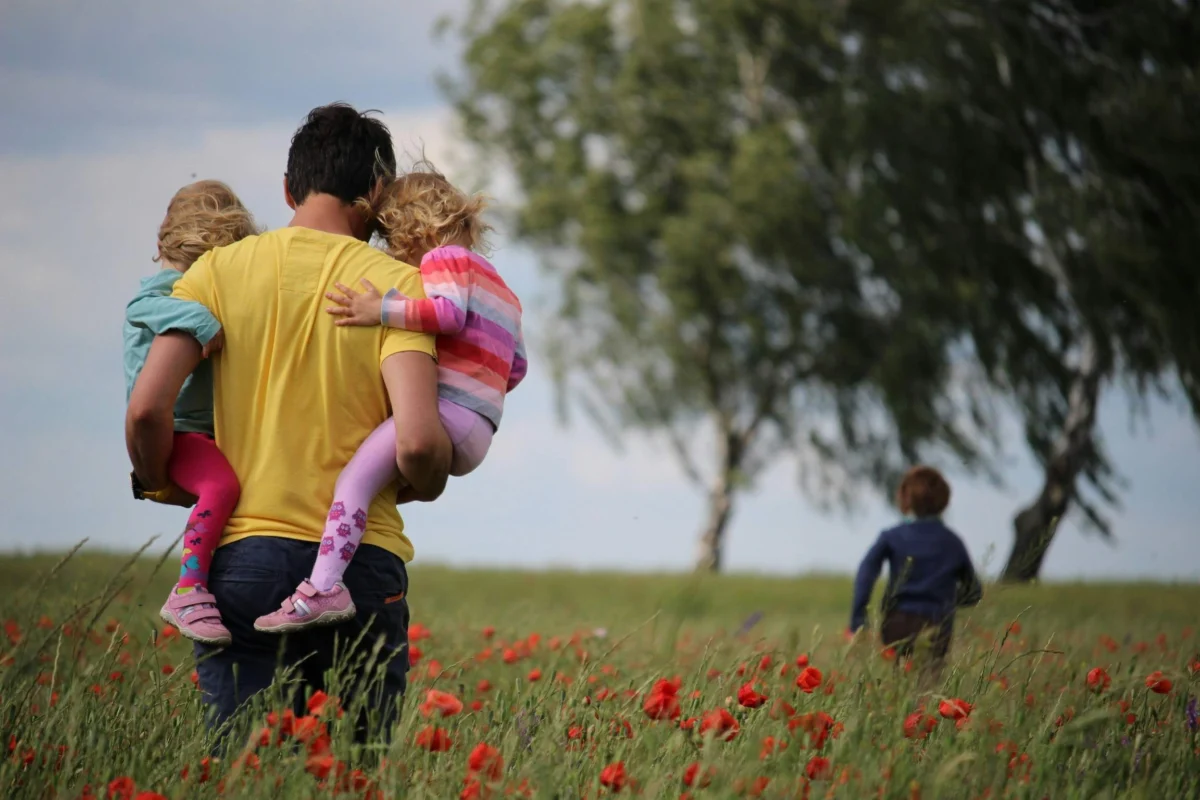
On Mother’s Day, a scene observed at a local garden center underscored a profound connection between tending to plant life and the essence of caregiving. While many mothers, including the author, sought solace and joy amidst burgeoning blooms, finding their "happy place" in the verdant aisles, it prompted a broader reflection on who society typically associates with nurturing roles and how these perceptions might evolve. The delightful interactions between mothers and their children, eagerly selecting plants to cultivate at home, highlighted a fundamental human inclination towards growth and stewardship. This observation, however, raises a pertinent question about the approaching Father’s Day: Will the same cultural embrace of nurturing activities extend to fathers, or will traditional narratives continue to dominate?
The modern understanding of parenthood increasingly emphasizes the shared responsibilities and profound psychological impacts on all caregivers, not just biological mothers. This evolving perspective suggests that activities traditionally associated with maternal care, such as gardening, offer significant benefits for fathers, enriching their lives and reinforcing their critical role in family ecosystems.
The Enduring Allure of the Garden: A Sanctuary for Caregivers
Gardening, at its core, mirrors care work in countless ways. Anyone who has spent an afternoon engaged in the cyclical demands of a garden understands the patience, consistency, resilience, and hope required. From the seemingly thankless task of weeding to the meticulous nurturing of a seed as it slowly unfurls into its fullest expression, the garden demands an investment of self that closely parallels the journey of parenthood.
Research consistently highlights the multifaceted benefits of engaging with nature and gardening. Studies from institutions like the University of Exeter and Wageningen University have demonstrated that simply spending time in green spaces can measurably reduce stress levels, lower cortisol production, and decrease blood pressure. The act of gardening, which often involves moderate physical activity, further contributes to overall physical health, boosting vitamin D levels and improving dexterity.
Beyond the physiological, gardening offers profound psychological advantages. It provides an opportunity for "soft fascination," a concept within Attention Restoration Theory (ART). This diffuse attentional state allows the brain, freed from immediate task demands, to experience relaxation, make new connections, and restore depleted attention. Parents, in particular, face immense demands on their attentional resources. The mental respite offered by the gentle engagement with natural processes – observing a bee pollinate, feeling the soil, or watching a seedling sprout – can be a powerful antidote to parental burnout, offering a built-in salve for the mind. Many report returning from a garden session feeling refreshed, creatively stimulated, and in a significantly improved mood.
Moreover, gardening cultivates mindfulness and an appreciation for awe and beauty in the process, rather than solely at a predetermined end point. Similar to parenthood, where joy and fulfillment often reside in the everyday moments rather than specific milestones, the garden teaches us to cherish the journey. As scientific inquiry into the psychology of awe, led by researchers like Dacher Keltner, suggests, experiences of awe positively impact wellbeing, fostering humility, prosocial behavior, and a sense of interconnectedness. Whether it’s the discovery of a robin’s perfectly pale blue eggs or the slow unfurling of a new leaf, the garden is replete with opportunities to cultivate this vital emotional muscle.
Gardening as a Metaphor for Nurturing: The Parallels with Parenthood
The adage that parenting often involves more "joy-fun" than "fun-fun"—meaning it is deeply rewarding and fulfilling, yet doesn’t always provide immediate gratification—is equally true in the garden. A newly planted fig tree seedling does not immediately bear fruit; an asparagus plant requires three years to root and mature before it is ready for harvest. Both endeavors demand foresight, a commitment to long-term investment, and the acceptance of delayed gratification.
The parallels extend further:
- Weeding: Like addressing challenges or difficult phases in a child’s development, weeding is a continuous task that, while sometimes thankless, is essential for healthy growth.
- Pruning: Similar to setting boundaries or providing gentle guidance, pruning helps shape growth, ensuring resources are directed optimally and preventing overgrowth that could harm the plant.
- Feeding and Watering: This directly translates to providing consistent nourishment, love, and resources to a child, ensuring their fundamental needs are met for flourishing.
- Protecting from Pests: Just as parents safeguard their children from harm, gardeners protect their plants from disease, pests, and adverse conditions, demonstrating a deep commitment to their wellbeing.
These acts of care, whether for a child or a plant, foster a profound sense of responsibility and connection. They train individuals in the virtues of patience, observation, and gentle intervention, qualities that are indispensable for effective caregiving in any context.
Re-evaluating Fatherhood: The Emerging Landscape of "Dad Brain"
Historically, research on parenthood has predominantly focused on mothers, often overlooking or understating the father’s experience. This gap perpetuated a cultural narrative that positioned fathers primarily as providers rather than primary caregivers. However, the late 20th and early 21st centuries have witnessed a significant shift, both socially and scientifically, in understanding fatherhood.
Groundbreaking studies at the intersection of neuroscience and psychology, as highlighted by researchers like Darcy Saxbe in her work on "Dad Brain," are revealing that the capacity for caretaking is not exclusive to biological mothers. Instead, neural circuitry associated with caregiving is activated by the act of caretaking itself, independent of pregnancy or birth. This scientific revelation fundamentally challenges long-held assumptions about gendered caregiving roles.
Neuroimaging studies have shown that fathers who act as primary caregivers experience significant physiological brain changes previously attributed almost exclusively to biological mothers. These changes include increases in grey matter volume in areas critical for empathy, social cognition, and emotional processing, such as the prefrontal cortex, amygdala, and hypothalamus. Hormonal shifts, including elevated levels of oxytocin (the "bonding hormone") and vasopressin, are also observed in engaged fathers. These adaptations create "co-parenting brain networks," demonstrating a remarkable neural plasticity in response to active involvement in childcare. This research underscores that the brain is profoundly shaped by experience, and the consistent engagement in nurturing activities literally rewires individuals for enhanced caregiving capacity.
These findings have profound implications. They validate what many fathers have long known intuitively: their capacity for deep emotional connection and hands-on nurturing is not only present but actively developed through their engagement with their children. This scientific backing provides a powerful argument for fostering and celebrating fathers’ roles as essential, active caregivers.
The Modern Father’s Paradox: Meaning, Stress, and the Need for Support
The shift towards more engaged fatherhood brings with it both immense rewards and new challenges. A majority of fathers today report deriving significant meaning and feelings of purpose from parenthood, valuing their active role in their children’s lives. This increased involvement is a positive societal development, strengthening family bonds and providing children with richer, more diverse support systems.
However, this increased engagement also presents a paradox. Studies indicate that fathers who take on primary caregiver roles are often more vulnerable to the mental health challenges associated with modern parenthood. This vulnerability can stem from a variety of factors:
- Societal Expectations: While norms are changing, fathers may still face subtle societal pressures to conform to traditional masculine roles, potentially leading to internal conflict or a lack of validation for their caregiving efforts.
- Lack of Established Support Networks: Unlike mothers, who often have more readily available peer support groups or established social networks focused on caregiving, fathers might find fewer similar resources, leading to feelings of isolation.
- Work-Life Balance Struggles: Fathers often navigate demanding professional careers alongside significant caregiving responsibilities, leading to increased stress and difficulties in achieving work-life balance.
- Financial Pressures: Traditional expectations of fathers as primary financial providers can exacerbate stress, particularly when combined with extensive caregiving duties.
These factors highlight a critical need for accessible and sustainable practices of stress management and wellbeing for fathers. Just as for any parent, these tools are essential for maintaining mental health amidst the demands of modern parenting. Gardening, with its documented benefits for wellbeing, quality of life, and health, emerges as a particularly powerful and accessible practice.
Cultivating a New Narrative for Father’s Day: Beyond the Stereotype
Father’s Day, while intended to honor fathers, often reinforces traditional, sometimes limiting, cultural messages about their roles, needs, and desires. Originating in the early 20th century through the efforts of figures like Sonora Smart Dodd, Father’s Day initially sought to recognize the contributions of fathers to family and society. However, over time, its commercialization and traditional gift-giving often gravitated towards stereotypes of masculinity: tools, ties, sports memorabilia, or activities focused on recreation rather than nurturing. This stands in contrast to Mother’s Day, which more explicitly celebrates the caregiving, emotional labor, and nurturing aspects of motherhood.
If we pause to consider the values we truly wish to cultivate as a society regarding parenthood, we might see how intentionally integrating activities like gardening into Father’s Day traditions could serve as a powerful cultural mirror. By encouraging fathers to engage with and celebrate their capacity for patience, gentleness, and tender stewardship through gardening, we can offer them significant psychological and health benefits. More importantly, we can publicly reinforce their essential role within complex networks of care.
This isn’t about prescribing a "right" way to celebrate Father’s Day, but rather about expanding the cultural imagination of what fatherhood entails. When society genuinely takes a father’s role as a caregiver seriously, the positive ripple effects are manifold. It bolsters support systems for children, provides more equitable recognition of care work, and validates the diverse ways individuals contribute to family wellbeing.
By deliberately including fathers in rituals, communities, and activities that have historically been more associated with mothers – by inviting them into the garden, so to speak – we can extend our collective understanding of who desires, deserves, and has a duty to care for living things. This shift in perception benefits not only fathers, but also challenges entrenched gender norms that limit both men and women, ultimately fostering a more balanced and supportive environment for all caregivers.
Practical Applications: Mindful Gardening for Fathers and Families
To encourage fathers to embrace gardening as a tool for wellbeing and caregiving, several mindful practices can be adopted:
- Start Small and Accessible: Begin with a small container garden on a balcony, a window box, or a raised bed. Herbs, cherry tomatoes, or simple flowers are excellent starting points that offer quick gratification and build confidence.
- Involve Children: Turn gardening into a family activity. Assign age-appropriate tasks: younger children can water plants or plant large seeds, while older children can help with weeding, harvesting, or planning the garden layout. This fosters shared responsibility, teaches valuable life lessons, and strengthens family bonds.
- Cultivate Mindful Engagement: Encourage fathers to approach gardening as a meditative practice. Focus on sensory details: the scent of damp earth, the feel of soil between fingers, the vibrant colors of blooms, the sound of buzzing bees. This present-moment awareness enhances the restorative power of the activity.
- Explore Community Gardening: Joining a local community garden, participating in plant shares, or volunteering at a school garden can provide social connection, learning opportunities, and a sense of belonging. These communal aspects address the potential for isolation some fathers might experience.
- Embrace Learning and Experimentation: Encourage fathers to view gardening as an ongoing learning process. Reading gardening books, watching instructional videos, or experimenting with new plants can be a source of intellectual stimulation and personal growth.
- Celebrate Small Victories: Acknowledge and celebrate every sprout, every bloom, every ripe vegetable. These small successes reinforce the rewards of patience and consistent care, mirroring the joys of witnessing a child’s growth and achievements.
Sowing the Seeds of Change
The act of gardening is more than just a hobby; it is an investment in something that needs nurturing, a serious commitment to care for a living thing. Its inherent qualities—patience, resilience, the cultivation of beauty, and the embrace of process over outcome—make it a uniquely poignant activity for fathers. By recognizing and actively promoting gardening as a valuable practice for men, we do more than just offer a stress-management tool; we actively participate in redefining fatherhood for the 21st century. We acknowledge fathers not just as providers or playmates, but as essential, nurturing caregivers whose capacity for tenderness and stewardship is vital for the health and happiness of their families and communities. As we move forward, fostering this broader understanding of care work, and inviting fathers into the rich, rewarding world of the garden, promises to sow the seeds of a more equitable, supportive, and flourishing society for all.