Angie Faith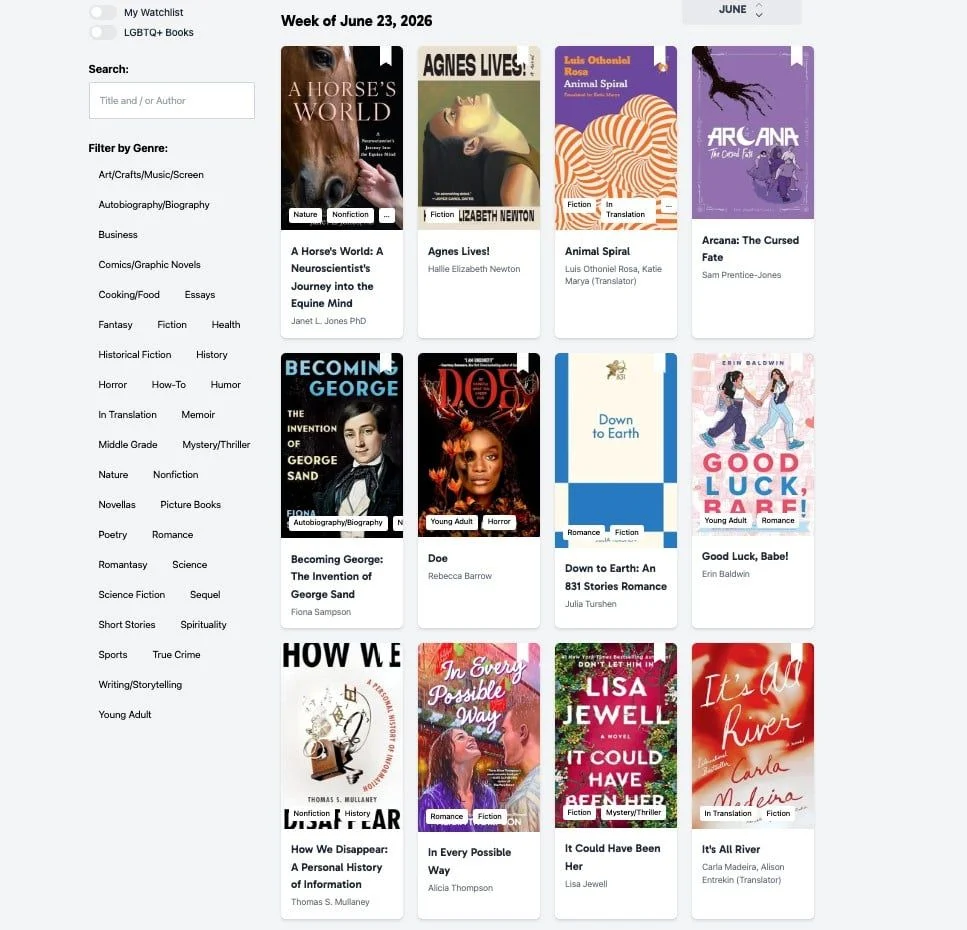
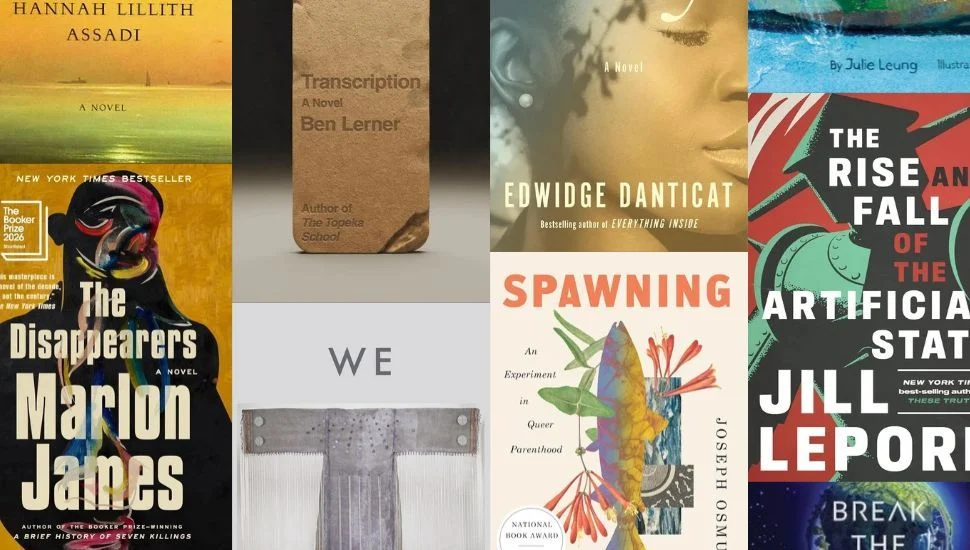
In the dynamic and ever-evolving world of publishing, the sheer volume of new book releases presents a significant challenge for readers seeking to stay abreast of compelling titles. Each month, a veritable flood of new works emerges, vying for attention and space on readers’ burgeoning "To Be Read" (TBR) lists. This proliferation, while a boon for literary diversity, often leads to discerning readers losing track of their most anticipated acquisitions. Frequently, the most visible titles are those benefiting from substantial marketing budgets, potentially overshadowing equally noteworthy books that receive less fanfare. This reality necessitates a more streamlined and accessible approach to discovery.
The Genesis of a Solution: Addressing Reader Overwhelm
The dilemma of keeping up with new releases without it becoming an overwhelming, time-consuming endeavor has long been a point of discussion within the literary community. Traditional methods, such as meticulously cataloging reviews, maintaining complex spreadsheets, or relying solely on bestseller lists, can feel like a part-time job in themselves. Recognizing this pervasive challenge, Book Riot, a prominent online literary publication, has introduced an innovative tool designed to simplify the process: the New Release Index.
Introducing the New Release Index: A Curated Database for Discerning Readers
The New Release Index functions as a meticulously curated database specifically designed to track upcoming book releases. This platform, developed by the editorial team at Book Riot, offers a systematic and organized approach to discovering new literary works. Its core functionality lies in its chronological organization by release date, allowing users to visualize the literary pipeline in a clear and intuitive manner. Furthermore, the Index provides robust filtering capabilities, enabling readers to narrow their search by specific genres, ensuring that their discovery process is tailored to their individual reading preferences.
The interface of the New Release Index is designed for ease of use. Users are presented with a visual display of book covers, facilitating an immediate and engaging browsing experience. The visual presentation allows for a quick assessment of potential interest. Upon encountering a cover that captures their attention, users can click for a more in-depth look. This action reveals comprehensive book descriptions, providing essential details about the plot, author, and themes. For those who wish to bookmark titles for future consideration, the Index offers a convenient "Watchlist" feature, allowing users to save their selections for easy access and reference.
A Sneak Peek into Upcoming Literary Offerings
A recent glimpse into the New Release Index, specifically for the week of June 23, 2026, showcases the platform’s utility. This preview offered a snapshot of the diverse array of titles poised for release, highlighting the breadth of genres and subjects that the Index aims to encompass. The visual compilation of book covers served as a testament to the vibrant and ongoing creation within the literary world. This immediate accessibility to forthcoming publications is a crucial element in bridging the gap between anticipation and acquisition for avid readers.
The Impact of Increased Literary Output
The book publishing industry has witnessed significant growth in recent years. Data from industry reports consistently indicate an upward trend in the number of titles published annually. For instance, industry analyses from organizations like Publishers Weekly have frequently cited figures suggesting that the number of new titles, including self-published works, has reached into the millions globally each year. This exponential increase, while indicative of a healthy and thriving creative ecosystem, exacerbates the discovery problem for readers.

The proliferation of independent publishing and the ease of digital distribution have democratized the publishing process, leading to an unprecedented volume of content. While this offers greater opportunities for diverse voices and niche genres to find an audience, it also means that the sheer noise of new releases can be overwhelming. Without effective tools for navigation, readers may miss out on exceptional works that do not benefit from extensive traditional marketing campaigns.
Expert Perspectives on Discovery Tools
Literary critics and publishing analysts have often commented on the evolving landscape of book discovery. Dr. Eleanor Vance, a professor of contemporary literature at Sterling University, noted in a recent interview, "The challenge for readers today is not a lack of content, but rather an abundance. Tools that can curate, organize, and present new releases in an accessible, user-friendly manner are becoming indispensable. They act as essential filters in an increasingly saturated market."
Similarly, literary agent Sarah Chen commented on the industry’s perspective: "From a publisher’s standpoint, reaching the right audience for a book is paramount. Platforms like the New Release Index, which allow for targeted discovery by genre and release date, can significantly aid in connecting readers with books they are genuinely likely to enjoy. This ultimately benefits authors by ensuring their work finds its intended readership."
The Chronology of Literary Discovery Tools
The evolution of book discovery has paralleled technological advancements. In the early days of publishing, word-of-mouth and literary reviews in newspapers and magazines were the primary means of learning about new books. The advent of the internet and online bookstores like Amazon in the late 1990s revolutionized this, introducing algorithms and user reviews as key discovery mechanisms. However, these often focused on past purchases or broad popularity, not necessarily on upcoming releases that a reader might be anticipating.
The rise of book-focused blogs and social media platforms in the 2000s and 2010s brought about a more community-driven approach to discovery. Bookstagram, BookTok, and dedicated literary websites like Book Riot emerged, fostering discussions and recommendations. Yet, these platforms could still be fragmented, requiring readers to actively follow multiple sources. The New Release Index represents a logical progression, consolidating this information into a structured, database-driven format. It builds upon the principles of curated content and user-centric design that have proven successful in other digital information services.
Broader Implications for the Publishing Ecosystem
The introduction of a comprehensive tool like the New Release Index has several broader implications for the publishing ecosystem:
- Empowerment of Readers: It shifts the power dynamic back to the reader, providing them with the tools to actively seek out and discover books that align with their interests, rather than passively consuming what is heavily promoted.
- Support for Diverse Voices: By offering a platform that can highlight books across all genres and potentially lesser-known authors, it can contribute to greater visibility for diverse voices and independent publishers who may not have the resources for large-scale marketing.
- Data-Driven Insights: While not explicitly stated in its current description, such a platform can, over time, generate valuable data on reader interest in specific genres, authors, and release trends, providing insights for publishers, agents, and authors.
- Enhanced Engagement: By simplifying the discovery process, it can lead to increased engagement with new books and authors, potentially boosting sales and fostering a more vibrant literary culture.
- Mitigation of Marketing Bias: The Index serves as a counterpoint to the potential bias inherent in marketing-driven discovery, ensuring that quality literature, regardless of promotional budget, has a chance to be found.
The Future of Book Discovery
As the publishing industry continues to expand and reader consumption habits evolve, tools that offer efficient and personalized discovery will become increasingly vital. The New Release Index, by providing a structured, visually appealing, and filterable database of upcoming books, represents a significant step forward in addressing the challenges of literary overwhelm. Its success will likely pave the way for further innovations in how readers connect with the vast and ever-growing world of books. The commitment to curating and organizing this influx of new titles is a crucial service for bibliophiles worldwide, ensuring that the joy of literary discovery remains accessible and engaging for all.