
 Indra Kusuma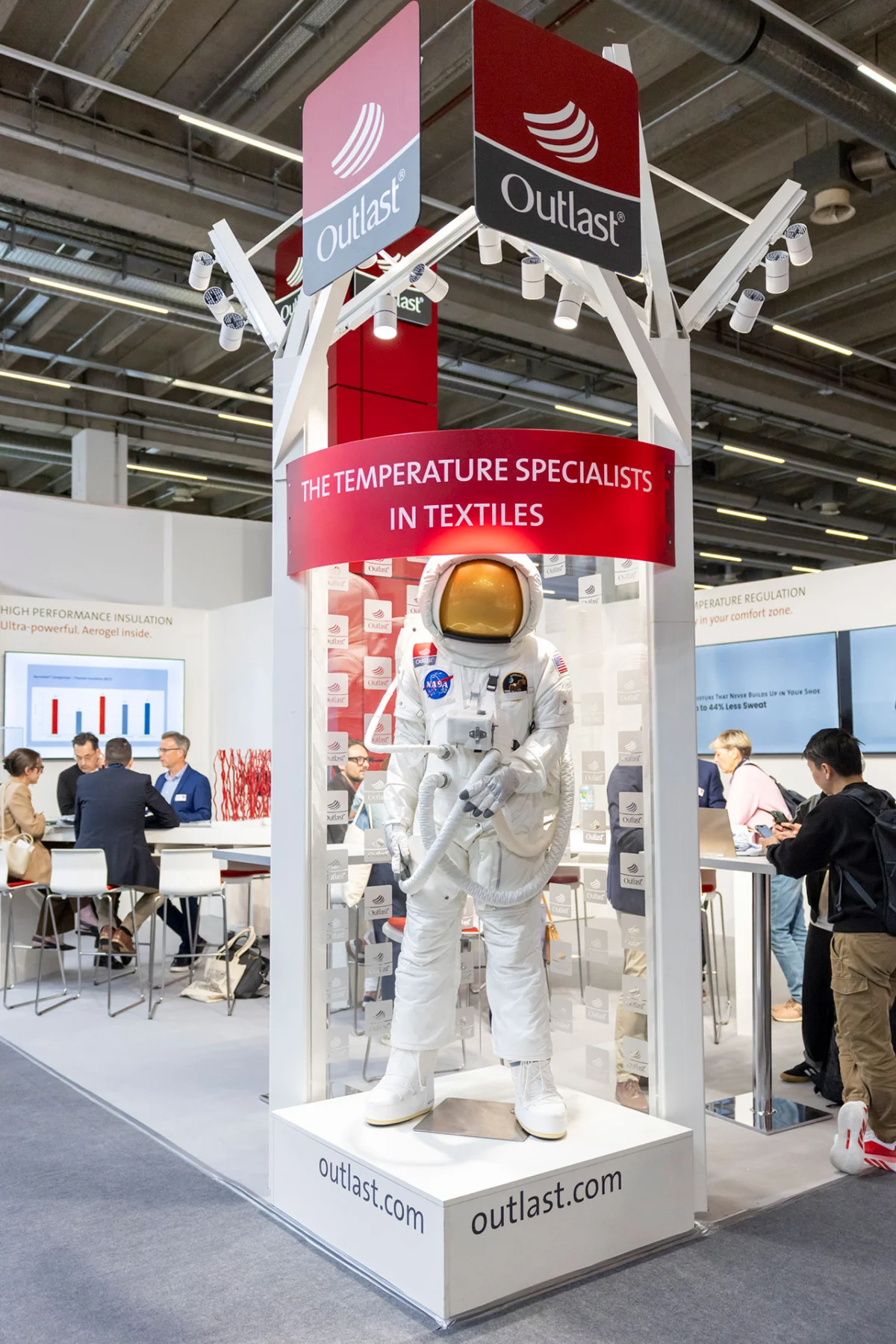
The textile industry, once perceived as a quiet segment of manufacturing, has demonstrably transformed into a dynamic powerhouse, now recognized as critical infrastructure, a nexus of advanced technology, a bulwark for protection, a linchpin in climate strategy, a complex logistical challenge, and a profound cultural signal. Modern fabrics are engineered to meet an astonishing array of demands simultaneously: they must breathe, stretch, resist flame, endure abrasion, minimize dependence on finite fossil resources, adhere to stringent safety standards, navigate sophisticated digital supply chains, and yet remain aesthetically desirable enough to be specified, purchased, worn, installed, or integrated into our daily lives. This intricate evolution places textiles squarely at the forefront of some of the most pressing questions confronting contemporary design and global industry: What are the true capabilities of advanced materials? How can these materials be manufactured with greater intelligence and efficiency? And, critically, what is the fastest pathway for innovation to transition from abstract concept to tangible, widespread application?
Messe Frankfurt’s Integrated Ecosystem: A Blueprint for Industry Progress
For Messe Frankfurt, a global leader in trade fair organization, the comprehensive answer to these multifaceted challenges lies in the cultivation of an integrated ecosystem. Through its trio of flagship events—Techtextil, Texprocess, and Heimtextil—the organization has meticulously constructed a interconnected series of platforms that collectively map the entire textile industry value chain. This spans from the foundational fiber and advanced material research to sophisticated manufacturing technologies, and from high-performance technical applications to extensive market-facing distribution channels. This strategic integration ensures that every facet of the textile world, from its nascent scientific discoveries to its final consumer touchpoints, is brought into a cohesive dialogue.
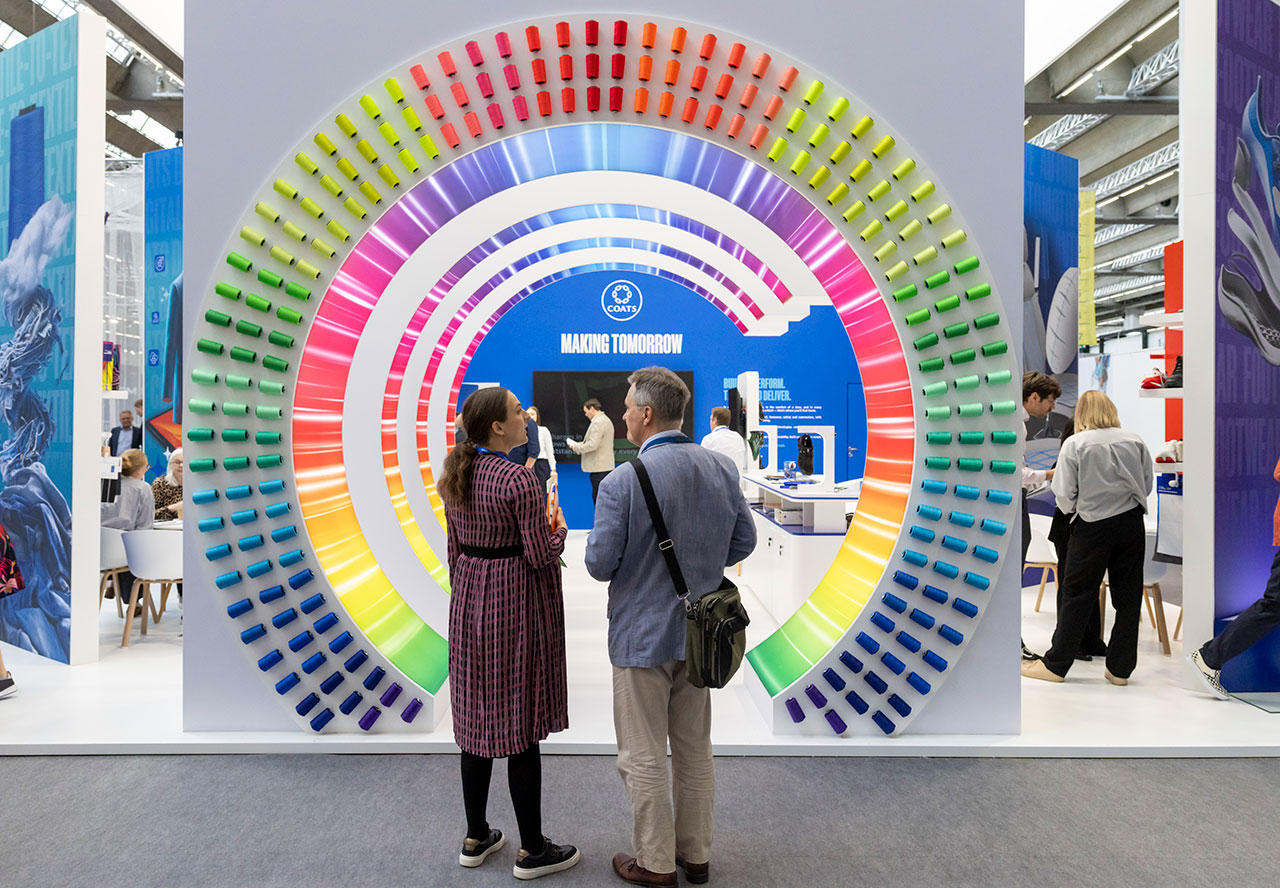
Techtextil, established as the leading international trade fair for technical textiles and nonwovens, showcases the pioneering materials and innovative applications that define the industry’s future. Texprocess, the premier international trade fair for processing textile and flexible materials, focuses on the machinery, automation, and digital solutions that enable efficient and sustainable production. Completing this powerful synergy, Heimtextil stands as the largest international trade fair for home and contract textiles, reflecting the aesthetic, functional, and sustainability trends shaping interiors. Together, these events create an unparalleled nexus for knowledge exchange, business development, and collaborative innovation, underscoring Messe Frankfurt’s pivotal role in shaping the trajectory of the global textile sector.
Techtextil and Texprocess 2026: A Confluence of Minds and Materials
The latest iteration of Techtextil and Texprocess in 2026 served as a powerful testament to this integrated approach. Attracting over 36,000 visitors and 1,700 exhibitors from 112 countries to the vibrant hub of Frankfurt, the fairs transcended the traditional static exhibition model. Instead, they operated as dynamic, working systems, facilitating active engagement and collaboration. This was particularly crucial during a period defined by persistent geopolitical uncertainty, intense cost pressures, escalating sustainability demands, and pervasive supply-chain disruptions. The strategic proximity of diverse stakeholders—including leading research institutions, cutting-edge technology providers, innovative manufacturers, skilled processors, global brands, and specialized application partners—created an optimal environment. This unique convergence fostered conditions where groundbreaking ideas could accelerate rapidly from mere possibility to practical application, addressing urgent industry needs with collective expertise.
The Catalyst for Collaboration: Olaf Schmidt on Fostering Innovation
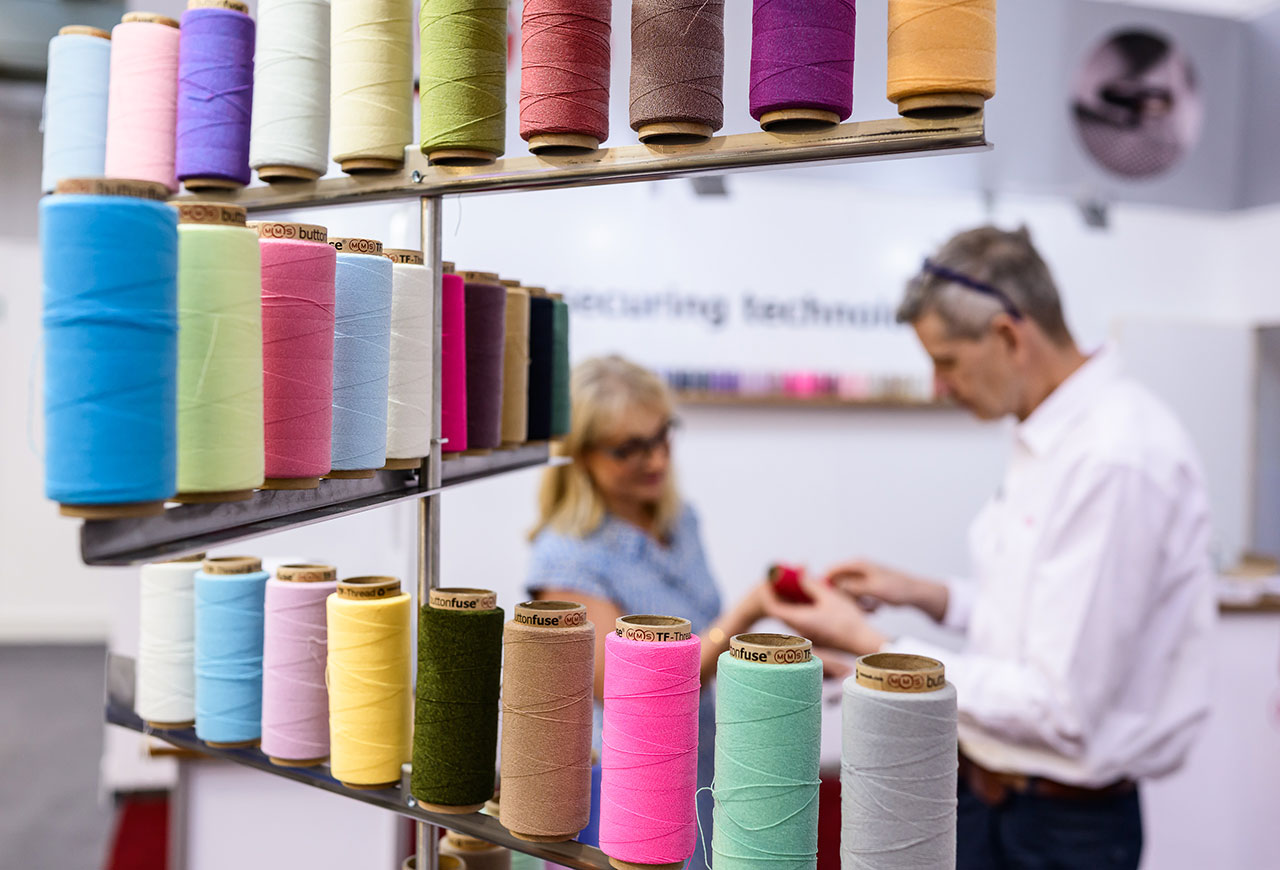
Olaf Schmidt, Vice President Textiles & Textile Technologies at Messe Frankfurt, underscored the evolving imperative for trade fairs to adapt to the industry’s increasingly complex demands. "The traditional role of trade fairs has significantly expanded," Schmidt remarked, emphasizing that "companies today are not just seeking products; they require new expertise, strategic partners, and immediate access to disruptive ideas." He elaborated on how Techtextil and Texprocess have strategically positioned themselves as essential partners for the industry. By deliberately bringing together players who might not otherwise connect, the fairs cultivate a crucial "connective tissue" that is indispensable for fostering innovation.
Schmidt highlighted that true innovation rarely emerges in isolation. Instead, it flourishes at the intersections where diverse disciplines collide and converge. He cited numerous examples observed at the fairs: the groundbreaking integration of material science with apparel design, the transformative application of artificial intelligence in cutting systems, the potential of bio-based chemistry to revolutionize agricultural textiles, the fusion of industrial safety standards with high fashion, and the critical role of advanced recycling technologies in empowering global consumer brands. This cross-pollination of ideas and expertise, actively facilitated by the Messe Frankfurt platforms, is central to unlocking the next generation of textile solutions and ensuring the industry’s resilience and future growth. The shared physical space allows for spontaneous interactions, serendipitous discoveries, and the forging of partnerships that are vital for navigating the current landscape of rapid technological change and market volatility.
Techtextil’s Vision: Redefining Performance Through Sustainable Materials
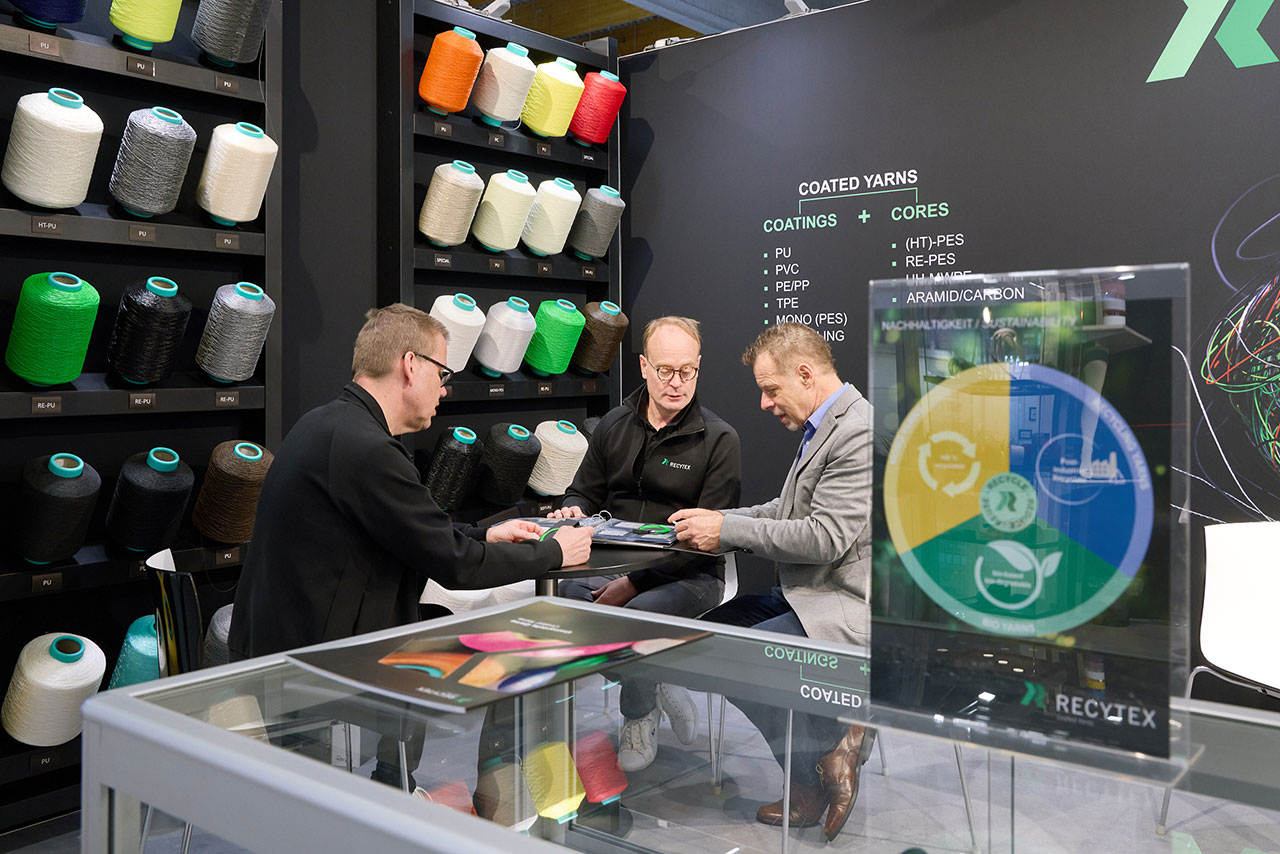
At Techtextil 2026, the tangible evidence of this convergence was overwhelmingly visible through the sheer breadth and depth of material innovation on display. A standout feature was the "Nature Performance" segment, which proudly showcased the contributions of over 110 exhibitors exclusively focused on developing and presenting natural and bio-based alternatives to traditional synthetic fibers. This robust presence underscored a profound paradigm shift in how "performance" is now fundamentally defined within the textile industry. While conventional metrics such as durability, breathability, heat resistance, and tear strength remain undeniably essential, they are no longer sufficient on their own.
The Rise of Nature Performance and Bio-Based Solutions
Increasingly, a truly high-performing textile must also provide compelling answers to critical environmental questions: How easily can it be recycled? Is it biodegradable at the end of its life cycle? What are its carbon dioxide savings compared to conventional options? And, crucially, how significantly does it reduce dependence on finite fossil resources? Exhibitors in this segment presented a range of industrially relevant and scalable solutions, including advanced compostable technical viscose fibers specifically engineered for agricultural applications, and pioneering bio-based polymers designed for widespread industrial integration. These innovations signify a concerted industry effort to merge ecological responsibility with uncompromising technical efficacy. Analysts present at the event noted a significant acceleration in the commercial viability of these sustainable alternatives, moving them from niche applications to mainstream industrial solutions. Market research suggests a projected double-digit growth in demand for bio-based textiles over the next five years, driven by both consumer preference and stricter environmental regulations.
Beyond Apparel: Advanced Textiles Across Critical Sectors
The industry’s commitment to sustainability has clearly transcended its former status as a mere brand-friendly afterthought. It has matured into a fundamental technical expectation, deeply embedded in the development and manufacturing processes. Materials are now rigorously evaluated not only for their mechanical prowess but also for their inherent environmental performance. Techtextil serves as the crucial platform where these advanced developments gain visibility, undergo rigorous testing, are meticulously compared, and are strategically connected with application partners across an astonishingly diverse array of sectors.
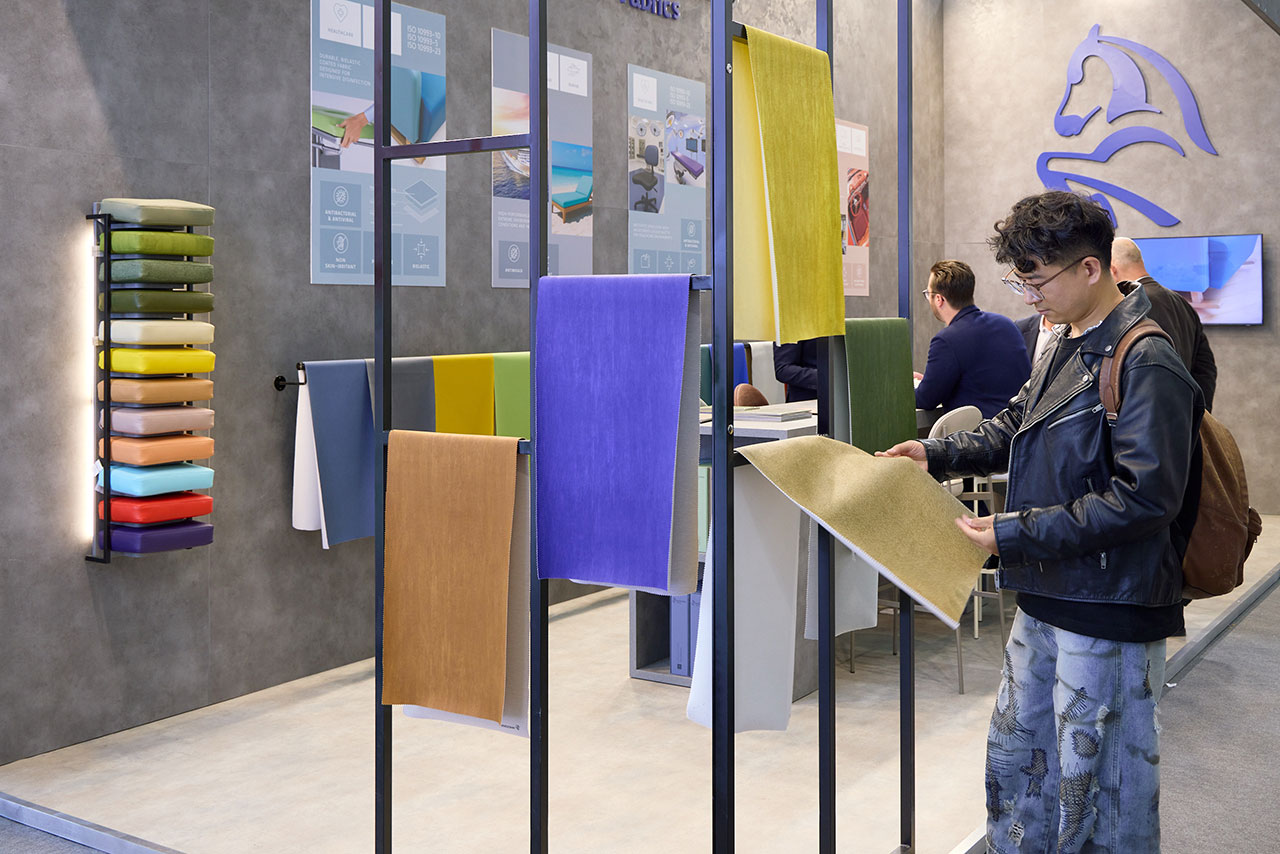
The scope of advanced textiles extends far beyond traditional apparel, impacting industries such as mobility, where lightweight and high-strength composites are revolutionizing vehicle design; construction, with smart textiles offering enhanced insulation and structural integrity; medicine, through biocompatible implants and advanced wound care; personal protection, with innovative materials for extreme environments; agriculture, utilizing biodegradable mulches and smart irrigation systems; sports, where performance-enhancing and injury-preventing fabrics are standard; and even high fashion, embracing sustainable and smart materials. Each of these sectors now views advanced textiles as indispensable for driving innovation, improving efficiency, and meeting evolving societal and environmental demands. The fair highlighted the interdisciplinary nature of these applications, with discussions ranging from smart sensing fabrics for patient monitoring to advanced geotextiles for infrastructure projects, demonstrating the pervasive influence of textile innovation.
Elevating Performance Apparel for Complex Environments
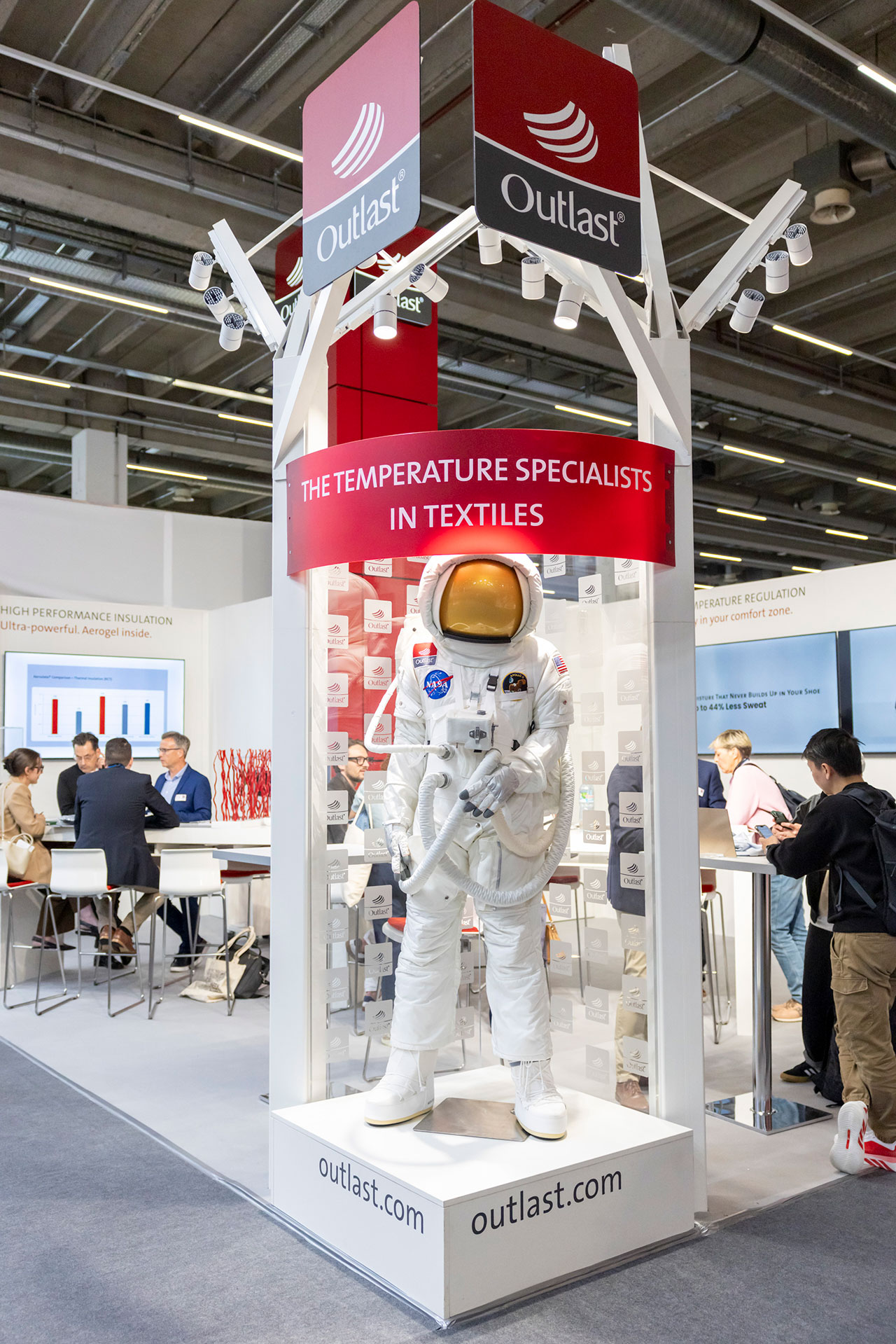
The Performance Apparel Textiles segment offered another unambiguous signal of the industry’s forward momentum. At Techtextil 2026, this vital segment experienced a remarkable doubling in size compared to its previous edition, a clear reflection of the escalating demand from a wide spectrum of critical markets. These include security and defense, civil protection agencies, outdoor adventure, professional sports, high fashion, military applications, and industrial safety. In these highly demanding arenas, materials cannot merely rely on aesthetic appeal. They are rigorously required to be standards-compliant, engineered to protect, adapt, endure, and provide robust support to the human body under the most specific and often extreme conditions. The future of apparel, when viewed through this lens, transcends the simple act of dressing identity. It is fundamentally about equipping individuals with the tools and capabilities necessary to navigate and thrive in increasingly complex and challenging environments, from outer space to hazardous industrial zones. Innovations such as phase-change materials for thermal regulation, ballistic-resistant fabrics, and smart textiles capable of monitoring vital signs were prominent, showcasing the depth of research and development in this critical sector.
Texprocess: Charting the Future of Textile Manufacturing
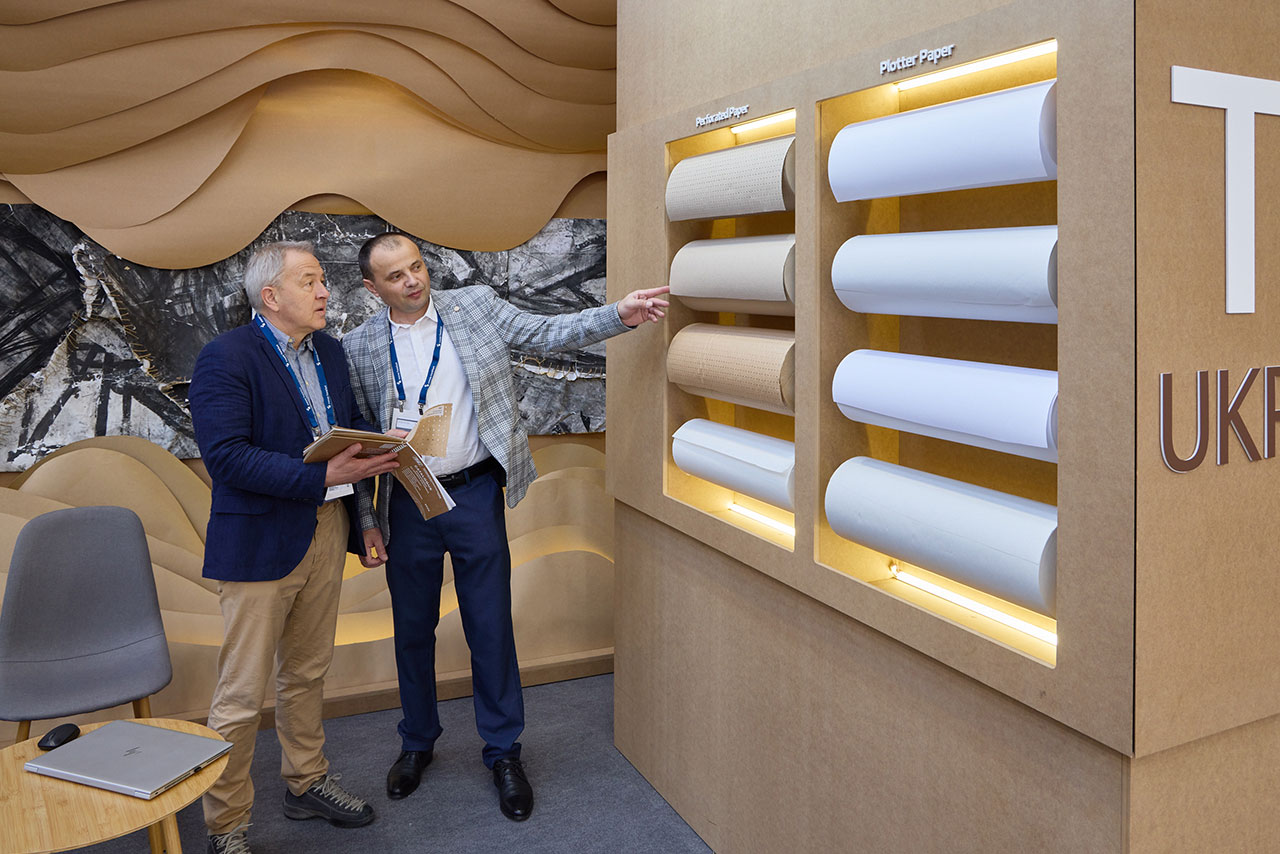
While Techtextil vividly illustrates the transformative potential of materials, Texprocess meticulously demonstrates the sophisticated methodologies employed in their creation. This is where progress pivots from the fundamental fiber and fabric to the intricate realm of system architecture. At its 2026 edition, Texprocess prominently featured connected solutions, which took center stage alongside the latest advancements in machinery. These solutions are designed to seamlessly link every critical stage of the production process: from initial design and comprehensive resource planning to advanced manufacturing, precision cutting, efficient sewing, strategic sourcing, and streamlined logistics.
The Dawn of Connected Production and AI Integration
Artificial intelligence emerged as a pivotal operational tool, demonstrating its capacity to significantly enhance numerous aspects of textile production. AI applications showcased at Texprocess included supporting accelerated product development cycles, enabling real-time decision-making on the factory floor, facilitating advanced artificial image processing for quality control, powering automated cutting systems for optimal material utilization, creating smart interfaces for intuitive machine interaction, and generally streamlining workflows for unprecedented efficiency. Industry experts at the event projected that the integration of AI could reduce production lead times by up to 20% and material waste by 15% within the next decade.
From Linear to Agile: The Imperative of Integrated Systems
Looking ahead, sustained competitiveness within the textile industry will depend less on isolated bursts of innovation and far more on the seamless integration of sophisticated systems. Manufacturers, operating under relentless pressure to accelerate production, minimize waste, and maintain robust profitability, are increasingly reliant on connected production models capable of responding dynamically to real-time market demand fluctuations. This necessitates the pervasive adoption of digital workflows and the intelligent utilization of actionable data to forge robust links between product development, sourcing strategies, production planning, actual manufacturing, and complex logistics. The shift is decisively moving away from rigid, linear production systems towards more flexible, resource-efficient, and agile models that possess the inherent capacity to adapt swiftly and effectively to volatile global markets. Texprocess provided a platform for showcasing these Industry 4.0 paradigms, including the use of digital twins for virtual prototyping and optimization, and blockchain technology for enhanced supply chain transparency and traceability.
A Forward-Looking Perspective: Messe Frankfurt as an Innovation Enabler
In an era where a significant portion of the global industry is being compelled to accelerate its pace of innovation and transformation, Messe Frankfurt offers a unique and invaluable proposition: a platform that is simultaneously fast-moving and deeply grounded in reality. Here, groundbreaking innovations are not merely presented; they are rigorously stress-tested against the demanding criteria of real markets, validated against existing production systems, and evaluated in the context of tangible production needs. Techtextil, Texprocess, and Heimtextil collectively serve as indispensable instruments, actively enabling and shaping what is next for the global textile industry. They are critical catalysts for fostering a future where materials are smarter, production is more efficient, and sustainability is an intrinsic quality, not an add-on.
The Broader Impact: Shaping a Resilient and Sustainable Textile Future
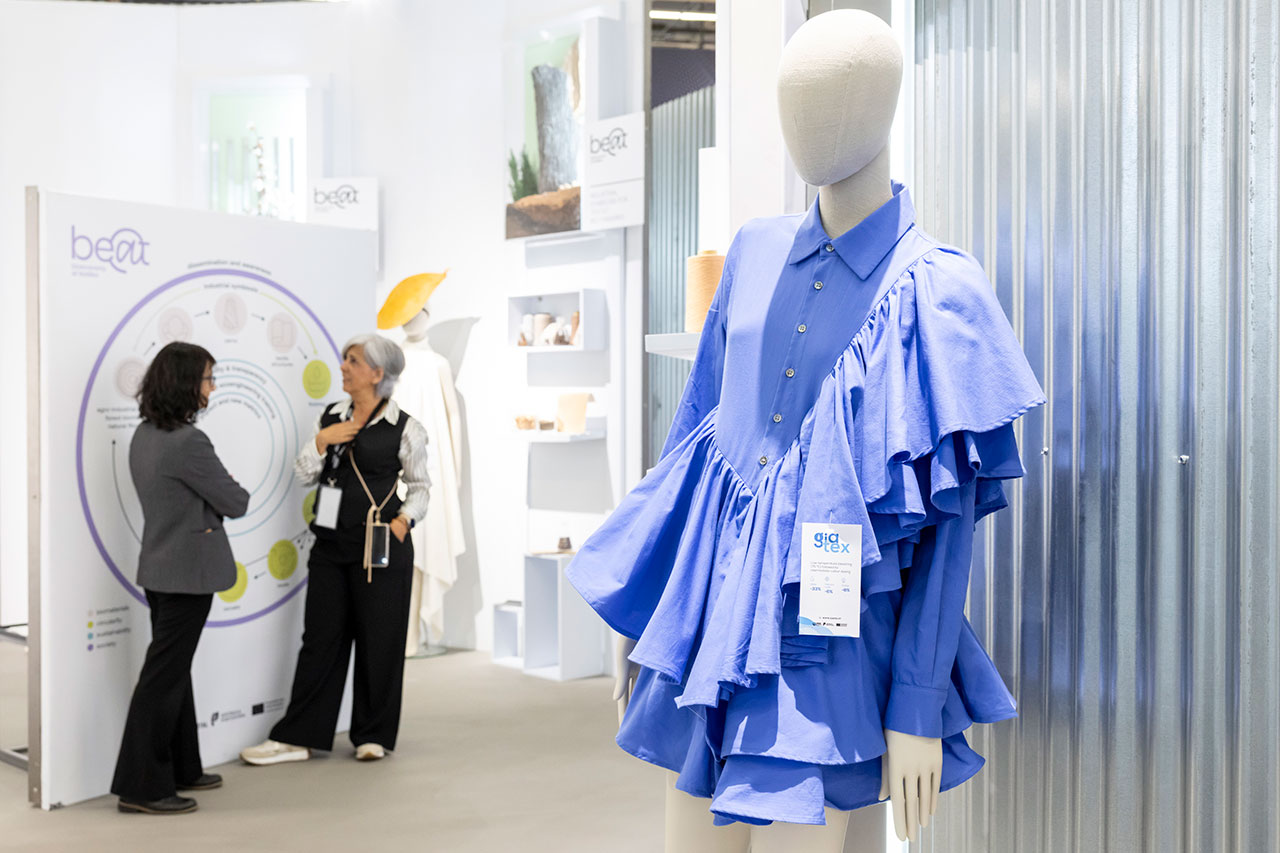
The long-term implications of the developments showcased at Messe Frankfurt’s textile events are far-reaching. They point to an industry that is rapidly becoming more resilient, intelligent, and environmentally conscious. The emphasis on bio-based materials and circular economy principles, combined with the push for digital transformation and AI integration in manufacturing, positions the textile sector as a leader in sustainable industrial practices. This collaborative ecosystem fostered by Messe Frankfurt not only addresses current challenges but also lays the groundwork for a future where textiles contribute significantly to global climate goals, enhance human well-being, and drive economic growth through responsible innovation. The synergy between material science, production technology, and market application, continuously nurtured by these fairs, ensures that the textile industry remains at the cutting edge, poised to deliver solutions for an ever-evolving world.
To learn more about these transformative events and other activations by the company, visit messefrankfurt.com.
Photography courtesy of Messe Frankfurt.







