
 Ali Ikhwan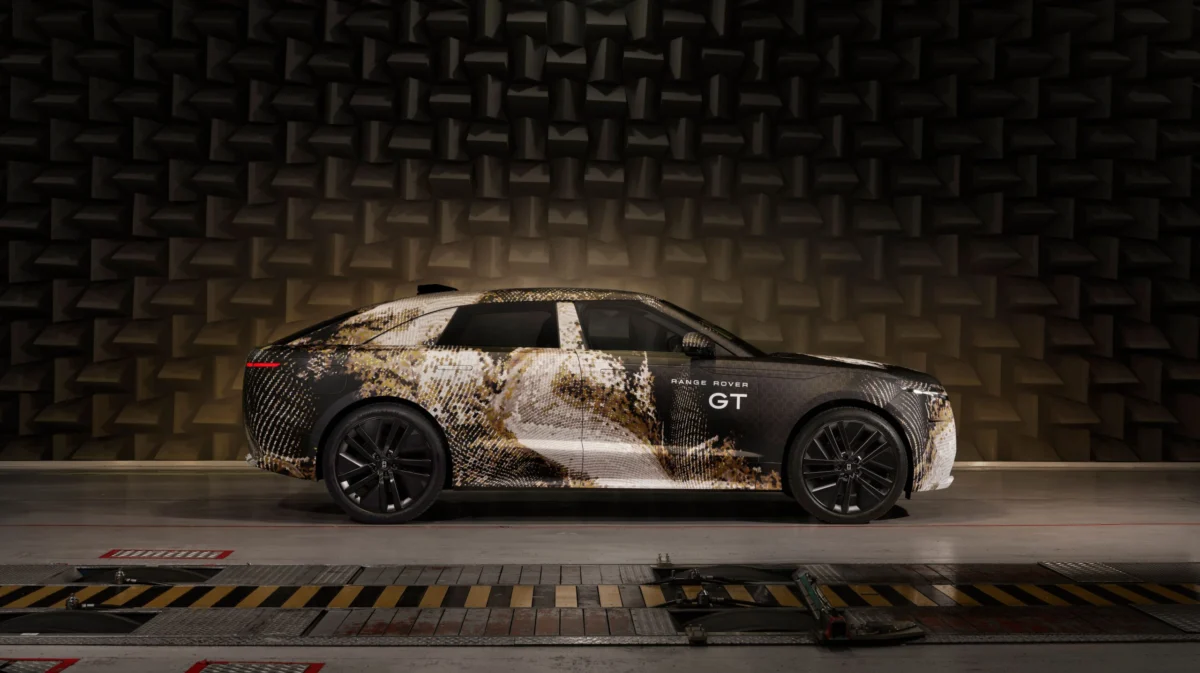
In a strategic pivot that signals a major evolution for the brand, Range Rover has officially confirmed the development of a fifth vehicle for its global portfolio: the Range Rover GT. This upcoming model represents a radical departure from the marque’s traditional focus on high-riding SUVs, entering the competitive all-electric grand tourer segment. Built on the company’s specialized Electrified Modular Architecture (EMA), the Range Rover GT is designed to serve as a high-performance, long-distance cruiser that maintains the brand’s hallmark luxury while embracing a more aerodynamic, road-focused silhouette.
The announcement comes as JLR (formerly Jaguar Land Rover) continues its multi-billion-dollar "Reimagine" strategy, an initiative aimed at transforming the British automaker into an electric-first luxury powerhouse. While Range Rover has primarily released camouflaged prototype images to date, the vehicle is currently undergoing rigorous final testing cycles across various climates and terrains to ensure it meets the rigorous standards of the brand. Although full technical specifications—including battery capacity, horsepower, and total range—remain closely guarded, JLR has confirmed that the Range Rover GT is scheduled to reach customers by 2027.
Engineering and the Electrified Modular Architecture (EMA)
The Range Rover GT will be the first vehicle to showcase the full potential of JLR’s Electrified Modular Architecture (EMA). Unlike the Modular Longitudinal Architecture (MLA), which supports the current flagship Range Rover and Range Rover Sport and allows for internal combustion engines, EMA is an "electric-first" platform. This architecture has been specifically engineered to accommodate advanced battery technologies and high-efficiency electric motors while maximizing interior space.
The EMA platform is central to JLR’s future product roadmap. In addition to the Range Rover GT, this architecture will underpin a new generation of mid-sized luxury vehicles, including the all-electric successors to the Range Rover Evoque and the Land Rover Discovery Sport. It will also be the foundation for the highly anticipated "Baby Defender," a more compact version of the rugged off-roader, and an electric successor to the Range Rover Velar. By utilizing a shared architecture across these diverse models, JLR aims to achieve significant economies of scale and manufacturing efficiencies at its Halewood plant in the United Kingdom.
While the GT will debut as a pure electric vehicle (BEV), JLR has indicated that the EMA platform is flexible enough to allow for hybrid variants later in the vehicle’s lifecycle. This provides a strategic hedge against fluctuating global EV adoption rates, ensuring the Range Rover GT remains viable in markets where charging infrastructure may lag behind.
Design Philosophy: A Departure from the Traditional SUV Silhouette
The most striking aspect of the Range Rover GT, as revealed in prototype imagery, is its aesthetic. Traditionally, Range Rover has been defined by its "floating roof," upright stance, and commanding presence. The GT, however, adopts a sleek, low-slung silhouette with coupe-like proportions. This design language is more commonly associated with its sister brand, Jaguar, than with a marque known for conquering the Sahara.

The GT’s exterior emphasizes aerodynamic efficiency, a critical factor in extending the range of high-performance electric vehicles. Despite the lower profile, the vehicle retains signature Range Rover elements, such as the clean surfacing and the "reductive" design philosophy championed by JLR’s Chief Creative Officer, Gerry McGovern.
Internally, the cabin represents a further evolution of the brand’s minimalist aesthetic. Prototype images show a clean, uncluttered dashboard featuring a slender driver’s display and a large, high-definition central touchscreen. In a move that diverges from a growing industry trend of returning to physical buttons for safety and ease of use, Range Rover appears to have doubled down on digital interfaces. The GT’s interior lacks traditional switchgear for climate control and media, delegating those functions to the central haptic interface.
To maintain its luxury credentials, the GT offers a spacious rear cabin with significant legroom, a panoramic glass roof that tapers toward the rear, and high-end materials. Innovative touches include concealed air vents that span the width of the dashboard and audio speakers hidden behind premium textiles, creating a "sanctuary" environment for long-distance travel.
Market Positioning and Internal Competition
One of the most significant challenges facing JLR is the potential for market overlap between the Range Rover GT and the upcoming Jaguar Type 01. Both vehicles are all-electric four-door grand tourers. Both are slated for a 2027 release. Both target the ultra-luxury demographic, and both are produced by the same parent company.
However, JLR management insists that the two models cater to distinct buyer profiles. Martin Limpert, Global Managing Director at Range Rover, stated that the GT is intended to "redefine the grand-touring segment" by blending "GT poise" with "all-terrain capability." This latter point is the key differentiator; while the Jaguar Type 01 is a road-focused performance machine intended to compete with the likes of the Porsche Taycan and the Lucid Air, the Range Rover GT is engineered to handle light off-roading, maintaining the "go-anywhere" DNA of its predecessors.
"We have spent the last few years working obsessively on the fundamentals of the GT formula, reinterpreted in a sophisticated, uniquely Range Rover way," Limpert noted. "The result is the most car-like Range Rover ever created."
The distinction also extends to the underlying hardware. While the Range Rover GT utilizes the EMA platform, the Jaguar Type 01 is built on the larger MLA (Modular Longitudinal Architecture), the same platform used for the full-sized Range Rover Electric. This suggests that the Jaguar may be larger and potentially more powerful, while the Range Rover GT focuses on a more agile, mid-sized footprint.

Chronology of Development and Production
The journey toward the Range Rover GT began in 2021 with the announcement of the "Reimagine" strategy. The timeline for the vehicle’s rollout reflects the complexity of developing an entirely new platform and vehicle type simultaneously:
- 2021: JLR announces the shift toward electrification and the development of the EMA platform.
- 2023: Initial rumors of a "low-slung" Range Rover begin to circulate in the automotive press.
- Early 2024: JLR confirms the expansion of the "House of Brands" (Range Rover, Defender, Discovery, Jaguar) and begins testing GT prototypes.
- Late 2024: Expected full global reveal of the Range Rover GT, including final design and performance specifications.
- 2025-2026: Pre-production testing and tooling of the Halewood manufacturing facility.
- 2027: Official market launch and first customer deliveries.
The Halewood plant in Merseyside, UK, is currently undergoing a massive transformation to become an all-electric production hub. The investment in this facility is a cornerstone of JLR’s commitment to British manufacturing, ensuring that the next generation of Range Rovers continues to be built in the brand’s home country.
Broader Implications for the Luxury EV Sector
The introduction of the Range Rover GT is a calculated risk. By moving away from the SUV format that has made the brand a global success, JLR is testing the elasticity of the Range Rover nameplate. Industry analysts suggest that the move is necessary to lower the brand’s fleet-wide carbon footprint and to appeal to a younger, urban-dwelling demographic that may find a traditional SUV too cumbersome for city environments but still desires the prestige associated with the Range Rover badge.
Furthermore, the GT enters a market that is increasingly crowded with high-end electric grand tourers. Beyond internal competition from Jaguar, the Range Rover GT will face off against established rivals like the Audi e-tron GT and upcoming electric offerings from Bentley and Maserati.
The success of the GT will likely depend on whether JLR can successfully market the "all-terrain" aspect of the vehicle. If the Range Rover GT can truly offer a level of off-road capability that its competitors cannot, it will occupy a unique niche: the world’s first "all-road" luxury electric grand tourer.
Official Responses and Strategic Outlook
In response to inquiries regarding the overlap between the GT and Jaguar’s offerings, a JLR spokesperson emphasized the "House of Brands" strategy. "Range Rover and Jaguar are two very different brands, and the vehicles sold under each are very different propositions," the spokesperson said. "The Range Rover GT is a new take on the Range Rover formula, the first vehicle to sit on the EMA platform, retaining Range Rover’s all-terrain capability."
As the automotive industry moves closer to the 2030s, the Range Rover GT serves as a bellwether for the brand’s survival in a zero-emissions world. By diversifying its lineup and investing heavily in a dedicated electric architecture, JLR is attempting to ensure that Range Rover remains synonymous with luxury travel, regardless of whether that travel takes place on a rugged mountain pass or a high-speed motorway. The coming months will be critical as the company begins to peel back the camouflage and reveal the technical prowess that will define the most "car-like" Range Rover in history.







