
 Ali Ikhwan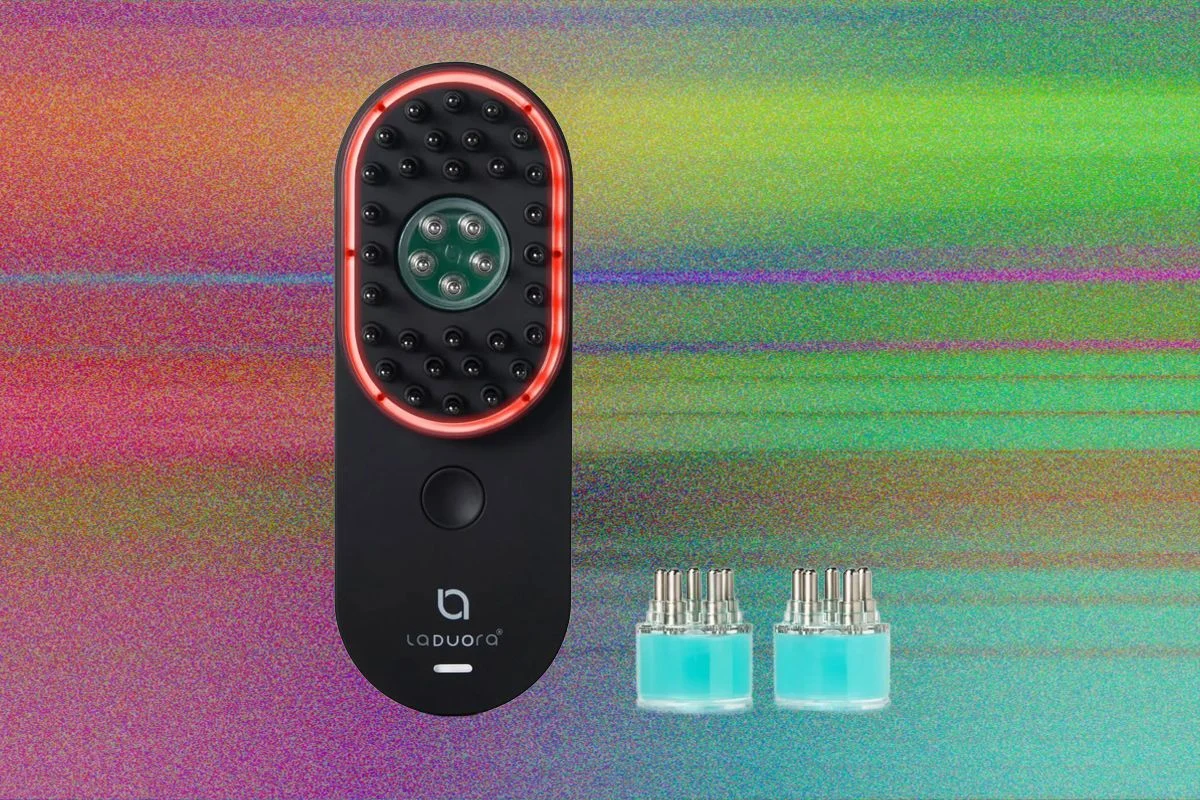
The global hair care market is currently undergoing a significant shift toward "skinification," a trend where scalp health is treated with the same level of technological sophistication as facial skincare. At the forefront of this movement is the Laduora Duo 4-in-1 Scalp and Hair Care Device, a pod-based system designed to integrate microcurrent stimulation, sonic vibration, therapeutic warmth, and red light therapy into a single handheld unit. This device represents a transition from traditional topical applications to tech-enabled delivery systems, aiming to address common dermatological concerns such as thinning hair, scalp irritation, and pH imbalance.
Technical Specifications and Design Architecture
The Laduora Duo is engineered with a form factor reminiscent of a high-tech grooming brush, prioritizing ergonomic handling and portability. The device is powered by an internal rechargeable battery, requiring approximately four hours for a full charge via a standard USB connection. Once fully charged, the unit provides 60 minutes of continuous operation, which equates to roughly 12 five-minute treatment sessions. This operational window is governed by an integrated safety timer that automatically deactivates the device after five minutes to prevent over-exposure and conserve battery life.
The interface is centered around a single-button control system that manages power and mode selection. Users can toggle through three distinct intensity settings: Gentle, Balance, and Boost. These modes primarily dictate the frequency and amplitude of the sonic vibrations delivered through the device’s bristles. The bristles themselves are unique in their construction; they are short, rounded metal nibs that remain stationary. Unlike traditional brushes, these metal pins are designed to serve as conductors for microcurrents and thermal energy. However, the rigidity of these pins necessitates a cautious application technique, particularly for users with high-density or textured hair, as the lack of flexibility in the bristles can lead to mechanical snagging or entanglement if the device is not moved with precision.
The Science of 4-in-1 Multi-Modal Therapy
The efficacy of the Laduora Duo is predicated on the synergy of four distinct therapeutic modalities. By combining these elements, the device seeks to improve the scalp’s environment at a cellular level.
Microcurrent Stimulation
Microcurrent technology involves the application of low-grade electrical currents to the skin’s surface. In the context of scalp care, these currents are intended to mimic the body’s natural bioelectrical signals. Research in the field of electrotherapy suggests that microcurrents can increase the production of Adenosine Triphosphate (ATP), the primary energy currency of cells. For hair follicles, increased ATP can lead to enhanced protein synthesis and improved cellular metabolism, potentially extending the anagen (growth) phase of the hair cycle.
Thermal Therapy (108°F)
The device is calibrated to reach a consistent temperature of 108 degrees Fahrenheit (approximately 42.2 degrees Celsius). This specific temperature range is utilized to induce vasodilation—the widening of blood vessels. By increasing localized blood flow to the scalp, the device ensures that oxygen and essential nutrients are more efficiently delivered to the hair bulbs. Furthermore, controlled warmth helps to soften the sebum on the scalp and open the cuticle of the hair shaft, which facilitates the deeper penetration of the active ingredients contained within the serum pods.

Sonic Vibration
The vibrating metal nibs provide mechanical stimulation that serves two purposes. First, it mimics the effects of a manual scalp massage, which has been shown in clinical studies to increase hair thickness by stretching the cells of hair follicles. Second, the vibrations help to distribute the serum evenly across the scalp, ensuring that the liquid is not merely sitting on the hair strands but is reaching the epidermis.
Red Light Therapy
While the physical sensations of heat and vibration are most immediate to the user, the integration of Red Light Therapy (RLT) is a critical component of the "4-in-1" designation. RLT, or low-level laser therapy (LLLT), uses specific wavelengths of light to penetrate the skin and stimulate mitochondria. This process, known as photobiomodulation, is a well-documented method for treating androgenetic alopecia and promoting general scalp health.
Pod-Based Serum Delivery System
A defining feature of the Laduora Duo is its proprietary pod-based delivery mechanism. The device features a central aperture designed to house specialized serum pods, which are dispensed through the metal bristles during the treatment session. This ensures that the application of active ingredients is synchronized with the microcurrent and thermal therapies.
Laduora currently offers three primary formulations, each targeting specific scalp conditions:
- Boost Pods: Developed to combat hair thinning and excessive shedding. These pods typically contain peptides and caffeine-based compounds known to invigorate the scalp.
- Balance Pods: Formulated to restore the scalp’s natural pH mantle. This blend utilizes a combination of rose, raspberry seed, argan, and castor oils to provide hydration without clogging pores.
- Awaken Pods: Targeted at users experiencing scalp irritation or inflammation. The inclusion of peppermint, tea tree oil, and aloe extract provides a cooling sensation and antimicrobial benefits.
The economic model for the device follows a "razor and blade" strategy. While the initial hardware is a one-time purchase, the serum pods represent a recurring cost. A two-pack of pods is priced at approximately $30, with each pod lasting roughly nine sessions. For a user following a daily treatment regimen, this results in an ongoing maintenance cost of approximately $45 to $60 per month.
Chronology of the At-Home Scalp Care Evolution
The emergence of devices like the Laduora Duo can be traced through a specific timeline of beauty technology:
- 2010–2015: The rise of at-home facial cleansing brushes (e.g., Clarisonic) established a consumer appetite for electronic beauty tools.
- 2016–2019: Microcurrent technology, previously reserved for clinical settings, transitioned to handheld facial devices (e.g., NuFACE). During this period, dermatological research began emphasizing the "scalp-skin" connection.
- 2020–2021: The global pandemic led to a surge in at-home "self-care" rituals. With salons closed, consumers invested in professional-grade tools for domestic use.
- 2022–2023: Hair care brands began pivoting toward "trichological" branding. Laduora and similar competitors introduced multi-modal devices that combined light, heat, and electricity.
- 2024: The market sees the integration of pod-based systems to ensure dose control and ingredient freshness, mirroring trends in the skincare and coffee industries.
Clinical Implications and Market Analysis
Industry analysts note that the scalp care segment is one of the fastest-growing categories in the beauty sector. Data from market research firms indicate that the global scalp treatment market is expected to grow at a compound annual growth rate (CAGR) of over 7% through 2030. This growth is driven by an aging population concerned with hair density and a younger demographic focused on preventative "pre-juvenation."

From a clinical perspective, the Laduora Duo addresses the primary barrier to topical treatment efficacy: absorption. The human scalp is a formidable barrier; without the assistance of heat or microcurrents, many high-molecular-weight ingredients in traditional serums fail to reach the follicle. By utilizing thermal energy to reduce sebum viscosity and microcurrents to enhance iontophoresis (the movement of ions across a membrane), the device theoretically increases the bioavailability of its serum ingredients.
However, user data suggests a nuanced reception regarding the aesthetic outcomes. While technical evaluations confirm an increase in hair luster and a reduction in flyaways due to the oil-based serums, some users report that the intensive delivery system can leave hair looking "greasy" or weighed down if used on fine hair. This highlights a tension between scalp health and immediate hair styling preferences.
Safety and Usage Guidelines
To maximize the benefits of the Laduora Duo, the manufacturer recommends specific protocols. Best results are achieved on clean hair, though the device is compatible with both dry and damp scalps. The metal bristles must maintain direct contact with the skin to complete the electrical circuit required for microcurrent therapy. Users are advised to move the device in slow, circular motions or linear paths (front to back and side to side) to ensure total scalp coverage.
The rigidity of the metal bristles remains a point of technical critique. Unlike nylon or boar bristles, the metal nibs do not "give" when they encounter a knot. Consequently, the device is positioned more as a therapeutic applicator than a detangling tool. Users are encouraged to detangle their hair with a traditional brush before commencing a Laduora session to avoid mechanical damage to the hair shaft.
Future Outlook for Personal Trichology
The Laduora Duo 4-in-1 device is emblematic of the broader "medicalization" of consumer beauty products. As at-home devices become more powerful, the line between consumer electronics and medical devices continues to blur. Future iterations of such technology are expected to include diagnostic sensors—such as scalp moisture meters or microscopic cameras—that provide real-time feedback via smartphone applications, allowing users to customize their serum pods based on daily scalp conditions.
In conclusion, the Laduora Duo represents a significant step in the democratization of advanced trichological treatments. While the recurring cost of pods and the specific ergonomics of the metal bristles are factors for consumer consideration, the integration of four clinically recognized therapies into a single, automated 5-minute session offers a streamlined approach to a historically complex area of personal care. As the "skinification" of hair continues, such devices are likely to become staples in the modern grooming repertoire, shifting the focus from temporary styling to long-term follicular health.







