Angie Faith
The Teton County Library Board of Directors has issued a formal resolution opposing House Resolution 7661, a bill that proposes to withhold federal education funding from schools providing materials or programs for minors deemed "sexually oriented." This proactive stance by the Wyoming library board underscores a growing concern among educational and library advocacy groups regarding federal legislation that could impact access to information and the autonomy of local educational institutions. While H.R. 7661 is specifically targeted at school libraries, the Teton County Library Board’s resolution emphasizes its significant and far-reaching implications for public libraries and the foundational principles of intellectual freedom.
Context of Federal Legislation and Library Advocacy
The emergence of H.R. 7661, officially titled the "Stop the Sexualization of Children Act," represents a new front in the ongoing national debate surrounding curriculum content and the age-appropriateness of materials in educational settings. The bill, which has advanced to the House for consideration, proposes a punitive measure: denying funding under the Elementary and Secondary Education Act of 1965 to any school that provides materials or programs for minors containing vaguely defined "sexually oriented material." This broad definition has raised alarms among librarians, educators, and civil liberties advocates who fear it could lead to the removal of a wide range of legitimate educational content.
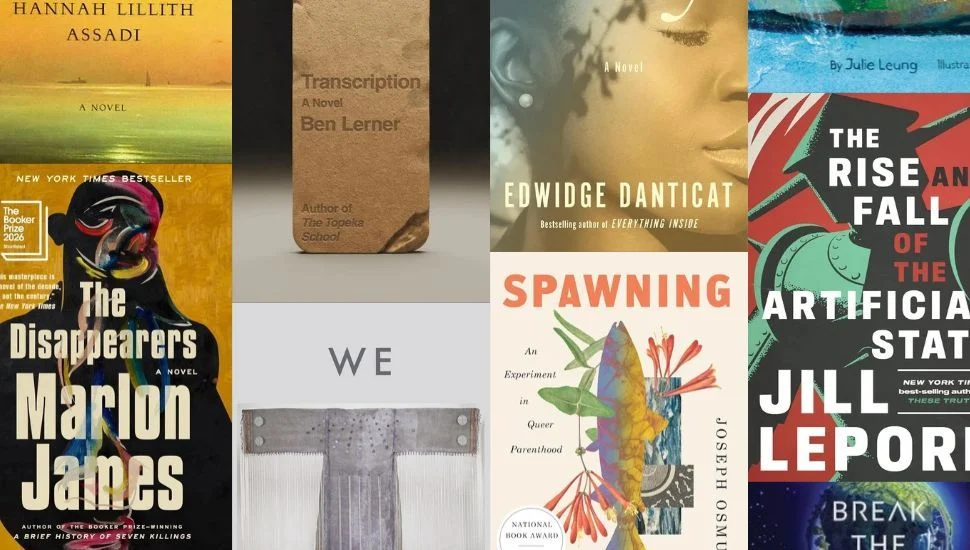
Historically, libraries, including school and public libraries, have served as pillars of democratic access to information, fostering critical thinking and lifelong learning. The American Library Association (ALA), a prominent voice in library advocacy, has extensively documented the rise in challenges to library materials and the increasing frequency of legislative efforts to restrict access to certain books and information. These efforts often cite concerns about age-appropriateness or the perceived indoctrination of students, but critics argue they frequently mask attempts at censorship and the suppression of diverse viewpoints.
The Teton County Library’s decision to publicly oppose H.R. 7661 comes at a time when, according to recent analyses by literary activism groups, there has been a noticeable gap in coordinated public statements from public library boards and associated organizations regarding federal legislation impacting school libraries. While individual librarians and school library professionals have undoubtedly been engaged in advocacy, the lack of broader institutional responses from public library entities has been a point of concern for those dedicated to defending intellectual freedom.
Teton County Library’s Stance and Rationale
The Teton County Library, located in Jackson, Wyoming, has a stated mission to serve residents who value education, open inquiry, and the freedom to access information. The library actively collaborates with local schools, families, and community organizations to promote literacy, critical thinking, and lifelong learning. In its resolution, the library board articulates its opposition to H.R. 7661 on several key grounds, emphasizing the bill’s potential to undermine core democratic values and local educational control.
Key Arguments Against H.R. 7661
- Threat to Local Control: The resolution highlights that Wyoming has a long-standing tradition of upholding local control in education. Decisions regarding curriculum and library materials, it argues, should remain within the purview of local educators, librarians, families, and elected school boards, rather than being dictated by federal officials in Washington, D.C. H.R. 7661, by imposing a federal standard and threatening funding, is seen as an overreach that bypasses these local decision-making processes.
- Erosion of Professional Judgment: The bill’s broad and undefined language regarding "sexually oriented material" is a significant concern. The Teton County Library Board points out that such vagueness could compel schools to remove a wide array of content, including valuable educational materials in fine art, history, dance, literature, discussions of court cases, and even the representation of state and national symbols. This would effectively sideline the professional judgment of educators and librarians, who are trained to select and curate resources that are age-appropriate, accurate, and relevant to educational goals.
- Disregard for Diverse Educational Needs: The resolution emphasizes that educational needs vary significantly with age. The materials and programs appropriate for high school students preparing for college or apprenticeships are vastly different from those suitable for kindergarteners. H.R. 7661’s one-size-fits-all approach, the board contends, fails to acknowledge this crucial distinction and would hinder the ability of older students to access the resources necessary for developing informed and responsible adulthood.
- Unnecessary Legal Risks: The board also notes that H.R. 7661 could expose school districts to considerable legal risks. Courts have consistently affirmed students’ constitutional rights within schools, and censorship based on viewpoint has been deemed unlawful. The bill’s potential to trigger litigation could divert crucial attention and resources away from the fundamental literacy and learning needs of children, which local educators are working diligently to address.
A Model for Broader Advocacy
The Teton County Library’s resolution is not merely a statement of opposition; it is presented as a replicable model for other library boards, friends of the library groups, and library foundations across the nation. By articulating its concerns in a clear, concise, and principled manner, the library aims to empower other institutions to engage in similar advocacy efforts.
Kip Roberson, the library director, has granted permission to share the full text of the resolution, and the library intends to make it available on its website and issue a press release. This strategy aims to not only inform the local community but also to encourage a ripple effect of advocacy, prompting other libraries to speak out and inform their own communities about the potential impact of such legislation.
"This is a stellar example of what those associated with libraries—library boards, friends groups, foundations, etc.—can do to support their local and less-local public institutions of democracy and civic engagement," stated the author of the original Literary Activism post, highlighting the proactive nature of the Teton County Library’s action.
The resolution explicitly states the Teton County Library Board’s support for intellectual freedom, educational excellence, and the right of families to guide their children’s reading. Furthermore, it voices support for federal legislation that strengthens school libraries and expands access to educational resources, specifically mentioning the Right to Read Act (H.R. 6440 / S. 3365) as an example of constructive federal action. The board also encourages Teton County residents to stay informed, engage in community discussions, and support organizations dedicated to defending the freedom to read, such as Unite Against Book Bans.
Evolving Legislative Landscape
The Teton County Library Board’s resolution was drafted and approved during a period of increasing federal legislative activity related to content in educational settings. In the week between the initial drafting of the Literary Activism post and the board’s final approval of its statement, another federal bill, House Resolution 2616, also progressed. This bill, concerning discussions of gender identity, has been noted as potentially requiring similar urgent attention and inclusion in library advocacy efforts. The evolving landscape suggests that the Teton County Library’s proactive approach may serve as a template for responding to a growing number of legislative proposals that could impact access to information and the operational autonomy of libraries.
The actions of the Teton County Library Board of Directors serve as a significant reminder of the vital role that library institutions play in safeguarding intellectual freedom and democratic principles. By speaking out against legislation like H.R. 7661, they are not only defending their school library counterparts but also reinforcing the broader societal importance of open access to information and the right to read. Their resolution provides a tangible framework for other library entities to engage in similar advocacy, fostering a more unified and robust defense against censorship and undue legislative interference in educational matters.