Angie Faith
The world of literature is constantly evolving, marked by significant cultural events, evolving educational practices, and the continuous emergence of celebrated voices. In recent weeks, several key developments have captured the attention of bibliophiles and educators alike, spanning national commemoration, academic inquiry into reading habits, and the recognition of exceptional children’s and young adult literature. These narratives collectively underscore the enduring power of books and the dynamic landscape of their creation and consumption.
Brooklyn Public Library Commemorates America’s 250th Anniversary with Monumental Booklist
In anticipation of the United States’ 250th anniversary in 2026, the Brooklyn Public Library has unveiled an ambitious and comprehensive literary project: a curated list of 250 influential books intended to represent 250 years of American history and culture. This extensive collection, accessible through the library’s dedicated "America 250" initiative, aims to provide a multifaceted lens through which to understand the nation’s complex past and evolving identity. The initiative acknowledges that the anniversary, while a significant marker, also prompts reflection on the nation’s foundational narratives and their ongoing impact.
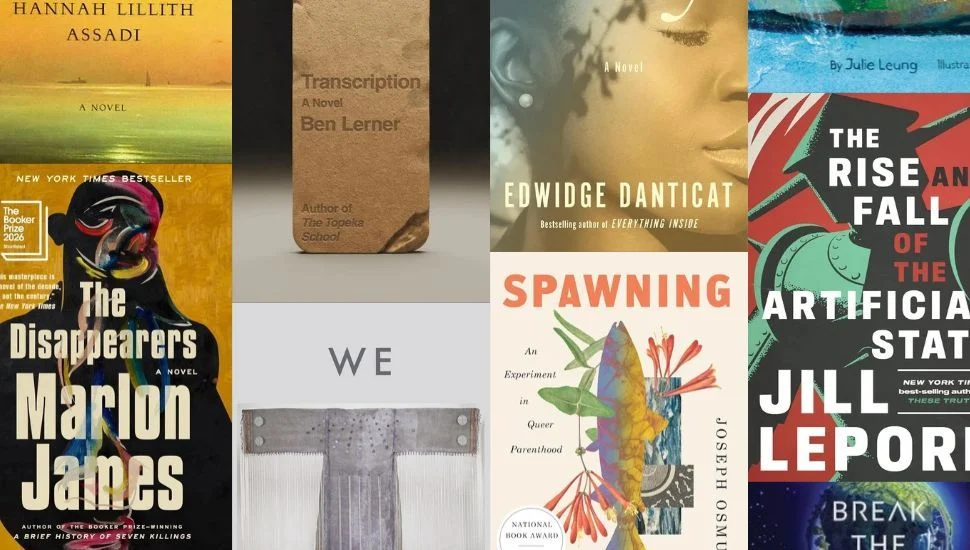
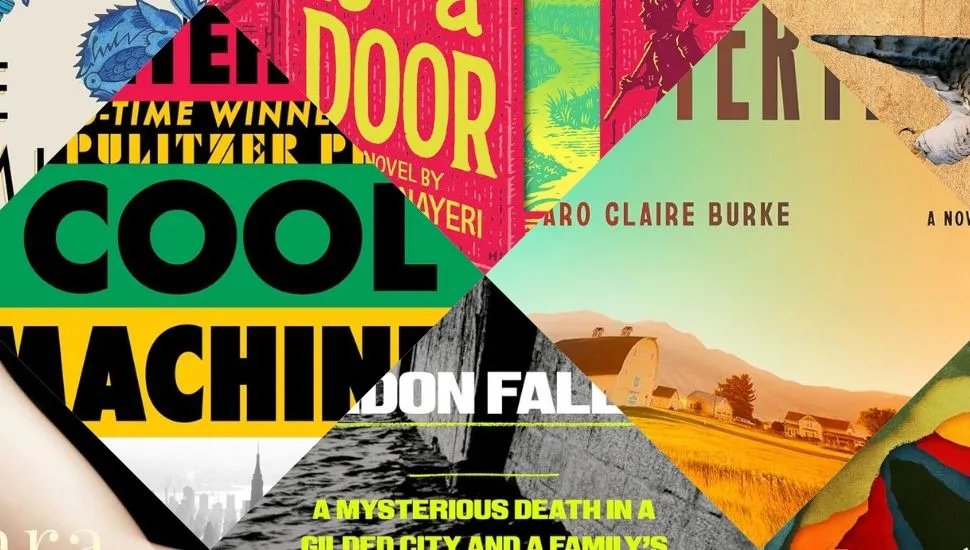
The "250 for 250" booklist is not merely a compilation; it is designed as an interactive resource. Patrons can explore the titles through various filters, including genres, themes, and even aesthetic qualities like cover design. This approach reflects a modern understanding of how readers engage with literature, acknowledging that the visual appeal of a book can be as important as its content for initial discovery. Each selection is accompanied by a concise rationale for its inclusion, offering insight into its historical significance, cultural impact, or literary merit. These annotations serve as mini-essays, providing context and encouraging deeper engagement with the chosen works.
The selection process itself is a significant undertaking, likely involving input from librarians, literary scholars, and community members to ensure a diverse and representative representation of American literary output. The library’s effort to engage the public in this commemorative project highlights the role of public institutions in fostering civic discourse and historical awareness through the medium of literature. By offering a curated pathway through centuries of American writing, the Brooklyn Public Library aims to spark conversations about the nation’s triumphs, struggles, and the ongoing evolution of its story. The implications of such a list are far-reaching, potentially influencing reading lists in educational institutions, book club selections, and public discourse surrounding American identity and heritage.
Study Reaffirms the Persistence of Full-Book Assignments in Middle and High School English Classes
Amidst ongoing discussions about declining reading comprehension and the perceived shift towards shorter, more digestible content, a recent study has provided empirical evidence that middle and high school students are still regularly assigned to read entire books in their English classes. This research offers a counterpoint to the narrative that educators are abandoning the practice of assigning full-length novels and literary works.
The study, which examined English language arts curricula across various school districts, found that the assignment of complete books remains a cornerstone of English education. However, the research also illuminated significant disparities in the number of books assigned, directly correlating with socioeconomic factors and school funding. Schools serving student populations with higher needs, often characterized by lower funding levels and greater resource limitations, tend to assign fewer full books per academic year. Conversely, schools in more affluent areas, which typically benefit from more robust funding and resources, are more likely to integrate a greater number of full-length literary works into their curriculum.
This finding has crucial implications for educational equity. It suggests that students from less privileged backgrounds may have fewer opportunities to engage deeply with complex literary texts within the school environment. The average assignment load of approximately four full books per year, as identified by the study, represents a substantial academic undertaking, equating to roughly one book per academic quarter. This workload, when added to other assignments, essays, and classroom discussions, forms a significant component of English language arts instruction.
The disparities highlighted by the study underscore a broader issue of educational inequality. Students in underfunded schools not only face potential limitations in the breadth of literary engagement but are also more likely to be affected by other challenges such as book bans and budget cuts, which further restrict access to diverse reading materials and educational resources. The study’s findings prompt a call for greater attention to resource allocation and equitable access to comprehensive literary education for all students, regardless of their socioeconomic background. The focus, therefore, shifts from simply whether full books are assigned to ensuring that all students have the opportunity to benefit from this fundamental aspect of literary study.
Barnes & Noble Unveils Shortlists for 2026 Children’s & Young Adult Book Awards, Celebrating Emerging and Established Voices
In a vibrant celebration of literature for younger audiences, Barnes & Noble has announced the shortlists for its 2026 Children’s and Young Adult Book Awards. These prestigious awards recognize outstanding contributions to children’s and young adult literature, shining a spotlight on titles that resonate with readers and critics alike. The shortlists consistently feature a compelling mix of widely popular bestsellers and lesser-known gems that have garnered significant critical acclaim, offering a valuable guide for parents, educators, and young readers seeking high-quality literary experiences.
This year’s announcement comes at a time when conversations around children’s literature are particularly active. The current National Ambassador for Young People’s Literature, Mac Barnett, has been a prominent advocate for the importance of reading books for and about young people, emphasizing their value for adult readers as well. This broader cultural discussion underscores the significance of awards like those presented by Barnes & Noble, which help to elevate and promote exceptional works within the children’s and YA literary landscape.
The Barnes & Noble Children’s & YA Book Awards shortlists are known for their discerning selections, often highlighting books that demonstrate innovative storytelling, unique formats, or particularly resonant themes. One notable title that has garnered attention on the YA shortlist is Jessica Walker’s The Secret Astronomers. This book, which may have flown under the radar for some prior to its nomination, has been lauded for its fresh narrative approach and distinctive presentation. Its inclusion on the shortlist serves as a testament to its quality and potential to capture the imagination of young readers.
The anticipation for the winners of these awards is palpable, as the selected titles represent the best of what the children’s and YA literary world has to offer. The upcoming announcement of the winners will undoubtedly provide further inspiration for a new generation of readers and offer valuable recommendations for curated bookshelves. The awards play a vital role in shaping literary trends and ensuring that outstanding works of children’s and young adult fiction receive the recognition they deserve.
The Controversial Realm of Banned Superhero Cartoons: A Look at Censorship in Animated Media
The intersection of superhero narratives and animated television has often been a site of creative freedom, but also, surprisingly, a frequent target of censorship. Despite the widespread appeal and cultural significance of both superheroes and cartoons, animated superhero programs have historically been subjected to scrutiny and censorship aimed at ensuring content perceived as "wholesome." This practice, however, raises complex questions about the nature of censorship, the interpretation of appropriateness, and the potential impact on creative expression.
The rationale behind censoring superhero cartoons often stems from a paternalistic view that these programs are solely for children, necessitating a high degree of oversight to protect young audiences from potentially objectionable material. This can range from editing out scenes depicting violence, even if contextualized within heroic action, to altering storylines or character portrayals that might be deemed too complex, controversial, or even suggestive by a particular censor’s standards. The subjective nature of what constitutes "wholesome" means that different eras and different regulatory bodies have applied varying levels of restriction.
The phenomenon of banned or heavily edited superhero cartoon episodes highlights a recurring tension in media regulation: balancing the protection of vulnerable audiences with the preservation of artistic integrity and thematic depth. While some interventions may be aimed at genuine concerns about age-appropriateness, others can stifle nuanced storytelling and limit the exploration of complex themes, even within a genre that often deals with moral ambiguity and societal issues.
For those interested in exploring this often-overlooked aspect of media history, resources that document banned superhero cartoons offer a fascinating glimpse into the evolution of broadcast standards and the societal anxieties that have shaped children’s programming. Access to the full lists of such censored works, often available through specialized archives or subscriptions, allows for a deeper understanding of the specific content that has been deemed problematic and the reasons cited for its removal or alteration. This examination of banned episodes provides a critical lens through which to analyze the broader implications of censorship on cultural production and the way stories are told and consumed across different media platforms. The legacy of these interventions continues to inform how animated content is produced and regulated, underscoring the ongoing debate about creative freedom and the responsibilities of media creators and distributors.