
 Ali Ikhwan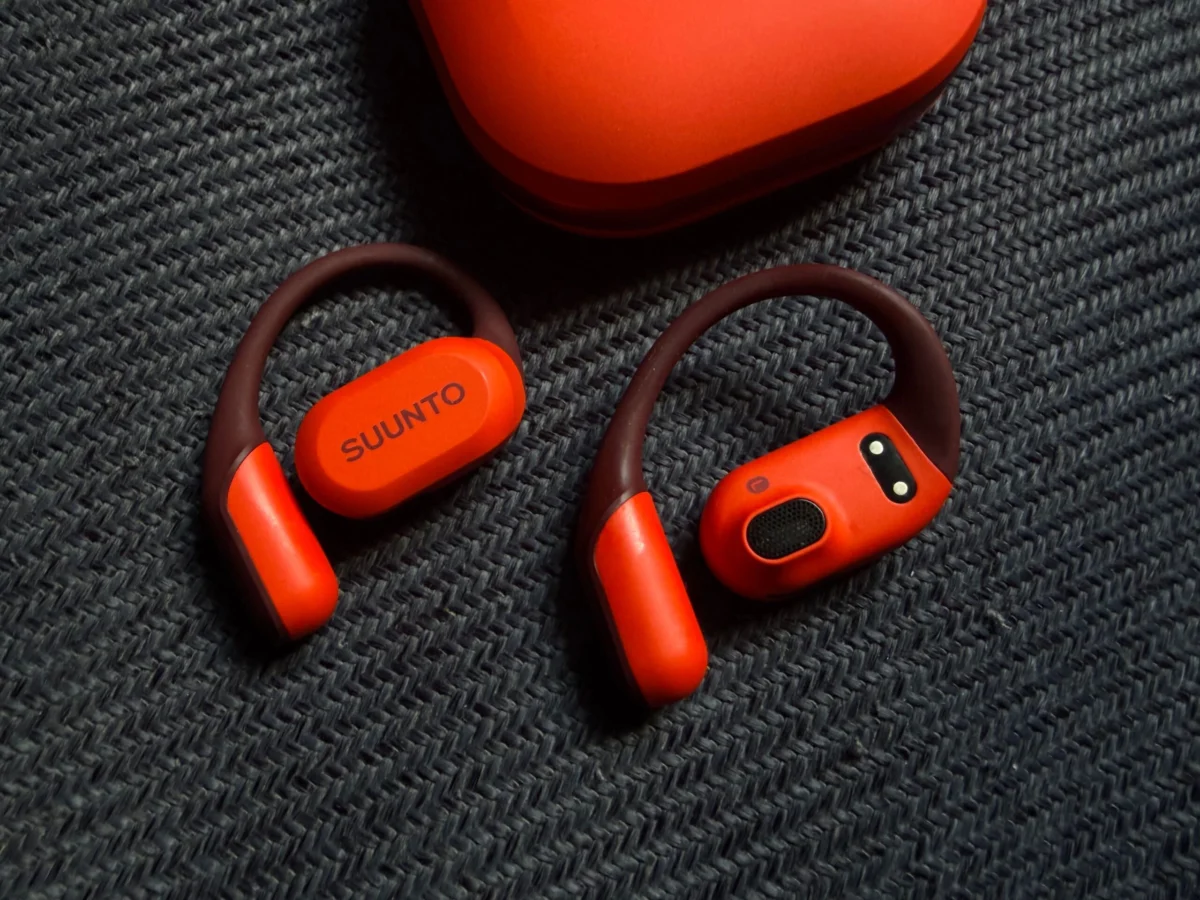
Suunto, the Finnish manufacturer renowned for its precision multisport watches and diving instruments, has officially diversified its wearable technology lineup with the release of the Suunto Spark. This new entry into the open-ear audio market signifies a strategic shift for the company, moving away from the bone-conduction technology utilized in its previous "Wing" and "Sonic" models in favor of air-conduction acoustics. Designed specifically for endurance athletes and outdoor enthusiasts, the Spark aims to bridge the gap between high-fidelity sound performance and the situational awareness required for safe training in urban and wilderness environments. By positioning the Spark alongside its established ecosystem of GPS watches, Suunto is attempting to capture a larger share of the "safety-first" audio market currently dominated by brands like Shokz and Bose.
Technical Architecture and Environmental Resilience
The Suunto Spark is engineered with an Ingress Protection rating of IP55. In the context of international electrical standards, this rating indicates that the device is protected against dust ingress sufficient to prevent interference with operation and is resistant to low-pressure water jets from any direction. For the end-user, this translates to a chassis capable of withstanding heavy perspiration during high-intensity intervals and reliable operation during sudden rain showers. However, it is important to note that the IP55 rating applies exclusively to the earbuds themselves; the accompanying charging case does not carry an official water-resistance certification.
The charging case is designed with portability as a primary requirement. Its slim profile and compact dimensions allow it to be easily stowed in the small compartments of a hydration vest, a running belt, or a standard pocket. This portability is essential for long-distance athletes who may require a mid-session charge during ultramarathons or extended cycling excursions. While the specific battery capacity figures vary based on volume levels and usage of specialized features, the industry standard for this form factor typically targets six to eight hours of continuous playback, with the case providing multiple full recharges.
The Shift to Air Conduction Technology
The most significant technical departure for the Suunto Spark is the implementation of air-conduction drivers. Unlike bone-conduction headphones, which transmit sound vibrations through the user’s cheekbones to the inner ear, air conduction utilizes directional speakers positioned just outside the ear canal. This method directs sound waves into the ear without obstructing it, allowing the user to remain fully aware of ambient noises such as approaching vehicles, sirens, or fellow trail users.
From an engineering perspective, air conduction offers several advantages over bone conduction. Primarily, it allows for a broader frequency response range, particularly in the lower end of the spectrum. Bone conduction often struggles to produce resonant bass without causing uncomfortable vibrations against the skin. By utilizing air as the medium, Suunto has been able to implement more sophisticated digital signal processing (DSP) and equalisation (EQ) profiles. The Spark features four distinct EQ presets—Power, Natural, Voice, and Clear—alongside a fully customizable option accessible via the Suunto companion application. This level of acoustic tailoring is a significant upgrade for users who found previous open-ear solutions lacking in depth and richness.
User Interface and Control Systems
Suunto has equipped the Spark with a dual-interface control system consisting of capacitive touch panels and motion-sensing head gesture controls. The touch panels are located on the exterior of the speaker housings, allowing users to manage playback, adjust volume, and toggle specialized modes.

Despite the inclusion of these features, the interface presents specific challenges for the intended demographic. Touch-sensitive controls are notoriously difficult to operate with wet hands or when the user is wearing gloves. Suunto has acknowledged that single-tap inputs can lead to accidental triggers, a common complaint among runners whose hair or clothing may brush against the sensors. To mitigate this, the controls are spaced across the units, and the firmware requires deliberate interactions for more complex commands, such as skipping tracks or activating the integrated metronome.
The second control method—head gesture recognition—utilizes internal accelerometers and gyroscopes similar to those found in Suunto’s premium watches. This system allows users to answer or reject incoming calls and skip tracks by nodding or shaking their heads. While functional in stationary environments or during low-impact activities like cycling or walking, the technology faces limitations during high-impact sports. The vertical oscillation and lateral movement inherent in a running gait can inadvertently trigger these sensors, leading to interrupted playback or unwanted call connections. As a result, many performance-oriented users may find themselves disabling gesture controls in favor of the more reliable, albeit fiddly, touch panels.
Ecosystem Integration and Specialized Features
A core component of the Suunto Spark’s value proposition is its integration with the broader Suunto software ecosystem. The earbuds are managed through the same Suunto mobile application used to sync data from the brand’s Vertical, Race, and 9 Peak Pro watches. This unified approach allows athletes to manage their biometric data and audio settings within a single interface.
Beyond standard music playback, the Spark includes features tailored specifically for training:
- Integrated Metronome: A tool designed to help runners maintain a specific cadence, which is a critical metric for improving efficiency and reducing injury risk.
- Workout Tracking Modes: While the earbuds do not replace a dedicated GPS watch, they can synchronize with the app to provide audio cues and basic tracking data during a session.
- Wind-Resistant Microphones: The Spark employs a dual-microphone array designed to filter out wind noise during high-speed activities like cycling, ensuring that voice calls remain legible even at speeds exceeding 20 mph.
Market Context and Competitive Analysis
The release of the Suunto Spark comes at a time when the "Open-Ear" or "Open-Wearable" category is experiencing rapid growth. According to market research data, the demand for open-ear headphones has surged by over 25% year-over-year as consumers prioritize safety and long-term ear health over the total isolation provided by Active Noise Cancelling (ANC) earbuds.
Suunto’s entry into this space places it in direct competition with established players:
- Shokz: The market leader in bone conduction, which recently moved into air conduction with the OpenFit series.
- Bose: With the Ultra Open Earbuds, Bose targets the premium lifestyle and fitness crossover market.
- Anker (Soundcore): Providing high-value alternatives with the AeroFit series.
The Spark distinguishes itself by targeting the "hardcore" endurance niche. While Bose may offer superior DSP and Shokz may offer a more established brand identity in the category, Suunto leverages its reputation for durability and its existing user base of millions of athletes who already utilize the Suunto app for their training logs.

Chronology of Suunto’s Audio Evolution
The development of the Spark is the latest step in a multi-year strategy to expand Suunto’s reach beyond timepieces:
- October 2023: Suunto launched the "Wing," its flagship bone-conduction headset featuring integrated LED safety lights.
- Early 2024: The introduction of the "Sonic," a more streamlined and affordable bone-conduction model.
- Late 2024: The announcement and release of the "Spark," marking the transition to air-conduction technology to address consumer demand for better sound quality.
This rapid release cycle suggests that Suunto is aggressively iterating on its hardware based on athlete feedback, particularly regarding the trade-offs between bone conduction (maximum awareness) and air conduction (superior audio fidelity).
Implications for the Future of Athletic Wearables
The introduction of the Suunto Spark highlights a broader trend in the wearables industry: the convergence of biometric tracking and high-performance audio. As processors become more efficient and sensors become smaller, the distinction between "headphones" and "wearable computers" continues to blur.
By incorporating metronomes and workout tracking directly into the audio hardware, Suunto is preparing for a future where the earbud may serve as a secondary hub for real-time coaching and data collection. Furthermore, the move toward air conduction suggests that even the most safety-conscious athletes are unwilling to compromise on sound quality. The success of the Spark will likely depend on Suunto’s ability to refine its gesture-based interface and continue integrating its hardware into a seamless software experience.
For the professional news outlet and the consumer alike, the Suunto Spark represents a significant milestone in the evolution of sports-specific technology. It is a product that acknowledges the inherent risks of outdoor training while refusing to sacrifice the motivational power of high-quality audio. As the market for open-ear devices matures, Suunto’s focus on the intersection of Finnish engineering and athletic performance may well define the next generation of wearable audio.







