Cintya Tara Annisa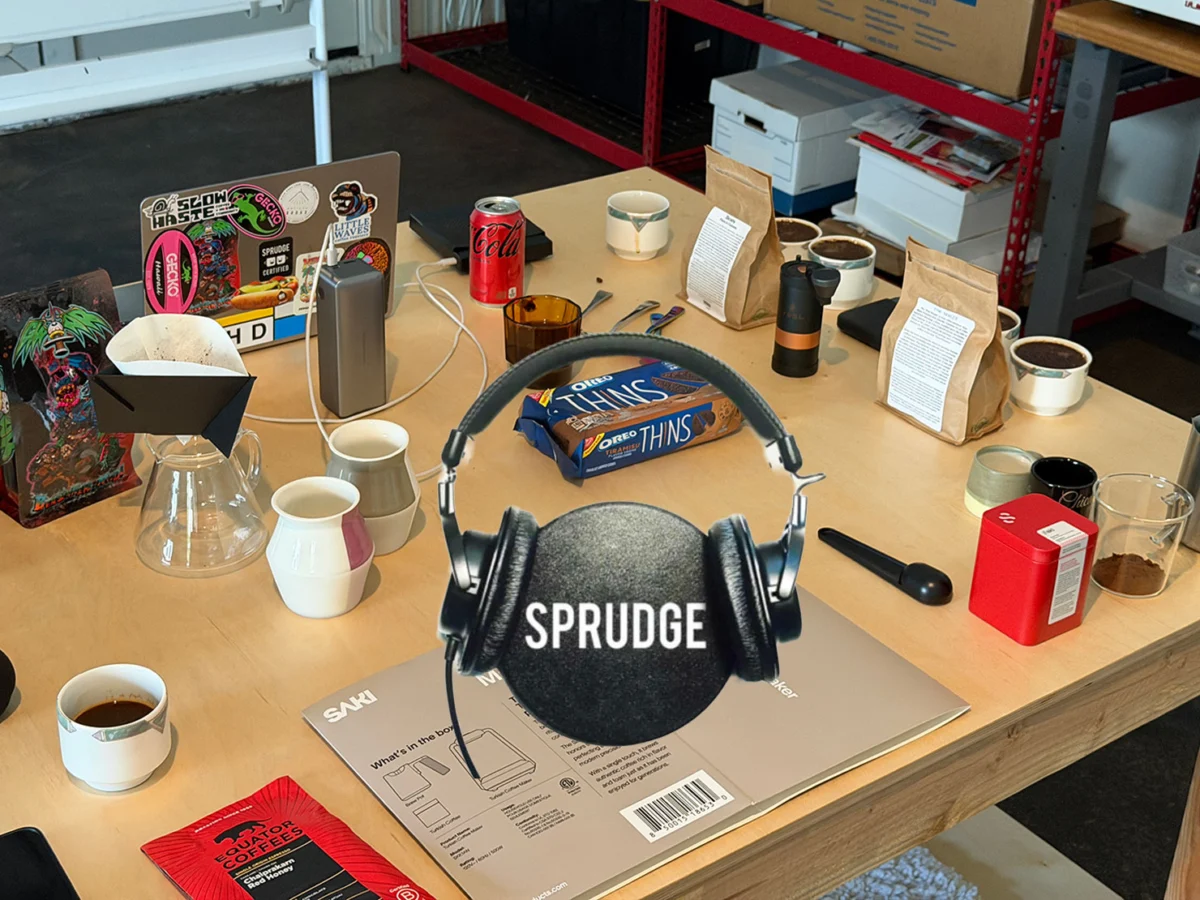
The latest installment of the Coffee Sprudgecast has introduced a comprehensive "Proof of Taste" segment, meticulously evaluating a diverse array of coffee products ranging from international specialty beans to innovative brewing hardware and cross-industry collaborations. This episode serves as a barometer for the current state of the specialty coffee industry, highlighting the shift toward global sourcing from emerging regions like Thailand and the continued growth of artisanal micro-roasters in the domestic United States market. By examining specific offerings from Equator Coffees, Tug Hill Artisan Roasters, and the heavy metal band Gwar, the program provides a snapshot of how coffee culture is intersecting with technology, entertainment, and traditional culinary practices.
The Rise of Thai Specialty Coffee and the Evolution of the Small-Format Americano
A significant portion of the recent industry discourse has focused on the "Little Buddy," a drink format also known colloquially in various regions as a "Danny Devito," a "Small Americano," or an "Italiano." This beverage, typically consisting of three to four ounces of hot water topped with a double shot of espresso, represents a growing consumer preference for concentrated yet approachable coffee drinks that maintain the integrity of the espresso’s flavor profile while providing a longer drinking experience than a standard neat shot.
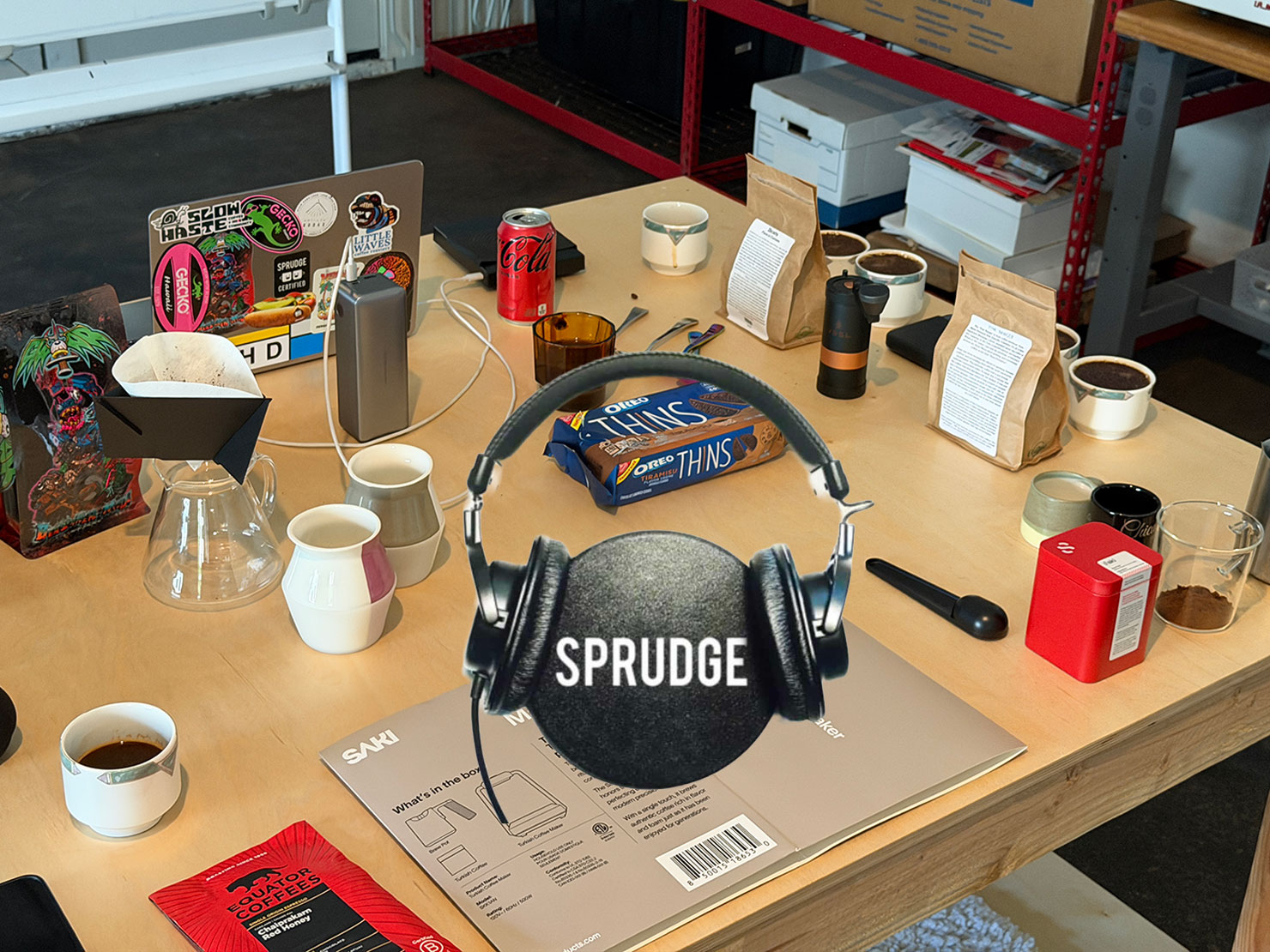
In this context, the Coffee Sprudgecast highlighted the Chaiprakarn Red Honey coffee from Thailand, roasted by Equator Coffees. The inclusion of Thai coffee in a major specialty cupping signals a broader market trend: the emergence of Southeast Asia as a serious contender in the high-end Arabica market. Traditionally known for Robusta production, Thailand has seen a concerted effort over the last decade to improve its specialty infrastructure. The "Red Honey" process used in the Chaiprakarn offering involves leaving a specific percentage of the coffee cherry’s mucilage on the bean during the drying process. This technique sits between the "washed" and "natural" methods, often resulting in a balanced acidity and a distinct syrupy sweetness that is particularly well-suited for the small-format Americano style.
Industry data suggests that the specialty coffee market in Thailand is expanding at an annual growth rate of approximately 5% to 8%, driven by both domestic consumption and increasing international demand for unique processing methods. Equator Coffees, a B Corp-certified roaster, has been at the forefront of bringing these regional profiles to the North American market, emphasizing the economic impact of fair-trade practices on smallholder farmers in the Chaiprakarn district.
Regional Artisanal Excellence: The Case of Tug Hill Artisan Roasters
Moving from the international stage to domestic artisanal production, the program provided an in-depth analysis of Tug Hill Artisan Roasters, based in Lowville, New York. The Tug Hill region, known for its rugged geography and significant snowfall, is an unlikely but burgeoning hub for specialty coffee. The roastery’s inclusion in the "Proof of Taste" segment underscores the decentralization of the specialty coffee industry, which was once heavily concentrated in major metropolitan hubs like Seattle, Portland, and New York City.
The cupping session focused on two specific varieties: "Pink Ranger" and "Ihcato." The Pink Ranger typically denotes a high-altitude selection with vibrant acidity, while the Ihcatu is a hybrid variety known for its resilience and complex flavor profile, often featuring notes of citrus and chocolate. The Ihcatu variety itself is a product of sophisticated botanical crossing—specifically a hybrid of Yellow Icatu and Mundo Novo or Caturra—designed to provide high yields and disease resistance without sacrificing the cup quality required for the specialty market.
The success of roasters like Tug Hill reflects a larger shift in consumer behavior. According to the National Coffee Association, 53% of American coffee drinkers now choose "specialty" grade coffee, with a marked increase in interest toward "locally roasted" and "small-batch" labels. The professional evaluation of these beans by industry experts indicates that regional roasters are now competing directly with established national brands in terms of technical roasting proficiency and green coffee sourcing.
Technological Integration in Traditional Brewing: The Saki Turkish Coffee Maker
The intersection of cultural heritage and modern convenience was explored through the lens of Turkish coffee, a brewing method recognized by UNESCO as an Intangible Cultural Heritage of Humanity. To mark celebratory themes, the program utilized the Saki Turkish Coffee Maker, a device designed to automate a process that traditionally requires intense manual supervision.
Turkish coffee is characterized by its extremely fine grind and the "foaming" process that occurs in a traditional cezve or ibrik. The challenge for modern hardware manufacturers has been to replicate the heat distribution and foam retention of sand-brewing or open-flame methods. The Saki device employs sensors to prevent the coffee from overflowing—a common issue in traditional brewing—and to ensure the sediment settles correctly.
This technological advancement reflects a broader trend within the "Prosumer" market: the desire to engage with traditional, culturally significant brewing methods without the steep learning curve or time investment traditionally required. Analysts note that the global electric Turkish coffee maker market is seeing increased traction in Western markets as consumers seek diverse home-brewing experiences beyond the standard drip or espresso machines.
Cultural Convergence: The Branding of "Berserker Mode" Coffee
The program also addressed the increasing frequency of "celebrity" or "lifestyle" coffee branding, specifically examining the Gwar Official "Berserker Mode" Blend. Gwar, a heavy metal band known for its elaborate costumes and satirical performance art, has partnered with Concept Cafes to produce a coffee that aligns with its aggressive brand identity.
From a marketing perspective, the "Berserker Mode" blend is designed to appeal to a niche subculture while capitalizing on the universal appeal of high-caffeine products. This represents a sophisticated evolution of band merchandise. Rather than relying solely on apparel, artists are increasingly turning to consumable goods that offer a recurring revenue stream and a daily touchpoint with their fanbase.
The "Berserker Mode" blend typically utilizes darker roast profiles to achieve a "bold" or "intense" flavor, which aligns with the band’s aesthetic. This highlights a specific segment of the market where the narrative and branding of the coffee are as influential as the origin of the beans. Professional tasters noted that despite the novelty of the branding, the product must still meet the baseline quality standards of the modern consumer, who is increasingly literate in coffee quality regardless of the marketing "gimmick."
Cross-Industry Flavor Trends: Oreo Tiramisu Thins
The final segment of the "Proof of Taste" evaluation moved into the realm of mass-market confectionery with a review of the Oreo Tiramisu Thins. This product represents the "coffee-fication" of the snack industry, where flavor profiles from the specialty coffee world are adapted for mainstream consumer goods.
Tiramisu, an Italian dessert traditionally made with ladyfingers dipped in coffee and layered with mascarpone, provides a complex flavor map for snack manufacturers. The use of "thin" cookie architecture allows for a higher ratio of crème to cookie, which is necessary to convey the subtle notes of espresso and cocoa associated with the dessert.
Market research indicates that coffee-flavored snacks are particularly popular among Millennials and Gen Z, who view coffee as a primary flavor category rather than just a beverage. The evaluation of these snacks alongside high-end specialty beans demonstrates the permeability of the coffee industry’s boundaries, as professional tasters apply the same sensory analysis to a mass-produced cookie as they do to a micro-lot from Thailand.
Economic Implications and Industry Support
The production of the Coffee Sprudgecast and the ability of its hosts to source and evaluate such a wide range of products is supported by key industry players, including DONA, Pacific Barista Series, and La Marzocco. These sponsorships highlight the interconnected nature of the coffee ecosystem.
- La Marzocco: As a leader in espresso machine manufacturing, their involvement underscores the importance of precision hardware in the specialty movement.
- Pacific Barista Series: Their focus on alternative milks reflects the fact that a significant portion of specialty coffee is consumed with plant-based additives, a market that has seen double-digit growth over the past five years.
- DONA: Representing the craft tea and chai segment, their presence indicates the diversification of "coffee shops" into "beverage programs" that prioritize high-quality ingredients across all categories.
Conclusion: The Broader Impact of Specialty Media
The comprehensive nature of this latest "Proof of Taste" episode illustrates that the specialty coffee industry is no longer a siloed community of enthusiasts. It is a global economic force that integrates agricultural science, mechanical engineering, cultural history, and sophisticated branding.
The transition from discussing the technical merits of a "Red Honey" process in Thailand to the cultural branding of a heavy metal coffee blend demonstrates the versatility of the medium. As specialty coffee continues to capture a larger share of the global market, the role of media outlets like Sprudge becomes increasingly vital in translating complex industry trends for both professionals and casual consumers. The data suggests that as consumers become more educated about their coffee choices—whether they are buying beans from Lowville, NY, or an automated Turkish coffee maker—the demand for transparent, quality-focused, and narrative-driven products will only continue to rise.