Cintya Tara Annisa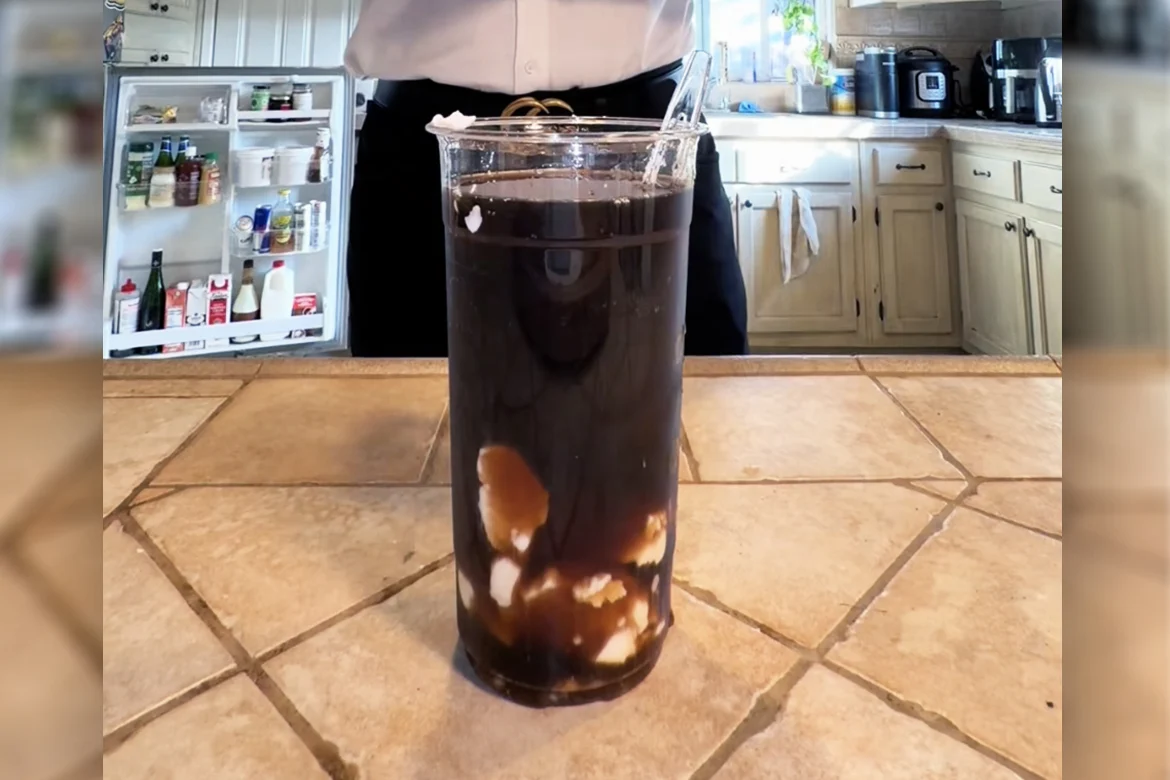
The landscape of modern beverage consumption is increasingly dictated by the viral algorithms of social media, where the latest iteration of experimental gastronomy has emerged in the form of "coffee yogurt." This trend, which involves the integration of Greek yogurt into iced coffee, has transitioned from a niche dietary habit to a mainstream digital phenomenon, sparking widespread discussion regarding nutritional benefits, culinary textures, and the evolving nature of morning routines. While previous iterations of social media-driven coffee trends have explored combinations such as avocado lattes, watermelon-infused brews, and espresso mixed with orange juice, the coffee yogurt movement represents a pivot toward high-protein, functional beverages that blur the line between a drink and a snack.
The Genesis and Evolution of the Trend
The current iteration of the coffee yogurt trend is largely attributed to TikTok creator Jordan Bernstein, known online by the moniker “Coffee Yogurt Boy.” Bernstein’s initial foray into this combination premiered in November 2023, featuring a specific preparation method that includes iced black coffee, a substantial dollop of plain Greek yogurt, and a splash of coconut water. This particular recipe does not merely serve as a flavor experiment but as a functional beverage designed to provide hydration, caffeine, and protein in a single serving.
Since its debut, the recipe has undergone several modifications as it permeated the broader social media ecosystem. Users have introduced additional ingredients to enhance the flavor profile and texture, such as ground cinnamon, a pinch of sea salt, and various sweeteners. In more recent demonstrations, the trend has expanded to include "fruit-on-the-bottom" yogurts, suggesting a move toward a more dessert-like breakfast profile. The rapid adoption of these variations highlights the participatory nature of TikTok’s food culture, where a single base recipe serves as a foundation for collective innovation.
A Chronology of Viral Coffee Innovations
To understand the rise of coffee yogurt, it is essential to examine the lineage of digital coffee trends that preceded it. The phenomenon of "viral coffee" gained significant momentum during the global lockdowns of 2020 with the rise of Dalgona coffee, a whipped coffee preparation originating from South Korea. This was followed by a series of increasingly unconventional pairings:
- Dalgona Coffee (2020): Focused on aesthetics and the physical process of whisking instant coffee into a thick foam.
- The "Proffee" Movement (2021): A portmanteau of "protein" and "coffee," where users added pre-mixed protein shakes to espresso or cold brew, marking a shift toward fitness-oriented beverages.
- The Avocado Latte and Fruit-Infused Coffees (2022): Experimental phases that tested the limits of coffee’s compatibility with fats and acidic fruit juices.
- Cloud Coffee (2023): Utilizing coconut water as a base for coffee, emphasizing hydration and a lighter mouthfeel.
Coffee yogurt represents the convergence of the "Proffee" movement’s health focus and the "Cloud Coffee" movement’s use of coconut water. It addresses a specific consumer demand for "functional fuel"—beverages that provide more than just a caffeine boost.
Nutritional Profile and Functional Analysis
The primary driver behind the adoption of yogurt in coffee, according to many proponents, is the nutritional density it adds to a standard cup of coffee. Greek yogurt is renowned for its high protein content, typically containing between 12 and 20 grams of protein per serving, depending on the brand and fat content. For consumers who practice intermittent fasting or those who struggle to consume a full breakfast, the addition of yogurt provides a satiating element that black coffee lacks.
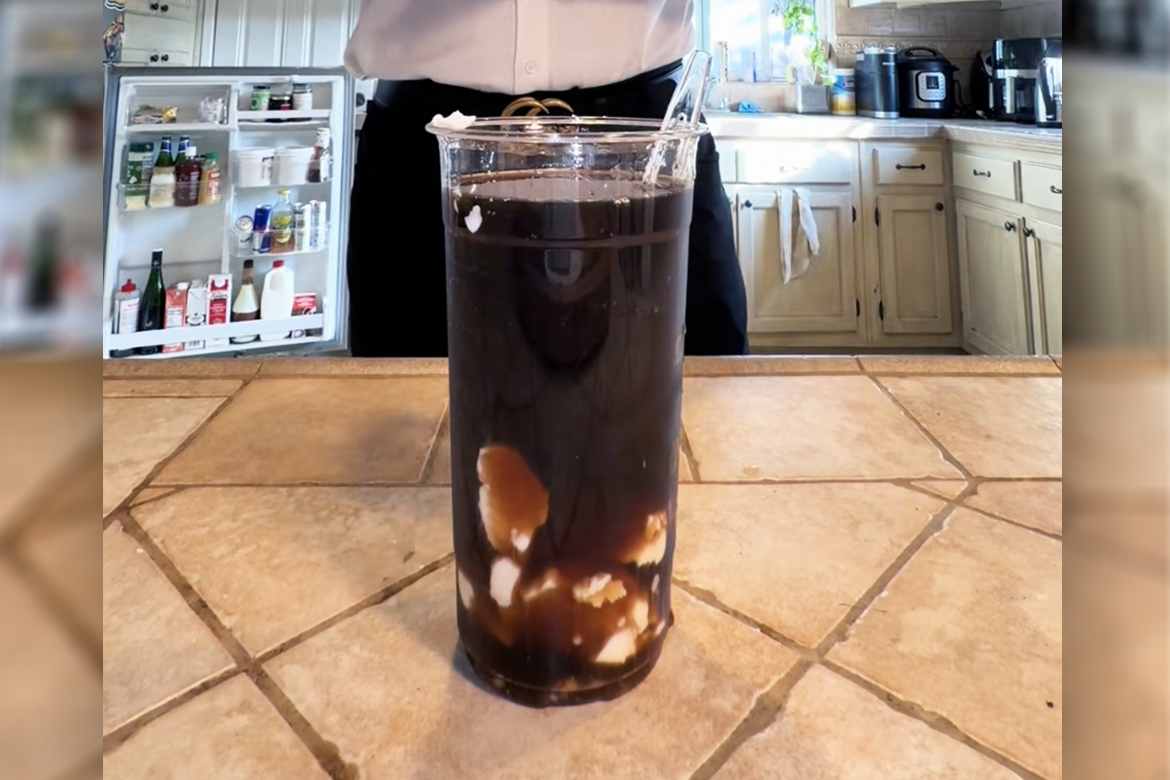
Beyond protein, the inclusion of yogurt introduces probiotics—beneficial bacteria that support gut health—into the morning routine. While the heat of a standard hot coffee would likely neutralize these live cultures, the trend specifically emphasizes iced coffee, which preserves the biological integrity of the probiotics. Furthermore, the use of coconut water adds essential electrolytes, such as potassium and magnesium, which can help offset the dehydrating effects of caffeine.
From a culinary perspective, yogurt acts as a thickener and an acidifier. The lactic acid in yogurt provides a tangy counterpoint to the bitterness of coffee beans, creating a profile similar to a coffee-flavored lassi or a sour-cream-based pastry. However, the textural challenges are significant; without thorough homogenization, the yogurt can remain lumpy, leading to a disjointed drinking experience that has divided many online commentators.
Market Implications and Consumer Behavior
The coffee yogurt trend reflects broader shifts in consumer behavior within the food and beverage industry. Market research suggests that Gen Z and Millennial consumers are increasingly looking for "hybrid" products that offer convenience without sacrificing health goals. This demographic is also highly influenced by "aesthetic" food preparation, where the visual process of mixing white yogurt into dark coffee provides engaging content for short-form video platforms.
Industry analysts note that such trends can have a tangible impact on grocery retail. Similar to how the "feta pasta" trend of 2021 led to localized shortages of block feta cheese, the rise of protein-heavy coffee drinks has sustained high demand for Greek yogurt and premium cold brew concentrates. Dairy producers and coffee brands have begun to take notice, with some exploring ready-to-drink (RTD) versions of protein-enriched coffees to capitalize on the DIY trend.
Professional and Culinary Reactions
The reaction from the professional coffee community has been a mixture of skepticism and curiosity. Traditional baristas often emphasize the "purity" of the bean and the precision of the extraction process, viewing heavy additives like yogurt as a masking agent that obscures the nuanced flavors of high-quality coffee.
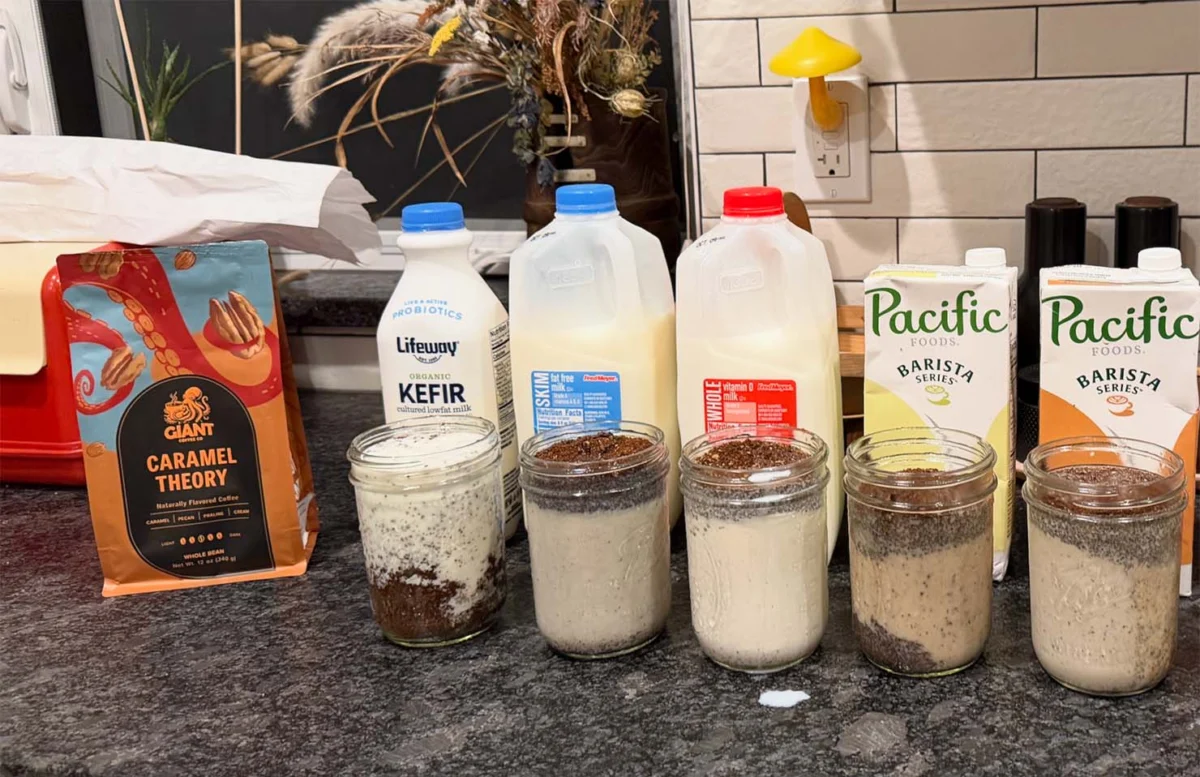
However, some culinary innovators see potential in the fermentation aspect of yogurt. The use of kefir—a fermented milk drink—has been suggested as a more "pourable" alternative to Greek yogurt that offers a similar probiotic profile and a more consistent texture. This suggests that while the "Coffee Yogurt Boy" recipe may be the current standard, the professional world may refine the concept into something more palatable for the specialty coffee market.
Health experts have also weighed in on the trend. Dietitians generally view the addition of Greek yogurt to coffee as a harmless and potentially beneficial way to increase protein intake, provided that users are mindful of added sugars in flavored yogurts. They caution, however, that while yogurt adds nutrients, it does not replace the need for a balanced diet, and the acidity of both coffee and yogurt may be taxing for individuals with sensitive digestive systems.

The Role of Social Media in Culinary Globalization
The rapid spread of the coffee yogurt trend underscores the role of platforms like TikTok and Instagram as the new "test kitchens" of the global food industry. In previous decades, food trends moved slowly through cookbooks, television programs, and restaurant menus. Today, a single video can reach millions of viewers in hours, leading to immediate global experimentation.
This digital globalization of taste allows for the rapid testing of "flavor bridges"—the concept that certain foods share chemical compounds that make them compatible. The pairing of dairy and coffee is well-established, but the specific use of fermented dairy represents a cultural crossover from regions where fermented milk products are a staple of the daily diet.
Broader Implications for the Breakfast Industry
The "coffee yogurt" phenomenon is symptomatic of a larger trend: the "snackification" of breakfast. As traditional sit-down breakfasts become less common due to busy schedules, consumers are turning to all-in-one solutions. A beverage that combines hydration, energy, and nutrition fits the modern lifestyle requirements of efficiency and functionality.
Furthermore, the trend highlights the power of "influencer-led" innovation. Jordan Bernstein’s rise to digital prominence through a simple, albeit unusual, food hack demonstrates that consumers are often more willing to trust peer-to-peer recommendations over corporate advertising. This shift is forcing traditional food companies to be more agile, monitoring social media in real-time to identify the next major consumer preference.
Conclusion
While the longevity of the coffee yogurt trend remains to be seen, its current impact is undeniable. It serves as a case study in how social media can redefine the boundaries of traditional food categories. Whether viewed as a nutritional breakthrough or a textural anomaly, the combination of Greek yogurt and coffee has successfully captured the attention of a global audience, proving that in the digital age, the most unlikely pairings can become the morning’s most discussed topic. As the trend continues to evolve with new ingredients and techniques, it will likely leave a lasting mark on how we perceive the intersection of health, convenience, and the humble cup of coffee.