In an era defined by digital connectivity, social media has transcended its origins as a personal communication platform to become an indispensable pillar of business strategy, marketing, and customer engagement. Brands, creators, and enterprises alike grapple with the ever-increasing complexity of managing their digital presence across a myriad of platforms, each with its unique algorithms, audience demographics, and content formats. This intricate juggling act – encompassing content creation, strategic repurposing, trend monitoring, in-depth analytics review, and real-time community engagement – necessitates sophisticated solutions. The burgeoning market for social media management (SMM) tools has emerged as the critical answer, offering businesses of all sizes the infrastructure to streamline operations, optimize outreach, and ultimately, drive measurable results. Industry reports consistently highlight the robust growth of the SMM software market, projected to reach over $15 billion by the mid-2020s, underscoring its pivotal role in modern marketing ecosystems.
The Evolution of Digital Presence: From Niche to Necessity
The journey of social media from nascent online communities in the early 2000s to today’s global communication behemoths has been rapid and transformative. Initially, businesses approached platforms like MySpace and early Facebook with cautious experimentation, often delegating management to enthusiastic interns. However, as user bases swelled and engagement patterns became clearer, the strategic value of social media became undeniable. By the early 2010s, with the rise of Twitter, LinkedIn, and Instagram, companies recognized the need for a more structured approach. The manual posting, disparate logins, and fragmented analytics of yesteryear quickly proved unsustainable. This growing demand for efficiency and centralized control directly spurred the development of the first generation of social media management tools, designed to consolidate scheduling, publishing, and basic reporting. Today, these platforms are not merely conveniences but strategic imperatives, enabling businesses to navigate a landscape where consumer attention is fragmented and the pace of digital trends is relentless.

Addressing the Multilayered Challenges of Social Media Marketing
Modern social media marketing is fraught with numerous operational and strategic challenges. Businesses must contend with the sheer volume of content required to maintain visibility, the constant pressure to adapt to new platform features and algorithm changes, and the imperative to engage meaningfully with diverse audiences across multiple channels simultaneously. For individual creators and small business owners, this workload is often compounded by the demands of running their core operations, leading to burnout and missed opportunities. Even larger marketing teams struggle with maintaining brand consistency, managing approval workflows, and extracting actionable insights from vast quantities of data.
These challenges highlight the critical need for specialized tools that can:
- Automate Publishing: Schedule posts across multiple platforms in advance, ensuring consistent presence.
- Centralize Engagement: Consolidate comments, messages, and mentions into a single inbox for efficient response.
- Provide Analytics: Offer detailed insights into content performance, audience demographics, and campaign effectiveness.
- Facilitate Collaboration: Enable teams to work together seamlessly with defined roles and approval processes.
- Adapt to Trends: Integrate new platforms and features as they emerge, maintaining strategic agility.
An In-Depth Look at Leading Social Media Management Solutions
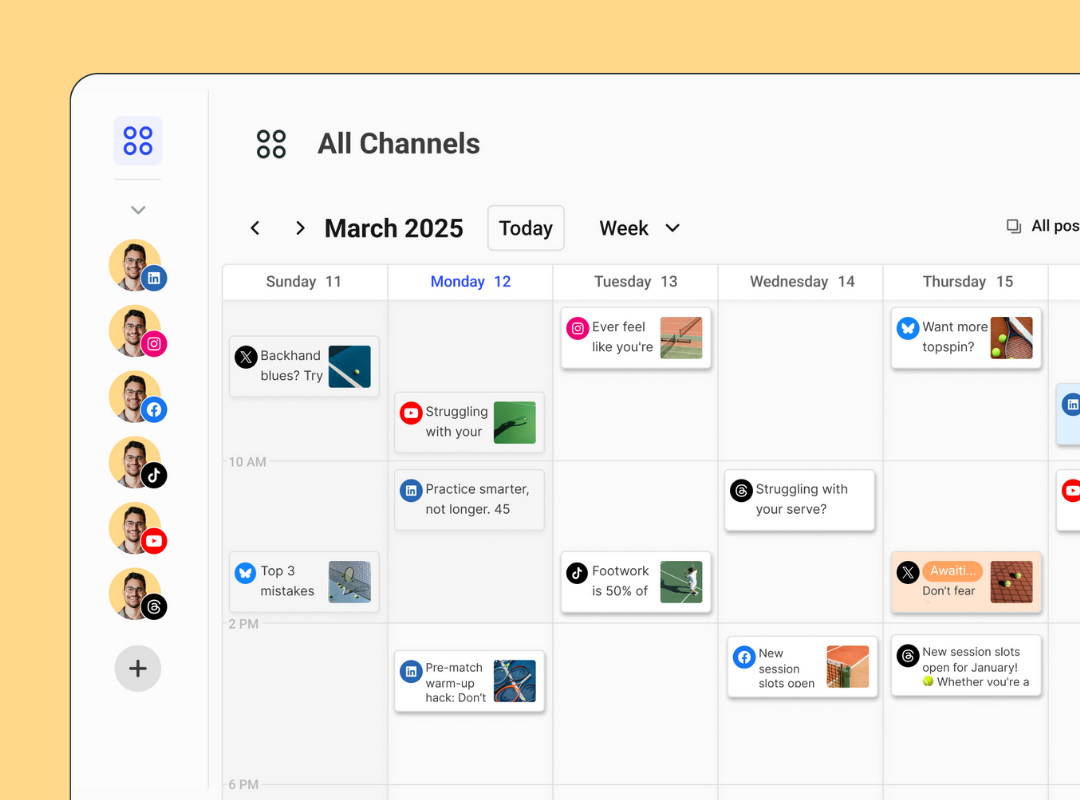
The market offers a diverse array of social media management tools, ranging from robust enterprise-level platforms to agile, budget-friendly options tailored for individual creators. The selection process hinges on specific organizational needs, budget constraints, team size, and desired analytical depth. Here, we delve into 11 prominent solutions, categorized by their primary strengths and target users.
1. Solutions for Creators and Small Businesses: Simplicity and Affordability
For individual creators, freelancers, and small businesses, the primary considerations are often ease of use, cost-effectiveness, and the ability to manage essential tasks without overwhelming complexity.
-
Buffer:
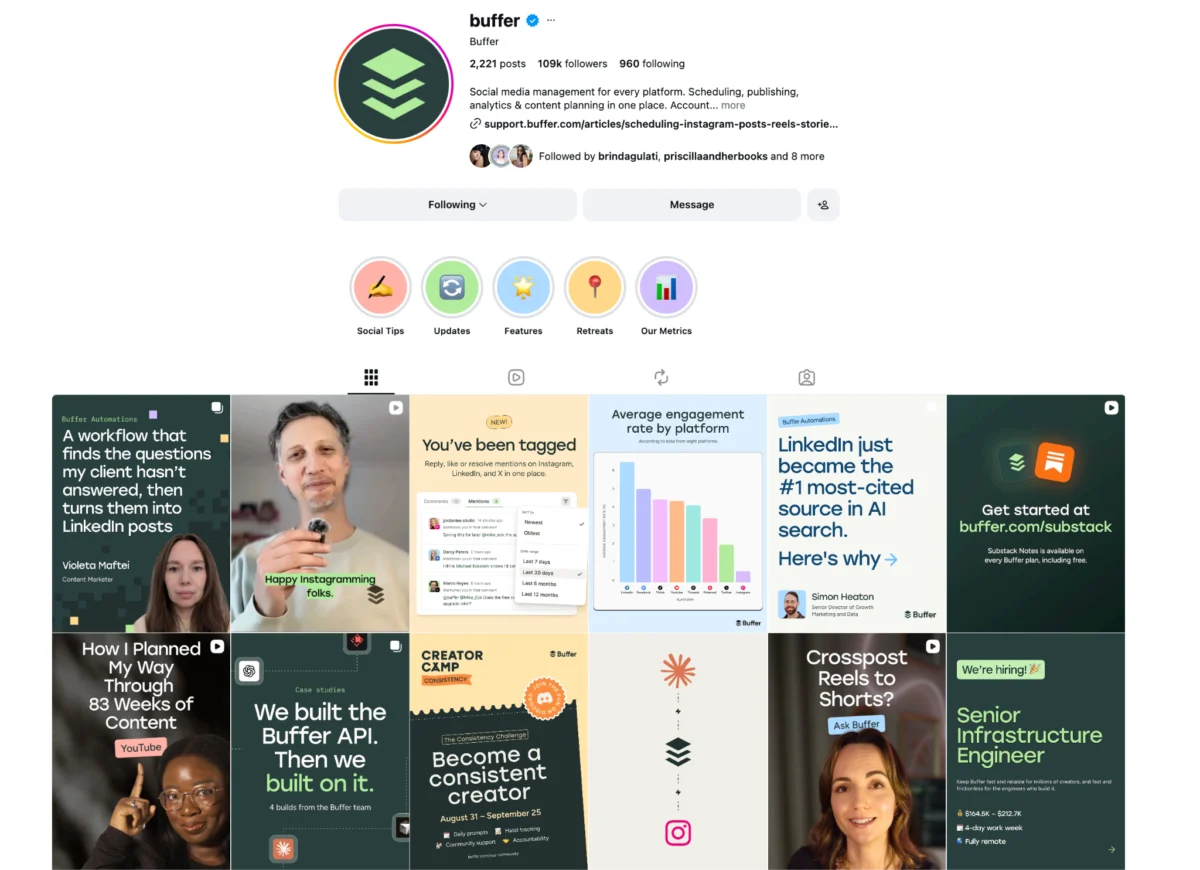
Often hailed as the quintessential plug-and-play social media tool, Buffer excels in its user-friendly interface and flexible per-channel pricing model, making it highly accessible for beginners. Its core strength lies in smart scheduling, allowing users to queue posts efficiently and offering optimal time recommendations for maximum reach. Buffer’s universal comment inbox streamlines engagement, while its idea storage and AI assistant significantly reduce the burden of content creation and caption writing. A notable feature is its "posting streaks," a gamified element designed to encourage consistent content delivery. Buffer has also demonstrated remarkable agility in integrating emerging platforms like Threads and Bluesky, ensuring users can quickly adapt to new digital trends. Its focus on simplicity and flexibility makes it ideal for those who value an intuitive workflow over an exhaustive feature set.
- Free Plan/Trial: Free for up to 3 channels; 14-day free trial for all paid plans.
- Price: Paid plans start at $6 per month per channel.
-
Tailwind:
Purpose-built for visual-first platforms, Tailwind carved its niche by specializing in Pinterest and, more recently, Instagram management. As an official Pinterest partner, it offers unparalleled features for Pin scheduling, including a browser extension for seamless content curation. Its unique capability to transform photos into engaging pin designs with a single click acts as a personalized visual content studio, a significant advantage for creators focused on aesthetic platforms. While its free plan is limited, its professional tiers unlock powerful scheduling and content distribution features crucial for driving consistent engagement and growth on Pinterest, where volume and consistency are paramount.- Free Plan/Trial: Free plan for one account and five social media posts per month.
- Price: Paid plans begin at $29.99 per month.
2. Tools for Growing Businesses and Mid-Sized Teams: Collaboration and Comprehensive Features
As teams expand and marketing strategies become more sophisticated, the need for robust collaboration tools, deeper analytics, and broader platform support becomes critical.
-
Hootsuite:
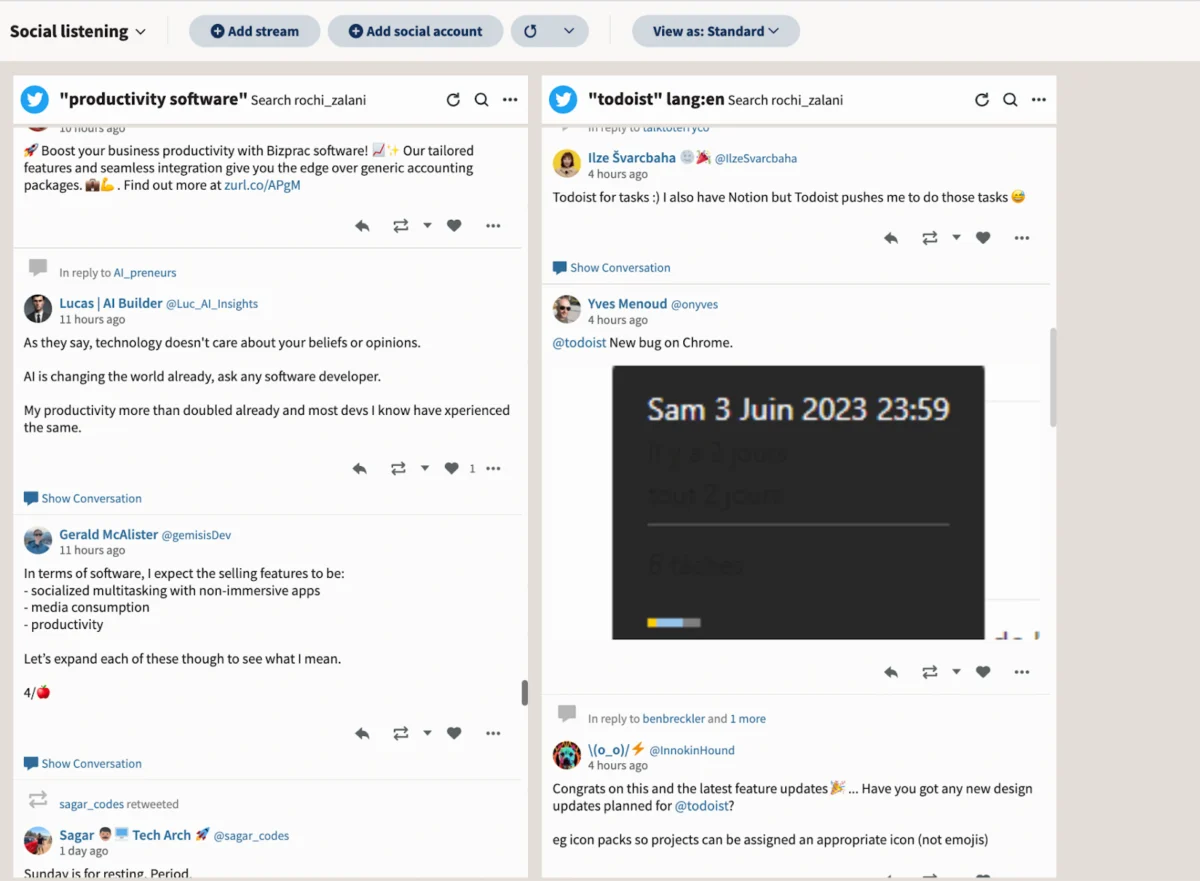
A veteran in the social media management space, Hootsuite is renowned for its powerful social listening capabilities, significantly bolstered by its acquisition of Talkwalker. This integration provides unparalleled insights into public sentiment, brand mentions, and trending topics, enabling proactive engagement and reputation management. Hootsuite’s robust team management features, including granular access controls and sub-team creation, make it suitable for mid-sized to large organizations requiring precise workflow management. While its AI assistant aids in copywriting and content repurposing, users may find its comprehensive dashboard initially overwhelming, indicating a steeper learning curve for new users.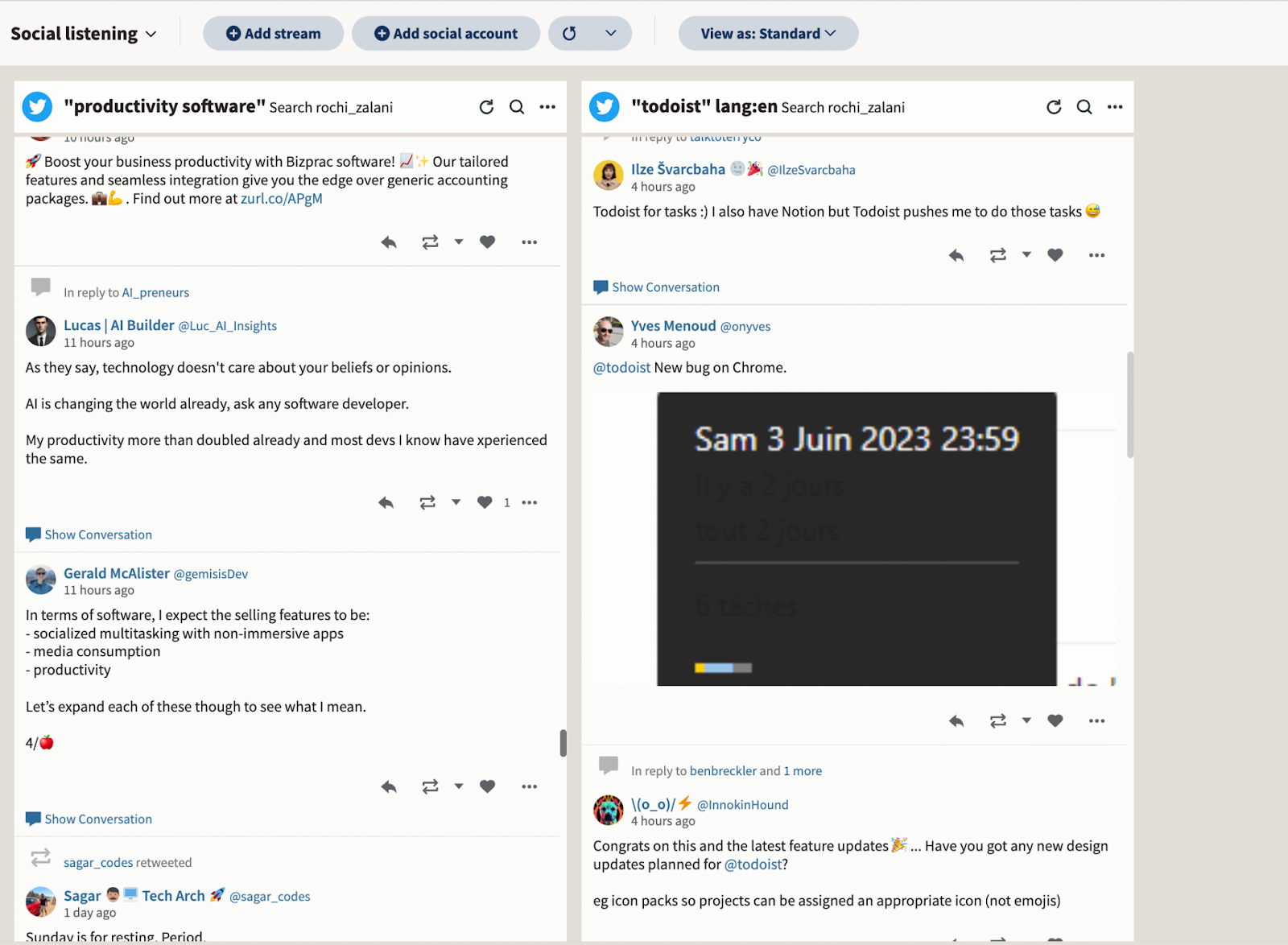
- Free Plan/Trial: No free plans; 30-day free trial for paid plans.
- Price: Starts at $199 per user per month.
-
SocialPilot:
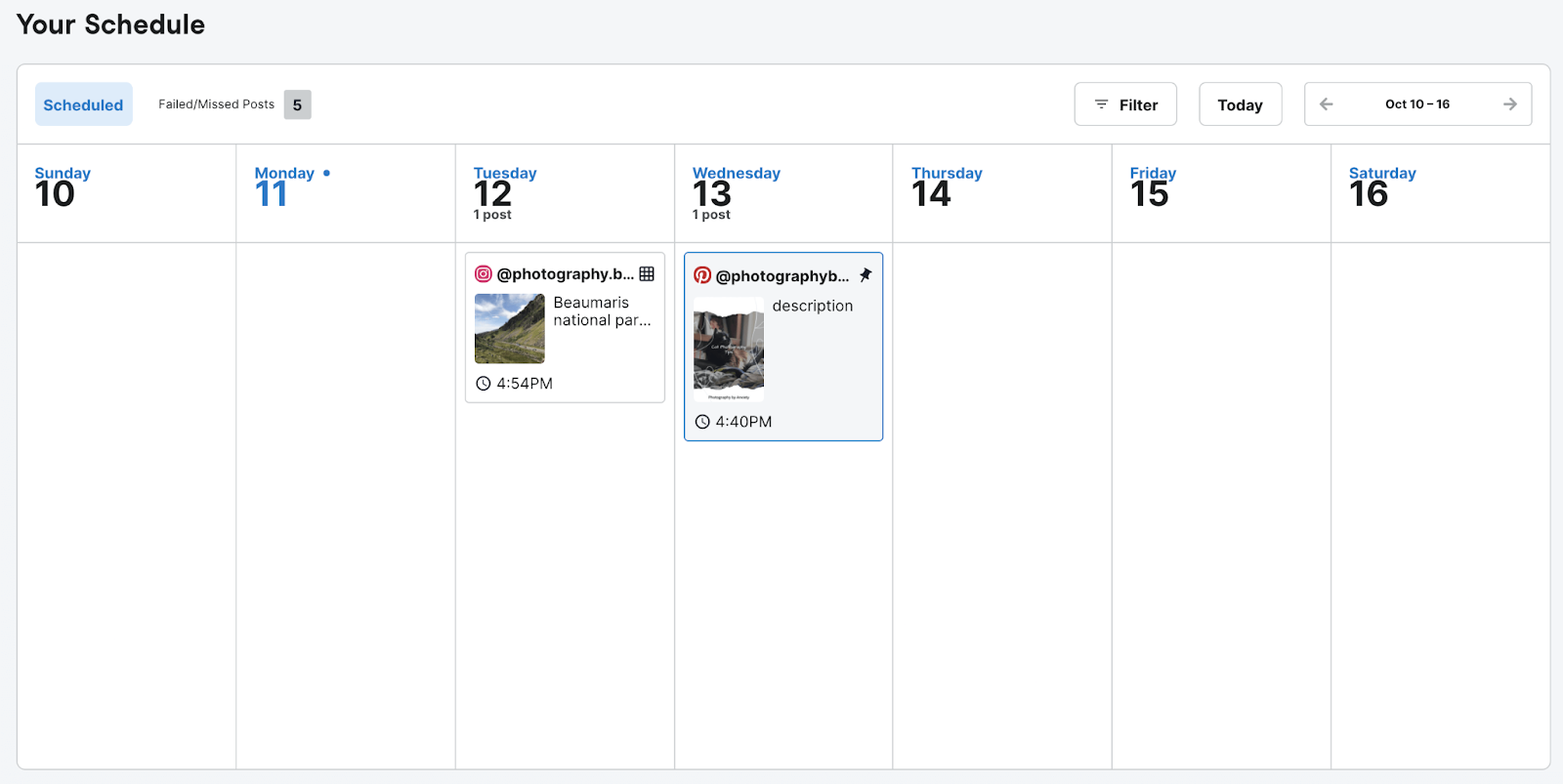
Designed with agencies and professional consultants in mind, SocialPilot offers a compelling blend of features for managing multiple client accounts. Its streamlined client approval process, featuring personalized, sign-up-free links for content review, significantly enhances agency workflows. The platform allows for the creation of distinct sub-dashboards for various clients and supports white-labeling, offering a customized brand experience. SocialPilot provides comprehensive scheduling, reporting, and AI features at a more accessible price point than some competitors, making it a strong contender for solo professionals and small teams needing robust client management capabilities.- Free Plan/Trial: No free plans; 14-day free trial for all paid plans.
- Price: Starts at $30 per month (single user, higher tiers for teams).
-
Later:
Recently rebranded to reflect its expanded capabilities, Later has evolved into an all-in-one platform for brands and creators. While maintaining its strong visual content planning roots—offering a media library, scheduling, and content calendar—it now deeply integrates influencer marketing and social listening tools. This combination allows users to manage traditional social scheduling alongside influencer campaigns, analytics, and link-in-bio tools from a single dashboard. Its focus on visual content and influencer collaboration makes it particularly attractive to fashion, lifestyle, and e-commerce brands.- Free Plan/Trial: No free plan; 14-day free trial for all paid plans.
- Price: Starts at $25 per month for one user (up to 30 posts per profile).
-
Zoho Social:
For businesses already entrenched in the Zoho ecosystem, Zoho Social offers seamless integration with other Zoho products like CRM and Zoho Desk. While it may not boast unique standalone features, its value proposition lies in providing a unified operational environment. It capably handles post scheduling, performance analysis, and basic reporting. Its integration with customer service software is a significant advantage for businesses that receive a high volume of customer queries via social media, allowing for a cohesive approach to customer engagement and support. It serves as an excellent foundational tool for developing social media strategies within an existing Zoho infrastructure.- Free Plan/Trial: Free plan for one team member; 15-day free trial for paid plans.
- Price: Starts at $15 per month.
3. Enterprise-Grade Platforms for Advanced Needs: Deep Analytics, Integration, and Scale
Large corporations and enterprises require solutions that can handle massive scale, integrate with complex tech stacks, provide granular control, and offer sophisticated analytical capabilities for strategic decision-making.
-
Sprout Social:
A leader in enterprise social media management, Sprout Social further solidified its position with the acquisition of Tagger Media in 2023, integrating powerful influencer marketing capabilities. Beyond its core strengths in scheduling, brand mention tracking, and beautiful, interactive analytics reports, Sprout Social now enables users to identify, vet, and collaborate with influencers directly within the platform. Its deep analytics, social CRM functionalities, and advanced team collaboration features cater to large organizations that need comprehensive insights and robust governance. While its pricing reflects its enterprise focus, the consolidated approach to social media and influencer marketing offers significant value for businesses with substantial budgets.- Free Plan/Trial: No free plan; 30-day free trial for all paid plans.
- Price: Starts at $199 per seat per month (additional costs for influencer marketing features).
-
Oktopost:
Exclusively tailored for B2B companies, Oktopost differentiates itself by focusing on the unique requirements of business-to-business social media strategies. It meticulously tracks the buyer journey, assigning every scheduled post to a specific campaign and automatically integrating UTM parameters for precise lead attribution and ROI measurement. Oktopost’s analytics dashboards are designed to connect social media performance directly to revenue impact, a critical metric for B2B sales cycles. It also offers robust content and employee advocacy management, empowering B2B organizations to leverage their internal experts for broader reach. The platform’s enterprise focus means pricing is custom and not publicly available, reflecting its tailored approach to complex B2B needs.- Free Plan/Trial: Not publicly available.
- Price: Custom / enterprise pricing.
-
Sprinklr:
As a comprehensive customer experience management (CXM) platform, Sprinklr offers an unparalleled suite of tools for large enterprises and global brands. Its social media management capabilities are just one facet of its broader offering, which includes social listening, competitive benchmarking, social advertising, and conversational commerce. Sprinklr stands out with AI-based image detection, persona-driven dashboards, and multi-audience content capabilities, designed to meet the complex governance and content needs of massive organizations. Its ability to integrate seamlessly with an existing enterprise tech stack provides a unified view of all customer touchpoints, making it an invaluable asset for companies seeking a holistic approach to customer experience. The learning curve and investment are significant, aligning with its enterprise-grade functionality.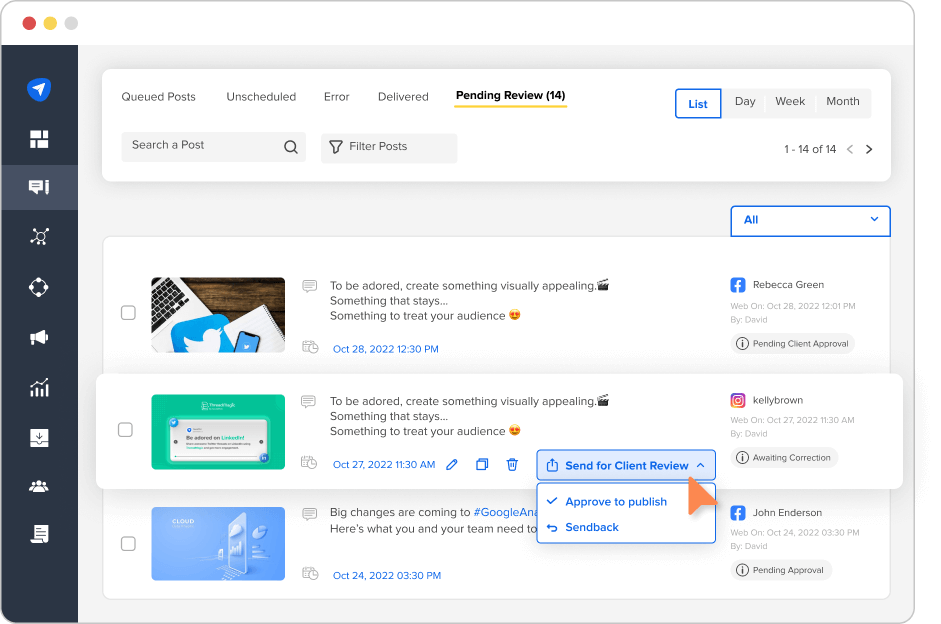
- Free Plan/Trial: Not publicly available.
- Price: Custom / enterprise pricing.
4. Specialized Tools for Niche Functions: Deepening Specific Aspects of Social Media
Some tools excel by focusing on a specific aspect of social media, offering unparalleled depth in that area, often complementing broader management platforms.
-
Socialinsider:
A dedicated analytics powerhouse, Socialinsider provides in-depth reporting that goes beyond the basic metrics offered by general SMM tools. It allows users to monitor engagement, reach, impressions, and follower growth across all social platforms within a single dashboard. Its strength lies in competitive analysis and content-pillar performance insights, enabling data-driven strategy adjustments. While it lacks traditional scheduling features, Socialinsider is an ideal choice for marketers and teams who require granular performance insights and competitor benchmarking, often used in conjunction with a separate scheduling tool.- Free Plan/Trial: No free plans; 14-day free trial for all paid plans.
- Price: Starts at $99 per month for up to 20 social media accounts.
-
Manychat:
Manychat specializes in chat automation and direct message (DM) management, offering a powerful add-on for social marketing automation, particularly on platforms like Instagram, Facebook, TikTok (beta), and WhatsApp. It enables creators and businesses to automate lead communication, follow-ups, and responses to comments, such as the popular "comment for link" mechanism. This tool is invaluable for businesses looking to scale personalized engagement, qualify leads, and provide automated customer support through social messaging. Its platform limitations (not supporting X or LinkedIn) should be considered, but its focus on conversational commerce makes it a leader in its niche.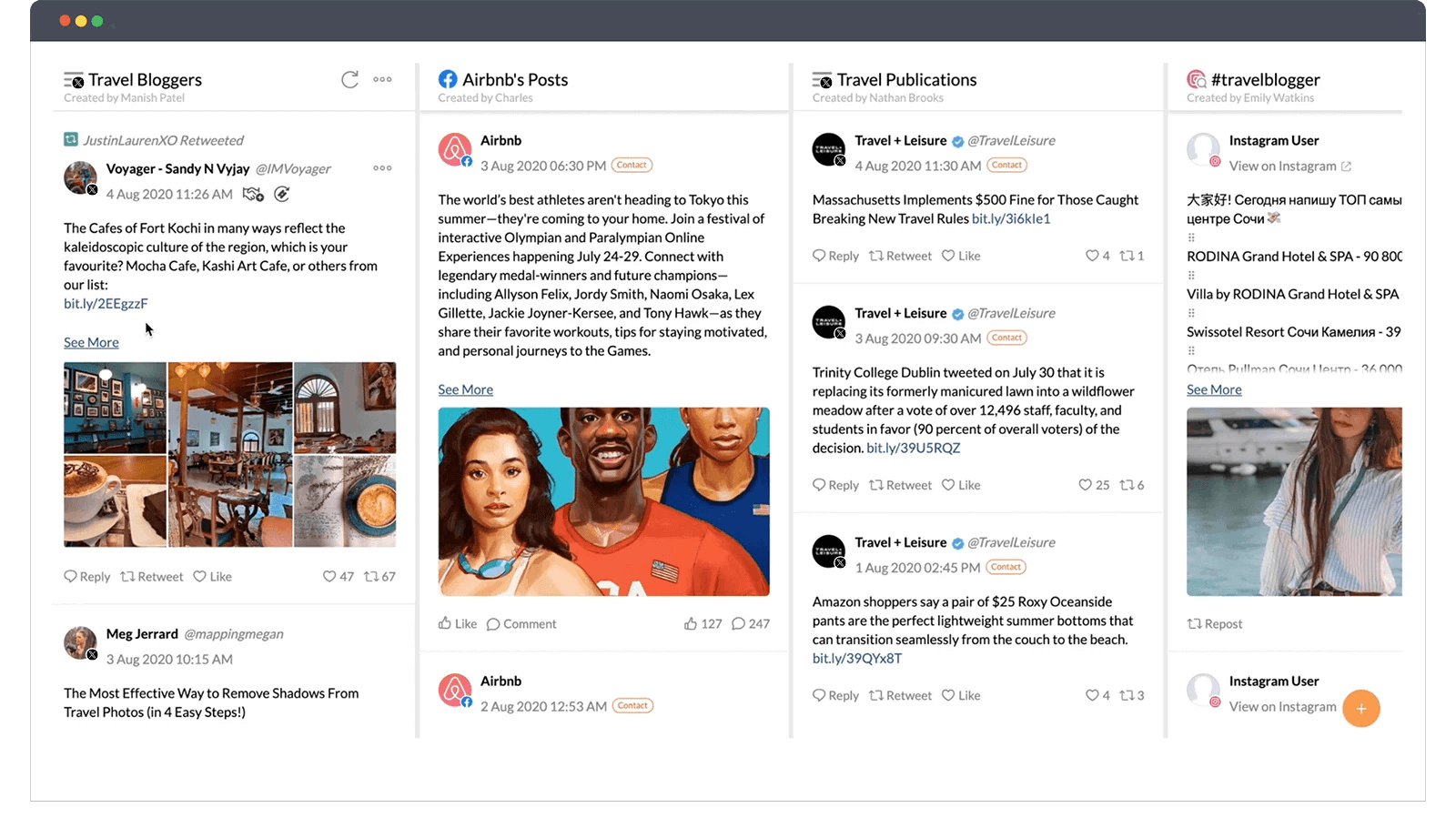
- Free Plan/Trial: Limited-feature free plan.
- Price: Starts at $15 per month (increases with contacts).
Strategic Selection: Choosing the Right Platform for Your Needs
The myriad of options underscores a critical challenge: identifying the "best" social media management tool is highly subjective. It hinges entirely on an organization’s specific context, objectives, and resources. Industry analysts consistently advise a methodical approach to selection, emphasizing long-term scalability and strategic alignment.
To make an informed decision, prospective users should evaluate platforms based on several key criteria:
-
Network Compatibility: Future-Proofing Your Strategy
The social media landscape is constantly evolving, with new platforms and features emerging regularly. It is paramount to select a tool that supports not only your current priority channels (e.g., Facebook, Instagram, LinkedIn, YouTube, TikTok, X) but also demonstrates agility in integrating newer or emerging platforms like Threads and Bluesky. A tool that anticipates and adapts to these shifts ensures your strategy remains future-proof, allowing for seamless expansion as your target audience diversifies.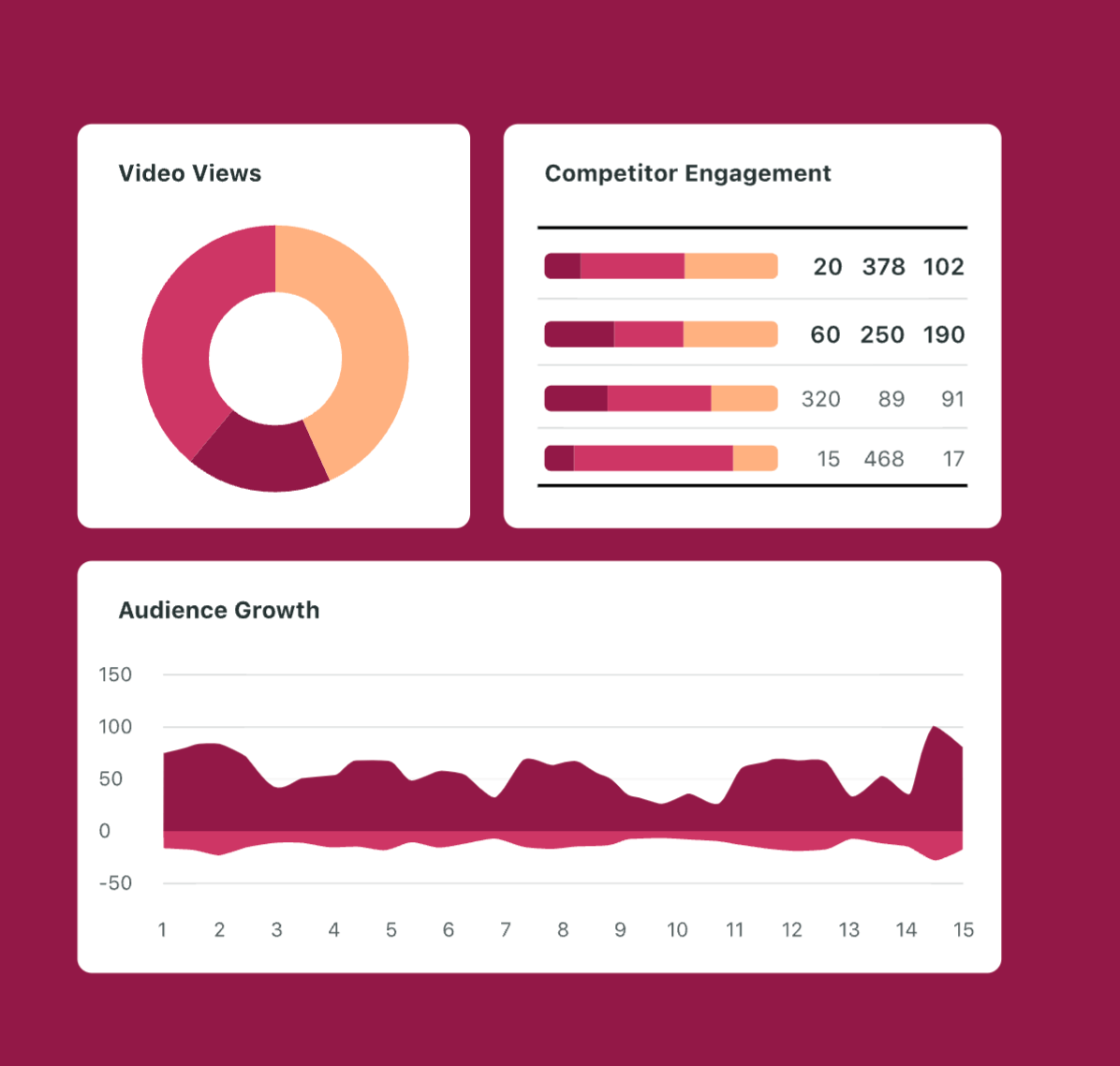
-
Reporting Depth: Beyond Vanity Metrics
While follower counts and likes offer a superficial glance at performance, truly effective social media management demands comprehensive analytics that measure return on investment (ROI) and deep audience engagement. Evaluate tools based on their ability to track specific goals—whether it’s lead generation, website traffic, conversion rates, or sentiment analysis. Detailed reporting should provide insights into post performance, audience demographics, optimal posting times, and competitor benchmarks, moving beyond basic reach and impressions to actionable intelligence. -
Collaboration Tools: Streamlining Team Workflows
For any team larger than a single individual, robust collaboration features are non-negotiable. Essential functionalities include granular permission levels, allowing managers to customize access for different team members, and streamlined approval workflows to maintain brand consistency and ensure compliance. Features like shared content libraries, task assignments, and internal commenting systems are crucial for efficient content creation and publishing processes, particularly for agencies managing multiple client accounts. -
Scalable Pricing: Growing Without Breaking the Bank
The cost structure of social media management tools varies significantly, with some charging per channel, others per user, or a combination thereof. It is imperative to project future costs, considering potential growth in team size or the number of social profiles managed. A tool that offers clear, tiered pricing plans that scale affordably with your business growth, rather than becoming prohibitively expensive, represents a sound long-term investment. Transparent pricing models prevent unexpected budgetary surprises as your digital presence expands. -
Specialized Features: Aligning with Unique Needs
Many platforms offer unique selling propositions that cater to specific marketing goals. For instance, some provide integrated link-in-bio builders, while others excel in AI-powered content generation, influencer discovery, or advanced social listening. Identifying your "must-have" features—whether it’s a visual content calendar, integrated customer service tools, or specialized B2B analytics—is crucial. The ideal tool’s unique strengths should directly align with and enhance your specific marketing strategy and operational requirements.
Industry Outlook and Future Implications
The social media management landscape is dynamic, continually shaped by technological advancements and evolving user behaviors. The increasing integration of artificial intelligence (AI) is a prominent trend, moving beyond basic caption generation to sophisticated predictive analytics, automated content optimization, and hyper-personalized engagement strategies. Short-form video content and the rise of conversational commerce through direct messaging are also driving platform innovations, necessitating tools that can effectively manage these new formats and interaction channels.
Data privacy concerns and regulatory changes (like GDPR and CCPA) will continue to influence how data is collected, analyzed, and used by SMM tools, pushing for greater transparency and user consent. The potential emergence of the metaverse and augmented reality applications could introduce entirely new dimensions to social media interaction, requiring future SMM tools to adapt to immersive digital environments.
Conclusion

Managing a vibrant and effective social media presence in today’s digital world is a monumental task, but it is one made significantly more manageable and impactful through the strategic deployment of social media management tools. From individual creators seeking simplicity and consistency to global enterprises demanding deep analytics and integrated customer experiences, the market offers a tailored solution for every need. By meticulously evaluating platforms against critical criteria such as network compatibility, reporting depth, collaboration capabilities, scalability, and specialized features, businesses can select a tool that not only streamlines their current operations but also positions them for sustained growth and success in the ever-evolving digital landscape. The right choice empowers marketers to transcend the logistical challenges, enabling them to focus on what truly matters: creating meaningful connections and delivering compelling value to their audience.