Cintya Tara Annisa
The Portland City Council has officially joined a growing list of global jurisdictions by passing a comprehensive measure that prohibits the sale and service of foie gras derived from force-fed birds within city limits. This ordinance, which carries a significant penalty of up to $5,000 per violation, marks a pivotal moment for the culinary landscape of Oregon’s largest city. While the immediate impact affects high-end restaurateurs and their suppliers, the move has reignited a wider international conversation regarding the ethics of animal-derived luxury goods. Specifically, industry analysts and animal welfare advocates are now questioning whether other products rooted in controversial animal husbandry practices—most notably Kopi Luwak, or "civet coffee"—will be the next to face legislative scrutiny in progressive urban centers.
The Portland Ordinance and National Precedents
The measure passed by Portland officials targets the specific process of "gavage," a method where ducks or geese are force-fed a corn-based mash via a tube inserted into their esophagi to induce hepatic steatosis, or the extreme enlargement of the liver. The resulting fatty liver is the culinary delicacy known as foie gras. Portland’s ban is not an isolated incident but rather the latest development in a decades-long legislative trend across the United States.
California was the first to implement a statewide ban, signed into law in 2004 and taking full effect in 2012 after years of litigation. New York City followed suit with a 2019 ordinance, though that measure has faced numerous legal challenges from farmers in upstate New York who argue the ban infringes on state agricultural laws. Other municipalities, including Pittsburgh, Pennsylvania, and Brookline, Massachusetts, have enacted similar prohibitions. Internationally, the practice is even more restricted; approximately 20 countries, including the United Kingdom, Germany, Israel, and India, have either banned the production or the import of foie gras, citing the practice as inherently inhumane.
The Portland ordinance was championed by animal rights organizations who provided testimony regarding the physiological stress placed on the birds. Conversely, some members of the culinary community expressed concern over government overreach in professional kitchens, arguing that the ban targets a niche product while ignoring broader issues in industrial factory farming.
A Chronology of Ethical Food Legislation
The movement to regulate or ban specific animal products based on production methods has evolved through several distinct phases:
- Early 2000s: The Rise of Gavage Awareness: Activism intensified in Europe and the U.S., leading to the landmark California legislation (SB 1520).
- 2010–2015: International Prohibitions: Countries like India became the first to ban the import of foie gras entirely, rather than just its domestic production.
- 2019–2023: Urban Policy Shifts: Major metropolitan hubs began leveraging local health and welfare codes to bypass state-level inaction, leading to the NYC and Pittsburgh bans.
- 2024–Present: Expansion to Other Commodities: The focus has begun to shift from poultry to other exotic animal-processed goods, such as civet coffee and elephant dung coffee.
The Parallel Case of Kopi Luwak
As the legislative net tightens around foie gras, the coffee industry is facing its own ethical reckoning regarding Kopi Luwak. This specialty coffee, often marketed as the most expensive in the world, is produced from coffee cherries that have been ingested and fermented in the digestive tract of the Asian palm civet (Paradoxurus hermaphroditus), a small, cat-like mammal native to Southeast Asia.
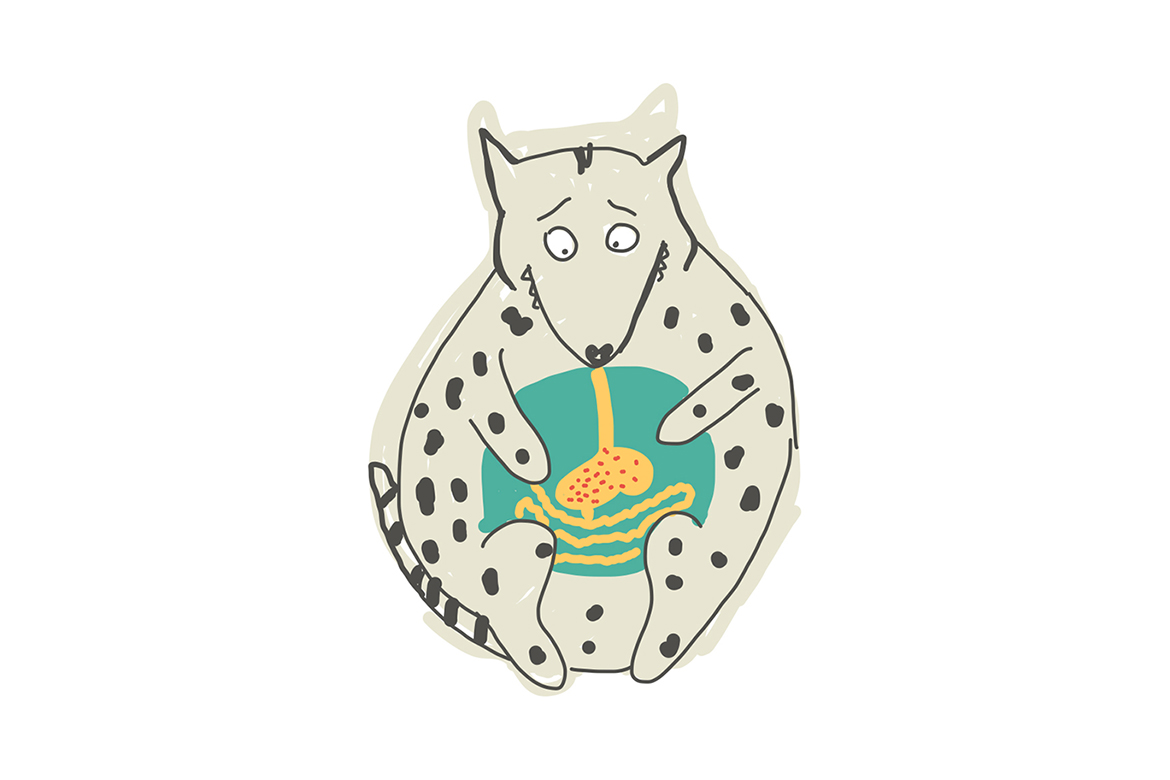
The origins of Kopi Luwak date back to 18th-century Indonesia during the era of Dutch colonial rule. Local farmers, prohibited from harvesting coffee for their own use, discovered that wild civets would consume the ripest coffee cherries and excrete the undigested seeds. These seeds, once cleaned and roasted, produced a cup of coffee that was notably smoother and less acidic than standard harvests. This was largely attributed to two factors: the civets’ natural ability to select only the highest-quality, ripest fruit, and the enzymatic action in the animal’s stomach that broke down the proteins responsible for bitterness.
However, the modern commodification of Kopi Luwak has fundamentally altered its production. To meet global demand and justify high retail prices—often exceeding $600 per kilogram—the industry shifted from harvesting wild droppings to intensive "battery cage" farming.
Data and Welfare Concerns in Civet Coffee Production
Investigations by animal welfare groups, including People for the Ethical Treatment of Animals (PETA) and the World Animal Protection (WAP), have documented systemic cruelty within the Kopi Luwak supply chain. In these intensive systems, wild-caught civets are often confined to small, barren wire cages with little to no social interaction or environmental enrichment.
Key data points regarding the impact of this confinement include:
- Nutritional Deficiencies: In the wild, civets have a diverse diet of insects and fruits. In captivity, they are often force-fed an exclusive diet of coffee cherries to maximize output, leading to severe malnutrition and hair loss.
- Psychological Distress: As nocturnal and solitary animals, the constant light and proximity to other caged civets in commercial farms cause stereotypic behaviors, such as pacing, self-mutilation, and incessant biting of cage bars.
- Mortality Rates: Mortality rates in intensive civet farms are significantly higher than in the wild, with many animals dying from stress-induced digestive ailments.
Furthermore, the quality of the coffee itself has plummeted. Because the animals are no longer "selecting" the best cherries but are instead being fed whatever is available, the original culinary justification for Kopi Luwak has largely vanished. Many specialty coffee experts, including those affiliated with the Specialty Coffee Association (SCA), have noted that the flavor profile of modern, farm-produced Kopi Luwak is often inferior to standard specialty-grade beans processed through traditional washed or natural methods.
Implications of Potential Bans
The question of whether Kopi Luwak will follow foie gras into the realm of prohibited goods depends on how municipal and state governments define animal cruelty. If the legal metric for a ban is the "unnecessary suffering for a luxury food item," then Kopi Luwak presents a nearly identical legal profile to foie gras.
1. Economic Impact
A ban on Kopi Luwak in a major market like Portland or New York would likely have a negligible impact on the general economy, given the product’s niche status. However, it would send a powerful signal to the Indonesian tourism and export sectors. In Bali and Sumatra, "civet coffee tours" are a significant draw for international tourists. A shift in Western consumer laws could force these operations to transition toward "certified wild" or "cage-free" models, though such certifications are notoriously difficult to verify and prone to fraud.

2. Regulatory Challenges
Unlike foie gras, which is a distinct physical organ, Kopi Luwak is a processed bean. Regulating its sale would require robust supply chain tracing. Governments would need to decide if they are banning the product entirely or only the "caged" variety. Given the difficulty in distinguishing between wild and caged beans through chemical analysis alone, a total ban is the more likely legislative route for cities seeking to eliminate the practice.
3. The "Slippery Slope" Argument
Critics of the Portland foie gras ban argue that such measures represent a "slippery slope" toward more intrusive food regulations. They contend that if force-feeding is the standard for a ban, then many aspects of industrial pork and poultry production—such as the use of gestation crates or high-density broiler houses—should also be illegal. Proponents of the ban, however, argue that luxury items like foie gras and Kopi Luwak are "low-hanging fruit" where the cruelty-to-utility ratio is exceptionally high, making them appropriate starting points for ethical reform.
Future Outlook for Ethical Consumption
The legislative actions in Portland reflect a broader cultural shift toward "conscious consumerism." As laboratory-grown meats and plant-based alternatives gain market share, the tolerance for traditional delicacies involving animal distress appears to be waning.
For the coffee industry, the path forward may involve a complete disassociation from animal-processed beans. Many high-end roasters have already removed Kopi Luwak from their catalogs, citing both ethical concerns and a lack of transparency in the supply chain. If Portland’s ban on foie gras serves as a bellwether, the future of Kopi Luwak may not be found on the shelves of specialty cafes, but rather in the history books of 18th-century colonial oddities.
As of now, no formal legislation has been introduced in Portland to ban Kopi Luwak, but the framework established by the foie gras ordinance provides a clear legal pathway for such a move. The city’s decision has signaled that in the modern era, the methods of production are becoming just as important to consumers and lawmakers as the final product on the plate—or in the cup.