
 Indra Kusuma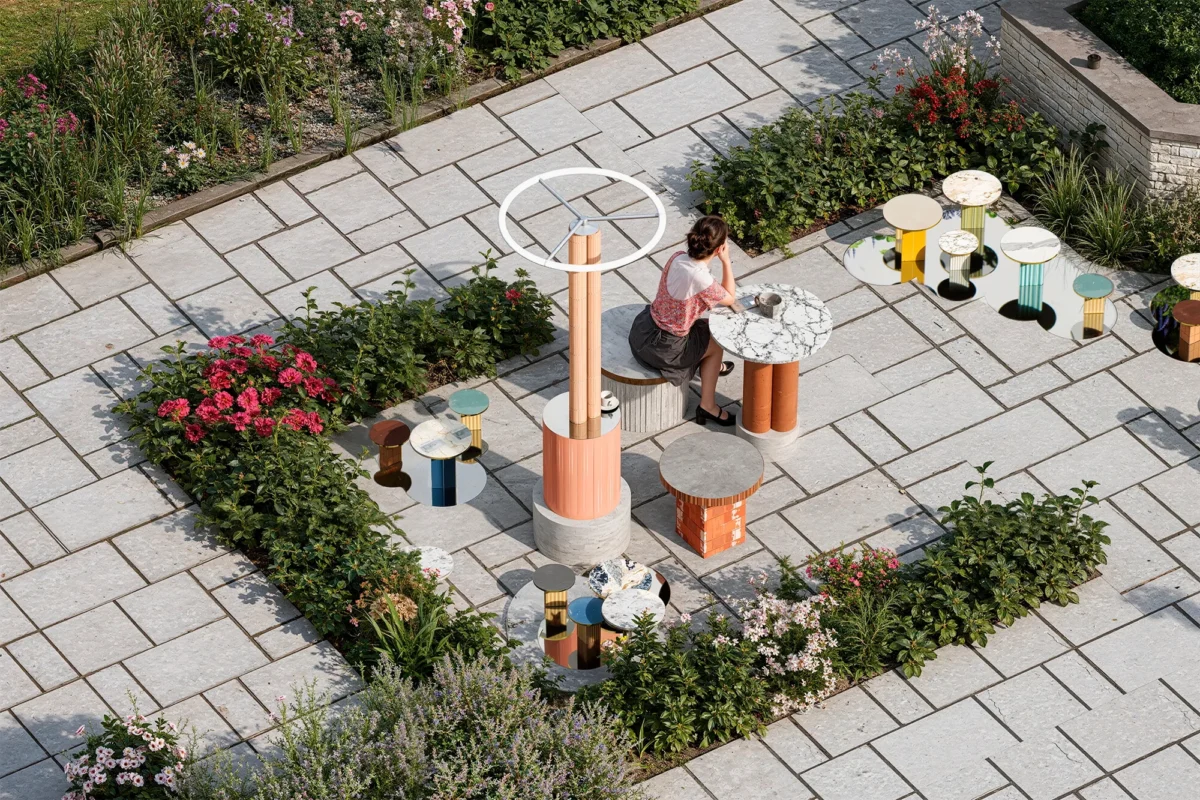
Clerkenwell Design Week (CDW) 2026 continued its vibrant showcase of innovation, sustainability, and future-forward design on its second day, Wednesday, May 20. As one of the United Kingdom’s premier design festivals, CDW annually transforms London’s historic Clerkenwell district into a dynamic hub for architects, designers, manufacturers, and enthusiasts. The area, renowned for its concentration of creative businesses and showrooms, provides an ideal backdrop for a festival that consistently draws over 35,000 attendees seeking inspiration and networking opportunities. Day 2 underscored several critical themes emerging across the global design landscape, including the profound impact of technology on future generations, the imperative of circularity in production, and the celebration of diverse materialities and cultural design identities. From immersive installations to insightful panel discussions and groundbreaking product launches, Wednesday’s agenda offered a rich tapestry of experiences curated by industry leaders.
Clerkenwell Design Week: A Hub of Global Innovation
Clerkenwell Design Week, now in its eighteenth year, has firmly established itself as a pivotal event in the international design calendar. Spanning three days, the festival features a meticulously curated program across various venues, including showrooms, pop-up installations, and dedicated exhibition spaces like Design Fields, Light + Building, Elements, and Detail. The event’s success stems from its unique ability to blend high-level industry discourse with accessible public engagement, showcasing everything from cutting-edge furniture and lighting to advanced material solutions and architectural concepts. Clerkenwell’s historical significance as a center for craftsmanship and industry, dating back centuries, lends an authentic gravitas to the modern design narratives presented during the week. In 2026, the festival’s overarching ethos appears to be a synthesis of technological integration, environmental responsibility, and a renewed focus on human-centric spaces, reflecting global shifts in design priorities. The attendance figures consistently demonstrate its growing influence, with previous editions reporting significant increases in both visitor numbers and exhibitor participation, solidifying its role as a key market driver and trendsetter.
Highlight of the Day: The Secret Garden by La Erreria
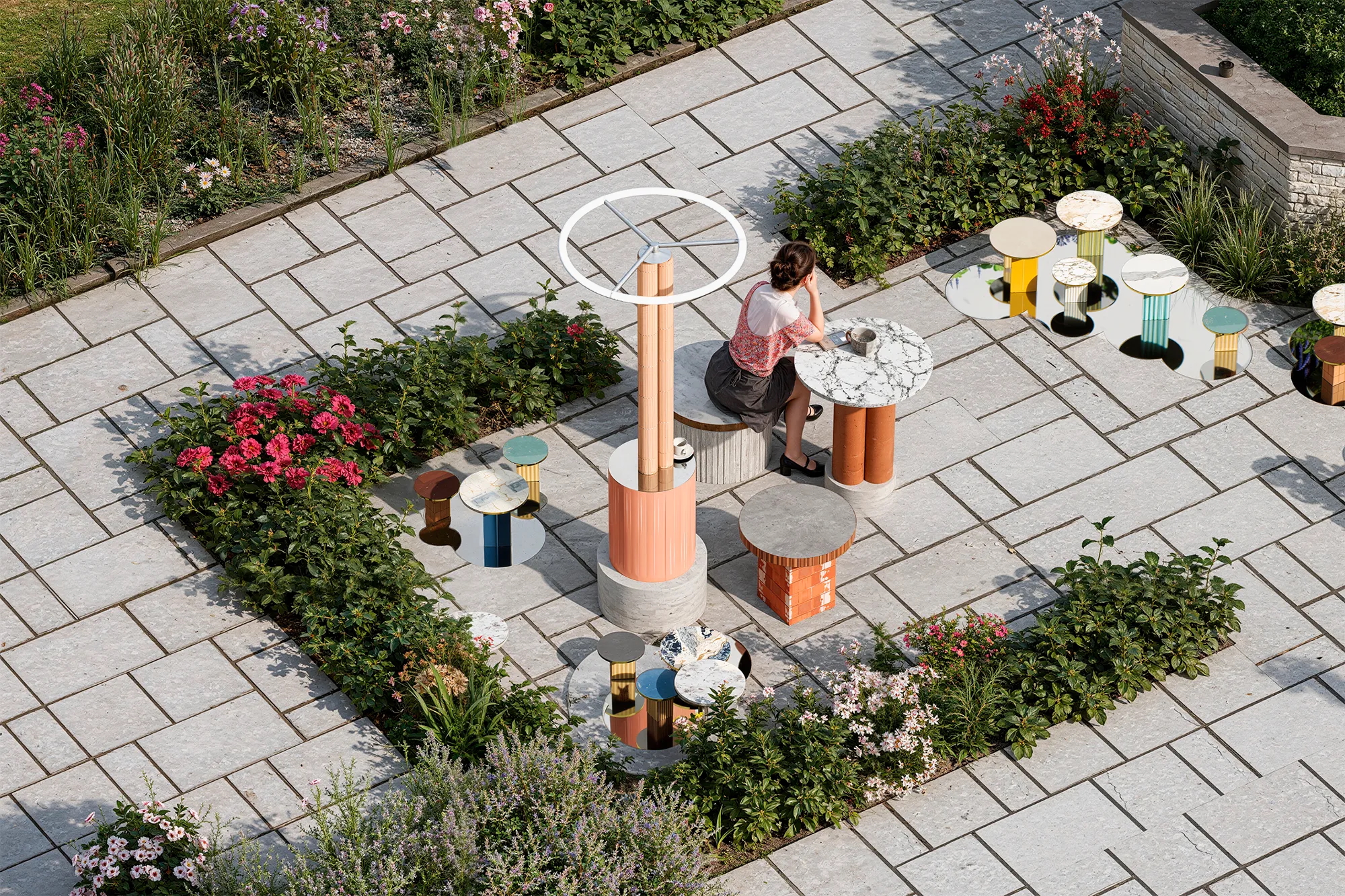
The undisputed highlight of Day 2 was "The Secret Garden," an evocative sensory installation by La Erreria, presented in collaboration with Tile of Spain. This unique exhibit offered a radical reimagining of the traditional English garden, transcending mere aesthetics to explore the profound implications of materiality in contemporary architecture and landscape design. Situated within a serene, yet thought-provoking setting, the installation utilized ceramics from twelve distinguished Spanish brands—Adex, Cevica, Cifre Cerámica, Cristacer, Decocer, El Barco, Harmony, Inthetile, La Platera, Porcelanosa, STN Cerámica, Undefasa, and Wow Design.
Visitors were invited to interact with a space where geometric forms and organic elements converged, demonstrating the versatility and tactile qualities of ceramic tiles. The installation challenged perceptions of outdoor spaces, illustrating how advanced ceramic solutions can offer both aesthetic beauty and functional resilience. The selection of Tile of Spain ceramics underscored a commitment to innovation, durability, and a rich palette of textures and finishes. Each brand contributed a distinct voice, from traditional patterns to ultra-modern, large-format slabs, showcasing the breadth of Spanish ceramic manufacturing. The designers aimed to create an environment that was both tranquil and intellectually stimulating, encouraging contemplation on the relationship between natural forms and manufactured materials. This installation served as a powerful testament to the evolving role of ceramics not just as surface coverings, but as integral components of architectural expression, capable of defining atmosphere and experience in public and private realms. The inferred reaction from attendees highlighted an appreciation for the blend of artistry and technical prowess, with many noting the unexpected warmth and depth that ceramics brought to an otherwise conventional garden concept.
Design Dialogues: Shaping the Future through Discussion
The Design Dialogues series on Wednesday delved into crucial topics that are currently reshaping the design industry and society at large. These sessions, held in various venues across Clerkenwell, provided platforms for expert panels to engage with attendees on the most pressing challenges and opportunities.
-
Designing for Gen Alpha (12:00-13:00): This forward-looking panel discussion addressed the imminent impact of Generation Alpha—children born roughly between 2010 and 2024—on the future of design. As the first truly AI-native generation, their expectations regarding education, housing, and public spaces are anticipated to fundamentally differ from previous generations. Panelists underscored the necessity for hybrid physical and digital environments that seamlessly integrate technology into daily life, moving beyond mere connectivity to create truly intelligent and responsive spaces. The discussion highlighted how designers must consider adaptability, personalization, and interactive elements to cater to a generation accustomed to intuitive digital interfaces and augmented realities. Implications for urban planning include flexible infrastructure, smart homes with integrated AI, and educational institutions designed for immersive learning experiences. Data suggests that Gen Alpha will spend an unprecedented amount of time interacting with AI, necessitating a re-evaluation of how physical spaces complement and enhance these digital interactions, focusing on wellness and cognitive development.
-
Circular Pathways to Certification (14:00 – 15:00): The afternoon session focused on the burgeoning importance of the circular economy within design, particularly concerning sustainability certifications. The panel explored how innovative materials, specifically ECONYL® regenerated nylon and the Cradle to Cradle (R2R®) program, are facilitating the attainment of international sustainability benchmarks such as LEED (Leadership in Energy and Environmental Design), BREEAM (Building Research Establishment Environmental Assessment Method), and WELL Building Standard. These certifications are increasingly vital for designers and manufacturers aiming to demonstrate their commitment to environmental responsibility and occupant well-being. The discussion detailed how a circular approach—emphasizing material reuse, recycling, and waste reduction—not only minimizes ecological footprint but also offers economic advantages and enhances brand reputation. Experts explained the stringent requirements of these certifications and how embracing materials like ECONYL®, made from reclaimed waste materials, directly contributes to points needed for certification, showcasing a practical pathway to achieving a more sustainable built environment. The rising demand for green buildings globally, driven by both consumer preference and regulatory pressures, makes such certifications a competitive advantage.
-
Turn It Upside Down: The Iterative Advantage (15:00 – 16:00): This session championed iteration as a critical competitive strategy in modern design. The panel explored how rapid experimentation, ranging from traditional prototyping to advanced AI-assisted workflows, can significantly improve design outcomes. Iteration, defined as the continuous process of refining and improving a design through repeated cycles of testing and modification, allows designers to explore multiple solutions efficiently. Speakers highlighted examples where AI tools accelerate the generation of design variations and optimize complex parameters, freeing designers to focus on conceptual development and problem-solving. A key takeaway was the importance of transparent communication throughout the iterative process, building stronger client understanding and trust as they witness the evolution of a design solution. This approach is becoming indispensable in fast-paced industries where quick adaptation and responsiveness to feedback are crucial for delivering innovative and effective designs.
All-Day Happenings: Immersive Experiences and National Showcases
Beyond the structured talks, Day 2 offered a series of engaging "Happenings" that provided immersive experiences and celebrated international design prowess.
-
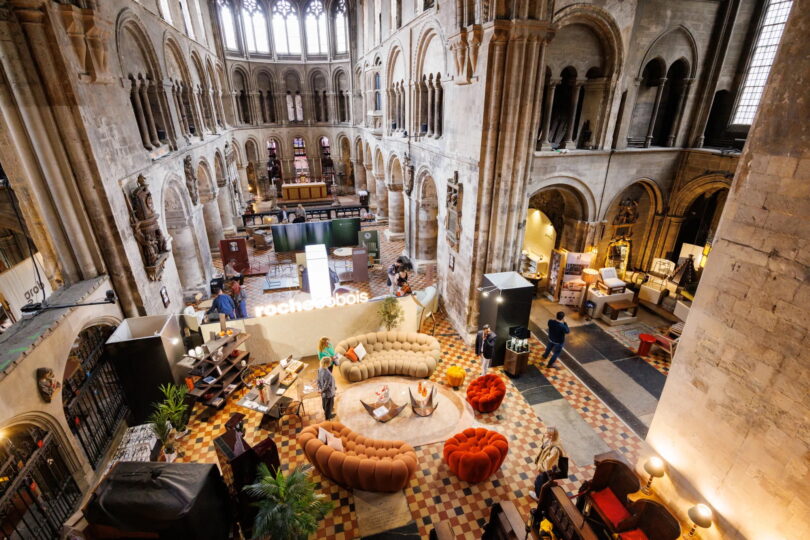
The Italian Hospitality by Giulio Cappellini: The Italian Trade Agency introduced "The Italian Hospitality," a meticulously curated installation by renowned architect Giulio Cappellini, who served as Design Ambassador for Italian Design Day 2026. This project was a sophisticated reflection of Italy’s distinctive capability to merge industrial production with artisanal craftsmanship, presenting a cohesive vision of contemporary living rooted in unparalleled quality and innovation. The exhibition featured iconic pieces from leading Italian brands, showcasing the elegance, functionality, and timeless appeal that define Italian design. Cappellini’s selection aimed to demonstrate how Italian manufacturers maintain a delicate balance between tradition and avant-garde, continually setting global trends in furniture, lighting, and interior accessories. The installation conveyed a sense of refined comfort and sophisticated aesthetics, characteristic of Italian lifestyle.
-
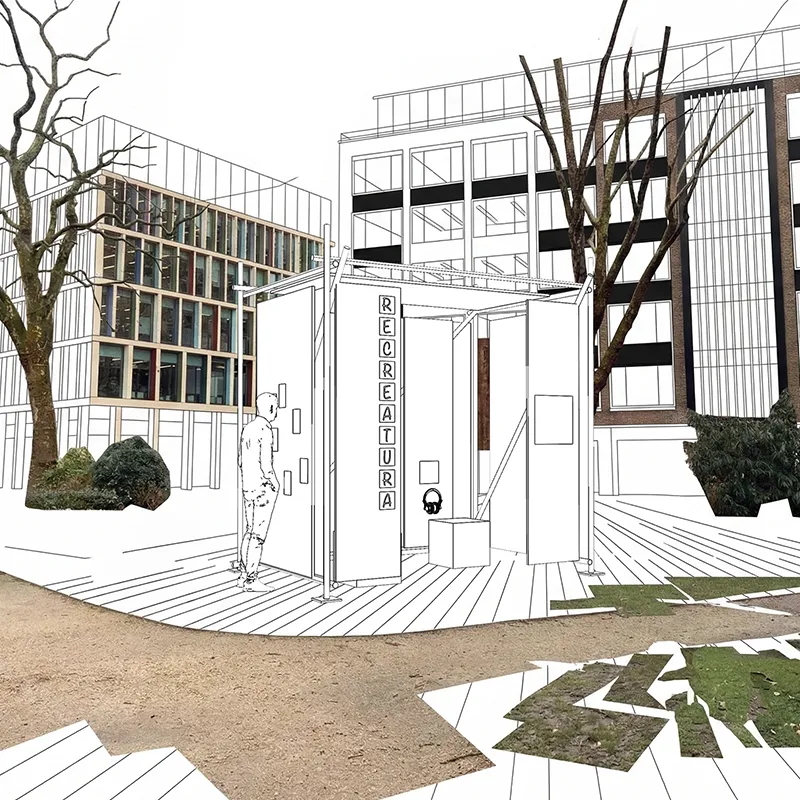
Recreatura: This innovative binaural sonic installation, "Recreatura," by Alicia Waibel, Evina Kat, Michael Wagner, Ritu Kittur, and Samia Kapadia of the 4-8 Collective, challenged visitors to perceive architecture not through sight, but through sound. Reimagining the historic Charterhouse, the installation explored the acoustic properties and hidden narratives embedded within the building’s structure. Through advanced audio technology, "Recreatura" created an immersive soundscape that allowed listeners to experience the building’s "voice," revealing layers of history, material resonance, and the unseen vibrations of its existence. This multisensory approach offered a profound meditation on how sound shapes our experience of space and how design can engage senses beyond the visual, prompting a deeper connection to the built environment.
-
The German Collection: Showcasing the hallmark precision, engineering excellence, and functional aesthetics characteristic of German design, "The German Collection" brought together a premier selection of acclaimed German brands and furniture. Participating brands included Brunner UK, Dresdner Zimmer, Express Küchen, HEWI, Indorama Ventures, JUNG, Krall + Roth, Sundrape, ter Hürne, Thonet, TREWA GmbH, and Wineo. The collection highlighted a diverse range of products, from ergonomically designed office furniture and innovative kitchen systems to sophisticated lighting and sustainable flooring solutions. This collective exhibition underscored Germany’s enduring contribution to modern design, emphasizing durability, material integrity, and a minimalist yet highly functional approach that resonates globally. The presence of such a strong contingent demonstrated the continued importance of international collaboration and cultural exchange at CDW.
Showroom Events: Interactive Engagements and Product Launches
Clerkenwell’s numerous permanent showrooms played a crucial role on Day 2, hosting bespoke events that offered deeper insights and direct engagement with new products and philosophies.
-
What Does It Mean to Design for Belonging? (09:00 to 11:00, Shaw Contract): Shaw Contract hosted an interactive conversation that transcended the typical panel talk format. This session invited attendees to actively shape the dialogue around designing for "true belonging"—encompassing both human well-being and planetary health. Instead of passive listening, participants were encouraged to bring their questions, ideas, and challenges, with panelists responding in real-time. This collaborative approach fostered a dynamic exchange on how design can create spaces that promote inclusivity, community, and environmental stewardship. The discussion explored the social and psychological dimensions of space, emphasizing that belonging extends beyond physical access to encompass emotional connection and a sense of shared purpose.
-
Designed to Return: The Beauty of Circularity (12:00 to 12:30, Tarkett): Tarkett’s showroom event focused on "Circularity offers a different kind of beauty: one rooted in care and continuity." This talk positioned closed-loop design not merely as an environmental necessity but as a creative opportunity. It encouraged designers to rethink waste, redefine value, and integrate circular thinking from the initial stages of design. The session highlighted Tarkett’s own commitment to circular economy principles, showcasing how their products are designed for disassembly, reuse, and recycling, thereby minimizing landfill waste and conserving resources. This approach, they argued, leads to products that are beautiful not only in form but also in their sustainable lifecycle.
-
Spacestor Late Night (17:00 to 20:00, Spacestor Design Centre): The day concluded with Spacestor’s popular "Late Night" event, a celebratory gathering that combined innovation and creativity with networking opportunities. Featuring music, food, and drink, the event provided a relaxed atmosphere for industry professionals to connect, discuss the day’s insights, and explore Spacestor’s latest offerings in office furniture and workplace solutions. These social events are vital components of CDW, fostering community and facilitating informal knowledge exchange among designers, manufacturers, and clients.
Showcasing Innovative Products: Form, Function, and Sustainability
Day 2 also saw the unveiling of several noteworthy products that exemplify current trends in material innovation, functional design, and sustainable practices.
-
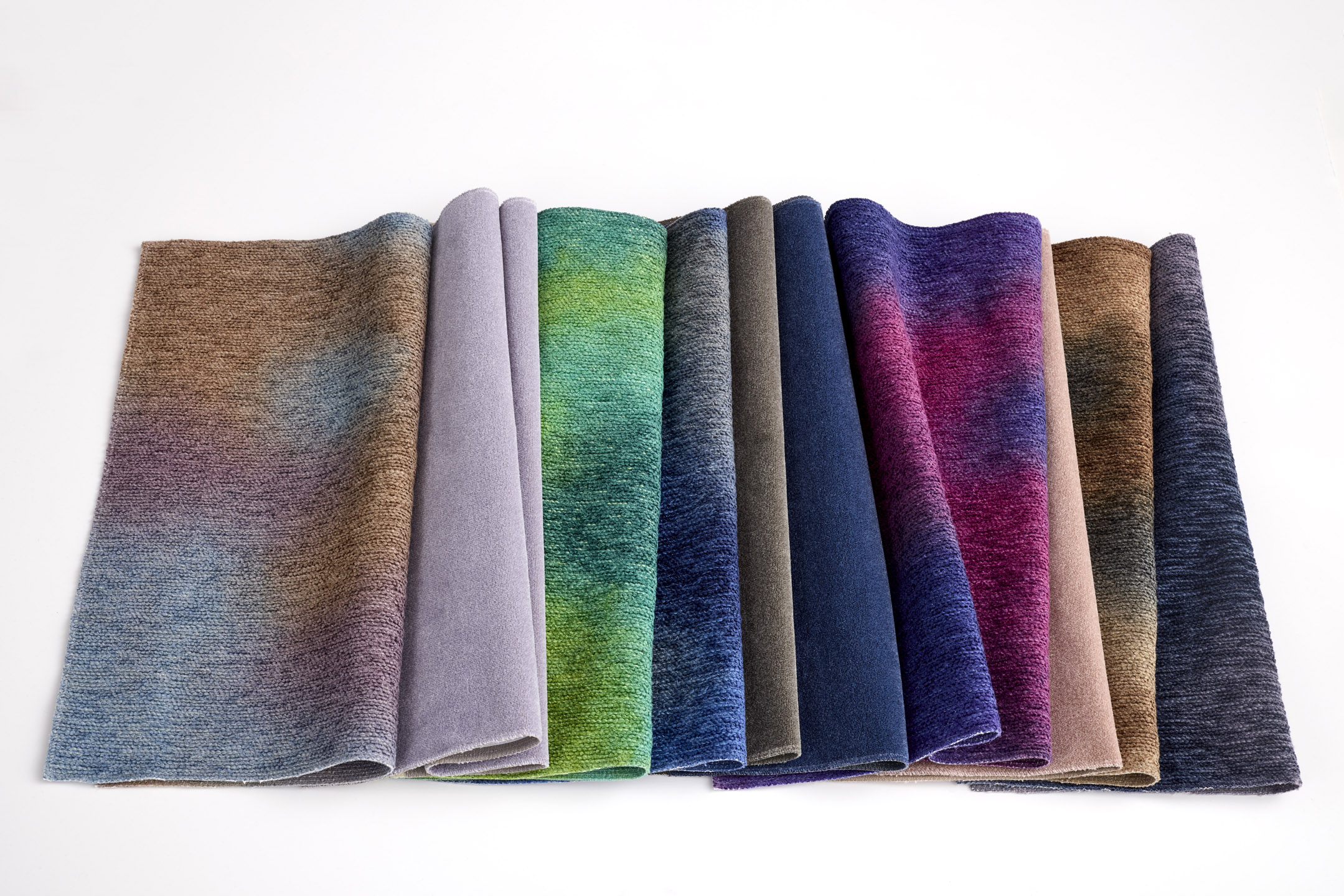
Teknion Beyond the Surface Collection by Luum: Dorothy Cosonas’s "Beyond the Surface" collection for Luum, under the Teknion umbrella, presented a captivating exploration of color, texture, and pattern. Drawing inspiration from diverse sources such as nature, art, fashion, and the dynamic streetscapes of New York City, the collection translated these influences into seven new textile products. These included three woven upholsteries, one nonwoven upholstery, one multipurpose fabric, and two draperies. The collection’s strength lay in its ability to evoke depth and movement through subtle gradients and intricate weaves, offering designers a sophisticated palette for interior spaces. The emphasis on varied textures and a rich chromatic range allows for nuanced design expressions, enhancing both visual and tactile experiences in commercial and residential settings.
-
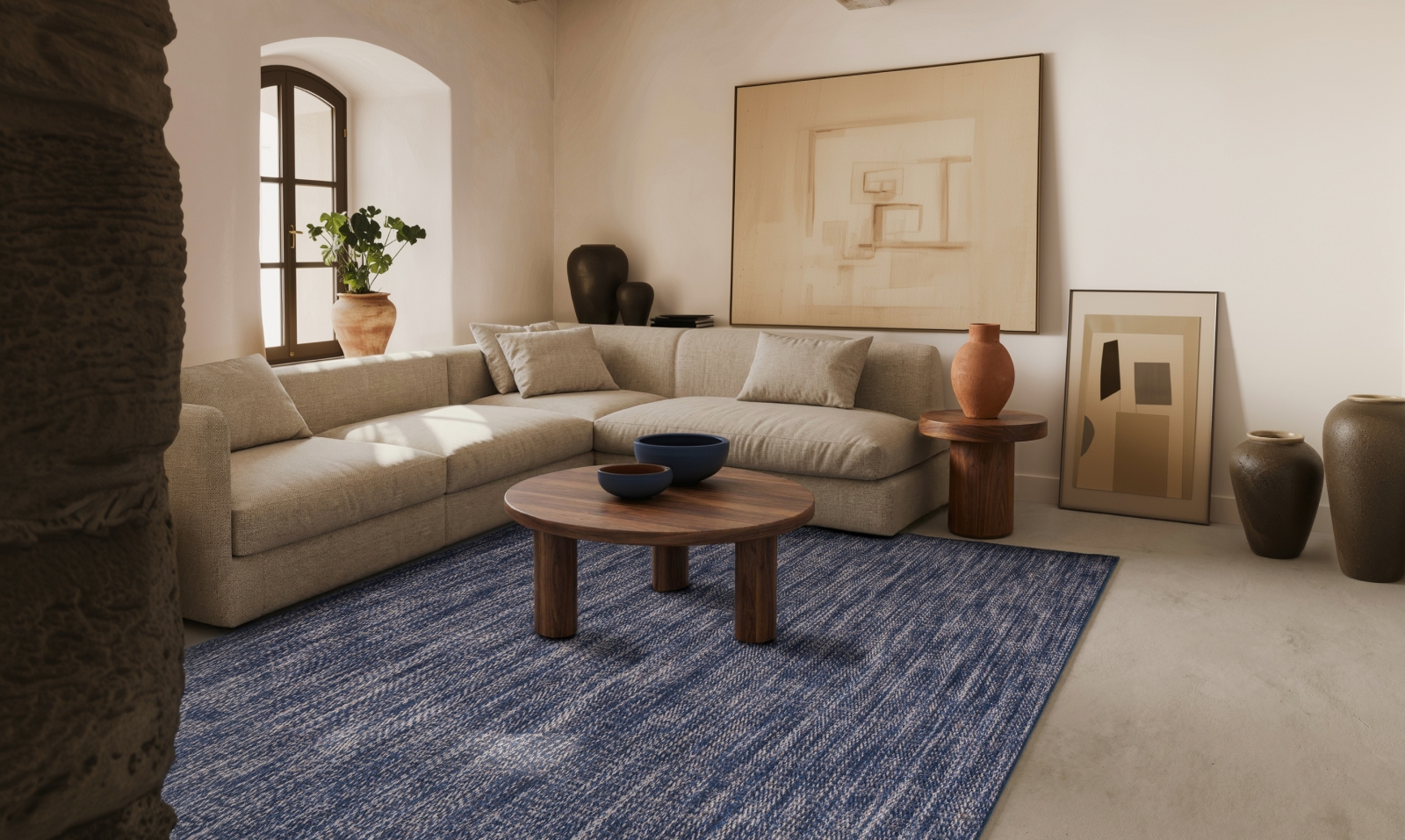
Naturtex Ciudadela: The "Ciudadela" rug by Naturtex celebrated the inherent strength and beauty of 100% natural sisal. Its design focused on an honest expression of the material, allowing its intrinsic qualities to shine. The distinctive herringbone weave introduced a subtle rhythm and depth to the rug, creating a pattern that gracefully shifts with changing light conditions. This understated elegance enriches any space without overpowering it, making it a versatile addition to interiors seeking natural warmth and organic texture. The use of sisal aligns with growing demand for natural, renewable materials in interior design, emphasizing both durability and environmental responsibility.
-
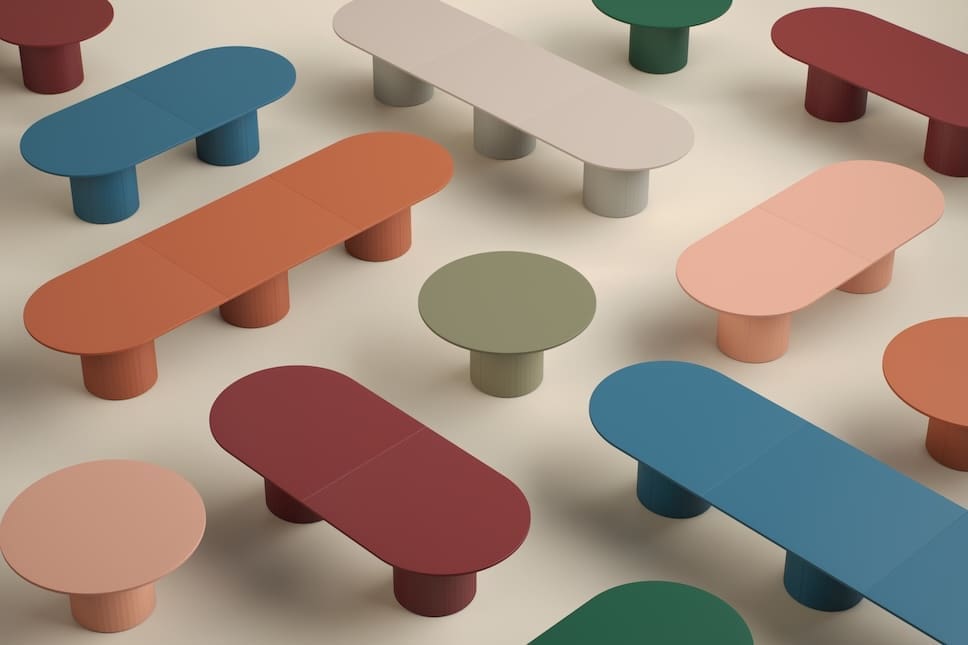
Moventi Tor: Named after the solid, enduring rock formations that inspired its design, the "Tor" table by Moventi featured a chunky, robust silhouette engineered to anchor any office space. Beyond its striking aesthetic, the "Tor" boasted a multi-faceted base designed for enhanced cable management. This practical innovation addresses a common challenge in modern workspaces, keeping cables tidy and organized, thereby promoting a clutter-free and highly functional environment. The "Tor" collection exemplifies a fusion of strong visual presence with thoughtful utility, catering to the evolving needs of contemporary office design that values both form and seamless integration of technology.
-
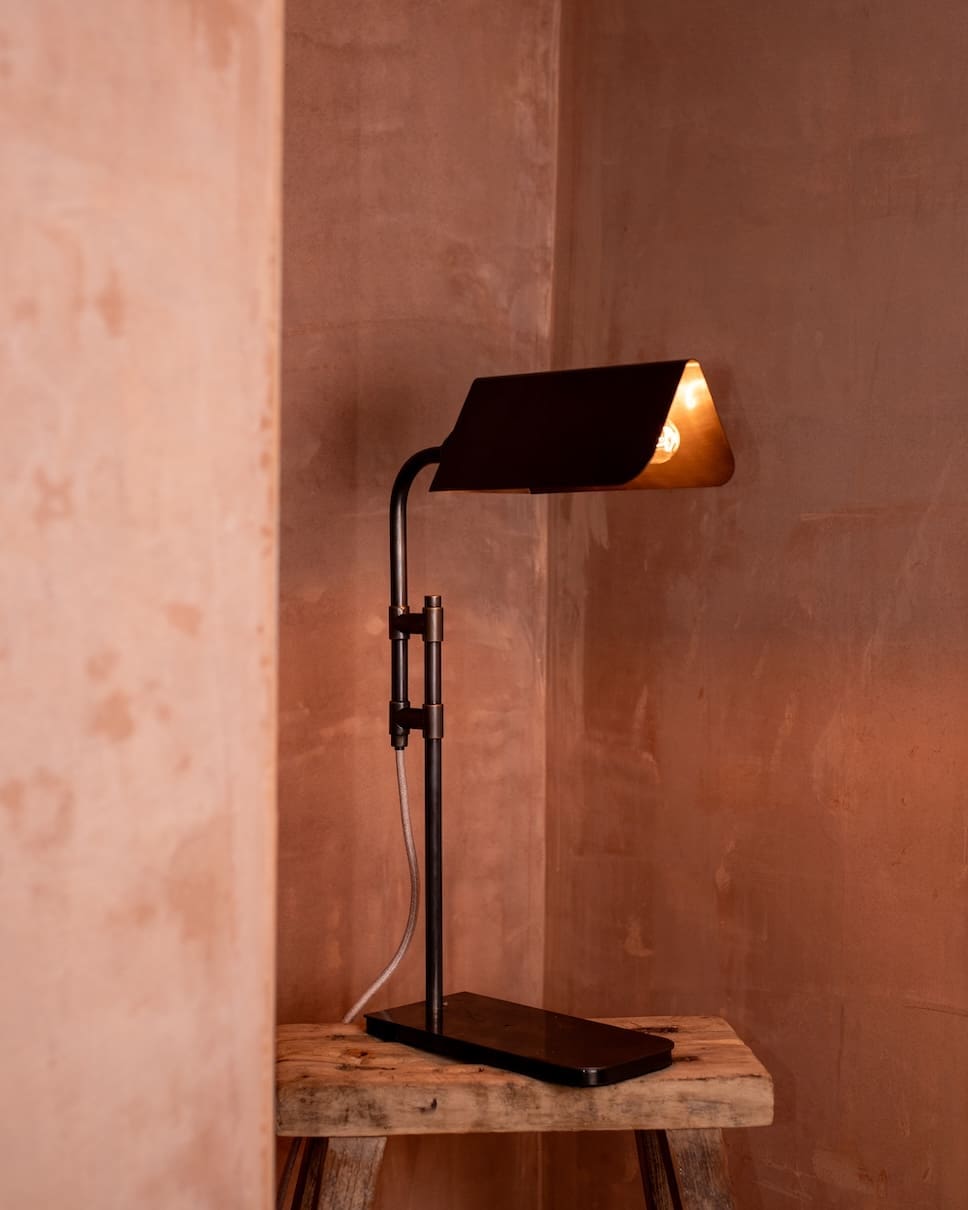
Fritz Fryer Lugg Collection: The "Lugg" lighting collection by Fritz Fryer stood out for its unwavering commitment to British craftsmanship and heritage. Entirely British-made, the collection paid homage to traditional British engineering and antique lighting, reinterpreting classic forms with a modern sensibility. Emphasizing maintainability and repairability, the "Lugg" collection is built from solid, enduring materials designed to withstand the test of time. Its finishes, achieved through meticulous processes, cannot be rushed or artificially replicated, lending each piece a unique character and authenticity. This collection speaks to a growing appreciation for longevity, quality, and locally sourced production in an era often dominated by mass-produced goods.
-
Workbench Flight Deck: The "Flight Deck" by Workbench presented a highly adaptable and modular solution for contemporary meeting spaces. At its core, the system featured a modular architecture that allows power and connectivity components to be easily removed, upgraded, or replaced as technology evolves. This inherent flexibility ensures that meeting spaces can transition seamlessly between formal business meetings and more casual social gatherings. The "Flight Deck" addresses the dynamic nature of modern work environments, providing a future-proof solution that can adapt to changing technological requirements and varied collaborative needs, making it an essential component for agile and versatile workspaces.
Day 2 of Clerkenwell Design Week 2026 thus painted a comprehensive picture of the design industry’s current trajectory. From the architectural exploration of materiality in "The Secret Garden" to the forward-thinking discussions on Gen Alpha and circularity, and the practical innovations seen in new product launches, the festival continued to serve as a vital platform for dialogue, discovery, and the future of design. The emphasis on sustainability, technological integration, and the celebration of cultural contributions demonstrated a robust and responsible approach to shaping the built environment. As the festival progresses, these themes are expected to continue evolving, influencing design practices for years to come.







